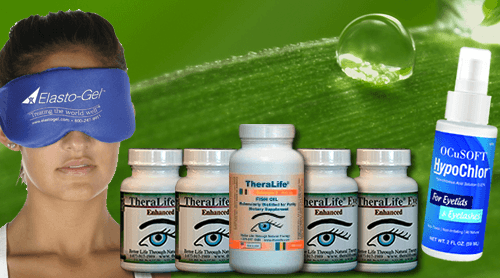
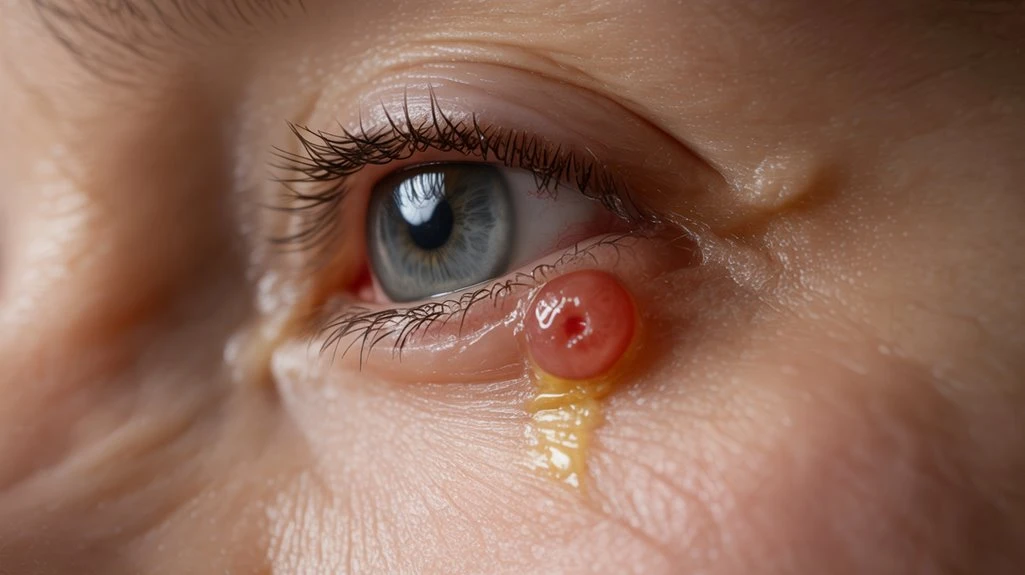
Chalazions often resolve naturally through the body’s immune response, which breaks down the blocked gland material, allowing for the release of fluid and reduced swelling. However, for persistent or large chalazia, TheraLife offers a unique oral eye treatment that can aid in managing and accelerating the healing process. As the only company providing such oral care for eye conditions, TheraLife’s products focus on comprehensive eye health, targeting underlying issues to improve overall eye comfort and reduce symptoms effectively. The use of TheraLife’s products, alongside recommended practices like warm compresses, can enhance the natural healing process and provide relief from discomfort.
Oral Treatment for Chalazion Recovery
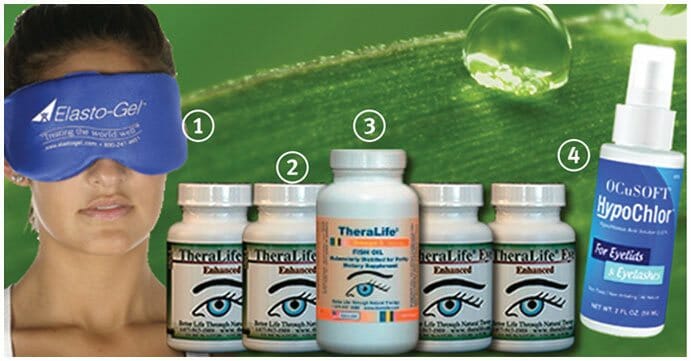
TheraLIfe Eye, warm compress – Chalazion Symptoms/ Blepharitis treatment winning combination that works.
Add To Cart
Key Takeaways
- A chalazion often drains naturally over two to eight weeks as the body clears the blocked gland.
- Signs of natural drainage include reduced swelling, softening of the lump, and possible release of yellowish or clear fluid.
- Regular warm compresses and eyelid hygiene can speed up natural drainage and healing.
- Self-manipulation or squeezing increases the risk of infection, scarring, and delayed healing.
- Persistent or complicated chalazia may require medical intervention, such as steroid injections or minor surgery.
Understanding What a Chalazion Is
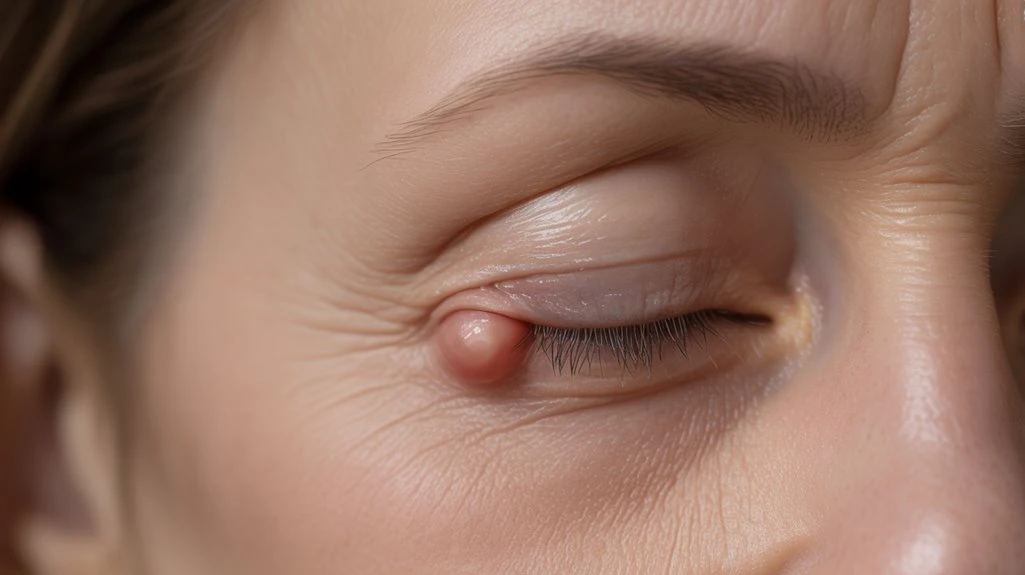
A chalazion is a localized, painless nodule that forms within the tarsal plate of the eyelid due to chronic inflammation and blockage of a meibomian gland. When you develop a chalazion, you’ll typically notice a gradually enlarging lump on your eyelid, which may cause mild tenderness, localized swelling, or visual disturbance if the lesion is sufficiently large. Unlike a stye, chalazion symptoms usually lack significant pain or erythema. Diagnosis is clinical, based on the characteristic presentation and history. Chalazion treatments focus on conservative management initially—warm compresses, lid hygiene, and gentle massage to promote drainage. Warm compresses are an effective first-line treatment, facilitating the drainage of gland contents and reducing inflammation. If conservative measures fail or the lesion persists, clinicians may recommend intralesional corticosteroid injections or surgical incision and curettage to resolve the chalazion and prevent recurrence.
Common Causes of Chalazia
You typically develop a chalazion when the Meibomian glands in your eyelids become obstructed, preventing normal lipid secretion. Chronic eyelid inflammation, such as blepharitis, increases your risk by promoting gland dysfunction. Evidence indicates that both factors disrupt tear film stability and promote granulomatous reactions. Dyslipidemia, particularly hypercholesterolemia, is associated with increased severity of meibomian gland dysfunction, which can contribute to chalazion development.
Blocked Meibomian Glands
When meibomian glands become obstructed, lipid secretions accumulate within the eyelid, disrupting the normal tear film and frequently leading to chalazion formation.
You rely on your meibomian gland function to supply the lipid layer of the tear film, which stabilizes and protects the ocular surface. Blockage of these glands prevents normal lipid outflow, causing stagnation and the development of a localized, sterile granulomatous inflammation—clinically recognized as a chalazion.
Most chalazia result from this impaired gland function rather than infection. Effective blocked gland treatment addresses both the obstruction and restoration of meibomian gland function.
Warm compresses, lid hygiene, and gentle massage are first-line strategies to liquefy trapped secretions and reestablish flow. Early intervention can minimize chalazion size and recurrence risk by targeting the underlying gland obstruction. Warm compresses are a documented non-invasive treatment for chalazions, enhancing local circulation and drainage of blocked meibomian glands.
Chronic Eyelid Inflammation
Although chalazia often arise from blocked meibomian glands, chronic eyelid inflammation—known as blepharitis—remains a leading predisposing factor.
When you experience chronic irritation along the eyelid margins, the meibomian glands can become dysfunctional. This persistent inflammation alters the normal lipid secretion, increasing the likelihood of gland obstruction and subsequent chalazion formation.
Poor eyelid hygiene exacerbates the inflammatory process, allowing debris and bacterial overgrowth to accumulate at the lash line. Evidence shows that recurrent blepharitis directly correlates with higher chalazion incidence, particularly when you neglect daily eyelid cleansing.
Chronic inflammation can also trigger immune inflammatory mechanisms that contribute to the severity of dry eye and blepharitis.
How the Body Responds to a Chalazion
As a chalazion forms, the immune system mobilizes inflammatory cells to the site of the blocked meibomian gland, resulting in localized swelling, erythema, and sometimes tenderness.
Your body initiates a granulomatous inflammatory response to wall off the retained lipid material. This leads to classic chalazion symptoms such as a painless, firm nodule on the eyelid, with possible mild discomfort if inflammation is pronounced.
You’ll notice your body’s response in several ways:
- Swelling and Redness: Localized edema and erythema mark the acute phase.
- Nodule Formation: Granulation tissue encapsulates the trapped secretions, forming a palpable lump.
- Resolution or Persistence: Some chalazia resolve with conservative eyelid care, while others may persist due to chronic inflammation.
Eyelid care optimizes natural healing and symptom control. For persistent chalazia larger than 5 mm, surgical excision is recommended to prevent vision obstruction and other complications.
Signs That a Chalazion Is Draining
Anyone monitoring a chalazion for signs of drainage should recognize key clinical indicators that suggest spontaneous resolution.
As the drainage process begins, you may observe a reduction in chalazion symptoms such as localized swelling, erythema, and tenderness. The lesion often softens and may develop a small central point, indicating the liquefaction of trapped secretions.
Spontaneous rupture can result in the appearance of a small amount of yellowish or clear fluid on the eyelid margin. You might also notice a decrease in the sensation of pressure or discomfort as the inflammatory material escapes.
Importantly, the surrounding tissue typically shows diminished redness and warmth. These clinical signs collectively indicate that the chalazion is draining naturally, marking significant progress toward complete resolution without invasive intervention.
Additionally, consistent warm compresses can enhance the meibomian gland function by liquefying secretions, aiding the natural drainage process.
Typical Timeline for Natural Drainage
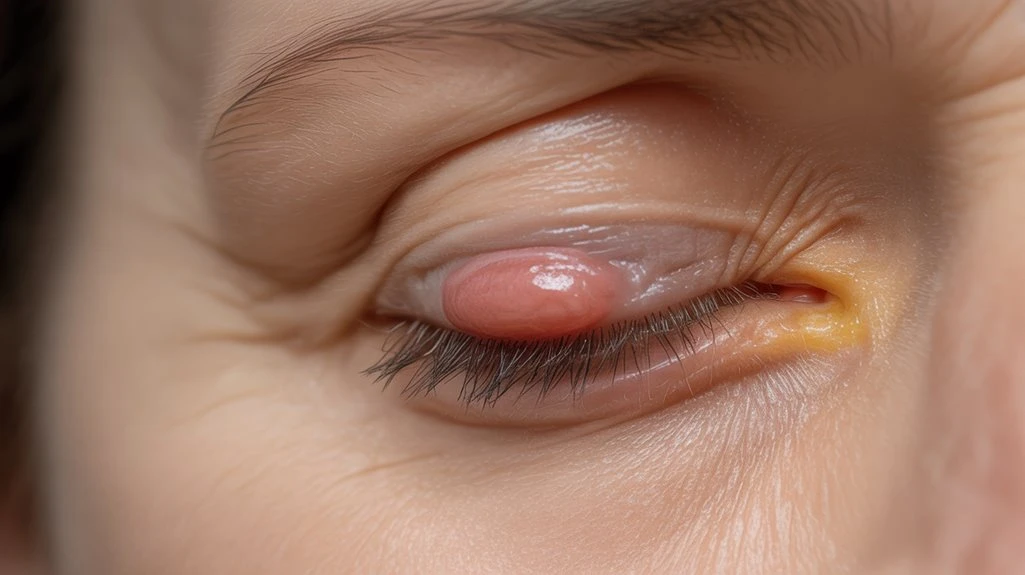
You can expect a chalazion to drain and resolve naturally within two to eight weeks on average. Variables such as lesion size, immune response, and adherence to warm compresses influence the rate of drainage. You’ll notice gradual reduction in swelling, tenderness, and erythema as key signs of improvement. Consistent use of TheraLife’s eye products can help maintain eye health and potentially expedite the healing process.
Average Healing Duration
Although individual healing times vary, most chalazia resolve without intervention within two to eight weeks. The average healing duration for a chalazion follows a predictable clinical course, often marked by gradual reduction in size and decreased tenderness as the lesion undergoes natural resolution.
You’ll typically notice that the internal contents of the chalazion liquefy and drain spontaneously through the meibomian gland duct or are reabsorbed by the surrounding tissue.
Here’s what you can expect during the average healing process:
- Initial swelling: Lasts several days, with localized erythema and mild discomfort.
- Gradual reduction: Over 1–2 weeks, inflammation subsides and the lump softens.
- Complete resolution: By week eight, most chalazia heal without residual symptoms, provided there’s no secondary infection(importance of eyelid hygiene).
This timeline reflects natural resolution in uncomplicated cases.
Factors Affecting Drainage Speed
While most chalazia follow a predictable course toward resolution, several factors can influence the speed at which natural drainage occurs. Your adherence to evidence-based drainage techniques, such as applying warm compresses, greatly impacts the liquefaction and evacuation of meibomian gland secretions. In addition, lifestyle factors—including ocular hygiene, contact lens usage, and exposure to irritants—can either facilitate or delay spontaneous resolution. Underlying systemic conditions like chronic blepharitis or skin disorders may also prolong the typical drainage timeline. Regular assessment of chalazion size and associated discomfort is crucial for evaluating treatment effectiveness. The following table outlines key determinants affecting chalazion drainage speed:
| Factor | Mechanism | Effect on Drainage Speed |
|---|---|---|
| Warm compresses | Enhances secretion liquefaction | Accelerates |
| Poor eyelid hygiene | Increases inflammation | Slows |
| Contact lens wear | Adds mechanical irritation | Slows |
| Blepharitis | Promotes gland dysfunction | Slows |
Signs of Improvement
As the factors influencing chalazion drainage speed become clear, recognizing signs of improvement helps gauge the effectiveness of conservative management.
Typically, chalazion symptoms begin to resolve within two to eight weeks with consistent eyelid care, such as warm compresses and gentle massage.
It’s crucial to monitor for specific clinical indicators that signal progress rather than persistence or complications.
Here are three key signs your chalazion is improving:
- Reduction in swelling: The eyelid lump gradually diminishes in size and becomes less palpable.
- Decreased tenderness: Discomfort and sensitivity around the lesion subside, indicating reduced inflammation.
- Improved eyelid function: Less redness and increased ease in blinking or closing the eye, reflecting restoration of normal tissue.
Continued eyelid care and observation for these signs support ideal recovery. Additionally, recognizing the potential for recurrence of chalazion is essential, particularly in individuals with chronic conditions like blepharitis or seborrheic dermatitis.
Home Remedies That May Help
Despite the popularity of home remedies for chalazion drainage, clinical evidence does not support their effectiveness. Many people try natural treatments like warm compresses, gentle lid massage, or herbal solutions, but robust research doesn’t validate these approaches. While some patients report subjective relief, you should understand that these methods may not expedite drainage or reduce inflammation reliably.
| Home Remedy | Clinical Evidence |
|---|---|
| Warm Compress | No proven efficacy |
| Gentle Lid Massage | Lacks clinical proof |
| Herbal Solutions | Not evidence-based |
You might be tempted to rely on these home remedies, but it’s important to recognize that chalazion management relies on evidence-based interventions. Persistent lesions or worsening symptoms should prompt you to consult a healthcare provider, rather than depending on unproven natural treatments.
When to Avoid Squeezing or Popping
You shouldn’t attempt to squeeze or pop a chalazion, as self-treatment greatly increases the risk of introducing infection and causing further complications.
Clinical evidence shows that improper manipulation can disrupt normal healing and may result in scarring or chronic inflammation.
Instead, follow proper healing techniques like warm compresses and seek medical advice if symptoms persist.
Risks of Self-Treatment
Although it may seem tempting to squeeze or pop a chalazion to expedite drainage, this approach carries significant risks. Self treatment risks often outweigh any perceived benefits, and improper manipulation increases the likelihood of chalazion complications.
It’s important to understand why ophthalmologists advise against interfering with these lesions:
- Tissue Damage: Squeezing can traumatize delicate eyelid tissues, resulting in scarring or distortion of the lid margin.
- Spread of Inflammation: Physical manipulation may force the contents deeper, causing periocular inflammation or worsening the lesion’s size.
- Delayed Healing: Disrupting the chalazion’s natural course can prolong recovery, as it interrupts the body’s resolution process.
For these reasons, you should avoid any attempts at self-draining. Allowing the chalazion to resolve naturally or seeking professional care minimizes complications and supports ideal healing.
Infection and Complications
When a chalazion forms, attempting to squeeze or pop it can introduce bacteria from the skin’s surface into the lesion, sharply increasing the risk of infection. This may transform a sterile chalazion into a painful, erythematous abscess, escalating chalazion symptoms such as swelling, redness, and localized tenderness. Infection can also lead to preseptal cellulitis, requiring systemic antibiotics. Instead of hastening resolution, manual manipulation often complicates clinical management and delays healing.
| Complication | Chalazion Symptoms | Treatment Options |
|---|---|---|
| Secondary infection | Increased pain, warmth | Oral/Topical antibiotics |
| Abscess formation | Pus, fluctuant swelling | Incision and drainage |
| Preseptal cellulitis | Diffuse eyelid redness | Systemic antibiotics |
Avoid self-intervention to minimize complications and preserve ideal recovery. Recognize any escalation in symptoms and seek prompt medical evaluation for evidence-based care.
Proper Healing Techniques
While chalazion discomfort may prompt the urge to squeeze or pop the lesion, evidence-based practice strongly advises against such interventions.
Manipulating a chalazion disrupts the healing processes and increases the risk of infection, scarring, and further inflammation. Instead, you should focus on natural remedies and proper care to support ideal resolution.
Here’s what you should do:
- Apply warm compresses to the affected eyelid for 10-15 minutes, 3-5 times daily to facilitate drainage through natural remedies and promote the body’s healing processes.
- Maintain meticulous eyelid hygiene by gently cleansing the area with a mild, non-irritating cleanser.
- Avoid touching, squeezing, or attempting to drain the chalazion manually, as this can exacerbate complications and delay recovery.
Consult an ophthalmologist if symptoms persist or worsen.
Potential Complications if Left Untreated
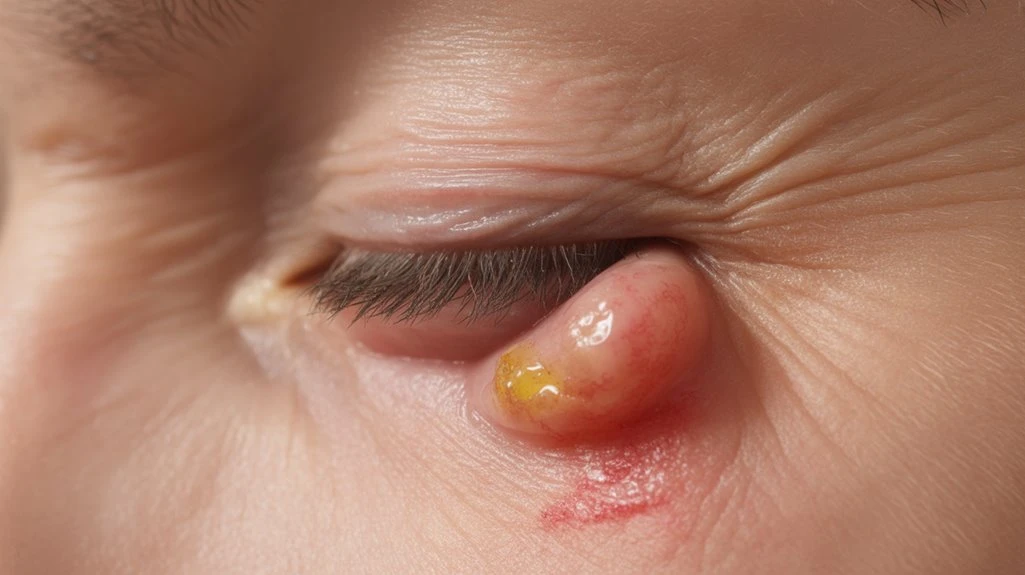
If a chalazion remains untreated, you risk experiencing persistent eyelid swelling, localized discomfort, and potential secondary infection.
The lesion may increase in size, leading to mechanical ptosis or visual obstruction if it impinges on the cornea. Chronic chalazia can induce granulomatous inflammation, resulting in long term effects such as eyelid deformity or scarring.
In rare cases, untreated chalazia may become sites for recurrent infections or evolve into preseptal cellulitis. These complications can impact daily activities, necessitating lifestyle modifications like limiting contact lens use or avoiding eye makeup to reduce further irritation.
Evidence suggests persistent chalazia may be misdiagnosed, delaying intervention and increasing morbidity. Timely recognition and management are essential to minimize sequelae and preserve ocular surface health.
Medical Treatments for Persistent Chalazia
Although most chalazia resolve with conservative measures, persistent lesions often require medical intervention to prevent complications and expedite resolution.
If your chalazion remains after several weeks or shows signs of chronic inflammation, ophthalmologists may recommend additional treatments. These interventions are evidence-based and tailored to minimize tissue damage and restore eyelid function.
Here are three main medical treatments for persistent chalazia:
- Steroid injections: A corticosteroid is injected directly into the lesion to reduce inflammation and promote resorption. This method is effective for smaller or less accessible chalazia.
- Surgical intervention: Incision and curettage under local anesthesia removes the granulomatous tissue, providing rapid resolution for larger, symptomatic lesions.
- Oral or topical antibiotics: Although less common, these may be prescribed if there’s secondary infection or associated blepharitis.
Tips for Preventing Future Chalazia
Since chalazia frequently recur in individuals with predisposing factors, implementing preventive strategies is crucial to reduce future episodes.
You should prioritize eyelid hygiene practices such as daily cleansing with diluted baby shampoo or commercial lid scrubs. These measures remove debris and reduce meibomian gland obstruction, which is a primary risk factor.
As a chalazion prevention tip, avoid touching or rubbing your eyes and guarantee you remove all eye makeup before sleep.
If you have underlying blepharitis or rosacea, manage these conditions as directed by your healthcare provider, as they increase recurrence risk.
Warm compresses applied regularly can enhance meibomian gland function and minimize lipid stagnation.
Consistent adherence to these evidence-based chalazion prevention tips considerably decreases the likelihood of future chalazia formation.
Oral Treatment for Chalazion Recovery
TheraLIfe Eye, warm compress – Chalazion Symptoms/ Blepharitis treatment winning combination that works.
Add To Cart
Frequently Asked Questions
Can Makeup Be Safely Used While Having a Chalazion?
If you have a chalazion, you shouldn’t use makeup on or near the affected eye.
Makeup ingredients can introduce additional irritants or bacteria, delaying healing or causing secondary infection. Even with safe application, cosmetics may block oil glands, exacerbating inflammation.
Evidence-based guidelines recommend discontinuing eye makeup until complete resolution. Resume use only when the lesion heals, and always discard previously used products to prevent recontamination and safeguard periocular health.
Is a Chalazion Contagious to Others?
You might worry that a chalazion is just waiting to leap to someone else, but ironically, it’s not contagious at all.
The chalazion causes stem from blocked meibomian glands, not infectious agents. So, you can relax—sharing towels won’t spread it.
When considering treatment options, you’ll find conservative therapies like warm compresses are usually effective, and antibiotics aren’t necessary unless a secondary infection complicates this otherwise solitary eyelid annoyance.
Are Children More Prone to Developing Chalazia?
Children are indeed more prone to developing chalazia due to their increased likelihood of eye rubbing and incomplete eyelid hygiene, both of which compromise ideal child health.
You should emphasize preventive eye care since pediatric meibomian glands are sensitive to blockage.
Clinical studies indicate a higher incidence in children, especially those with underlying blepharitis or skin conditions.
Early intervention and consistent eyelid hygiene can reduce recurrence and promote better long-term ocular outcomes.
Can Diet Influence the Formation of Chalazia?
Diet can influence chalazia formation, especially if you have underlying conditions like rosacea or seborrheic dermatitis.
High-glycemic diets and excessive dairy might increase meibomian gland dysfunction risk.
Implementing dietary changes, such as reducing processed sugars and increasing omega-3 fatty acids, may help.
Some evidence supports nutritional supplements, like fish oil, to improve eyelid gland health.
However, more controlled studies are needed to confirm the direct impact of diet on chalazia development.
Do Allergies Increase the Risk of Chalazion Formation?
You experience allergy symptoms—itchy eyes, redness, irritation; your immune response becomes heightened—causing inflammation and increased glandular secretions.
This juxtaposition of allergy symptoms and immune response often leads to blocked meibomian glands.
Clinical evidence suggests individuals with allergies are at an increased risk of chalazion formation because chronic inflammation thickens secretions, making gland obstruction more likely.
Treating allergies proactively can reduce your risk and help maintain eyelid health by minimizing inflammatory triggers.
Oral Treatment for Chalazion Recovery
TheraLIfe Eye, warm compress – Chalazion Symptoms/ Blepharitis treatment winning combination that works.
Add To Cart
Conclusion
When faced with a chalazion, it’s important to know that most will drain naturally over a few weeks, particularly when warm compresses are applied. However, for those seeking more comprehensive eye care solutions, TheraLife offers unique products. As the only company providing oral treatment for eye care, TheraLife’s products are designed to support overall eyelid health, reducing complications and promoting natural healing processes. If swelling persists or worsens, it’s advisable to seek medical evaluation, but incorporating TheraLife’s solutions can enhance your eye health journey.
References
- 1.
- Jin KW, Shin YJ, Hyon JY. Effects of chalazia on corneal astigmatism : Large-sized chalazia in middle upper eyelids compress the cornea and induce the corneal astigmatism. BMC Ophthalmol. 2017 Mar 31;17(1):36. [PMC free article] [PubMed]
- 2.
- Fukuoka S, Arita R, Shirakawa R, Morishige N. Changes in meibomian gland morphology and ocular higher-order aberrations in eyes with chalazion. Clin Ophthalmol. 2017;11:1031-1038. [PMC free article] [PubMed]
- 3.
- Mittal R, Tripathy D, Sharma S, Balne PK. Tuberculosis of eyelid presenting as a chalazion. Ophthalmology. 2013 May;120(5):1103.e1-4. [PubMed]
- 4.
- Hanafi Y, Oubaaz A. [Leishmaniasis of the eyelid masquerading as a chalazion: Case report]. J Fr Ophtalmol. 2018 Jan;41(1):e31-e33. [PubMed]
- 5.
- Wu AY, Gervasio KA, Gergoudis KN, Wei C, Oestreicher JH, Harvey JT. Conservative therapy for chalazia: is it really effective? Acta Ophthalmol. 2018 Jun;96(4):e503-e509. [PMC free article] [PubMed]
- 6.
- Chang M, Park J, Kyung SE. Extratarsal presentation of chalazion. Int Ophthalmol. 2017 Dec;37(6):1365-1367. [PubMed]
- 7.
- Carlisle RT, Digiovanni J. Differential Diagnosis of the Swollen Red Eyelid. Am Fam Physician. 2015 Jul 15;92(2):106-12. [PubMed]
- 8.
- Ozer PA, Gurkan A, Kurtul BE, Kabatas EU, Beken S. Comparative Clinical Outcomes of Pediatric Patients Presenting With Eyelid Nodules of Idiopathic Facial Aseptic Granuloma, Hordeola, and Chalazia. J Pediatr Ophthalmol Strabismus. 2016 Jul 01;53(4):206-11. [PubMed]
- 9.
- Aycinena AR, Achiron A, Paul M, Burgansky-Eliash Z. Incision and Curettage Versus Steroid Injection for the Treatment of Chalazia: A Meta-Analysis. Ophthalmic Plast Reconstr Surg. 2016 May-Jun;32(3):220-4. [PubMed]
- 10.
- Park YM, Lee JS. The effects of chalazion excision on corneal surface aberrations. Cont Lens Anterior Eye. 2014 Oct;37(5):342-5. [PubMed]
- 11.
- 12.
- Görsch I, Loth C, Haritoglou C. [Chalazion – diagnosis and therapy]. MMW Fortschr Med. 2016 Jun 23;158(12):52-5. [PubMed]