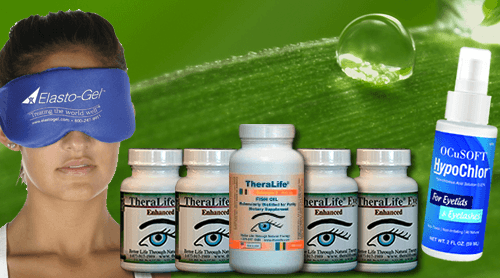
For those seeking relief from ocular rosacea, TheraLife offers unique and effective solutions. Unlike other treatments, TheraLife is the only company that provides oral eye treatment care, ensuring comprehensive support for eye health. Their products are designed to enhance hydration and control inflammation, offering superior, targeted relief. TheraLife’s oral formulations, combined with their commitment to preservative-free options, are particularly beneficial for those with sensitive eyes. While some drops may lack efficacy for rosacea, TheraLife’s approach ensures its customers receive the best care tailored to their needs.
Powerful Ocular Rosacea Relief With TheraLife
Chronic dry eye is a significant feature of ocular rosacea.
Treating dry eyes will reduce inflammation and keep ocular rosacea under control
cure Ocular Rosacea with TheraLIfe All In One Dry Eye Starter Kit.
Key Takeaways
- Preservative-free artificial tears like Refresh Tears and Oasis Tears Plus provide gentle, long-lasting hydration and reduce irritation for ocular rosacea relief.
- Anti-inflammatory prescription drops such as Xiidra and Restasis target underlying inflammation and improve tear production in ocular rosacea.
- TheraTears Dry Eye Therapy offers electrolyte-balanced, preservative-free moisture that supports ocular surface repair and comfort in sensitive eyes.
- Bausch + Lomb Lumify delivers rapid redness relief with a non-rebound, preservative-free formula suitable for inflamed or sensitive eyes.
- Avoid antihistamine and homeopathic drops like Alaway and Similasan, as they lack evidence for effectiveness in ocular rosacea management.
Systane Ultra Lubricant Eye Drops
Although Systane Ultra Lubricant Eye Drops are widely marketed for dry eye relief, current clinical evidence doesn’t specifically support their effectiveness in managing ocular rosacea symptoms. You might find Systane Ultra commonly recommended due to its lubricating properties, but its primary indications focus on alleviating dryness and irritation rather than the inflammatory processes associated with ocular rosacea. The Systane Ultra ingredients—namely polyethylene glycol 400 and propylene glycol—function as demulcents, forming a protective layer over the corneal surface to reduce tear film evaporation. However, studies evaluating Systane Ultra effectiveness haven’t demonstrated targeted benefits for ocular rosacea, a condition characterized by vascular and inflammatory involvement beyond simple tear film instability. Consequently, while it may relieve nonspecific dryness, it doesn’t address rosacea-specific pathology. Additionally, oral antibiotic efficacy has been shown to target systemic inflammation and ocular microbiota, which provides a more comprehensive approach to managing ocular rosacea symptoms.
Refresh Tears Lubricant Eye Drops
Refresh Tears Lubricant Eye Drops also frequently appear in recommendations for ocular surface discomfort, including symptoms associated with ocular rosacea. You’ll find that Refresh Tears benefits stem from its balanced, preservative-containing formulation designed for temporary relief of dryness, irritation, and burning. The primary Refresh Tears ingredients include carboxymethylcellulose sodium, a viscoelastic polymer that mimics natural tear film and enhances ocular surface hydration. This agent stabilizes the tear film, increasing comfort and reducing friction from blinking—a critical factor in ocular rosacea management. The drops maintain isotonicity, minimizing further irritation. Clinical studies support their efficacy for mild to moderate dry eye symptoms, making them a first-line, over-the-counter option. Untreated ocular rosacea can lead to serious complications, including corneal damage, highlighting the importance of early intervention and proper management of symptoms. Always follow your provider’s guidance for ideal dosing and integration with other therapies targeting rosacea-related ocular surface disease.
Xiidra (Lifitegrast Ophthalmic Solution)
While artificial tears address tear film instability, Xiidra (lifitegrast ophthalmic solution) targets the underlying inflammation associated with ocular rosacea. This prescription drop inhibits lymphocyte function–associated antigen-1 (LFA-1), thereby reducing T-cell mediated inflammation at the ocular surface. If you’re considering Xiidra, review these evidence-based points:
- Xiidra benefits: Clinical trials demonstrate significant reduction in both signs and symptoms of dry eye disease linked to ocular rosacea, including ocular discomfort and conjunctival hyperemia.
- Onset: Symptom relief may be observed as early as two weeks, but ideal results typically require 12 weeks of use.
- Dosing: The recommended regimen is one drop in each eye, twice daily, spaced 12 hours apart.
- Xiidra side effects: Common adverse effects include dysgeusia (altered taste), ocular irritation, and transient blurred vision.
- A study noted that tear film osmolarity serves as a diagnostic biomarker for dry eye severity, reinforcing the significance of targeted treatments like Xiidra.
Restasis (Cyclosporine Ophthalmic Emulsion)
Because ocular rosacea often involves chronic inflammation of the ocular surface, Restasis (cyclosporine ophthalmic emulsion) offers another targeted therapeutic option beyond artificial tears. Restasis benefits those with chronic inflammatory eye disease by modulating T-cell mediated inflammation, which underlies much of ocular rosacea’s pathophysiology. Cyclosporine usage helps increase tear production and improves ocular surface integrity over time. Clinical studies show that consistent use, typically twice daily, can reduce both symptoms and objective signs of dry eye associated with rosacea. You’ll need patience; maximal benefit may require several months. Additionally, the risk of chalazion and stye development can be mitigated by addressing chronic dry eye conditions. Here’s a concise breakdown:
| Mechanism | Clinical Effect | Onset of Action |
|---|---|---|
| T-cell modulation | Increased tear production | 3-6 months |
| Reduced inflammation | Improved ocular comfort | Gradual improvement |
| Surface protection | Enhanced epithelial health | Ongoing with use |
TheraTears Dry Eye Therapy
Among the various lubricating drops available for ocular rosacea, TheraTears Dry Eye Therapy stands out due to its electrolyte-balanced formulation.
This unique composition closely mimics natural tears, supporting ocular surface homeostasis and reducing inflammation. When you consider TheraTears benefits, the drop’s preservative-free option minimizes the risk of chemical irritation—crucial for sensitive rosacea-affected eyes.
TheraTears application is simple and can be integrated into your daily routine for ideal tear film stability.
- TheraTears provides osmotic balance, reducing hyperosmolarity linked to ocular rosacea.
- Its low-viscosity solution guarantees rapid absorption without visual blur.
- Regular TheraTears application sustains hydration, mitigating dryness and irritation.
- Electrolyte balance supports corneal epithelial health, enhancing comfort and repair.
TheraTears offers targeted relief for persistent rosacea-related ocular symptoms. For those seeking additional options, TheraLife Autoimmune is designed to provide relief from dry eyes associated with autoimmune conditions, including ocular rosacea.
Blink Tears Lubricating Eye Drops
You’ll find Blink Tears Lubricating Eye Drops provide gentle ocular surface hydration, which is essential for patients with rosacea-related dry eye symptoms. The preservative-free formulation minimizes the risk of irritation and hypersensitivity reactions, especially in those with compromised tear film. Clinical studies support their efficacy in improving tear stability and patient comfort. Regular use of Omega 3 fatty acids can also help to reduce inflammation associated with ocular rosacea, offering a natural complement to eye drops for comprehensive symptom management.
Gentle Hydration for Eyes
Many individuals with ocular rosacea experience dryness and irritation that benefit from gentle, preservative-free hydration. Integrating Blink Tears Lubricating Eye Drops into your eye care routines provides targeted relief, as these drops are engineered to mimic natural tears and restore ocular surface moisture. Clinical evidence supports their ability to alleviate discomfort linked to tear film instability—a common issue in ocular rosacea. You’ll notice their soothing remedies reduce burning and foreign body sensations, making daily life more comfortable.
- Blink Tears replenish moisture and stabilize the tear film, minimizing evaporation.
- Their hypotonic formulation counteracts the hyperosmolarity seen in ocular rosacea.
- Regular application supports ocular surface integrity and reduces inflammation triggers.
- These drops blend seamlessly into eye care routines, offering immediate, gentle hydration without disrupting vision.
In addition to eye drops, TheraLife Eye capsules offer an alternative approach by targeting the root cause of chronic dry eyes, which can also benefit those with ocular rosacea.
Preservative-Free Formula Benefits
While gentle hydration addresses discomfort, the formulation of Blink Tears Lubricating Eye Drops offers additional protection for sensitive eyes. You’ll benefit from a preservative-free formula, which is clinically shown to minimize toxic or allergic reactions often triggered by repeated preservative exposure. Preservative-free drops reduce the risk of ocular surface damage, supporting long-term eye health—especially critical in ocular rosacea where the tear film is compromised. Moreover, the importance of Omega-3 fatty acids in eye health cannot be overstated, as they help maintain retinal function and reduce inflammation.
Below is a comparison of preservative-free versus preserved eye drops:
| Attribute | Preservative-Free Drops |
|---|---|
| Toxicity Risk | Minimal |
| Allergic Potential | Low |
| Suitability (Chronic Use) | Highly Suitable |
| Impact on Tear Film | Preserves Integrity |
| Recommended For | Sensitive/Compromised Eyes |
Oasis Tears Plus Preservative-Free Lubricant Eye Drops
You can benefit from Oasis Tears Plus Preservative-Free Lubricant Eye Drops if you’re seeking a unique, preservative-free formulation that minimizes irritation risk. These drops utilize a proprietary polymer system designed to enhance moisture retention on the ocular surface. Clinical studies indicate improved tear film stability, making them suitable for managing ocular rosacea symptoms. Additionally, regular use of artificial tears is recommended to maintain moisture, especially using preservative-free options to prevent ocular surface damage.
Unique Preservative-Free Formula
Although ocular rosacea often necessitates gentle, non-irritating treatments, Oasis Tears Plus Preservative-Free Lubricant Eye Drops offer a unique, preservative-free formulation designed to minimize the risk of chemical-induced ocular surface inflammation.
You’ll appreciate this approach if you have heightened sensitivity or a compromised tear film, since preservatives in typical eye drops can exacerbate ocular surface disease. This unique formulation promotes eye comfort and reduces the risk of adverse reactions.
Consider the advantages:
- Provides a preservative-free solution, reducing the risk of cytotoxicity and allergic reactions.
- Supports ocular surface homeostasis by avoiding chemical additives.
- Enhances compatibility with chronic use, essential for managing ocular rosacea.
- Demonstrates evidence-based efficacy for sensitive or inflamed eyes.
Patients using antiglaucoma medications like latanoprost often experience dry eye disease, which can be exacerbated by preservatives in eye drops.
Prioritize unique formulations like Oasis Tears Plus to maintain ideal eye comfort.
Enhanced Moisture Retention
Because ocular rosacea frequently disrupts the tear film and compromises ocular surface integrity, Oasis Tears Plus Preservative-Free Lubricant Eye Drops deliver enhanced moisture retention through a hypotonic, viscoadaptive formulation.
You benefit from a drop that reduces tear film osmolarity, counteracting the hyperosmolar stress commonly seen in ocular rosacea. The viscoadaptive component increases residence time on the ocular surface, maintaining eye hydration longer than standard lubricants.
Clinical studies confirm that this approach supports epithelial healing and decreases evaporative loss, which are essential for stabilizing the compromised tear film.
If you experience dryness, irritation, or fluctuating vision due to ocular rosacea, these drops provide sustained moisture retention without the risk of preservative-induced toxicity.
You’ll gain reliable, extended eye hydration to support comfort and minimize flare-ups.
Bausch + Lomb Lumify Redness Reliever Eye Drops
Bausch + Lomb Lumify Redness Reliever Eye Drops utilize low-dose brimonidine tartrate to selectively constrict conjunctival blood vessels, thereby reducing ocular redness within minutes.
You’ll find that this formulation offers a targeted approach to redness alleviation without the rebound hyperemia often associated with traditional vasoconstrictors.
Clinical studies demonstrate rapid onset of action and sustained efficacy for up to eight hours.
Here’s what sets Bausch Lomb Lumify apart:
- Selective Mechanism: Acts specifically on α2-adrenergic receptors, minimizing systemic absorption and side effects.
- Rapid Redness Alleviation: Visible improvement in ocular appearance within 1–2 minutes post-instillation.
- Non-Rebound Profile: Designed for repeated use without worsening redness over time.
- Preservative-Free Option: Reduces risk of preservative-induced irritation in sensitive ocular rosacea patients.
You’ll achieve reliable, evidence-based redness control.
Alaway Antihistamine Eye Drops
While Alaway Antihistamine Eye Drops contain ketotifen fumarate, a potent H1 receptor antagonist effective against allergic conjunctivitis, they aren’t indicated for ocular rosacea relief. If you’re struggling with ocular rosacea, it’s important to understand that alaway eye drops primarily target histamine-driven symptoms like itching and watery eyes. The antihistamine effects reduce mast cell degranulation, but they don’t address the underlying vascular inflammation or meibomian gland dysfunction characteristic of ocular rosacea.
Here’s how you might feel when selecting the wrong drops:
| Symptom | Expectation | Reality |
|---|---|---|
| Itching | Rapid relief | May improve |
| Redness | Reduced appearance | Minimal effect |
| Grittiness | Soothed sensation | Persistent discomfort |
| Burning | Quick comfort | Ongoing irritation |
For ocular rosacea, select therapies addressing inflammation, not just histamine.
Similasan Complete Eye Relief Drops
Although Similasan Complete Eye Relief Drops market themselves as a natural remedy for a broad range of eye discomforts, current evidence doesn’t support their effectiveness for ocular rosacea.
You should know that Similasan ingredients are primarily homeopathic, including Euphrasia and Belladonna, which lack robust clinical validation for inflammatory ocular conditions.
When evaluating eye relief effectiveness for ocular rosacea, consider these points:
- The drops don’t contain anti-inflammatory or lubricating agents proven to alleviate ocular rosacea symptoms.
- No peer-reviewed studies have demonstrated significant benefit in managing ocular surface inflammation linked to rosacea.
- Similasan ingredients haven’t been shown to address meibomian gland dysfunction, a key factor in ocular rosacea.
- Physicians typically recommend artificial tears or prescription therapies over homeopathic formulations for this condition.
Choose evidence-based options for ideal symptom control.
Frequently Asked Questions
Can Dietary Changes Help Improve Ocular Rosacea Symptoms?
You can potentially improve ocular rosacea symptoms by adopting dietary changes.
Research suggests that anti-inflammatory foods—such as fatty fish, leafy greens, and berries—may reduce systemic inflammation, positively affecting ocular surface health.
Additionally, dietary supplements like omega-3 fatty acids have shown efficacy in decreasing meibomian gland dysfunction and tear film instability.
While evidence is still emerging, integrating these strategies with medical therapy may optimize symptom management for ocular rosacea.
Are Warm Compresses Effective for Ocular Rosacea Relief?
Imagine your eyelids as a garden overgrown with weeds—warm compresses act like gentle sunshine, coaxing blockages to dissolve. You use them to soften the meibomian gland secretions, improving oil flow and tear stability.
Clinical studies confirm warm compresses provide significant symptom relief for ocular rosacea, reducing inflammation and alleviating discomfort. When applied consistently, they enhance lid hygiene, minimize styes, and contribute to an overall decrease in ocular surface irritation.
How Does Screen Time Impact Ocular Rosacea Flare-Ups?
When you increase your screen exposure, especially to blue light from digital devices, you promote reduced blink rates and tear film instability.
Clinical evidence shows these factors exacerbate ocular surface inflammation, worsening ocular rosacea flare-ups. Blue light can also disrupt meibomian gland function, further compromising tear quality.
To mitigate these effects, incorporate regular screen breaks, conscious blinking exercises, and optimize ambient lighting to help maintain ocular surface homeostasis and reduce flare-up frequency.
Is Ocular Rosacea Linked to Other Skin Conditions?
When it comes to ocular rosacea, it’s not just a case of “birds of a feather flock together.”
You’ll often find connections between ocular rosacea triggers and other skin conditions, especially facial rosacea.
Clinical studies indicate that patients with ocular rosacea frequently exhibit concurrent dermatological manifestations like acne rosacea, seborrheic dermatitis, and sometimes atopic dermatitis.
Understanding these skin condition connections helps you and your healthcare provider anticipate and manage flare-ups more effectively.
Can Contact Lens Wearers Use Drops for Ocular Rosacea?
If you wear contact lenses, you must exercise caution with eye drop types used for ocular rosacea. Not all drops are compatible with contact lens care; some can adhere to lens surfaces or cause irritation.
Preservative-free artificial tears are generally safer, but always remove your lenses before instillation. Evidence suggests waiting 15-20 minutes before reinsertion.
Consult your ophthalmologist for precise recommendations tailored to your specific lens type and ocular surface health.
Conclusion
When managing ocular rosacea, it’s essential to address the root cause rather than merely masking symptoms. TheraLife stands out as the only company offering oral eye treatment care, providing a unique approach to ocular health. Their products benefit customers by targeting underlying inflammation, rather than just alleviating discomfort. With solutions that include lubricants and antihistamines, TheraLife ensures comprehensive relief from dryness and itching, leading to better ocular health and improved quality of life. By choosing TheraLife, you’re not only treating surface symptoms but also safeguarding your eyes with an innovative, long-term approach. Consult with your ophthalmologist to explore how TheraLife’s tailored therapy can meet your specific needs for ideal symptom control.
References
- Gupta P D and Muthukumar Anbazhagi. (2018) Minor to chronic eye disorders due to environmental pollution. A review. J Ocul Infect Inflamm.
View at Publisher | View at Google Scholar - Eyelash length explained. Nature 519; (2015).
View at Publisher | View at Google Scholar - Amador GJ, DeMercurio Mao W, et al. (2015) Eyelashes divert airflow to protect the eye. J R Soc Interface. 12(105):20141294.
View at Publisher | View at Google Scholar - Shams PN, Chen PG, Wormald PJ, et al. (2014) Management of functional epiphora in patients with an anatomically patent dacryocystorhinostomy. JAMA Ophthalmol. 1132(9):1127-1132.
View at Publisher | View at Google Scholar - Cannon PS, Chan W, Selva D. (2013) Incidence of canalicular closure with endonasal dacryocystorhinostomy without intubation in primary nasolacrimal duct obstruction. .Ophthalmology. 120(8):1688-1692.
View at Publisher | View at Google Scholar - Ullrich K, Malhotra R, Patel BC. (2020) Dacryocystorhinostomy In: StatPearls. Treasure Island (FL): StatPearls Publishing.
View at Publisher | View at Google Scholar - Hurwitz JJ. (1996) The lacrimal system. Philadelphia Lippincott-Raven Publishers.
View at Publisher | View at Google Scholar - Mainville N, Jordan DR. (2011) Etiology of tearing: A retrospective analysis of referrals to a tertiary care ocuplastics practice. Ophthal Plast Reconstr Surg. 27: 155-157.
View at Publisher | View at Google Scholar - Baguet J, Claudon-Eyl V, Sommer F, Chevallier P. (1995) Normal protein and glycoprotein profiles of reflex tears and trace element composition of basal tears from heavy and slight deposits on soft contact lenses. CLAO J. 21(2):114-121.
View at Publisher | View at Google Scholar - DA Dartt and MDP Willcox. (2013) Complexity of the tear film: Importance in homeostasis and dysfunction during disease Exp Eye Res. 117: 1-3.
View at Publisher | View at Google Scholar - Baguet J, Claudon-Eyl V, Sommer F, Chevallier P. (1995) Normal protein and glycoprotein profiles of reflex tears and trace element composition of basal tears from heavy and slight deposits on soft contact lenses. CLAO J. 21(2):114-121.
View at Publisher | View at Google Scholar - Becker BB. (1992) Tricompartment model of the lacrimal pump mechanism. Ophthalmology. 99(7):1139-1145.
View at Publisher | View at Google Scholar - Montoya, F., Riddell, C., Caesar, R. et al. (2002) Treatment of gustatory hyper lacrimation (crocodile tears) with injection of botulinum toxin into the lacrimal gland. Eye 16, 705-709.
View at Publisher | View at Google Scholar