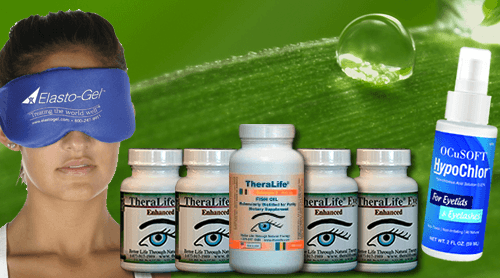


TheraLife is committed to providing effective oral eye treatment care, being the only company to offer such a solution. Their unique approach helps alleviate conditions such as blepharitis, dry eyes, and other eye-related issues that often cause discomfort and complications. TheraLife‘s products harness natural ingredients to promote healing and reduce inflammation, offering a comprehensive treatment that targets the root causes of eye problems.
While chilled cucumber slices can provide temporary relief from mild eye swelling due to their high water content and soothing properties, TheraLife’s products go further by addressing underlying conditions with scientifically formulated solutions. Persistent and painful symptoms should be professionally assessed, and TheraLife can be a valuable part of that care plan.
Explore the benefits of TheraLife’s oral eye treatment products to find lasting relief and enhance your eye health naturally. For more information, consider visiting TheraLife’s website, where various resources and product details are available to support your journey to healthier eyes.
Best Oral Dry Eyes Treatment That Works .
Add To Cart
Key Takeaways – Eye Swelling
- Chilled cucumber slices constrict blood vessels, temporarily reducing fluid accumulation and swelling around the eyes.
- Cucumbers are high in water content, providing hydration that helps decrease puffiness naturally.
- Bioactive compounds like vitamin C and caffeic acid in cucumbers have mild anti-inflammatory effects, reducing irritation and swelling.
- Applying cucumber slices delivers a gentle cooling sensation, soothing the skin and minimizing discomfort from eye swelling.
- Using fresh, clean cucumber slices minimizes risk of contamination and maximizes their natural soothing properties for eye care.
Understanding Eye Swelling and Its Causes
Although eye swelling often appears suddenly, it usually signals underlying inflammation or fluid accumulation in the delicate tissues around the eye. You might notice symptoms of puffiness such as periorbital edema, redness, or a sensation of heaviness.
The causes of eye swelling are diverse, ranging from allergic reactions, infections like conjunctivitis, and trauma, to more chronic conditions such as blepharitis or thyroid eye disease. Even lifestyle factors—like excessive salt intake, crying, or sleep deprivation—can contribute.
It’s essential to assess the severity and duration of your symptoms. If you develop pain, vision changes, or persistent swelling, seek medical evaluation promptly.
While mild puffiness can often be managed conservatively, always monitor for signs that require professional attention to avoid complications. Regular eyelid hygiene is crucial to minimize symptom recurrence and manage conditions like blepharitis effectively.
Key Nutrients in Cucumbers That Soothe the Eyes
Cucumber slices deliver several bioactive compounds and nutrients that may help alleviate mild periorbital swelling. When you use cucumbers for eye care, you’re taking advantage of their ascorbic acid (vitamin C) and caffeic acid content. Both have been observed to reduce water retention and provide antioxidant effects, potentially supporting delicate periorbital skin. Additionally, cucumbers offer hydration due to their high water content, which may help maintain skin turgor and reduce the appearance of puffiness. Flavonoids and tannins present in cucumbers possess anti-inflammatory properties, possibly minimizing irritation around the eyes. While research is limited and results can vary, these cucumber benefits demonstrate why this natural remedy remains popular. Remember, if you have persistent swelling or irritation, consult a healthcare professional before relying solely on home-based eye care approaches. A similar effect on reducing environmental irritants could be seen with proper eye care routines, which aid in managing eye dryness and discomfort.
The Cooling Effect: How Temperature Reduces Puffiness in Eye Swelling
When you place chilled slices on the eyelids, the reduced temperature induces local vasoconstriction, which can temporarily decrease blood flow and limit fluid accumulation in the periorbital tissues. This cooling mechanism is a form of temperature regulation that can help reduce puffiness by constricting superficial blood vessels and minimizing edema. Clinical studies suggest that topical cold applications, such as chilled cucumber slices, may offer a non-invasive method to address mild periocular swelling. However, you should note that these effects are temporary and may not replace medical treatments for underlying conditions. Environmental factors like high humidity regions are generally beneficial for individuals with dry eyes. Cooling mechanisms trigger vasoconstriction, reducing local blood flow. Lowered tissue temperature may slow metabolic activity and fluid leakage. Evidence supports cold compresses for swelling; cucumbers may offer similar temperature regulation benefits.
Antioxidant Properties of Cucumbers and Inflammation Control
You’ll find that cucumber slices contain vitamin C, a nutrient recognized for its antioxidant activity against free radicals. Evidence suggests antioxidants may help reduce oxidative stress and contribute to managing inflammation, which can play a role in soothing mild eye irritation. While cucumber slices can provide temporary relief, it’s essential to address underlying conditions such as dry eye syndrome, which requires a comprehensive approach for long-term management. However, it’s important to note that while topical application may offer some benefit, current clinical data supporting significant anti-inflammatory effects in this scenario is limited.
Richness in Vitamin C
Vitamin C often receives attention for its antioxidant effects and potential to reduce inflammation, but cucumbers contain only minimal amounts of this nutrient. When you apply cucumber slices to your eyes, you shouldn’t expect a significant boost in Vitamin C that would directly influence eye health or swelling. Evidence indicates that while Vitamin C is essential for ocular health and immune function, cucumbers aren’t a substantial source. Consequently, if your goal is to leverage Vitamin C’s established role in inflammation control, dietary sources or topical formulations with higher concentrations are preferable. Chronic dry eyes can exacerbate symptoms like swelling and discomfort, making it important to address underlying issues effectively. Cucumbers provide hydration and a cooling effect, rather than notable Vitamin C supplementation. Clinical studies don’t support cucumbers as a primary source of Vitamin C for eye health. For antioxidant benefits, prioritize evidence-based Vitamin C-rich foods or products.
Combatting Free Radicals In Eye Swelling
Although cucumbers contain some antioxidant compounds, such as flavonoids and tannins, current clinical evidence doesn’t support their topical use as an effective means to combat free radicals or meaningfully reduce inflammation around the eyes.
When you apply cucumber slices to the skin, their antioxidant content isn’t proven to penetrate deeply or neutralize oxidative stress in underlying tissues. While laboratory studies indicate potential for antioxidants to counteract free radicals, these findings primarily relate to dietary intake rather than direct topical application.
For those dealing with chronic dry eye conditions, Omega-3 Fish Oil Benefits may offer a more substantiated means of managing symptoms through its anti-inflammatory properties and support for tear health.
If you’re concerned about oxidative stress contributing to periorbital swelling or inflammation, it’s prudent to take into account evidence-based interventions. At present, using cucumbers for this purpose remains unsupported by rigorous clinical trials.
Always consult with a healthcare professional before relying on home remedies for inflammation control.
Soothing Eye Irritation
While antioxidant properties of cucumbers have received attention, their ability to soothe eye irritation through topical application lacks robust scientific support. If you’re considering natural remedies for eye care, it’s important to understand the current evidence.
Cucumber slices contain antioxidants like vitamin C and caffeic acid, which theoretically may help mitigate oxidative stress. However, clinical studies demonstrating their efficacy in reducing ocular inflammation or irritation are limited.
- Potential for soothing effects comes primarily from the cooling sensation, not direct anti-inflammatory action.
- Risks of irritation or contamination exist if slices aren’t clean or if you have sensitive skin.
- Consult an ophthalmologist before trying home remedies, especially if you experience persistent redness or swelling.
For persistent dry eyes, TheraLife Eye Enhanced Capsules are recommended as they are clinically shown to stimulate tear secretion glands for natural tear production.
Prioritize evidence-based practices in your eye care routine for best safety and effectiveness.
Step-by-Step Guide to Using Cucumber Slices for Eye Relief
To optimize potential soothing effects, you’ll want to start by preparing fresh, chilled cucumber slices.
Place them gently over closed eyelids, ensuring direct contact with the periocular skin.
While some individuals report transient symptom relief, clinical evidence for efficacy remains limited, so use this method as a complementary approach rather than a primary treatment.
For those experiencing chronic dry eyes, incorporating a hot compress into your routine may provide additional relief.
Preparing Fresh Cucumber Slices
Even if cucumber slices are widely promoted for eye swelling, clinical research doesn’t support their effectiveness in reducing periorbital edema.
If you still wish to try this home remedy, start by confirming proper cucumber selection and preparation. Choose firm, fresh cucumbers—preferably organic—to avoid pesticide exposure. Wash the cucumber thoroughly under running water, then dry it with a clean towel.
For best contact and cooling, slice the cucumber into rounds about 1/4 inch thick. Uniform slice thickness guarantees consistent temperature and surface area application.
- Select cucumbers that are fresh, unwrinkled, and free from blemishes to minimize contamination risks.
- Aim for slices of equal thickness (approximately 1/4 inch) to promote even cooling and adherence.
- Store sliced cucumbers in the refrigerator before use for enhanced cooling effects.
To maximize benefits, consider complementing cucumber slices with warm compresses 2-3 times daily to improve eye circulation and overall relief.
Applying Slices Effectively For Eye Swelling
Although cucumber slices are a popular choice for managing under-eye swelling, current clinical evidence doesn’t validate their efficacy in reducing periorbital edema.
If you still wish to try this method, consider evidence-based application techniques. Begin by selecting fresh cucumbers and cutting them into slices approximately 0.5 to 1 centimeter thick—this slice thickness helps maintain adequate surface area and moisture during application.
Chill the slices in a refrigerator for about 10-15 minutes, as cool temperature may provide a soothing effect. Place one slice over each closed eyelid and leave them in place for 10-15 minutes. Remove and discard the slices after use.
While these steps guarantee ideal application, remember that results are anecdotal, and you should consult a clinician for persistent eye swelling. For those with chronic dry eye syndrome, other treatments like artificial tears might be more suitable for providing relief.
Comparing Cucumber Slices With Other Natural Remedies
While cucumber slices are a popular household remedy for periorbital swelling, clinicians often weigh their efficacy against other natural treatments such as cold compresses, chamomile tea bags, or aloe vera gel.
You’ll find cucumber benefits include mild astringent properties and a cooling effect, both of which may help constrict superficial blood vessels and temporarily reduce edema.
However, other natural alternatives also offer potential advantages:
- Cold compresses: Deliver consistent vasoconstriction, which can effectively diminish swelling.
- Chamomile tea bags: Contain anti-inflammatory phytochemicals that may soothe irritation and reduce puffiness.
- Aloe vera gel: Offers hydration and anti-inflammatory compounds, supporting skin barrier repair.
Current evidence suggests all these natural remedies may provide transient relief.
It’s prudent to select approaches tailored to your skin sensitivity and the underlying etiology of swelling.
Tips for Maximizing the Benefits of Cucumber Treatments
To optimize the effects of cucumber slices for periorbital swelling, guarantee you chill the slices in the refrigerator before application, as cooler temperatures can enhance vasoconstriction and reduce edema more effectively.
Choose fresh cucumber varieties—such as English or Persian cucumbers—since they contain higher water content and fewer seeds, improving comfort and adherence to the periorbital area.
For effective application techniques, cut uniform, thin slices to maximize surface contact and cooling. Apply the slices to closed eyelids for 10–15 minutes, ensuring you don’t exceed this time to reduce risk of irritation.
Always use clean utensils and wash cucumbers thoroughly to avoid introducing contaminants. If you notice any adverse reactions, discontinue use and consult a healthcare professional before resuming cucumber treatments.
Best Oral Dry Eyes Treatment That Works .
Add To Cart
Frequently Asked Questions For Eye Swelling
Can Cucumber Slices Help With Dark Circles as Well as Swelling?
You might consider cucumber slices as a natural remedy for dark circles as well as swelling, but evidence supporting their effectiveness is limited.
Cucumber’s cool temperature and antioxidant content may temporarily reduce puffiness and cause mild vasoconstriction, which could make dark circles appear lighter.
However, dark circles often result from genetics, hyperpigmentation, or vascular issues, so cucumbers aren’t a definitive solution.
Consult a healthcare professional for persistent dark circles or swelling.
Are There Any Risks or Allergies From Using Cucumbers on the Skin?
Imagine your skin as a sensitive canvas—sometimes, even natural remedies like cucumbers can cause unexpected reactions.
You could experience cucumber allergies, including redness, itching, or hives, especially if you have a history of sensitivities to melons or ragweed.
Skin irritation is rare but possible. It’s wise to perform a patch test before full application.
If you notice discomfort or allergic symptoms, discontinue use and consult a healthcare professional for guidance.
How Often Should I Use Cucumber Slices on My Eyes?
For best cucumber benefits in your eye care routine, you should apply cucumber slices to your eyes no more than once daily, ideally for 10–15 minutes.
Clinical evidence suggests this frequency helps minimize swelling without overexposing sensitive periocular skin. Always use fresh, clean slices to reduce contamination risk.
Monitor for any irritation or allergic reactions, and discontinue use if symptoms occur. Consult a dermatologist for personalized recommendations, especially if you have pre-existing skin conditions.
Do Organic Cucumbers Work Better Than Regular Ones for Eye Treatments?
You’re wondering if organic cucumbers work better than regular ones for eye treatments.
Current clinical evidence doesn’t show a significant difference in efficacy between organic and conventional cucumber varieties for topical use. Organic benefits mainly relate to reduced pesticide exposure, which could be preferable if you have sensitive skin.
However, both types provide similar hydration and cooling effects. Always wash cucumbers thoroughly before use and monitor for any skin reactions, regardless of variety.
Can I Reuse Cucumber Slices for Multiple Applications?
Think of cucumber slices like sponges—they soak up more than just your worries.
You shouldn’t reuse them for multiple applications, as this compromises slice freshness and may introduce bacteria, even with proper cucumber storage.
Clinical recommendations suggest using a fresh slice each time to maintain hygiene and efficacy.
Reusing can increase risk of irritation or infection, so it’s safest to reach for a new, chilled slice each session for best results.
Best Oral Dry Eyes Treatment That Works .
Add To Cart
Conclusion For Eye Swelling
Theralife’s products provide unique oral eye treatment care, offering significant benefits to those dealing with various eye conditions. As the only company specializing in oral solutions for eye health, Theralife stands out by providing an effective approach to treating issues like dry eyes, blepharitis, and uveitis. By integrating natural healing processes and scientifically-backed ingredients, Theralife’s products target the root causes of eye discomfort, promoting overall ocular health and comfort.
While natural remedies like cucumber slices can offer temporary relief for mild eye swelling, Theralife emphasizes the importance of comprehensive care, including proper sleep and professional medical advice when necessary. Their oral treatment solutions are designed to complement these efforts, ensuring long-lasting comfort and health for your eyes. Trust Theralife to be your partner in achieving optimal eye health through their innovative and exclusive oral treatment options.
REFERENCES
- Greaves M W, Salvoe R A. ABC of allergies: allergy and the skin. I–Urticaria. BMJ. 1998;316:1147–1150. doi: 10.1136/bmj.316.7138.1147. [DOI] [PMC free article] [PubMed] [Google Scholar]
- Stone D U, Chodosh J. Ocular rosacea: an update on pathogenesis and therapy. Curr Opin Ophthalmol. 2004;15:499–502. [PubMed] [Google Scholar]
- Diaz C, O’Callaghan C J, Khan A, Ilchyshyn A. Rosacea: a cutaneous marker of Helicobacter pylori infection? Acta Derm Venereol. 2003;83:282–286. doi: 10.1080/00015550310016544. [DOI] [PubMed] [Google Scholar]
- Millikan L E. Rosacea as an inflammatory disorder: a unifying theory? Cutis. 2004;73(suppl 1):5–8. [PubMed] [Google Scholar]
- Dahl M V, Ross A J, Schlievert P M. Temperature regulates bacterial protein production: possible role in rosacea. J Am Acad Dermatol. 2004;50:266–272. doi: 10.1016/j.jaad.2003.05.005. [DOI] [PubMed] [Google Scholar]
- Dahl M V. Rosacea subtypes: a treatment algorithm. Cutis. 2004;74(3 Suppl):21–27. 32–34. [PubMed] [Google Scholar]
- Cockerham K P, Hidayat A A, Cockerham G C, et al. Melkersson-Rosenthal syndrome: new clinicopathologic findings in 4 cases. Arch Ophthalmol. 2000;118:227–232. doi: 10.1001/archopht.118.2.227. [DOI] [PubMed] [Google Scholar]
- Shapiro M, Peters S, Spinelli H M. Melkersson-Rosenthal syndrome in the periocular area: a review of the literature and case report. Ann Plast Surg. 2003;50:644–648. doi: 10.1097/01.SAP.0000069068.03742.48. [DOI] [PubMed] [Google Scholar]
- Dozsa A, Karolyi Z S, Degrell P. Bilateral blepharochalasis. J Eur Acad Dermatol Venereol. 2005;19:725–728. doi: 10.1111/j.1468-3083.2005.01252.x. [DOI] [PubMed] [Google Scholar]
- Burroughs J R, Patrinely J R, Nugent J S, et al. Cold urticaria: an under recognized cause of postsurgical periorbital swelling. Ophthal Plast Reconstr Surg. 2005;21:327–330. doi: 10.1097/01.iop.0000176272.40058.4f. [DOI] [PubMed] [Google Scholar]
- Soparkar C S, Patrinely J R. Palpebral surgical approaches for orbital fracture repair. Semin Plast Surg. 2002;16:273–282. [Google Scholar]