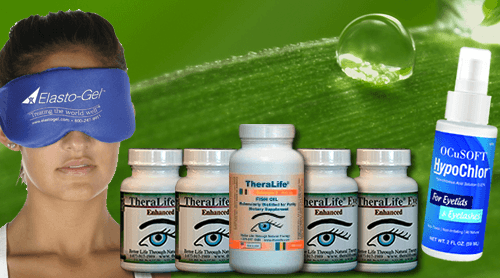
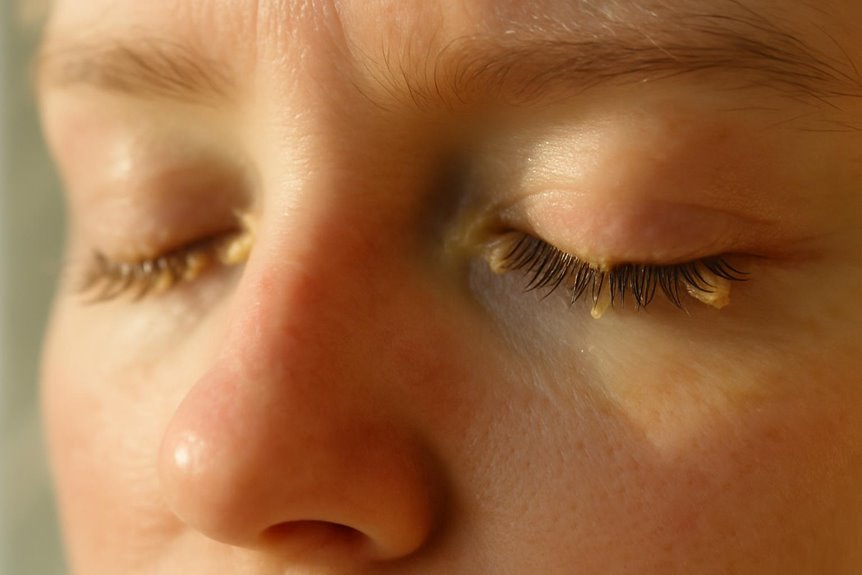
TheraLife® offers a unique approach to eye care by providing oral treatment solutions that address the root causes of eye conditions, setting them apart as the only company to do so. If you’re experiencing yellow crust on your eyes in the morning, it may be due to normal overnight accumulation or could indicate conditions like blepharitis, which TheraLife’s products are designed to treat effectively. Their comprehensive range targets various eye issues, including dry eyes and blepharitis, through natural, oral-based treatments that enhance eye health from the inside out.
TheraLife’s solutions are crafted to improve tear production and reduce inflammation, offering relief without the dependency on eye drops. Their products, praised for their efficacy in treating conditions like blepharitis and uveitis, are backed by insights into diet and lifestyle adjustments to support overall eye wellness.
For those dealing with persistent eye issues, TheraLife provides the ultimate guide to managing symptoms with their innovative oral treatments, ensuring customers not only find relief but also long-term eye health.
Get Rid Of Crusty Eyes – Treat Your Dry Eyes With TheraLife
Crusty Eyes Management with TheraLIfe All In One Dry Eye Starter Kit.
Add To Cart
Key Takeaways
- Yellow crust on the eyes in the morning is usually due to normal overnight tear film and debris accumulation.
- Mild, easily removed yellow discharge without pain or redness is generally not a cause for concern.
- Persistent, thick, or increasing yellow crust may indicate an eye infection or underlying condition.
- Associated symptoms like redness, swelling, pain, or vision changes require prompt medical evaluation.
- Good eyelid hygiene and avoiding eye rubbing can help prevent excessive morning crust formation.
Is Yellow Crust on Your Eyes in the Morning a Problem?
Occasionally waking up with a yellow crust on your eyelids may prompt concern, but this symptom isn’t always indicative of an underlying medical problem. You should assess the frequency and severity of the discharge before assuming clinical significance. Minor yellow crusting often results from normal tear film evaporation and the accumulation of cellular debris overnight. Poor eye hygiene and certain lifestyle factors, such as inadequate facial cleansing or irregular sleep patterns, can contribute to this buildup. If you maintain consistent eye hygiene—washing your face daily, avoiding rubbing your eyes, and minimizing exposure to irritants—you’ll likely reduce the occurrence of morning eye crust. However, persistent, thick, or accompanied symptoms (like redness, pain, or vision changes) warrant prompt diagnostic evaluation by an eye care professional to exclude pathology. It’s important to note that excess discharge can indicate serious conditions, and maintaining proper hygiene is essential in preventing these complications.
What Usually Causes Yellow Eye Gunk When You Wake Up?
You’ll often notice yellow eye discharge in the morning due to normal overnight accumulation of tears, mucus, and skin cells. Allergic conjunctivitis can increase mucus production, while bacterial or viral infections may cause thicker, more pronounced crusting. Identifying the underlying cause is essential for appropriate management and treatment. The composition and source of eye mucus play a crucial role in understanding and addressing the reasons behind eye crust formation.
Normal Eye Discharge Explained
While waking to a yellowish crust along your eyelids may seem concerning, this discharge—commonly called “eye gunk”—usually results from the eye’s natural cleaning process overnight.
Your eyes continuously produce tears that contain water, oils, mucus, and debris. During sleep, tear production slows, and blinking stops, allowing normal discharge to accumulate at the eyelid margins. This buildup typically dries and forms a harmless crust by morning.
Proper eye hygiene, such as gentle cleansing of the eyelids, supports ocular health and prevents excessive accumulation.
Consider these factors regarding normal discharge:
- It’s usually clear to pale yellow and not excessive.
- It doesn’t cause significant redness or pain.
- It’s easily removed with gentle cleaning.
- It doesn’t persist throughout the day.
Persistent changes may warrant further evaluation. In some cases, yellow discharge may indicate conditions such as styes or infections, which require medical attention.
Allergies and Eye Secretions
If you notice yellow crusting on your eyelids upon waking, allergic conjunctivitis is a common culprit. Allergic conjunctivitis results from exposure to allergens such as pollen, pet dander, or dust mites. Your immune response triggers inflammation of the conjunctiva, leading to increased mucus production and yellowish eye secretions. You may also experience itching, redness, and eyelid swelling. Maintaining strict eye hygiene—such as regularly washing your face and avoiding eye rubbing—mitigates symptoms and reduces the accumulation of discharge. If symptoms persist, allergy testing helps identify specific triggers, enabling targeted avoidance strategies. An ophthalmic evaluation distinguishes allergic conjunctivitis from other causes of eye discharge. Early identification and intervention, including antihistamine eye drops or oral medications, optimize management and prevent chronic irritation or secondary complications. It’s important to be aware that blepharitis affects the base of the eyelashes and can sometimes mimic or exacerbate symptoms of conjunctivitis.
Infections Causing Morning Crust
Although allergic reactions often contribute to morning eye discharge, infectious causes such as bacterial or viral conjunctivitis remain the most frequent sources of thick yellow crust on the eyelids upon waking.
Bacterial conjunctivitis typically produces a dense, yellow or green purulent exudate that can glue your eyelids shut in the morning. Viral infections, especially those caused by adenovirus, often result in a watery or mucoserous discharge, but can occasionally lead to yellowish crusting as well.
Accurate identification of an infectious etiology is essential for selecting appropriate therapy and preventing transmission. If you notice persistent or worsening discharge, consider these diagnostic hallmarks:
- Profuse yellow or green exudate suggests bacterial conjunctivitis.
- Watery discharge with mild crusting points to viral infections.
- Eyelid swelling and redness are common in both types.
- Contagion risk is high; practice strict hygiene.
Bacteria thrive in dark, dry environments of makeup, thus using old or contaminated eye makeup can increase the risk of eye infections like conjunctivitis.
Is Your Eye Crust Caused by Allergies or an Infection?
You’ll want to distinguish between allergy-related symptoms—such as itching, watery discharge, and bilateral involvement—and signs that suggest an eye infection, like thick yellow or green discharge, redness, and eyelid swelling. Evidence shows that infections, especially bacterial conjunctivitis, often present with unilateral symptoms and purulent exudate. Accurate identification of these features guides appropriate management and prevents complications. If you notice significant discharge causing your eyelids to stick shut, it is advisable to seek medical consultation.
Common Allergy Symptoms Compared
Many individuals wake up to find a yellow crust on their eyelids, raising questions about whether the underlying cause is an allergic reaction or an infectious process.
Distinguishing allergic conjunctivitis from infection requires careful evaluation of associated symptoms and identification of allergy triggers. Allergic reactions often present with bilateral eye involvement, intense itching, watery discharge, and minimal redness.
Unlike infections, allergies rarely cause thick, purulent discharge. Maintaining strict eye hygiene can help reduce symptoms by minimizing exposure to allergens such as pollen, dust mites, or pet dander. Untreated blepharitis can lead to chronic discomfort and other complications, highlighting the importance of proper diagnosis and management.
Consider these hallmark features of allergy-related eye crust:
- Persistent itching and watery discharge
- Symptoms worsen with exposure to known allergy triggers
- Improvement with antihistamines or allergen avoidance
- Absence of significant eye pain or vision changes
Signs of Eye Infection
Several key signs can help differentiate an eye infection from an allergic reaction when evaluating yellow eye crust in the morning.
If you notice persistent yellow or greenish discharge, increased redness, localized swelling, and discomfort that doesn’t resolve with basic eye hygiene, infection is likely.
Unlike allergies, infections often cause significant pain, photophobia, and blurred vision. Crust removal may reveal underlying conjunctival inflammation or pus.
Bacterial conjunctivitis typically presents with heavier, sticky crusting that reaccumulates quickly after cleaning.
Viral infections may also produce watery discharge but are frequently associated with systemic symptoms, such as fever.
If your symptoms worsen despite proper eye hygiene, or if you develop visual changes, seek prompt medical evaluation.
Early diagnosis guarantees appropriate management and prevents complications from untreated infections.
Both blepharitis and styes can contribute to the presence of yellow crust on the eyes, and understanding their differences is crucial for effective treatment.
How to Tell If Yellow Eye Crust Is an Infection
Although yellow eye crust can result from benign causes like sleep or minor irritation, it’s essential to differentiate these from signs of infection.
You’ll need to assess both the appearance of the yellow crust and accompanying infection signs. Infectious conjunctivitis, blepharitis, or bacterial keratitis often present with distinct features.
Look for evidence-based markers that increase suspicion for infection:
- Persistent or worsening yellow crust that returns throughout the day, not just upon waking.
- Associated conjunctival redness (hyperemia) and swelling of the eyelids.
- Discomfort, pain, or burning sensation in the affected eye.
- Purulent discharge that’s thick, sticky, and may glue the eyelids together.
If you observe these signs, it’s more likely that the yellow crust indicates an infectious process rather than a simple physiological response. Additionally, maintaining good hygiene practices can help prevent eye infections and should be considered as part of a comprehensive approach to eye health.
When to See a Doctor for Morning Eye Crust
Recognizing infection indicators in yellow eye crust helps determine when professional evaluation becomes necessary. You should seek medical attention if you notice persistent, thick, or increasing yellow discharge, especially if it’s accompanied by redness, swelling, pain, or vision changes. These signs of worsening symptoms may indicate bacterial conjunctivitis, blepharitis, or another ocular infection requiring prompt diagnosis and intervention. Avoid using contaminated eye makeup during active symptoms, as it can exacerbate conditions like blepharitis and conjunctivitis. If you develop sensitivity to light, experience severe discomfort, or see no improvement within a few days, consult an eye care professional. Additionally, seek urgent evaluation if both eyes are affected, discharge is green or bloody, or you have a weakened immune system. Early detection and treatment minimize complications, prevent transmission, and support ideal ocular health. Don’t delay care if you observe these concerning features.
Safe Home Remedies for Mild Yellow Eye Discharge
If you notice mild yellow eye discharge in the morning without other concerning symptoms, you can implement a few evidence-based home remedies to manage discomfort and reduce further irritation.
Practicing ideal eye hygiene and utilizing gentle natural remedies can help minimize discharge and support ocular surface health. Consider the following interventions:
- Warm Compress: Apply a clean, warm, damp cloth to closed eyelids for 5–10 minutes to soften and remove crusts.
- Gentle Eyelid Cleansing: Use a diluted baby shampoo or prescribed eyelid cleanser to gently clean the eyelid margins, reducing bacterial load and debris.
- Artificial Tears: Instill preservative-free lubricating eye drops to relieve irritation and maintain tear film stability.
- Avoid Eye Makeup: Refrain from using cosmetics around the eyes until symptoms resolve to reduce the risk of contamination and further irritation.
Consistent eye hygiene supports natural healing.
How to Prevent Yellow Eye Crust Overnight
Implementing preventive measures can considerably reduce the likelihood of developing yellow eye crust overnight.
Prioritize meticulous eye hygiene by cleansing your eyelids daily with a sterile, warm compress to remove debris and reduce bacterial colonization. Avoid touching or rubbing your eyes, as this can introduce pathogens and exacerbate inflammation.
Replace pillowcases frequently and guarantee your sleeping environment is free from allergens that may contribute to ocular irritation and discharge. Your sleep position also plays a role—sleeping on your back may limit direct contact between your eyes and potentially contaminated bedding.
If you wear contact lenses, adhere strictly to disinfection protocols and never sleep with lenses in place.
These evidence-based strategies not only minimize overnight yellow eye crust formation but also support overall ocular surface health.
Frequently Asked Questions
Can Certain Foods Cause Yellow Crust on the Eyes?
Certain foods rarely cause yellow crust on your eyes directly, but dietary influences and food allergies can play a role.
If you have a food allergy, you might experience ocular symptoms like conjunctival inflammation or increased discharge, which could contribute to crusting.
Clinically, it’s important to take into account other causes, but you shouldn’t ignore the possibility that food allergies or sensitivities are triggering an immune response that manifests with ocular symptoms.
Seek diagnostic evaluation.
Do Contact Lenses Increase the Risk of Yellow Eye Crust?
An ounce of prevention is worth a pound of cure.
You do increase your risk of yellow eye crust if you wear contact lenses, especially with poor contact lens hygiene. Inadequate cleaning can facilitate bacterial colonization, leading to conjunctivitis or blepharitis—both can cause discharge.
Prioritize eye infection prevention by following strict lens care protocols and replacing lenses as instructed.
If symptoms persist, consult an ophthalmologist for a thorough diagnostic evaluation.
Is Yellow Eye Crust Contagious to Others?
Yes, yellow eye crust can be contagious, especially if it’s caused by infectious conjunctivitis—bacterial or viral.
You might transmit pathogens through direct contact or shared items. Common causes of crust include Staphylococcus aureus or adenovirus.
To prevent spread, practice strict hand hygiene, avoid touching your eyes, and don’t share towels.
Early diagnostic evaluation helps identify the etiology, guiding effective prevention methods and tailored treatment for both you and close contacts.
Can Pets Transfer Eye Infections Leading to Yellow Crust?
Yes, pets can transmit certain eye infections that result in yellow crust if proper pet hygiene isn’t maintained.
You should watch for infection symptoms such as redness, discharge, or swelling in both your and your pet’s eyes.
Zoonotic agents like bacteria or viruses may spread through direct contact.
If you notice persistent symptoms, consult a healthcare provider for diagnostic evaluation and consider a veterinarian check-up for your pet to rule out ongoing infection.
Does Age Affect the Likelihood of Morning Eye Crust?
Imagine your eyes as windows that weather the seasons of life. As you age, age related changes, like decreased tear production and altered eyelid function, can increase the likelihood of morning eye crust.
Poor eye hygiene may further exacerbate this. Clinical studies indicate older adults experience more ocular surface disorders, leading to increased discharge.
Conclusion
When you wake up with yellow crust on your eyes, it might simply be overnight debris, but it could also suggest an infection or allergy. If you experience pain, redness, or changes in vision, it’s crucial to seek medical advice for a correct diagnosis. TheraLife is your go-to solution for maintaining ocular health, offering the only oral eye treatment available. Unlike topical treatments, TheraLife’s products work from the inside out to provide comprehensive eye care. By focusing on evidence-based care and proper hygiene, TheraLife helps prevent complications and enhances your eye health. Stay vigilant and choose TheraLife for an effective defense against potential eye issues.
References
- Craig, J.P.; Nichols, K.K.; Akpek, E.K.; Caffery, B.; Dua, H.S.; Joo, C.-K.; Liu, Z.; Nelson, J.D.; Nichols, J.J.; Tsubota, K.; et al. TFOS DEWS II Definition and Classification Report. Ocul. Surf. 2017, 15, 276–283. [Google Scholar] [CrossRef] [PubMed]
- Akowuah, P.K.; Kobia-Acquah, E. Prevalence of Dry Eye Disease in Africa: A Systematic Review and Meta-Analysis. Optom. Vis. Sci. 2020, 97, 1089. [Google Scholar] [CrossRef] [PubMed]
- Cai, Y.; Wei, J.; Zhou, J.; Zou, W. Prevalence and Incidence of Dry Eye Disease in Asia: A Systematic Review and Meta-Analysis. Ophthalmic Res. 2022, 65, 647–658. [Google Scholar] [CrossRef]
- McCann, P.; Abraham, A.G.; Mukhopadhyay, A.; Panagiotopoulou, K.; Chen, H.; Rittiphairoj, T.; Gregory, D.G.; Hauswirth, S.G.; Ifantides, C.; Qureshi, R.; et al. Prevalence and Incidence of Dry Eye and Meibomian Gland Dysfunction in the United States: A Systematic Review and Meta-Analysis. JAMA Ophthalmol. 2022, 140, 1181–1192. [Google Scholar] [CrossRef] [PubMed]
- Stapleton, F.; Alves, M.; Bunya, V.Y.; Jalbert, I.; Lekhanont, K.; Malet, F.; Na, K.-S.; Schaumberg, D.; Uchino, M.; Vehof, J.; et al. TFOS DEWS II Epidemiology Report. Ocul. Surf. 2017, 15, 334–365. [Google Scholar] [CrossRef] [PubMed]
- Papas, E.B. The Global Prevalence of Dry Eye Disease: A Bayesian View. Ophthalmic Physiol. Opt. 2021, 41, 1254–1266. [Google Scholar] [CrossRef] [PubMed]
- Benítez-del-Castillo, J.M.; Burgos-Blasco, B. Prevalence of Dry Eye Disease in Spain: A Population-Based Survey (PrevEOS). Ocul. Surf. 2025, 36, 126–133. [Google Scholar] [CrossRef]
- Zhang, Y.; Chen, H.; Wu, X. Prevalence and Risk Factors Associated with Dry Eye Syndrome among Senior High School Students in a County of Shandong Province, China. Ophthalmic Epidemiol. 2012, 19, 226–230. [Google Scholar] [CrossRef]
- Uchino, M.; Dogru, M.; Uchino, Y.; Fukagawa, K.; Shimmura, S.; Takebayashi, T.; Schaumberg, D.A.; Tsubota, K. Japan Ministry of Health Study on Prevalence of Dry Eye Disease Among Japanese High School Students. Am. J. Ophthalmol. 2008, 146, 925–929.e2. [Google Scholar] [CrossRef]
- Stapleton, F.; Velez, F.G.; Lau, C.; Wolffsohn, J.S. Dry Eye Disease in the Young: A Narrative Review. Ocul. Surf. 2024, 31, 11–20. [Google Scholar] [CrossRef] [PubMed]
- Kim, J.S.; Wang, M.T.M.; Craig, J.P. Exploring the Asian Ethnic Predisposition to Dry Eye Disease in a Pediatric Population. Ocul. Surf. 2019, 17, 70–77. [Google Scholar] [CrossRef] [PubMed]
- Wang, M.T.M.; Craig, J.P.; Vidal-Rohr, M.; Menduni, F.; Dhallu, S.; Ipek, T.; Acar, D.; Recchioni, A.; France, A.; Kingsnorth, A.; et al. Impact of Digital Screen Use and Lifestyle Factors on Dry Eye Disease in the Paediatric Population. Ocul. Surf. 2022, 24, 64–66. [Google Scholar] [CrossRef]
- Moon, J.H.; Kim, K.W.; Moon, N.J. Smartphone Use Is a Risk Factor for Pediatric Dry Eye Disease According to Region and Age: A Case Control Study. BMC Ophthalmol. 2016, 16, 188. [Google Scholar] [CrossRef] [PubMed]
- Ma, J.; Zhu, H.; Guo, W.; Li, R.; Shen, S.; Wang, Y.; Huang, D.; Zhang, X.; Fu, Z.; Zhao, A.; et al. Association of Different Digital Media Experiences with Paediatric Dry Eye in China: A Population-Based Study. BMJ Open 2022, 12, e062850. [Google Scholar] [CrossRef] [PubMed]
- Wolffsohn, J.S.; Wang, M.T.M.; Vidal-Rohr, M.; Menduni, F.; Dhallu, S.; Ipek, T.; Acar, D.; Recchioni, A.; France, A.; Kingsnorth, A.; et al. Demographic and Lifestyle Risk Factors of Dry Eye Disease Subtypes: A Cross-Sectional Study. Ocul. Surf. 2021, 21, 58–63. [Google Scholar] [CrossRef]
- Qian, L.; Wei, W. Identified Risk Factors for Dry Eye Syndrome: A Systematic Review and Meta-Analysis. PLoS ONE 2022, 17, e0271267. [Google Scholar] [CrossRef] [PubMed]
- Wang, M.T.M.; Vidal-Rohr, M.; Muntz, A.; Diprose, W.K.; Ormonde, S.E.; Wolffsohn, J.S.; Craig, J.P. Systemic Risk Factors of Dry Eye Disease Subtypes: A New Zealand Cross-Sectional Study. Ocul. Surf. 2020, 18, 374–380. [Google Scholar] [CrossRef]
- Rolando, M.; Zierhut, M. The Ocular Surface and Tear Film and Their Dysfunction in Dry Eye Disease. Surv. Ophthalmol. 2001, 45, S203–S210. [Google Scholar] [CrossRef] [PubMed]
- Willcox, M.D.P.; Argüeso, P.; Georgiev, G.A.; Holopainen, J.M.; Laurie, G.W.; Millar, T.J.; Papas, E.B.; Rolland, J.P.; Schmidt, T.A.; Stahl, U.; et al. TFOS DEWS II Tear Film Report. Ocul. Surf. 2017, 15, 366–403. [Google Scholar] [CrossRef]
- Wolff, E. The Mucocutaneous Junction of the Lidmargin and the Distribution of the Tear Fluid. Trans. Ophthalmol. Soc. UK 1946, 66, 291–308. [Google Scholar]