If you find yourself waking up with crusty eyes, TheraLife offers a unique solution with its oral eye treatment care, the only one of its kind in the market. This condition often results from accumulated debris due to reduced blinking or tear film instability overnight. TheraLife’s products provide fast relief and long-term solutions by addressing the root causes, such as allergies, infections, or gland dysfunction, to prevent recurrence.
Using TheraLife’s comprehensive approach, which includes anti-inflammatory and soothing properties, you can maintain eye health and comfort. The company’s range of products not only alleviates symptoms but also supports overall eye wellness. If you experience persistent issues like redness, swelling, or discharge, considering TheraLife’s products can be a beneficial step before seeking further medical assessment. By incorporating these treatments, you can enjoy healthy eyes every morning and reduce the frequency of crusty eye occurrences.
Get Rid Of Crusty Eyes – Treat Your Root Causes With TheraLife
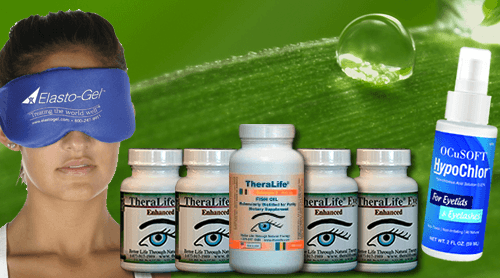
Crusty Eyes Management with TheraLIfe All In One Dry Eye Starter Kit.
Add To Cart
Key Takeaways
- Gently cleanse crusty eyelids with a warm, damp cloth or sterile saline to remove debris and soothe irritation.
- Avoid rubbing your eyes and always wash hands before touching the eye area to prevent further irritation or infection.
- Use preservative-free lubricating eye drops in the morning to restore moisture and reduce morning discharge.
- Maintain daily eyelid hygiene with hypoallergenic wipes and regular cleaning to prevent recurrence of crusty eyes.
- Seek medical attention if redness, swelling, pain, or discharge persists beyond 48 hours or worsens despite home care.
Why Do I Wake Up With a Crusty Eye?
Upon waking, you might notice a crusty residue at the corner of your eye. This accumulation, often termed “rheum,” is composed of mucus, epithelial cells, oil, and debris that collect overnight.
Suboptimal eye hygiene, such as not removing makeup or failing to cleanse the eyelids, increases the risk of this buildup. Your sleep position can also influence the degree of crust formation; sleeping on your side or face-down may impede tear drainage, causing secretions to pool and dry at the eyelid margin.
Additionally, reduced blinking during sleep leads to decreased spread of the tear film, exacerbating debris accumulation. Proper eye hygiene is crucial for mitigating crusty eyes and associated issues, helping to prevent irritation and potential infection.
Pathological causes, such as blepharitis or conjunctivitis, should be considered if you observe persistent or excessive discharge, especially with redness, irritation, or visual changes.
How Can I Get Fast Relief for Morning Crusty Eyes?
Wondering how to quickly alleviate morning eye crust? Start by practicing ideal eye hygiene.
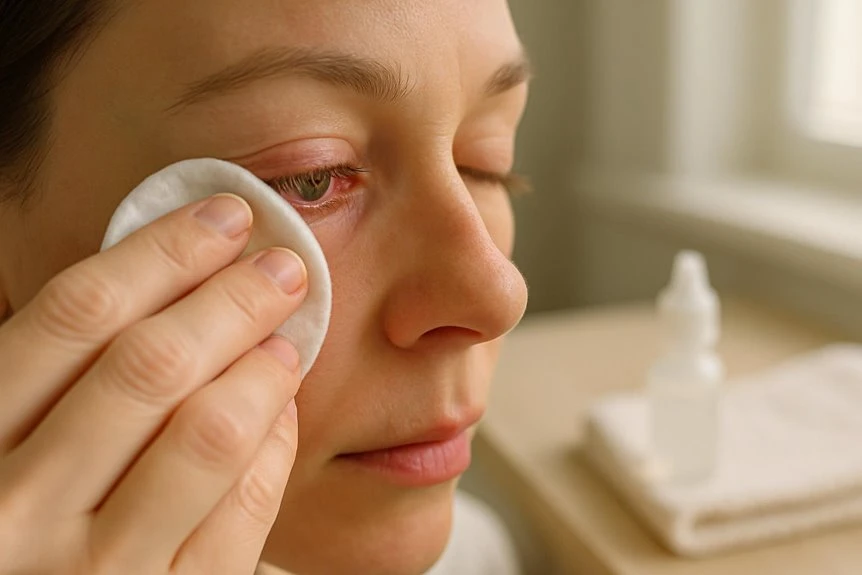
Use a sterile saline solution or warm compress to gently cleanse your eyelids, loosening debris and reducing discharge. Avoid rubbing your eyes, as this can exacerbate irritation and introduce pathogens.
Select a clean, lint-free cloth for eyelid cleaning, wiping from the inner to outer canthus. Assess your sleep environment for irritants—ensure bedding is clean, and consider using hypoallergenic pillowcases to minimize exposure to dust and allergens.
Maintain regular handwashing before touching your eyes. If you wear contact lenses, avoid inserting them until your eyes are clear of discharge.
These evidence-based steps rapidly reduce symptoms and help prevent recurrence, supporting both immediate relief and ocular health. If symptoms persist or worsen, consultation with an eye doctor is advised to rule out underlying conditions such as blepharitis or conjunctivitis.
What Are the Common Causes of Crusty Eyes (Including Allergies)?
You may notice crusting around your eyes due to allergic reactions, infectious agents like bacteria or viruses, or dysfunction of the tear glands. Clinical evidence shows that allergens and irritants often trigger conjunctival inflammation, while microbial pathogens can produce purulent discharge. Additionally, tear film instability or meibomian gland blockage frequently results in debris accumulation at the lid margins. In some cases, blocked tear ducts can lead to constant watery eyes, particularly in newborns, contributing to crusting.
Allergic Reactions and Irritants
Although crusty eyes can arise from multiple etiologies, allergic reactions and exposure to irritants are among the most prevalent causes.
You may notice allergy symptoms such as pruritus, conjunctival redness, and watery discharge upon waking. These symptoms often result from exposure to environmental allergen sources like pollen, dust mites, or pet dander, which trigger an inflammatory response in the conjunctiva.
Irritant sources, including smoke, strong fumes, or cosmetic products, can also cause conjunctival irritation, leading to mucous production and eyelid crusting. Accurately identifying the inciting agent is essential for targeted management.
When evaluating crusty eyes, consider your recent exposure history, seasonal patterns, and accompanying allergy symptoms. Early recognition of allergic or irritant sources allows for prompt intervention and reduces the risk of chronic ocular surface complications. Additionally, using protective eyewear outside can act as a barrier against wind, dust, and allergens, further reducing the likelihood of ocular discomfort.
Bacterial and Viral Infections
When microbial pathogens invade the ocular surface, bacterial and viral infections frequently induce crusting of the eyelids and lashes. You may notice thick, yellow-green discharge in bacterial conjunctivitis, often causing your eyelids to stick together upon waking. Viral conjunctivitis, typically linked to watery, clear exudate and pronounced redness, tends to spread rapidly—especially in communal environments. Both forms present a risk for secondary complications if left untreated.
Here’s how these infections commonly manifest:
| Symptom | Bacterial Conjunctivitis | Viral Conjunctivitis |
|---|---|---|
| Discharge Type | Thick, yellow-green | Watery, clear |
| Eyelid Adherence | Common | Less common |
| Redness/Injection | Moderate to severe | Severe |
Risk factors include poor eye hygiene, which can exacerbate the likelihood of developing bacterial or viral eye infections. Diagnostic differentiation is essential for effective management. If you suspect either, seek professional evaluation to confirm the etiology and initiate appropriate therapy.
Dry Eyes and Blocked Glands
While infections are frequent culprits, non-infectious etiologies such as evaporative dry eye and meibomian gland dysfunction also contribute greatly to crusty eyelids.
You may experience this when your meibomian glands—responsible for secreting oils into the tear film—become blocked, resulting in oil imbalance. This deficiency destabilizes the tear film, causing increased evaporation and ocular surface irritation.
A blocked tear duct can exacerbate symptoms by preventing normal tear drainage, leading to accumulation of debris and crusting along your eyelid margins.
Clinical evaluation typically reveals inspissated gland orifices, reduced tear break-up time, and possible conjunctival injection. Recognizing these signs is essential, as chronic oil imbalance and gland dysfunction can predispose you to recurrent blepharitis and persistent discomfort.
Targeted management focuses on restoring gland function and tear film stability.
Meibomian Gland Dysfunction (MGD) frequently coexists with other conditions, such as allergies, exacerbating symptoms.
Could My Crusty Eye Mean an Infection?
How can you determine if a crusty eye signals an infection? You’ll need to assess common symptoms and evaluate your eye hygiene practices.
Infectious conjunctivitis—commonly called “pink eye”—often presents with purulent discharge, redness, swelling, and irritation. If you notice thick yellow or green crust, it may point to a bacterial etiology. Viral infections, in contrast, usually produce watery discharge and are highly contagious. Consistent handwashing and avoiding eye rubbing are essential to prevent spread.
Be alert for these diagnostic indicators:
- Persistent redness and swelling that doesn’t resolve with improved eye hygiene
- Marked increase in discharge (purulent or mucopurulent)
- Visual changes or pain accompanying the crusting
If these symptoms develop or persist, consult an ophthalmologist promptly for evaluation and targeted management. Remember that significant discharge causing eyelids to stick shut warrants medical consultation.
Which At-Home Remedies Help With Crusty Eyes?
Curious about effective at-home interventions for crusty eyes? Evidence suggests that natural treatments can alleviate mild symptoms and improve ocular comfort.
You can start by applying soothing compresses—use a clean, warm, damp cloth over closed eyelids for five to ten minutes. This technique softens crusts and facilitates their removal while promoting meibomian gland function. Verify the cloth is freshly laundered to minimize microbial contamination.
Gentle eyelid hygiene is also key; use a diluted baby shampoo or a commercial eyelid cleanser on a cotton pad, then rinse thoroughly. Avoid rubbing, as this may exacerbate irritation.
While these interventions provide symptomatic relief and support normal tear film dynamics, monitor for persistent redness, pain, or discharge, which may signal the need for clinical assessment or prescription therapy. For more comprehensive care, consider using TheraLife Eye Capsules to enhance tear production and support long-term eye health.
Morning Habits to Prevent Crusty Eyes
Although crusty eyes often develop overnight due to tear film evaporation and debris accumulation, specific morning routines can reduce their occurrence.
Integrating evidence-based habits into your eye care regimen supports ocular surface health and minimizes morning discharge. Begin by practicing ideal sleep hygiene, as inadequate rest may exacerbate ocular surface instability and increase debris buildup.
Upon waking, avoid rubbing your eyes; instead, perform gentle eyelid cleansing to remove residual secretions. Use a sterile saline solution or pre-moistened eyelid wipes to decrease bacterial and allergen load.
Consider the following strategies:
- Gently cleanse eyelids with a dedicated eye care wipe each morning.
- Maintain consistent sleep hygiene by ensuring adequate, regular sleep.
- Apply preservative-free lubricating eye drops after waking to restore tear film.
These habits promote ocular surface integrity and reduce crust formation. For persistent issues, consider using TheraLife Eye capsules to restore tear secretion for dry eye relief.
When Should I See a Doctor About My Crusty Eye?
You should seek medical evaluation if you notice persistent redness or swelling, as these may indicate underlying infection or inflammation. Vision changes or ocular pain are also concerning signs that require prompt assessment to rule out serious conditions. Timely diagnosis can help prevent complications and guide effective treatment. In addition, signs of infection such as severe redness, pain, and discharge from the eyelids should prompt urgent care to prevent further complications.
Persistent Redness And Swelling
Persistent redness and swelling in one or both eyes often signals an underlying infection, allergic reaction, or inflammatory process that requires prompt evaluation.
If you notice these symptoms alongside crusting, it’s important to take into account the risk of persistent irritation or chronic conditions such as blepharitis or conjunctivitis.
These signs may indicate that simple home remedies aren’t sufficient and that targeted clinical intervention is necessary.
Seek medical attention if you experience:
- Redness and swelling that persist beyond 48 hours despite basic hygiene measures
- Recurrent or worsening symptoms that suggest a chronic or unresolved underlying cause
- Associated discharge or crusting that doesn’t resolve with over-the-counter treatments
Early recognition and management are essential to prevent complications, minimize discomfort, and address any underlying etiology contributing to your persistent symptoms.
Vision Changes Or Pain
If vision changes or ocular pain accompany crusting around your eye, these symptoms may indicate a more serious underlying condition such as keratitis, uveitis, or acute glaucoma. Noticeable reductions in vision clarity or persistent eye discomfort should prompt immediate medical evaluation, as delayed treatment may risk permanent damage. Common warning signs include sudden blurriness, halo vision, photophobia, or sharp pain. An ophthalmologist will assess corneal integrity, intraocular pressure, and anterior chamber inflammation to guide diagnosis and management.
| Symptom | Possible Cause | Urgency |
|---|---|---|
| Blurred vision | Keratitis | Immediate care |
| Severe eye pain | Acute glaucoma | Emergency |
| Light sensitivity | Uveitis | Prompt attention |
Don’t ignore changes—timely diagnosis guarantees ideal outcomes for your vision clarity and comfort.
Tips for Waking Up With Clear, Healthy Eyes
Although ocular discharge often accumulates overnight due to reduced blinking and tear production, adhering to evidence-based eye hygiene can minimize morning crusting.
Prioritize your sleep quality, as restorative sleep promotes ideal tear film stability and ocular surface health. To enhance your chances of waking up with clear eyes, implement strategies that support both eyelid cleanliness and sleep environment control.
- Gently cleanse eyelids before bedtime using a sterile, hypoallergenic eyelid wipe to remove debris and reduce microbial load.
- Maintain consistent sleep quality by establishing a regular sleep schedule and ensuring your bedroom environment is free from allergens and irritants.
- Refrain from touching or rubbing your eyes upon waking; instead, use sterile saline or artificial tears to safely remove residual discharge.
Consistent application of these evidence-based habits supports ocular health and decreases crust formation.
Get Rid Of Crusty Eyes – Treat Your Dry Eyes With TheraLife
Crusty Eyes Management with TheraLIfe All In One Dry Eye Starter Kit.
Add To Cart
Frequently Asked Questions
Can Contact Lenses Make Crusty Eyes Worse?
Yes, wearing contact lenses can make crusty eyes worse, especially if you neglect contact lens hygiene.
Improper cleaning increases your eye infection risks, including conjunctivitis and blepharitis, which often present with crusting and discharge.
If you experience persistent crusting, remove your lenses and assess for additional symptoms like redness, pain, or vision changes.
Prioritize daily lens disinfection, avoid overnight wear, and consult an ophthalmologist for a diagnostic evaluation and appropriate treatment.
Are Certain Pillowcases Better for Preventing Eye Crust?
Yes, certain pillowcases can help prevent eye crust. You should consider silk pillowcases and hypoallergenic materials, as they reduce irritation and allergen exposure, both of which contribute to ocular discharge.
Silk maintains moisture balance and minimizes friction, decreasing the risk of conjunctival inflammation. Hypoallergenic fabrics limit dust mites and microbial accumulation, key diagnostic factors for recurrent blepharitis or allergic conjunctivitis.
Switching to these materials supports ocular surface health and symptom reduction.
Does Diet Affect Eye Discharge in the Morning?
Yes, your diet can influence eye discharge in the morning.
Dietary impacts, such as high sugar or processed food intake, may exacerbate inflammation and allergic responses, increasing eye secretions.
Nutritional deficiencies—especially in vitamins A, C, and omega-3 fatty acids—impair tear film stability and conjunctival health, leading to abnormal discharge.
Can Pets Increase the Risk of Crusty Eyes?
Absolutely, pets can dramatically amplify your risk of waking up with crusty eyes!
Pet allergens—think dander, hair, saliva—act like invisible invaders, triggering allergic conjunctivitis and boosting morning eye discharge.
If you don’t prioritize eye hygiene, those allergens can linger on your pillow, hands, and even eyelids, making symptoms worse.
Diagnostic studies confirm a link between exposure to pet allergens and increased ocular irritation, so you should always maintain meticulous eye hygiene around pets.
Is Eye Crustiness More Common in Certain Climates?
Yes, you’re more likely to experience eye crustiness in climates with low humidity, as dry air accelerates tear film evaporation and increases ocular surface irritation.
In contrast, high humidity can promote allergen proliferation, triggering seasonal allergies and causing excessive mucus production.
You should consider climate humidity and exposure to allergens when diagnosing recurrent eye discharge.
Identifying environmental factors helps you differentiate between physiological discharge and pathology requiring further ophthalmologic evaluation.
Get Rid Of Crusty Eyes – Treat Your Root Causes With TheraLife
Crusty Eyes Management with TheraLIfe All In One Dry Eye Starter Kit.
Add To Cart
Conclusion
To effectively manage crusty eyes, consider the unique benefits offered by TheraLife‘s products, which stand out as the only company providing oral eye treatment care. TheraLife focuses on addressing underlying causes with natural, oral supplements that support overall eye health and provide relief from conditions such as blepharitis, dry eyes, and chalazion. Their approach emphasizes a holistic perspective, promoting long-term ocular health through consistent eyelid hygiene and proactive care.
TheraLife’s comprehensive solutions are designed to reduce discomfort and prevent complications by targeting the root causes of eye issues rather than just the symptoms. If symptoms persist or worsen, consulting an ophthalmologist is advised for further evaluation. However, by incorporating TheraLife’s oral treatments into your routine, you can enjoy improved eye health and comfort, highlighting the importance of early intervention and maintaining vigilance for ideal ocular outcomes.