
Waking up with a crusty eye is a common occurrence due to the natural collection and drying out of excess mucus, tear film, and debris by your eyelids during sleep. While often normal, factors such as allergies, eye infections like conjunctivitis, or chronic eyelid inflammation such as blepharitis can worsen the condition. In addition, overnight dryness, poor eye hygiene, or contact lens use may contribute to more noticeable crust.
Theralife, a leading provider of natural eye care solutions, offers unique oral treatment options designed to address these issues effectively. Unlike other companies, Theralife specializes in oral eye treatment care, providing a comprehensive approach to eye health. Their products are carefully formulated to target the root causes of eye conditions, offering relief from symptoms like crusty eyes while promoting overall eye wellness. By understanding these causes and utilizing Theralife’s innovative products, you can determine when simple remedies are sufficient and when further care may be necessary.
Get Rid Of Crusty Eyes – Treat Your Dry Eyes With TheraLife
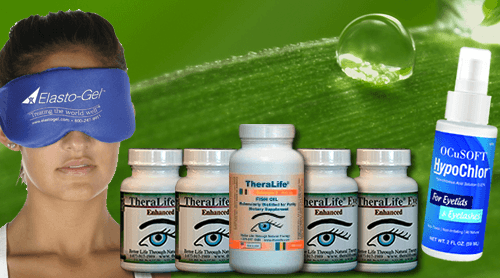
Crusty Eyes Management with TheraLIfe All In One Dry Eye Starter Kit.
Add To Cart
Key Takeaways
- Eye crust forms overnight as mucus and tear debris naturally accumulate and dry during sleep.
- Poor eyelid hygiene or blocked tear ducts can increase crustiness upon waking.
- Allergies may cause watery or stringy discharge, leading to more crust around the eyes in the morning.
- Eye infections like conjunctivitis often produce yellow or greenish discharge that dries into crust while you sleep.
- Swollen eyelids, burning, or gritty sensations with crusting may indicate underlying inflammation or infection needing medical attention.
Common Causes of Morning Eye Crust

Although waking up with a crusty eye can be alarming, it’s often the result of normal physiological processes. During sleep, your eyes continue to produce mucus and tear film debris, which accumulate at the eyelid margins. This discharge, known as rheum, typically dries and forms a crust.
Poor eye hygiene, such as failing to remove makeup or not washing your face before bed, can exacerbate this buildup. Additionally, your sleep position plays a role—sleeping on one side or with your face in a pillow may impede tear drainage, promoting crust formation around the eyelids.
While most cases are benign, recurring or excessive crust could indicate underlying conditions such as blepharitis or conjunctivitis, warranting further assessment by an eye care professional. Maintaining cleanliness around the eye area prevents irritation and infection.
Allergies and Eye Discharge
If you experience eye discharge upon waking, allergies may be a significant factor. Exposure to common allergens like pollen, dust mites, or pet dander can trigger watery, mucous, or stringy secretions from your eyes. You can reduce symptoms through allergen avoidance and appropriate pharmacologic therapy. In some cases, allergic conjunctivitis presents with watery discharge, itchy/red eyes, and possible eyelid swelling, which can be managed with antihistamines.
Common Allergy Triggers
While environmental allergens are prevalent, exposure to substances such as pollen, dust mites, pet dander, and mold frequently triggers an allergic response in the eye.
When you encounter pollen exposure—especially during peak seasons—your immune system may react by releasing histamines, leading to conjunctival inflammation.
Pet dander, consisting of microscopic skin flakes from animals, can also act as a potent allergen, particularly in indoor environments.
Dust mites and mold spores are additional culprits commonly found in bedding, carpets, and humid areas, exacerbating ocular symptoms.
These allergens induce ocular pruritus, redness, tearing, and increased mucous production.
If you notice recurrent morning eye crusting, you may be experiencing allergic conjunctivitis due to these triggers.
Identifying and minimizing exposure to such allergens can help prevent symptoms.
For effective relief from corner of the eye itching and related symptoms, treatments such as oral dry eye medications and specific eye drops may be beneficial.
Types of Eye Discharge
Several distinct types of eye discharge can accompany allergic reactions, each reflecting underlying pathophysiological mechanisms.
When you wake up with crusty eyes, it’s often due to your body’s immunologic response to allergens. Depending on factors like eye hygiene and sleep position, you might notice different characteristics of discharge.
Common types include:
- Serous (watery): Clear, thin discharge, often seen with allergic conjunctivitis.
- Mucoid: Thick, stringy mucus, frequently exacerbated by poor eye hygiene or rubbing.
- Mucopurulent: Yellow-tinged, sticky discharge, suggesting a mix of mucus and inflammatory cells but not always infection.
- Crusting: Accumulated dried discharge at the eyelid margin, often worsened by sleep position and decreased blinking overnight.
Recognizing these variations helps you distinguish allergic responses from infectious etiologies. Blocked Tear Ducts can also cause watery discharge, especially in newborns, indicating an issue with tear drainage.
Managing Allergy Symptoms
Because allergic conjunctivitis often triggers eye discharge, targeted management strategies are essential to minimize symptoms and reduce recurrence.
You should prioritize allergy management by identifying and avoiding environmental factors such as pollen, pet dander, and dust mites. Use high-efficiency particulate air (HEPA) filters indoors and keep windows closed during peak allergen seasons.
Pharmacologic interventions like topical antihistamines or mast cell stabilizers can effectively reduce ocular itching and discharge. Artificial tears may help dilute allergens and flush irritants from the ocular surface.
Regular use of protective eyewear can help shield your eyes from environmental irritants like wind and pollen, which are common triggers for watery eyes.
Wash your hands frequently and avoid touching or rubbing your eyes to prevent further irritation. If symptoms persist despite these measures, consult an ophthalmologist for evaluation and consideration of prescription therapies.
Proper allergy management minimizes the risk of chronic eye discharge and associated discomfort.
Dry Eyes While Sleeping
Even during sleep, the ocular surface relies on a stable tear film to maintain moisture and protect against irritation. If you wake up with a crusty eye, it’s possible that nocturnal dry eye contributed to this symptom.
During sleep, tear production decreases, and certain factors may exacerbate dryness. An unfavorable sleep environment or compromised eyelid hygiene can lead to insufficient protection of the corneal surface, resulting in desiccation and subsequent crust formation.
Consider the following evidence-based contributors to nocturnal dry eye:
- Incomplete eyelid closure (lagophthalmos) allows increased tear evaporation.
- Low humidity in your sleep environment accelerates tear film instability.
- Poor eyelid hygiene may obstruct meibomian glands, reducing lipid layer quality.
- Use of certain medications can decrease baseline tear secretion.
Addressing these factors optimizes ocular surface health overnight. A common contributor to dry eyes is prolonged screen time, which exacerbates symptoms by reducing blink rates and increasing tear evaporation.
Eye Infections: Pink Eye and Beyond

You might notice redness, discharge, and irritation if you’re experiencing conjunctivitis, commonly known as pink eye. Bacterial and viral pathogens both cause this condition, but each requires distinct management strategies. Consistent hand hygiene and avoiding contact with infected individuals help reduce your risk of eye infections. Good hygiene practices, including regular hand washing and clean pillowcases, can also help prevent bacterial spread and reduce the risk of developing styes.
Common Pink Eye Symptoms
While waking with a crusty eye may signal a benign irritation, it’s important to contemplate common symptoms associated with conjunctivitis, or pink eye.
This condition often disrupts normal eye hygiene and can even affect your sleep quality due to discomfort. Pink eye is characterized by inflammation of the conjunctiva, leading to visible and bothersome symptoms.
Recognizing these early signs can help you seek appropriate care and avoid complications. Watch for the following:
- Redness: Noticeable hyperemia of the sclera or inner eyelids.
- Discharge: Mucopurulent or watery secretions causing crusting, especially upon waking.
- Itching or Gritty Sensation: Persistent ocular pruritus or foreign body sensation.
- Tearing: Excessive lacrimation, occasionally blurring vision.
Prompt identification of these symptoms can support better outcomes and maintain ideal ocular health. If you notice any increase in eye crust, it may indicate an underlying issue that should be evaluated by an eye doctor.
Bacterial vs. Viral Causes
Although both bacterial and viral pathogens can provoke conjunctivitis, their presentations and clinical implications differ significantly.
If you notice thick, yellow or green discharge causing your eyelids to stick together upon waking, bacterial conjunctivitis is likely. This condition often results from organisms such as Staphylococcus aureus or Streptococcus pneumoniae.
In contrast, viral causes, such as adenovirus, tend to produce a watery discharge, with irritation and redness predominating. Viral keratitis, while less common, can involve the cornea and lead to photophobia, decreased visual acuity, or even corneal ulceration.
You might also experience preauricular lymphadenopathy in viral infections. Recognizing whether you’re facing bacterial conjunctivitis or a viral process is essential, as bacterial cases often respond to antibiotics, while viral conditions require supportive care and vigilant monitoring for complications.
Chlamydia can also infect the eyes, known as chlamydial conjunctivitis, and requires early treatment with antibiotics to prevent complications.
Preventing Eye Infections
Recognizing the differences between bacterial and viral eye infections underscores the importance of preventive strategies to reduce transmission and recurrence. Eye hygiene and proper sanitation are critical in minimizing your risk. Both forms of conjunctivitis—commonly called pink eye—spread easily through direct or indirect contact. To effectively prevent eye infections, adhere to these evidence-based practices:
- Wash your hands frequently: Use soap and water, especially before touching your face or eyes.
- Avoid sharing personal items: Don’t share towels, pillowcases, or cosmetics that come into contact with your eyes.
- Disinfect surfaces regularly: Clean commonly touched objects and surfaces to reduce pathogen spread.
- Practice strict contact lens care: Always clean, store, and handle lenses according to medical guidelines.
Implementing the 20-20-20 rule and maintaining proper lighting can alleviate discomfort. Consistent eye hygiene and proper sanitation can greatly reduce your infection risk.
Blepharitis: Inflammation of the Eyelid
Because blepharitis involves chronic inflammation of the eyelid margins, it often leads to symptoms such as redness, irritation, and the accumulation of crusty debris along the lash line.
You may notice your eyelids feel gritty or experience a burning sensation upon waking. Blepharitis symptoms frequently include swollen eyelids, flaking at the base of the eyelashes, and sometimes excessive tearing or ocular discomfort.
The condition is typically associated with bacterial colonization, seborrheic dermatitis, or dysfunction of the meibomian glands. Effective blepharitis treatment focuses on meticulous eyelid hygiene—such as regular cleansing with diluted baby shampoo or commercial lid scrubs—to reduce microbial load and debris.
In some cases, topical or oral antibiotics and anti-inflammatory medications might be indicated to control persistent or severe inflammation.
Contact Lenses and Overnight Eye Health
Beyond eyelid inflammation, overnight eye health can be considerably affected by contact lens wear. When you sleep with contact lenses, your corneal oxygenation decreases, increasing the risk for microbial keratitis, hypoxic stress, and excessive eye discharge.
Proper contact lens hygiene is essential, especially if you wear lenses for extended periods. Failing to follow overnight lens care protocols can cause debris accumulation and inflammatory reactions, leading to a crusty eye upon waking.
Here’s what you should prioritize:
- Remove lenses before sleeping to reduce infection risk.
- Disinfect lenses daily using recommended solutions.
- Replace lenses and cases regularly as per manufacturer guidelines.
- Avoid water exposure to prevent contamination.
When Is Eye Discharge a Sign of Something Serious?

How do you know when eye discharge signals a more serious underlying condition?
Typically, mild, clear discharge upon waking is common and often related to overnight tear film debris, sometimes influenced by your sleep position or lapses in eye hygiene.
However, if you notice thick, yellow, green, or white discharge; persistent redness; pain; swelling; photophobia; or blurred vision, you could be facing conjunctivitis, keratitis, or another ocular infection.
Discharge accompanied by systemic symptoms—fever or facial pain—requires prompt medical evaluation.
Improper eye hygiene, such as not washing hands before touching your eyes, increases infection risk. Similarly, sleeping face down can trap bacteria and exacerbate symptoms.
If symptoms worsen or fail to improve, consult an ophthalmologist to rule out serious conditions and prevent complications.
Home Remedies for Crusty Eyes
Although waking up with crusty eyes is often benign, you can manage mild cases at home using simple, evidence-based interventions.
Crusty eyelids typically result from dried ocular discharge, often exacerbated by inadequate nighttime hygiene. Implementing proper care can help alleviate symptoms and support ocular health.
Consider the following steps:
- Warm Compresses: Gently apply a clean, warm washcloth to your closed eyelids for 5–10 minutes to soften and remove crusts.
- Eyelid Cleansing: Use a sterile cotton swab or lint-free pad moistened with diluted baby shampoo or commercial eyelid cleanser to carefully clean your lash line.
- Artificial Tears: Instill preservative-free artificial tears to lubricate and flush out irritants.
- Hand Hygiene: Always wash your hands thoroughly before and after touching your eyes to prevent secondary infections.
These interventions promote ideal nighttime hygiene and symptom relief.
Preventive Tips for Healthier Eyes
Consistently practicing targeted ocular hygiene reduces the risk of waking up with crusty eyes. You should cleanse your eyelids nightly using a sterile, hypoallergenic wipe or diluted baby shampoo to minimize debris and microbial colonization.
Maintain ideal eye hydration by using preservative-free artificial tears, especially if you experience dry eye symptoms. Avoid rubbing your eyes, as this action can introduce pathogens and exacerbate irritation.
Evaluate your sleep position; sleeping face-down or on your side may increase exposure to allergens and impede tear drainage, raising the likelihood of morning eye crust. Replace pillowcases frequently to limit allergen and microbial exposure.
If you wear contact lenses, adhere strictly to recommended hygiene protocols and lens replacement schedules.
Prioritize regular ophthalmological evaluations to monitor ocular surface health and detect early pathology.
Get Rid Of Crusty Eyes – Treat Your Dry Eyes With TheraLife
Crusty Eyes Management with TheraLIfe All In One Dry Eye Starter Kit.
Add To Cart
Frequently Asked Questions
Can Pets Contribute to Crusty Eyes in Humans?
Yes, your pets can contribute to crusty eyes in humans. Pet allergies trigger allergic conjunctivitis, causing eye discharge, itching, and redness.
Additionally, zoonotic infections, like bacterial conjunctivitis, can be transmitted from pets to humans through direct contact or contaminated surfaces.
If you have pets, maintain proper hygiene, minimize allergen exposure, and consult a healthcare professional if symptoms persist or worsen, as effective management relies on accurate diagnosis and evidence-based treatment.
Does Diet Affect Morning Eye Discharge?
Dietary impact and nutrition effects can influence the amount and consistency of morning eye discharge.
If you’re deficient in vitamin A, omega-3 fatty acids, or hydration, your tear film stability may decrease, leading to increased secretion or thicker discharge.
Consuming a balanced diet supports ocular surface health and reduces inflammatory responses.
Evidence shows that ideal nutrition modulates glandular secretions, so maintaining proper dietary intake can minimize abnormal morning eye discharge.
Are Certain Medications Linked to Increased Eye Crust?
Certain medications can indeed cause increased eye crust as a result of medication side effects or allergy reactions.
For example, antihistamines, decongestants, and some eye drops may alter tear composition or reduce tear production, leading to ocular surface dryness and increased discharge.
Additionally, antibiotics or preservative-containing eye drops may provoke local allergic conjunctivitis, further increasing mucous or crust formation.
Always consult your healthcare provider if you suspect your medication is affecting your ocular health.
Can Sleeping Position Influence Eye Crust Formation?
You might wonder if your sleeping position truly influences eye crust formation.
Research suggests that when you sleep on your side or face-down, gravity can hinder tear drainage, increasing the accumulation of ocular discharge.
Poor eye hygiene and compromised sleep quality may exacerbate this effect, leading to more pronounced crusting.
Maintaining ideal eye hygiene and considering your sleep posture can, consequently, play a role in minimizing nocturnal eye discharge, according to evidence-based findings.
Is Eye Crust Contagious Between Family Members?
You should know that eye crust itself isn’t typically contagious, but if it’s caused by infectious conjunctivitis (pink eye), transmission risk increases within your household.
Practicing proper eye hygiene—like frequent handwashing, avoiding shared towels, and not touching your eyes—minimizes cross-contamination. Maintaining these habits is critical for family health, especially when an infection is present.
Evidence shows that viral and bacterial conjunctivitis can spread easily, so take proactive measures to protect everyone.
Get Rid Of Crusty Eyes – Treat Your Dry Eyes With TheraLife
Crusty Eyes Management with TheraLIfe All In One Dry Eye Starter Kit.
Add To Cart
Conclusion
When you wake up with a crusty eye, it’s often your body’s natural defense at work. However, maintaining eye health is crucial, as it is your window to the world. TheraLife offers unique benefits to its customers by providing the only oral treatment for eye care. Their products are designed to address a range of eye conditions, from blepharitis to dry eyes, offering a comprehensive approach to eye health. TheraLife’s innovative solutions help ensure comfort and clarity, supporting your eyes with the care they deserve. By understanding the causes and applying TheraLife’s prevention strategies, you can effectively protect your vision. If you notice persistent symptoms like redness or pain, it’s important to seek medical advice promptly.
References
- 1.
- Shekhawat NS, Shtein RM, Blachley TS, Stein JD. Antibiotic Prescription Fills for Acute Conjunctivitis among Enrollees in a Large United States Managed Care Network. Ophthalmology. 2017 Aug;124(8):1099-1107. [PMC free article] [PubMed]
- 2.
- Smith AF, Waycaster C. Estimate of the direct and indirect annual cost of bacterial conjunctivitis in the United States. BMC Ophthalmol. 2009 Nov 25;9:13. [PMC free article] [PubMed]
- 3.
- 4.
- de Laet C, Dionisi-Vici C, Leonard JV, McKiernan P, Mitchell G, Monti L, de Baulny HO, Pintos-Morell G, Spiekerkötter U. Recommendations for the management of tyrosinaemia type 1. Orphanet J Rare Dis. 2013 Jan 11;8:8. [PMC free article] [PubMed]
- 5.
- Sati A, Sangwan VS, Basu S. Porphyria: varied ocular manifestations and management. BMJ Case Rep. 2013 May 22;2013 [PMC free article] [PubMed]
- 6.
- Azari AA, Barney NP. Conjunctivitis: a systematic review of diagnosis and treatment. JAMA. 2013 Oct 23;310(16):1721-9. [PMC free article] [PubMed]
- 7.
- 8.
- Shields T, Sloane PD. A comparison of eye problems in primary care and ophthalmology practices. Fam Med. 1991 Sep-Oct;23(7):544-6. [PubMed]
- 9.
- 10.
- Turaka K, Penne RB, Rapuano CJ, Ayres BD, Abazari A, Eagle RC, Hammersmith KM. Giant fornix syndrome: a case series. Ophthalmic Plast Reconstr Surg. 2012 Jan-Feb;28(1):4-6. [PubMed]
- 11.
- Satpathy G, Behera HS, Ahmed NH. Chlamydial eye infections: Current perspectives. Indian J Ophthalmol. 2017 Feb;65(2):97-102. [PMC free article] [PubMed]
- 12.
- Bhosai SJ, Bailey RL, Gaynor BD, Lietman TM. Trachoma: an update on prevention, diagnosis, and treatment. Curr Opin Ophthalmol. 2012 Jul;23(4):288-95. [PMC free article] [PubMed]
- 13.
- 14.
- Makker K, Nassar GN, Kaufman EJ. StatPearls [Internet]. StatPearls Publishing; Treasure Island (FL): Jul 17, 2023. Neonatal Conjunctivitis. [PubMed]
- 15.
- Hoffman J. Adenovirus: ocular manifestations. Community Eye Health. 2020;33(108):73-75. [PMC free article] [PubMed]
- 16.
- Giladi N, Herman J. Pharyngoconjunctival fever. Arch Dis Child. 1984 Dec;59(12):1182-3. [PMC free article] [PubMed]
- 17.
- Meyer-Rüsenberg B, Loderstädt U, Richard G, Kaulfers PM, Gesser C. Epidemic keratoconjunctivitis: the current situation and recommendations for prevention and treatment. Dtsch Arztebl Int. 2011 Jul;108(27):475-80. [PMC free article] [PubMed]
- 18.
- Wright PW, Strauss GH, Langford MP. Acute hemorrhagic conjunctivitis. Am Fam Physician. 1992 Jan;45(1):173-8. [PubMed]
- 19.
- Saleh D, Yarrarapu SNS, Sharma S. StatPearls [Internet]. StatPearls Publishing; Treasure Island (FL): Aug 28, 2023. Herpes Simplex Type 1. [PubMed]
- 20.
- Yoser SL, Forster DJ, Rao NA. Systemic viral infections and their retinal and choroidal manifestations. Surv Ophthalmol. 1993 Mar-Apr;37(5):313-52. [PubMed]