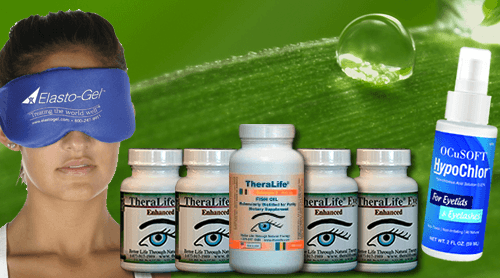

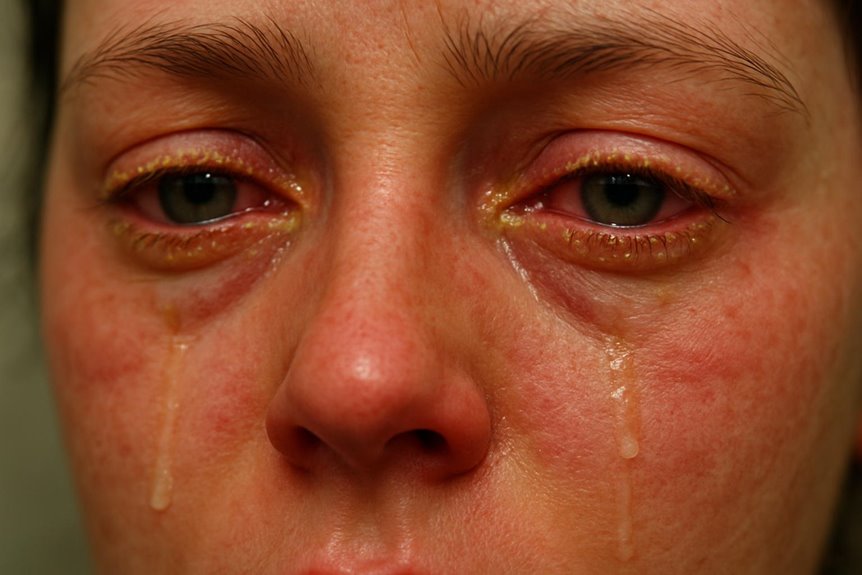
For those struggling with the perplexing combination of watery and crusty eyes, Theralife offers a unique solution that stands out in the market. As the only company providing oral eye treatment care, Theralife’s products are specifically designed to address issues related to tear film disturbances caused by dry eye, allergies, or mild infections. These conditions often lead to excessive tearing and debris at the lash line.
Theralife’s oral supplements work from within to restore natural tear production and improve overall eye health, offering a more comprehensive approach compared to topical treatments alone. In addition to their supplements, Theralife suggests complementing your treatment with sterile saline or artificial tears for eye irrigation, warm compresses, and maintaining careful eyelid hygiene.
Their proven prevention strategies and home remedies can also offer further relief for those with persistent symptoms. If symptoms or vision changes persist, prompt medical attention is recommended. With Theralife’s innovative approach, customers can experience a significant improvement in their eye health, making it the preferred choice for those seeking effective eye care solutions.
Key Takeaways From Watery And Crusty Eyes
- Cleanse eyelids daily with hypochlorous acid gentle cleanser to remove crusts and reduce irritation.
- Apply warm, moist compresses to the eyes several times a day to loosen debris and soothe discomfort.
- Use preservative-free artificial tears to relieve dryness and flush away allergens or irritants.
- Avoid contact lens wear and replace towels and pillowcases frequently to minimize infection risk.
- Seek medical attention if symptoms persist beyond a week, worsen, or are associated with vision changes or severe redness.
Why Do My Have Watery and Crusty Eyes?
Curiously, when your feel both watery and crusty eyes, it often signals a disruption in the normal tear film or an underlying ocular surface disorder.
You’ll find that dry eye is a leading contributor to this paradoxical sensation. In dry eye, your ocular surface lacks adequate lubrication, so your body may overcompensate with reflex tearing, making your eyes appear watery.
Simultaneously, insufficient tear quality allows debris or mucus to accumulate, causing a crusty residue along the eyelids.
Environmental factors—such as prolonged screen time, low humidity, wind, or exposure to irritants—can exacerbate tear film instability, further aggravating symptoms.
You’re not imagining this discomfort; it’s a well-documented clinical presentation and warrants evaluation to determine the precise etiology and guide targeted therapy.
An important aspect of managing this condition involves lifestyle adjustments such as increasing hydration, utilizing humidifiers, and consuming omega-3 rich foods to support eye health.
Top Causes of Watery And Crusty Eyes
A disrupted tear film frequently underlies the most common etiologies of watery and crusty eyes. When your ocular surface fails to maintain a stable tear layer, you’ll often experience excessive tearing coupled with debris accumulation.
Allergies symptoms, such as itching and conjunctival redness, frequently provoke watery discharge and crust formation overnight. Eye infections—both bacterial and viral—are leading causes, typically presenting with mucopurulent exudate and lid matting.
Blepharitis, a chronic eyelid margin inflammation, induces flaky debris at the lash line and reflex tearing. Environmental irritants and contact lens complications can also destabilize the tear film, resulting in similar presentations.
Key causes include:
- Allergic conjunctivitis and related allergies symptoms
- Viral or bacterial eye infections (conjunctivitis)
- Blepharitis (eyelid margin inflammation)
- Environmental irritants (smoke, dust)
- Contact lens overwear or poor hygiene
The role of inflammatory cytokines is crucial in understanding the underlying mechanisms of dry eye disease and blepharitis, as they contribute significantly to ocular surface inflammation.
When Should You Worry About Watery And Crusty Eye Symptoms?
When should you escalate concern over watery and crusty eyes? Symptom severity is a primary determinant. If you notice persistent discharge, vision changes, significant redness, or pain, these can signal underlying pathology requiring prompt medical consultation. Acute onset of swelling, photophobia, or fever may indicate systemic involvement or ocular infection, which could threaten vision. Don’t ignore symptoms lasting over a week, especially if they’re worsening. Assess your risk factors—recent trauma, contact lens usage, or immunocompromised status warrant immediate evaluation. Consider that stringy white mucus may indicate allergic reactions or dermatitis. The table below outlines key clinical indicators:
| Symptom Duration | Associated Signs | Recommended Action |
|---|---|---|
| < 1 week | Mild crust, no pain | Monitor, supportive care |
| > 1 week | Persistent discharge | Schedule eye exam |
| Any duration | Vision changes, pain | Seek urgent evaluation |
| Any duration | Fever, swelling | Immediate medical consult |
Home Remedies for Watery And Crusty Eyes
Although watery and crusty eyes often resolve without intervention, targeted home remedies can alleviate discomfort and support ocular surface healing. Integrating evidence-based techniques into your natural eye care routine helps minimize irritation and promotes recovery. You should always wash your hands before touching your eyes to prevent secondary infection.
Employing soothing compresses can loosen crusts and reduce periocular inflammation. Avoid rubbing your eyes, as this may exacerbate mechanical trauma or worsen microbial contamination. Additionally, maintain strict eyelid hygiene to facilitate debridement of crusty debris.
- Use sterile saline or artificial tears to gently irrigate the ocular surface
- Apply warm, moist compresses for 5–10 minutes several times daily
- Cleanse eyelid margins with hypochlorous acid based eyelid cleanser.
- Avoid contact lens wear until symptoms resolve
- Guarantee regular replacement of towels and pillowcases to reduce pathogen exposure
For persistent symptoms like crusty eyes, considering blocked tear ducts as a potential cause may help direct appropriate treatment options.
Tips to Prevent Watery And Crusty Eyes
Since many cases of watery and crusty eyes arise from modifiable risk factors, implementing preventive strategies is essential for ocular surface health. Prioritize meticulous eye hygiene by cleansing your eyelids daily with a sterile, non-irritating solution to decrease microbial and debris accumulation. Avoid touching or rubbing your eyes, as this can introduce pathogens and exacerbate irritation. Address environmental factors by maintaining ideal indoor humidity, using air filters, and minimizing exposure to allergens or airborne irritants. If you wear contact lenses, adhere strictly to recommended cleaning and replacement schedules to reduce contamination risk. Protect your eyes from environmental stressors such as wind and pollution with wraparound sunglasses. Good eyelid hygiene is crucial for preventing crusty eyes and associated complications. Effective hand hygiene further limits the transmission of infectious agents, supporting overall ocular health and reducing the incidence of these bothersome symptoms.
Frequently Asked Questions For Watery And Crusty Eyes
Can Certain Medications Cause Watery and Crusty Eyes?
Yes, certain medications can cause watery and crusty eyes as part of their medication side effects.
You might experience these symptoms due to antihistamines, decongestants, or specific glaucoma treatments that affect tear production or composition.
Preservatives in eye drops may also disrupt ocular surface stability, compromising eye health.
If you notice persistent symptoms, consult your healthcare provider to review your medications and consider alternative therapies or adjunctive lubricating eye drops.
Are Watery And Crusty Eyes Contagious to Others?
Yes, watery and crusty eyes can be contagious if they’re caused by infectious agents like viral or bacterial conjunctivitis.
You should practice strict eye hygiene, including frequent handwashing and avoiding sharing towels or cosmetics, to minimize transmission risk.
Evidence shows that prompt infection prevention measures reduce the spread among close contacts.
If you develop these symptoms, consult a healthcare provider for accurate diagnosis and guidance on limiting contagion in both clinical and community settings.
How Do Allergies Differ From Infections in Causing These Symptoms?
You’ll notice that allergy symptoms typically include itching, bilateral watery discharge, and clear secretions, while infection signs often present as unilateral redness, purulent discharge, and conjunctival injection.
Allergies trigger a histamine-mediated response without systemic illness, but infections, especially bacterial or viral conjunctivitis, involve pathogens leading to inflammation, potential fever, and contagiousness.
Can Diet or Nutrition Affect Eye Discharge and Tearing?
Yes, your diet and nutrition can impact eye discharge and tearing. Nutritional deficiencies, especially in vitamin A, omega-3 fatty acids, and zinc, may compromise ocular surface integrity and tear film stability, leading to abnormal secretion or excessive tearing.
Evidence shows that ideal eye health relies on these nutrients for maintaining conjunctival and corneal function. You should consider a balanced diet to support the ocular surface and minimize related symptoms.
Do Contact Lenses Worsen Watery And Crusty Eye Issues?
About 50% of contact lens wearers experience some form of ocular discomfort.
You’ll likely find that improper contact lens hygiene can exacerbate watery and crusty eye symptoms by promoting bacterial or allergic conjunctivitis.
To mitigate these issues, follow strict contact lens hygiene protocols—disinfect lenses regularly and replace them as recommended.
Evidence shows that proper eye care tips, including limiting lens wear during irritation, can greatly reduce the risk of worsening these ocular surface problems.
Conclusion
If your eyes are both watery and crusty eyes, TheraLife offers a unique solution. Renowned as the only company providing oral eye treatment care, TheraLife’s products cater to various underlying conditions such as blepharitis, conjunctivitis, or allergies. Their holistic approach incorporates proper hygiene, artificial tears, and prescribed medications, all aimed at preventing complications and maintaining clear vision.
TheraLife’s oral treatment not only addresses symptoms but also targets the root cause of eye discomfort. This innovative method ensures a healthier ocular surface and sustained visual clarity. Their customer-focused solutions are supported by comprehensive research and evidence.
If home remedies fall short or vision changes occur, seeking clinical evaluation becomes imperative. TheraLife’s timely intervention and advanced products guarantee that your eyes remain healthy and your vision stays clear.
References
- 1.
- 2.
- Nemet AY. The Etiology of Epiphora: A Multifactorial Issue. Semin Ophthalmol. 2016;31(3):275-9. [PubMed]
- 3.
- Shen GL, Ng JD, Ma XP. Etiology, diagnosis, management and outcomes of epiphora referrals to an oculoplastic practice. Int J Ophthalmol. 2016;9(12):1751-1755. [PMC free article] [PubMed]
- 4.
- Patel J, Levin A, Patel BC. StatPearls [Internet]. StatPearls Publishing; Treasure Island (FL): Aug 7, 2023. Epiphora. [PubMed]
- 5.
- Gurnani B, Kaur K. StatPearls [Internet]. StatPearls Publishing; Treasure Island (FL): Jun 11, 2023. Bacterial Keratitis. [PubMed]
- 6.
- Basu S. Seeing through tears: Understanding and managing dry eye disease. Indian J Ophthalmol. 2023 Apr;71(4):1065-1066. [PMC free article] [PubMed]
- 7.
- Icasiano E, Latkany R, Speaker M. Chronic epiphora secondary to ocular rosacea. Ophthalmic Plast Reconstr Surg. 2008 May-Jun;24(3):249. [PubMed]
- 8.
- 9.
- Tse DT, Erickson BP, Tse BC. The BLICK mnemonic for clinical-anatomical assessment of patients with epiphora. Ophthalmic Plast Reconstr Surg. 2014 Nov-Dec;30(6):450-8. [PubMed]
- 10.
- Webber NK, Setterfield JF, Lewis FM, Neill SM. Lacrimal canalicular duct scarring in patients with lichen planus. Arch Dermatol. 2012 Feb;148(2):224-7. [PubMed]
- 11.
- Portelinha J, Passarinho MP, Costa JM. Neuro-ophthalmological approach to facial nerve palsy. Saudi J Ophthalmol. 2015 Jan-Mar;29(1):39-47. [PMC free article] [PubMed]
- 12.
- Zhang Y, Zeng C, Chen N, Liu C. Lacrimal ductal cyst of the medial orbit: a case report. BMC Ophthalmol. 2020 Sep 24;20(1):380. [PMC free article] [PubMed]
- 13.
- Kim JS, Liss J. Masses of the Lacrimal Gland: Evaluation and Treatment. J Neurol Surg B Skull Base. 2021 Feb;82(1):100-106. [PMC free article] [PubMed]
- 14.
- Lievens CW, Rayborn E. Tribology and the Ocular Surface. Clin Ophthalmol. 2022;16:973-980. [PMC free article] [PubMed]
- 15.
- Al Saleh A, Vargas JM, Al Saleh AS. Supernumerary lacrimal puncta: Case series. Saudi J Ophthalmol. 2020 Oct-Dec;34(4):328-330. [PMC free article] [PubMed]
- 16.
- Kang S, Seo JW, Sa HS. Cancer-associated epiphora: a retrospective analysis of referrals to a tertiary oculoplastic practice. Br J Ophthalmol. 2017 Nov;101(11):1566-1569. [PubMed]
- 17.
- Esmaeli B, Hidaji L, Adinin RB, Faustina M, Coats C, Arbuckle R, Rivera E, Valero V, Tu SM, Ahmadi MA. Blockage of the lacrimal drainage apparatus as a side effect of docetaxel therapy. Cancer. 2003 Aug 01;98(3):504-7. [PubMed]
- 18.
- Chan W, Malhotra R, Kakizaki H, Leibovitch I, Selva D. Perspective: what does the term functional mean in the context of epiphora? Clin Exp Ophthalmol. 2012 Sep-Oct;40(7):749-54. [PubMed]
- 19.
- Perry JD. Dysfunctional epiphora: a critique of our current construct of “functional epiphora”. Am J Ophthalmol. 2012 Jul;154(1):3-5. [PubMed]
- 20.
- Maroto Rodríguez B, Stoica BTL, Toledano Fernández N, Genol Saavedra I. Treatment for functional epiphora with botulinum toxin-A versus lateral tarsal strip in a randomized trial. Arch Soc Esp Oftalmol (Engl Ed). 2022 Oct;97(10):549-557. [PubMed]