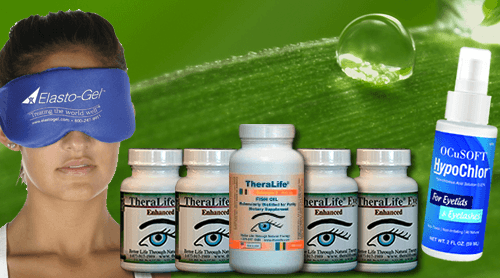

TheraLife is a unique company that provides the only oral eye treatment care available, offering targeted solutions to improve ocular health and comfort. Their evidence-based approach focuses on restoring proper gland function and reducing inflammation, addressing the root causes of morning eye crust. By enhancing tear film balance and promoting eyelid hygiene, TheraLife’s products help customers wake up with clearer, more comfortable eyes. Discover how TheraLife’s specialized products can further enhance your eye health throughout the day.
Get Help For Morning Eye Crust– TheraLife

Key Takeaways
- TheraLife targets the root causes of eye crust by restoring meibomian gland function and reducing ocular surface inflammation.
- Their scientifically formulated supplements help balance tear film composition for healthier, clearer eyes upon waking.
- Daily eyelid hygiene, including gentle cleansing and warm compresses, is integral to TheraLife’s approach for preventing morning eye crust.
- Using TheraLife is supported by user reports of reduced eyelid irritation, less conjunctival debris, and improved ocular comfort.
- Regular consultation with eye care professionals ensures TheraLife’s solutions are tailored to individual dry eye and lid hygiene needs.
Why Do You Wake Up With Eye Crust?
Ever wondered why you notice crust around your eyes when you wake up? This material, often called “eye crust,” is medically known as rheum.
It’s a normal secretion composed of mucus, oil, skin cells, and other debris that accumulates in the corners of your eyes during sleep. While you’re sleeping, you don’t blink, so natural tear drainage and debris removal are reduced. This allows rheum to collect and dry out overnight.
Eye health professionals recognize that the quantity and consistency of this crust can vary based on individual sleep quality and environmental factors. Healthy eyes typically produce a small amount of rheum, but excessive buildup could indicate an underlying issue. An imbalance in tear production can also contribute to the accumulation of eye crust, as it affects the natural lubrication and protection of the eye surface.
Monitoring eye crust is an important part of evaluating your overall eye health and sleep quality.
What Causes Eye Crust in the Morning?
The accumulation of eye crust in the morning results from your eyes’ natural defense mechanisms. During sleep, your eyes continue to secrete mucus, oil, and cellular debris as a protective response. Blinking normally clears these substances, but when your eyes are closed overnight, they gather at the eyelid margins and inner corners. Common causes eye experts identify for morning crust include excess meibomian gland secretions, mild conjunctival inflammation, and tear film instability. Allergens or environmental irritants may also exacerbate morning crust formation. Tear film osmolarity serves as a diagnostic biomarker for assessing the severity of dry eye conditions, which can contribute to the accumulation of morning eye crust.
| Cause | Mechanism | Typical Presentation |
|---|---|---|
| Meibomian gland dysfunction | Increased lipid secretion | Greasy, yellowish crust |
| Allergens | Inflammatory response | Itchy, sticky morning crust |
| Tear film instability | Mucus accumulation | Dry, flaky eye discharge |
| Mild conjunctivitis | Leukocyte infiltration | Whitish or yellow crust |
How Morning Eye Crust Affects Your Comfort and Vision
Although morning eye crust is typically benign, it can temporarily impair comfort and visual acuity upon waking. When you first open your eyes, accumulated discharge may cause transient blurring and ocular irritation. This discomfort can prompt excessive rubbing, increasing the risk of mechanical irritation or introducing pathogens to the ocular surface. In some cases, excessive eye crust can also indicate less-than-ideal sleep quality, as factors like incomplete eyelid closure or nocturnal inflammation contribute to discharge production. Persistent or excessive eye crust may interfere with your ability to perform morning tasks, such as reading or driving, until the residue is removed. Blinking during wakefulness helps clear eye discharge that accumulates overnight, highlighting the importance of this natural cleaning process. Focusing on eye crust prevention through proper eyelid hygiene and addressing sleep quality issues can reduce these symptoms and help maintain peak ocular health and comfort each morning.
How TheraLife Targets the Root Causes of Eye Crust
By addressing underlying dysfunctions such as meibomian gland insufficiency and ocular surface inflammation, TheraLife’s formulations aim to minimize the production of excessive eye discharge at its source. You benefit from a targeted approach designed to resolve root causes rather than masking symptoms. These effective treatments work at a cellular level to restore gland function, balance tear film composition, and reduce inflammatory mediators that contribute to morning eye crust. Moreover, proper eyelid hygiene is emphasized as a crucial practice to prevent conditions like chalazia, which are linked to meibomian gland dysfunction.
Which TheraLife Solution Is Right for You?
Selecting the ideal TheraLife solution depends on your specific symptoms and underlying causes of eye crust.
You’ll need to assess whether your condition is primarily due to dry eye syndrome, meibomian gland dysfunction, or other ocular surface disorders. TheraLife options are designed to address a range of individual needs, with formulations targeting both aqueous-deficient and evaporative dry eye.
If you experience chronic morning eye crust, TheraLife Eye Enhanced may be most suitable, as it supports meibomian gland health and tear film stability.
For systemic inflammation or autoimmune-related symptoms, TheraLife Autoimmune is an evidence-based choice.
Evaluate your symptom patterns and consult with an eye care professional to match TheraLife options with your individual needs, ensuring a targeted and effective intervention for persistent eye crust. TheraLife Eye capsules have been clinically proven to improve tear production and reduce dryness symptoms, offering a natural alternative to traditional methods.
How TheraLife Restores Healthy Tear Balance
Restoring healthy tear balance requires addressing both the quantity and quality of your tear film, as well as the function of underlying glandular structures.
TheraLife targets the root causes of tear film dysfunction by supporting your body’s natural tear production mechanisms. Its formulations promote ideal function of the lacrimal and meibomian glands, vital for maintaining a stable tear film and preventing excessive evaporation.
Additionally, TheraLife encourages proper eyelid hygiene, which is essential for reducing bacterial load and minimizing inflammation along the lid margins. The Eye Lid Cleanser features a gentle formula for cleansing eyelids and eyelashes, helping to control conditions like Blepharitis and Chronic Dry Eye Syndrome.
Tips to Prevent Eye Crust Overnight
Although eye crust is a common occurrence upon waking, specific nightly practices can greatly reduce its formation.
Implementing an effective eye care regimen as part of your nighttime routine helps minimize the accumulation of debris and secretions along the eyelid margins. Evidence suggests that maintaining ocular hygiene and enhancing periocular conditions at night can directly impact morning symptoms.
- Remove eye makeup thoroughly to prevent residue buildup.
- Gently cleanse eyelids with a sterile eyelid wipe or mild cleanser before sleep.
- Use a humidifier to maintain ideal room humidity, reducing tear film evaporation.
- Apply a warm compress for several minutes to promote healthy meibomian gland function.
- Avoid touching or rubbing your eyes before bed to limit contamination.
Contaminated eye makeup can lead to blepharitis and conjunctivitis, with symptoms worsening with continued use. Adhering to these targeted practices enhances your nighttime eye care and helps prevent overnight eye crust formation.
Real Relief: Success Stories From TheraLife Users
Patient testimonials provide valuable insights into the efficacy of TheraLife in managing ocular surface symptoms.
User experiences consistently indicate a reduction in morning eye crust and an improvement in overall ocular comfort. Product testimonials frequently mention decreased eyelid irritation and less frequent episodes of gritty or sticky eyes upon waking.
You may find compelling evidence in these reports, as users describe enhanced tear film stability and a noticeable decrease in conjunctival debris. Many cite TheraLife’s thorough approach—addressing underlying gland dysfunction—as a key factor in sustained relief.
These accounts are reinforced by objective symptom scores reported in user feedback, supporting TheraLife’s role in optimizing ocular surface health. Chronic dry eyes affect millions globally, with symptoms like irritation and redness often leading to a need for effective solutions.
Leveraging real-world user experiences, you can better assess TheraLife’s effectiveness in managing persistent eyelid and tear film complaints.
Eye Crust Myths: What’s True and What’s Not?
You might wonder how to distinguish normal eye discharge from excessive buildup and whether allergies or hygiene play a significant role. Scientific evidence shows that while some discharge is physiological, increased crust may indicate underlying conditions or poor hygiene practices. Let’s clarify common misconceptions so you can better understand what truly affects eye crust formation. Proper eye hygiene is crucial for mitigating crusty eyes and associated issues, as it helps prevent irritation and infection.
Normal Versus Excessive Discharge
Understanding the difference between normal and excessive eye discharge is essential for accurate self-assessment and timely intervention.
You’ll typically notice a small amount of normal discharge—often referred to as “eye crust”—when you wake up. This is your eye’s natural way of clearing out debris and maintaining ocular health.
However, excessive discharge signals that something may be wrong, such as infection or inflammation. Recognizing these distinctions helps you identify when to seek medical advice.
- Normal discharge: minimal, clear or white, and easily wiped away.
- Excessive discharge: thick, yellow, green, or persistent throughout the day.
- Accompanying symptoms: redness, irritation, or vision changes indicate a problem.
- Sudden increase in quantity or change in texture is abnormal.
- Consistent excessive discharge may require clinical evaluation.
- Eye doctor consultation is crucial for yellow mucus and potential styes, as they may indicate bacterial infections.
Allergies Impacting Eye Crust
While excessive eye discharge often raises concerns about infection or inflammation, allergies also play a significant role in altering the appearance and amount of eye crust.
Allergy symptoms such as itching, redness, and tearing can trigger your immune response, resulting in increased mucus production and eye irritation. When allergens like pollen or dust contact your ocular surface, mast cells release histamine, causing blood vessel dilation, swelling, and augmented tear film debris.
This process leads to a build-up of discharge that dries overnight, forming crust on your eyelids. Contrary to common myths, allergic eye irritation doesn’t always signal bacterial or viral infection.
Recognizing allergy-related changes in eye crust helps differentiate between normal allergic responses and signs of more serious ocular conditions requiring intervention.
Hygiene’s Role In Buildup
Although eye hygiene is commonly believed to directly cause or prevent eye crust, research indicates that routine cleaning practices alone don’t determine the presence or absence of overnight discharge.
While maintaining proper hygiene practices is essential for overall ocular health, studies show that eye crust formation is more closely linked to factors like tear film composition, meibomian gland function, and environmental exposures.
Your daily routines, such as washing your face or avoiding eye rubbing, may help minimize irritation but don’t fully eliminate crust buildup if underlying physiological causes persist.
Here’s what your daily approach might include:
- Gentle eyelid cleansing with sterile wipes
- Avoiding cosmetic residue near the eyelids
- Managing contact lens hygiene
- Not sharing towels or pillowcases
- Incorporating regular handwashing into your routines
Get Help For Morning Eye Crust- TheraLife
Frequently Asked Questions
Is Eye Crust Contagious Between Family Members?
Eye crust transmission between family members depends on the underlying cause.
If the eye crust results from infectious conjunctivitis, you can spread it through direct or indirect contact, impacting overall family eye health.
Practice good hygiene, such as frequent handwashing and not sharing towels, to reduce the risk.
Non-infectious causes, like allergies or dry eyes, don’t involve transmission, so you don’t need to worry about spreading those forms among family members.
Can Diet Changes Reduce Morning Eye Crust?
Yes, dietary adjustments can reduce morning eye crust by improving tear film quality and ocular surface health.
You should focus on increasing omega-3 fatty acids, antioxidants, and vitamins A, C, and E, as these nutrients impact inflammation and glandular function.
Evidence links poor nutrition to meibomian gland dysfunction and increased eye discharge.
Are Children More Prone to Eye Crust Than Adults?
Imagine waking with a little “sand” in your eyes—children often experience this more than adults.
You’ll find that child eye health is affected by factors like increased hand-to-eye contact, viral or bacterial conjunctivitis, and immature tear film, all prominent crust causes.
Studies indicate pediatric patients are more susceptible due to underdeveloped immune responses and frequent exposure to respiratory pathogens, making them more prone to morning eye discharge compared to adults with mature ocular defenses.
How Does Eye Crust Differ From Pink Eye Symptoms?
Eye crust typically results from normal tear film debris or mild blepharitis, whereas pink eye, or conjunctivitis, presents with mucopurulent discharge, redness, and sometimes photophobia.
You’ll notice that eye crust causes minor discomfort, often without significant inflammation. In contrast, pink eye differences include marked conjunctival injection, increased tearing, and potential viral or bacterial etiology.
You should consider medical evaluation if symptoms worsen, as conjunctivitis may require targeted therapy.
Can Allergies Alone Cause Excessive Eye Crust?
Absolutely, allergies can release a veritable torrent of excessive eye crust that makes you question if your lacrimal glands have gone haywire.
Allergy symptoms—such as conjunctival redness, itching, and tearing—stimulate mucus production, leading to copious discharge.
If you neglect eye hygiene, these secretions accumulate overnight, amplifying crust formation.
Maintaining meticulous eyelid cleaning and managing allergens are evidence-based strategies to mitigate this common, yet often underestimated, allergic manifestation.
Conclusion
By focusing on the root causes of eye crust, TheraLife offers its customers the unique opportunity to enjoy clearer and more comfortable eyes upon waking. Remarkably, almost 30% of adults experience frequent morning eye discharge. TheraLife stands out as the only company providing oral eye treatment care, utilizing evidence-based solutions to address tear film imbalances and alleviate discomfort. Their clinically proven formulations not only support ocular health but also prevent future crust buildup. By prioritizing eye wellness with TheraLife’s science-backed approach, you can take steps today for better mornings tomorrow.