
TheraLife.com stands out as the exclusive provider of oral eye treatment care, offering unique solutions that go beyond traditional quick fixes. Their clinically proven products address the root causes of severe eye crust and other eye conditions by promoting healthy tear secretion and reducing gland inflammation. As the only company offering this specialized oral approach, TheraLife’s products have shown significant success in improving morning eyelid debris and enhancing ocular comfort. With a focus on long-term strategies, TheraLife provides a comprehensive range of treatments designed to cater to chronic dry eye sufferers and individuals with similar conditions, ensuring a comfortable start to your day.
Get Rid Of Crusty Eyes – Treat Your Root Causes With TheraLife
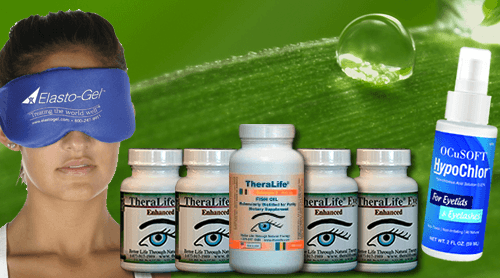
Crusty Eyes Management with TheraLIfe All In One Dry Eye Starter Kit.
Add To Cart
Key Takeaways
- TheraLife targets inflammation and restores tear gland function to reduce severe morning eye crust and discomfort.
- Clinically proven botanicals enhance natural tear production, improving tear film integrity for comfortable mornings.
- TheraLife addresses root causes of excessive eye discharge, unlike home remedies that offer only temporary relief.
- Users report reduced frequency and severity of eye crust, even after other treatments failed.
- Incorporating TheraLife into your morning routine supports lasting ocular health and minimizes bothersome eyelid debris.
Why Do Eyes Get Crusted Overnight?
When you wake up with crusted eyelids, it’s usually due to the accumulation of dried tear film components—such as mucus, oil, and cellular debris—produced overnight. During sleep, your blink rate decreases, reducing the natural clearance of these substances from the ocular surface. The meibomian glands continue secreting oil, while the lacrimal glands produce basal tears, both of which can combine with sloughed epithelial cells. Chronic conditions like blepharitis can exacerbate crusty eyes, leading to more significant discomfort if left untreated. Ineffective sleep hygiene, such as failing to remove makeup or environmental allergens before bed, can exacerbate this buildup. Proper eyelid care, including nightly cleansing with gentle, hypoallergenic solutions, helps minimize debris accumulation. Maintaining ideal sleep hygiene and consistent eyelid care reduces the risk of chronic crusting and supports healthier ocular surface integrity. This approach is essential for preventing morning discomfort.
Is Your Morning Eye Crust Severe? Here’s How to Tell
Normal eye discharge—often called “sleep” or rheum—tends to be minimal, clear to pale yellow, and easily removed during eye hygiene routines.
If you’re noticing thick, green or yellow crust, excessive accumulation, or crust that causes eyelids to stick together, these are clinical indicators of a more severe underlying issue, such as blepharitis, conjunctivitis, or meibomian gland dysfunction.
Pay attention to accompanying symptoms: redness, swelling, irritation, or visual disturbance suggest pathology rather than benign nocturnal discharge.
Additionally, poor sleep quality can exacerbate symptoms due to reduced tear film stability overnight.
Track frequency and severity over time; persistent or worsening crust warrants evaluation by an eye care professional to prevent complications.
Proper eye hygiene is crucial for mitigating crusty eyes and associated issues.
How TheraLife Stops Eye Crust at the Source
You address severe eye crust at its root by targeting inflammation and restoring tear film homeostasis. TheraLife’s approach uses clinically supported botanicals to modulate immune response and promote normal gland function. With this strategy, you can reduce the triggers that cause excessive discharge and improve ocular surface health. TheraLife is clinically proven in 6 separate 12-week studies to reduce eye dryness symptoms and improve tear production.
Reducing Inflammation Naturally
Although chronic eye crust often results from persistent inflammation of the eyelid margins and ocular surface, addressing this inflammation at its root is essential for effective management.
You’ll find that integrating evidence-based natural remedies, such as warm compresses and lid scrubs, can greatly reduce microbial colonization and biofilm formation on the eyelid margins. Consistent eye hygiene minimizes antigenic triggers and helps control inflammatory cascades.
TheraLife leverages botanically derived anti-inflammatory agents that target the cytokine pathways responsible for chronic irritation, providing a non-pharmacological approach to symptom relief.
Diagnostic studies indicate that reducing ocular surface inflammation decreases the likelihood of nocturnal eye crust accumulation.
Blepharitis can be classified as anterior or posterior, with anterior resembling dandruff and posterior affecting oil-secreting glands, often leading to dry eyes due to gland dysfunction.
Restoring Tear Film Balance
When the tear film becomes destabilized, the ocular surface loses essential protection against desiccation and microbial overgrowth, both of which contribute to severe eye crust. You need a stable tear film to maintain ideal eye hydration and barrier function. Diagnostic studies confirm that imbalanced tear film layers—lipid, aqueous, and mucin—lead to surface dryness, increased epithelial cell sloughing, and greater risk for crust formation. TheraLife targets the underlying etiology by enhancing natural tear production and restoring the tear film’s integrity. Its bioactive ingredients support meibomian gland health, bolstering lipid secretion for sustained hydration. Artificial tears provide temporary relief, but may not address underlying issues, making solutions like TheraLife essential for comprehensive care.
What Makes TheraLife Work for Morning Eye Crust?
You’ll find TheraLife works by combining natural anti-inflammatory compounds that address ocular surface irritation. It supports tear gland function to restore physiological tear production. This approach targets the underlying causes of morning eye crust rather than masking symptoms. Additionally, TheraLife’s effectiveness has been clinically proven in six separate 12-week studies, showing significant improvement in tear production and symptom reduction.
Natural Anti-Inflammatory Ingredients
Because inflammation often underlies persistent morning eye crust, TheraLife targets this process with a blend of natural anti-inflammatory ingredients.
When you experience recurring eye discharge upon waking, clinical evidence points to inflammatory mediators disrupting ocular surface homeostasis.
TheraLife’s formulation leverages natural ingredients such as curcumin, omega-3 fatty acids, and antioxidants, all documented to modulate cytokine activity and suppress pro-inflammatory pathways.
By reducing local inflammation, these compounds help minimize the accumulation of crust and support a healthier periocular environment.
Diagnostic studies highlight the significance of inflammation reduction in managing chronic eye crust symptoms.
When you select a product rooted in evidence-based natural ingredients, you’re addressing the core etiology rather than just masking symptoms.
Additionally, maintaining proper balance of tears is crucial in preventing eye discomfort and promoting ocular health, particularly in those suffering from dry eye conditions.
This targeted approach offers a clinically sound pathway to relief.
Supports Tear Gland Function
Although persistent morning eye crust often signals disrupted tear film dynamics, TheraLife addresses this by supporting tear gland function at a cellular level.
You’ll find that its targeted formulation is designed to restore normal tear production by enhancing the health of your lacrimal and meibomian glands.
Clinically, insufficient tear secretion or poor gland health often results in increased debris accumulation and eye crusting upon waking.
TheraLife’s mechanism of action promotes cellular regeneration within these glands, optimizing their ability to secrete balanced tears.
By improving both the aqueous and lipid layers of your tear film, TheraLife aids in maintaining a stable ocular surface.
This evidence-based approach not only alleviates symptoms but targets the diagnostic root—compromised tear gland function—reducing the frequency and severity of severe eye crust.
TheraLife’s comprehensive solution, which includes FDA approved ingredients, ensures safety and efficacy, providing relief from chronic autoimmune dry eyes.
Targets Underlying Eye Issues
Beyond supporting tear gland function, TheraLife directly addresses the root causes of morning eye crust by targeting underlying ocular surface disorders.
You benefit from a mechanism that reduces inflammation commonly associated with chronic blepharitis and meibomian gland dysfunction—two major contributors to persistent eye discharge.
TheraLife’s integrative approach encourages proper eyelid care and promotes ideal eye hygiene, which are both essential for managing biofilm accumulation and bacterial overgrowth along the lid margin.
By modulating the immune response and improving meibomian gland secretions, TheraLife reduces the risk of overnight debris buildup that manifests as severe crusting upon waking.
Regular eyelid cleansing reduces bacterial load and is recommended, as it is crucial for preventing recurring chalazia and maintaining long-term ocular health.
This targeted intervention supports thorough ocular health, allowing you to address both the symptoms and the underlying pathology driving your morning eye discomfort.
How to Use TheraLife for Morning Eye Crust Relief
To effectively address morning eye crust with TheraLife, initiate therapy by administering the recommended oral dosage as indicated in clinical guidelines, ensuring consistent daily use.
Incorporate TheraLife application into your morning routine to maximize therapeutic benefit and maintain ocular surface health. Evidence demonstrates that consistent adherence supports restoration of tear film stability and reduces inflammatory debris, thereby minimizing morning eye crust formation.
Follow these steps for ideal results:
- Take TheraLife capsules as prescribed, typically with water and food to enhance absorption.
- Maintain punctuality in dosing to stabilize systemic bioavailability.
- Monitor symptom progression and document any changes in severity or frequency of morning crust.
- Consult your eye care provider for periodic evaluation and therapy adjustment as clinically indicated.
- TheraLife Eye Formula + Enhancer has shown significant improvements in both subjective and objective measures, suggesting its effectiveness in managing dry eye conditions.
Consistent, evidence-based TheraLife application greatly improves morning comfort and ocular health.
TheraLife vs. Home Remedies for Eye Crust
While many individuals attempt to manage eye crust with home remedies such as warm compresses or over-the-counter artificial tears, these approaches often provide only temporary symptomatic relief without addressing underlying inflammatory or tear film dysfunction.
When you rely solely on home remedies, you may overlook persistent meibomian gland dysfunction, chronic blepharitis, or systemic inflammation that contribute to morning eye crust.
TheraLife targets the root causes by supporting tear film homeostasis and modulating inflammatory pathways, offering a more thorough solution than basic eye hygiene alone.
Clinical evidence suggests that consistent TheraLife use improves both subjective symptoms and objective ocular surface findings, whereas home remedies typically fail to resolve chronic pathology.
For those experiencing recurrent or severe eye crust, focusing on the underlying pathology is essential for long-term management and ocular surface health.
Simple Tips to Prevent Eye Crust Buildup
Addressing the underlying causes of persistent eye crust is key, but adopting specific daily practices can further minimize crust formation.
Implementing evidence-based strategies in your nighttime hygiene and eye care routines considerably reduces the risk of debris accumulation and eyelid inflammation overnight. Clinical research highlights the importance of maintaining a clean periocular environment and supporting ideal meibomian gland function.
To prevent excessive eye crust, consider integrating these diagnostic-focused tips:
- Gently cleanse eyelids with a sterile, hypoallergenic wipe before bed to remove microbial biofilm.
- Apply a warm compress nightly to enhance meibum secretion and decrease gland obstruction.
- Avoid touching or rubbing your eyes, especially with unwashed hands, to limit pathogen exposure.
- Replace pillowcases and towels frequently to minimize allergen and bacterial contact.
These targeted steps support healthier eyes and more comfortable mornings.
Real Stories: How TheraLife Helped End Morning Eye Crust
Even after following best practices in eyelid hygiene, many individuals continue to struggle with severe morning eye crust linked to underlying meibomian gland dysfunction or chronic blepharitis.
When conventional treatments fail to resolve symptoms, it’s essential to evaluate targeted therapies. You might find reassurance in real experiences and personal testimonials from patients who’ve integrated TheraLife’s oral therapy into their daily regimen.
These accounts frequently highlight measurable improvements, such as reduced eyelid debris, diminished inflammation, and a decrease in the frequency and severity of eye crust upon awakening.
Diagnostic follow-up often reveals improved meibomian gland secretion quality and a stabilized tear film.
Get Rid Of Crusty Eyes – Treat Your Dry Eyes -The Root Cause With TheraLife
Crusty Eyes Management with TheraLIfe All In One Dry Eye Starter Kit.
Add To Cart
Frequently Asked Questions
Can Children Use Theralife for Morning Eye Crust?
Children shouldn’t use TheraLife products for children’s eye care or morning crust prevention without consulting a pediatric ophthalmologist.
You need to identify the underlying cause—whether it’s blepharitis, allergy, or infection—through a clinical evaluation.
Evidence-based pediatric protocols prioritize age-appropriate, well-studied interventions.
Don’t initiate adult-formulated supplements or therapies until a specialist assesses your child’s symptoms and determines the safest treatment.
Always prioritize diagnostic accuracy and safety in managing morning eye crust in children.
Is Theralife Safe to Use With Contact Lenses?
Imagine you’re a contact lens wearer struggling with dryness—TheraLife’s effectiveness can offer relief, but you should take TheraLife precautions.
Clinical evidence suggests its systemic approach supports tear production, yet you shouldn’t apply it directly to your lenses or eyes. Instead, take TheraLife orally as directed and remove your contacts before use.
Consult your eye care professional to guarantee safety, monitor for adverse effects, and optimize your ocular surface health while using contact lenses.
Are There Any Side Effects Associated With Theralife?
You may experience mild side effects with TheraLife, such as gastrointestinal discomfort or headaches, according to user experiences and clinical data.
Most users tolerate TheraLife well, but in rare instances, allergic reactions or sensitivity to ingredients may occur.
It’s important to monitor for any adverse reactions and consult your healthcare provider for diagnostic clarification.
Evidence-based analyses suggest side effects are generally minimal, but individualized assessment remains essential for best safety.
How Long Does One Theralife Treatment Last?
You’ll find that one TheraLife treatment typically lasts for several hours, though the specific treatment duration varies based on individual response.
Clinical data suggest that the effectiveness timeline can range from a few days to several weeks of consistent use to achieve ideal results.
Your ocular symptoms should be reassessed periodically to monitor therapeutic outcomes and adjust dosage as necessary, ensuring the intervention aligns with evidence-based diagnostic protocols for chronic eye discomfort.
Can Theralife Be Used Alongside Prescription Eye Drops?
Yes, you can use TheraLife alongside prescription eye drops, as studies indicate high TheraLife compatibility with common ophthalmic medications.
Current evidence shows minimal prescription interaction, though you should monitor for any unexpected symptoms.
It’s advisable to stagger administration times to optimize absorption and efficacy.
Always consult your eye care professional for diagnostic evaluation and personalized guidance, ensuring your combined regimen is safe and effective for your underlying ocular surface disease.
Get Rid Of Crusty Eyes – Treat Your Dry Eyes With TheraLife
Crusty Eyes Management with TheraLIfe All In One Dry Eye Starter Kit.
Add To Cart
Conclusion
When you wake up with eyes crustier than a medieval knight’s visor, it’s time for a specialized solution. TheraLife’s unique approach revolutionizes eye care by offering the only clinically-proven oral treatment for severe eye crust, directly addressing the root causes. Unlike outdated home remedies, TheraLife’s scientifically validated regimen ensures effective results, enhancing ocular surface health. With TheraLife, prioritize waking up to clear vision, not yesterday’s battle scars, and experience the unparalleled comfort and relief provided by their innovative products.
References
- 1.
- The definition and classification of dry eye disease: report of the Definition and Classification Subcommittee of the International Dry Eye WorkShop (2007). Ocul Surf. 2007 Apr;5(2):75-92. [PubMed]
- 2.
- Huang R, Su C, Fang L, Lu J, Chen J, Ding Y. Dry eye syndrome: comprehensive etiologies and recent clinical trials. Int Ophthalmol. 2022 Oct;42(10):3253-3272. [PMC free article] [PubMed]
- 3.
- Craig JP, Nichols KK, Akpek EK, Caffery B, Dua HS, Joo CK, Liu Z, Nelson JD, Nichols JJ, Tsubota K, Stapleton F. TFOS DEWS II Definition and Classification Report. Ocul Surf. 2017 Jul;15(3):276-283. [PubMed]
- 4.
- King-Smith PE, Fink BA, Hill RM, Koelling KW, Tiffany JM. The thickness of the tear film. Curr Eye Res. 2004 Oct-Nov;29(4-5):357-68. [PubMed]
- 5.
- King-Smith PE, Fink BA, Fogt N, Nichols KK, Hill RM, Wilson GS. The thickness of the human precorneal tear film: evidence from reflection spectra. Invest Ophthalmol Vis Sci. 2000 Oct;41(11):3348-59. [PubMed]
- 6.
- Chen Q, Wang J, Tao A, Shen M, Jiao S, Lu F. Ultrahigh-resolution measurement by optical coherence tomography of dynamic tear film changes on contact lenses. Invest Ophthalmol Vis Sci. 2010 Apr;51(4):1988-93. [PMC free article] [PubMed]
- 7.
- Willcox MDP, Argüeso P, Georgiev GA, Holopainen JM, Laurie GW, Millar TJ, Papas EB, Rolland JP, Schmidt TA, Stahl U, Suarez T, Subbaraman LN, Uçakhan OÖ, Jones L. TFOS DEWS II Tear Film Report. Ocul Surf. 2017 Jul;15(3):366-403. [PMC free article] [PubMed]
- 8.
- Peng CC, Cerretani C, Braun RJ, Radke CJ. Evaporation-driven instability of the precorneal tear film. Adv Colloid Interface Sci. 2014 Apr;206:250-64. [PubMed]
- 9.
- Zhou L, Beuerman RW. Tear analysis in ocular surface diseases. Prog Retin Eye Res. 2012 Nov;31(6):527-50. [PubMed]
- 10.
- Mantelli F, Mauris J, Argüeso P. The ocular surface epithelial barrier and other mechanisms of mucosal protection: from allergy to infectious diseases. Curr Opin Allergy Clin Immunol. 2013 Oct;13(5):563-8. [PMC free article] [PubMed]
- 11.
- O’Neil EC, Henderson M, Massaro-Giordano M, Bunya VY. Advances in dry eye disease treatment. Curr Opin Ophthalmol. 2019 May;30(3):166-178. [PMC free article] [PubMed]
- 12.
- Fjaervoll K, Fjaervoll H, Magno M, Nøland ST, Dartt DA, Vehof J, Utheim TP. Review on the possible pathophysiological mechanisms underlying visual display terminal-associated dry eye disease. Acta Ophthalmol. 2022 Dec;100(8):861-877. [PMC free article] [PubMed]
- 13.
- Craig JP, Nelson JD, Azar DT, Belmonte C, Bron AJ, Chauhan SK, de Paiva CS, Gomes JAP, Hammitt KM, Jones L, Nichols JJ, Nichols KK, Novack GD, Stapleton FJ, Willcox MDP, Wolffsohn JS, Sullivan DA. TFOS DEWS II Report Executive Summary. Ocul Surf. 2017 Oct;15(4):802-812. [PubMed]
- 14.
- Qian L, Wei W. Identified risk factors for dry eye syndrome: A systematic review and meta-analysis. PLoS One. 2022;17(8):e0271267. [PMC free article] [PubMed]
- 15.
- I Y Hasan ZA. Dry eye syndrome risk factors: A systemic review. Saudi J Ophthalmol. 2021 Apr-Jun;35(2):131-139. [PMC free article] [PubMed]