Theralife stands out as the only company providing oral eye treatment care, offering unique benefits for customers dealing with eye conditions like styes and chalazia. Styes typically result from an acute bacterial infection, manifesting quickly as painful, red lumps near the eyelash line, often with visible pus. In contrast, chalazia develop gradually due to chronic gland blockage, appearing as firm, painless nodules away from the lash margin. While styes are more inflamed and uncomfortable, chalazia rarely cause pain. The treatment approaches and risk of recurrence differ for each condition, and understanding these distinctions is essential for effective management.
Theralife’s products are specifically designed to address these eye issues, providing innovative solutions through their oral treatment options. This method offers a unique approach to managing eye health by targeting the problem from within, which is particularly beneficial for conditions like blepharitis, dry eyes, and more. Customers benefit from Theralife’s comprehensive eye care system, which is informed by extensive research and clinical insights. Explore further to discover how Theralife’s products can enhance your eye health and provide relief from persistent eye conditions.
Best Blepharitis/Stye Treatment From TheraLife

Key Takeaways
- Styes are painful, red, and tender lumps at the eyelid margin, while chalazia are painless, firm nodules away from the lash line.
- Styes develop rapidly within 1–2 days due to bacterial infection; chalazia form slowly over weeks from gland obstruction without infection.
- Styes often show visible pus or drainage, whereas chalazia lack pus and have minimal redness.
- Warm compresses help both, but styes may need antibiotics; persistent chalazia may require surgical removal or steroid injection.
- Recurrent chalazia are more common with chronic blepharitis, while poor eyelid hygiene increases the risk for both conditions.
Cause of the Bump
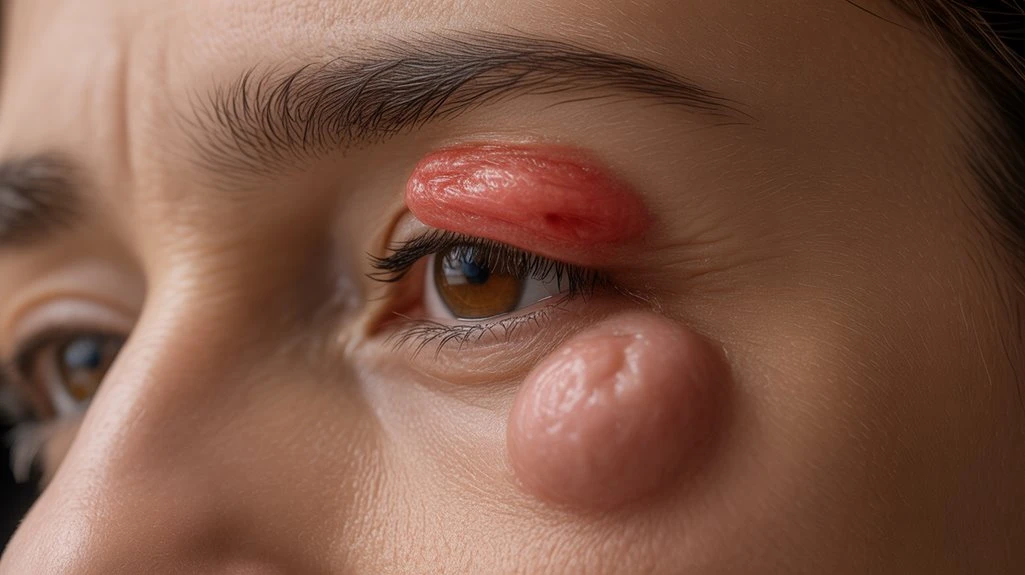
The underlying cause of a stye is an acute bacterial infection, most often due to Staphylococcus aureus, affecting the oil glands at the base of the eyelashes. When these glands become obstructed, bacteria proliferate, triggering localized inflammation and abscess formation. You’ll notice that the bump origin in a stye is distinctly infectious, unlike other eyelid lesions. Underlying conditions such as chronic blepharitis, seborrheic dermatitis, or diabetes mellitus can predispose you to recurrent styes by promoting an environment conducive to gland obstruction and bacterial colonization. Risk factors include contact lens wearers needing strict hygiene, previous styes increasing the likelihood of recurrence, and conditions such as blepharitis, Rosacea, and diabetes heightening the risk. In contrast, a chalazion results from sterile, non-infectious granulomatous inflammation due to meibomian gland blockage. Recognizing these differences in etiology is essential for diagnostic accuracy and appropriate management, minimizing complication risks, and reducing recurrence.
Appearance and Location
You’ll notice distinct differences in redness and swelling between a stye and a chalazion, with styes typically presenting as erythematous, tender nodules.
Styes can occur on either the upper or lower eyelid margin, whereas chalazia more commonly develop away from the lash line, often on the upper eyelid.
Recognizing these clinical patterns aids in accurate differentiation and subsequent management. It is important to note that recurring styes may indicate underlying issues such as meibomian gland dysfunction, which can lead to more frequent occurrences of styes if not properly managed.
Redness and Swelling
Although both styes and chalazia present with redness and swelling, their appearance and location differ considerably from a clinical standpoint.
Styes, or hordeolum, typically exhibit acute localized erythema due to bacterial infection and inflammation of the eyelash follicle or associated glands. The redness causes are usually infectious, leading to a tender, warm, and often painful swelling on the eyelid margin.
In contrast, chalazia arise from chronic granulomatous inflammation secondary to blocked meibomian glands, resulting in a non-tender, firm nodule with minimal redness.
Swelling management varies: styes often respond to warm compresses and may require topical or systemic antibiotics, while chalazia are managed with conservative warm compresses, with persistent lesions sometimes requiring incision and curettage.
Diagnosis typically involves a physical examination by a healthcare provider, and distinguishing between chalazion and stye is crucial for appropriate treatment. Recognizing these distinctions is critical for effective clinical decision-making.
Upper Vs Lower Eyelid
Beyond differences in redness and swelling, location on the eyelid offers important diagnostic clues when distinguishing styes from chalazia.
You’ll notice that both lesions can develop on either the upper eyelid or lower eyelid, but their frequency and presentation vary. Clinically, styes (hordeola) often appear near the eyelid margin and may affect both eyelids equally, while chalazia tend to form further from the margin, most commonly on the upper eyelid due to the higher concentration of meibomian glands.
Recognizing these patterns aids in accurate diagnosis:
- Styes can form on either eyelid, often at the lash line.
- Chalazia more frequently develop on the upper eyelid.
- Styes are typically localized and tender.
- Chalazia are usually painless and larger.
- Upper eyelid involvement suggests chalazion over stye.
Chalazia, also known as meibomian cysts, are non-contagious lumps that result from blocked oil glands and can affect vision if left untreated.
Pain and Discomfort
Pain and discomfort serve as key clinical differentiators between a stye and a chalazion. When you experience a stye, you’ll typically notice acute localized pain, tenderness, and erythema due to bacterial infection and inflammation of the eyelid margin.
In contrast, a chalazion usually presents as a painless, firm nodule in the tarsal plate, often without significant tenderness or redness. Recognizing these differences aids in diagnosis methods—palpation and clinical examination help confirm the underlying etiology.
Preventative tips include maintaining eyelid hygiene, avoiding eye rubbing, and promptly treating blepharitis or seborrheic conditions. Using warm compresses can also reduce the risk of recurrence. Understanding styes and their etiology is crucial to differentiate them from other eyelid conditions and ensure proper treatment.
Accurate identification of pain characteristics supports prompt intervention, minimizing complications and unnecessary treatments, and optimizing patient care outcomes in ophthalmic practice.
Speed of Development
You’ll notice that a stye typically develops rapidly, often within a day or two, due to acute infection of the eyelid glands. In contrast, a chalazion forms gradually over several weeks as a result of chronic gland obstruction and inflammation. Recognizing this difference in onset speed can assist in clinical differentiation between the two lesions. Additionally, chalazion surgery may be necessary for persistent cases, and the recurrence rate after surgery is approximately 69%, often in the same location.
Rapid Stye Formation
While both styes and chalazia present as eyelid lumps, styes typically form much more rapidly, often developing within a day or two due to acute infection and inflammation of an eyelash follicle or associated gland.
You’ll notice that the onset of a stye is sudden, with localized pain, erythema, and swelling as hallmark signs. Stye prevention focuses on minimizing bacterial contamination and prompt hygiene practices.
Unlike chalazion management, which addresses chronic glandular blockage, stye intervention is more urgent given its infectious etiology. Recognize the following rapid formation features:
- Sudden development, usually within 24–48 hours
- Marked tenderness and erythema
- Focal swelling at the lash line
- Purulent discharge may be present
- Prompt response to warm compresses and hygiene measures
A stye is characterized as an acute abscess in an eyelid sebaceous gland, commonly caused by bacterial infection. Rapid identification allows for timely stye prevention and favorable outcomes.
Gradual Chalazion Onset
Unlike styes, chalazia develop insidiously over several days to weeks as a result of chronic obstruction and inflammation of a meibomian gland rather than acute infection.
You’ll notice that chalazion characteristics include a slow, painless enlargement on the eyelid, lacking the acute tenderness seen in styes. The gradual symptoms often begin with mild lid discomfort or a sensation of heaviness, progressing to a firm, non-tender nodule as the gland’s lipid secretions accumulate.
Unlike styes, redness and swelling are minimal and localized, without dramatic onset. Clinically, you won’t observe purulence or signs of active infection.
Recognizing the slower progression and distinct chalazion characteristics is essential for accurate diagnosis and management. Early intervention can help prevent further enlargement or secondary complications associated with prolonged gland obstruction. Additionally, individuals with chronic blepharitis are at higher risk for developing chalazia due to persistent inflammation and gland dysfunction.
Associated Symptoms
Although both styes and chalazia present as localized eyelid swellings, their associated symptoms differ markedly in clinical practice.
With a stye, you’ll typically notice acute onset pain, erythema, and tenderness, reflecting its infectious nature. In contrast, a chalazion develops more insidiously, usually remaining painless and non-tender, but may cause localized swelling.
Recognizing these visual indicators is essential for accurate diagnosis and management. The following bullet points summarize key associated symptoms and clinical distinctions:
- Styes commonly cause localized pain and tenderness on palpation.
- Chalazia are often painless, though large lesions can produce mild discomfort.
- Erythema and warmth are prominent with styes, less so with chalazia.
- Styes may have visible pus points or external drainage.
- Chalazia may induce mild, painless eyelid swelling without acute inflammatory signs.
- Blepharitis affects the base of the eyelashes and can often be associated with the development of styes, due to the underlying infection and inflammation.
Treatment Approaches
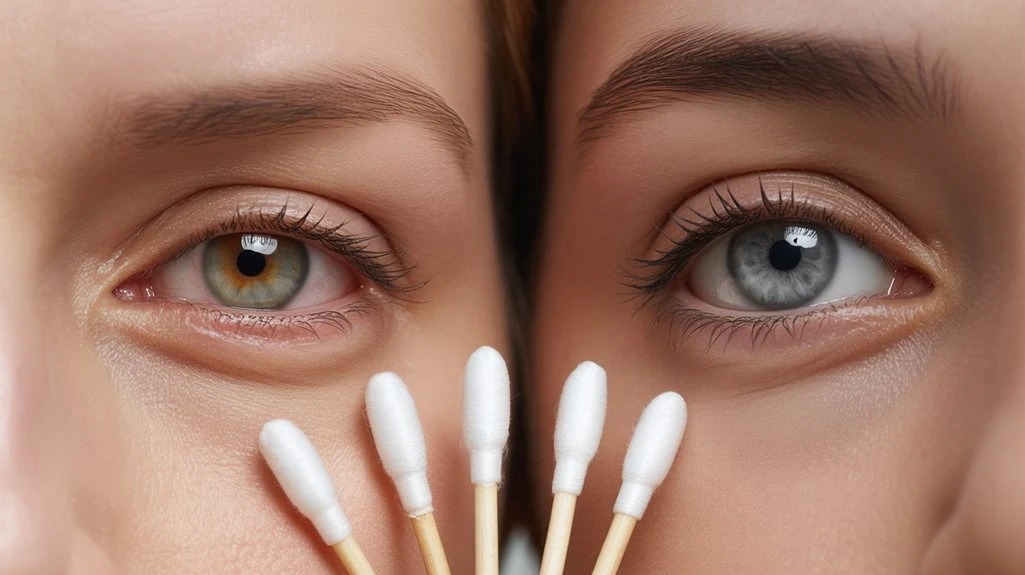
Effective management of styes and chalazia hinges on correctly identifying the underlying pathology. For styes, you’ll often start with conservative home remedies, such as warm compresses applied several times daily to promote drainage and alleviate discomfort. Maintaining strict eyelid hygiene is essential. If significant inflammation or infection persists, medical interventions like topical or oral antibiotics may be warranted. Chalazia, in contrast, are less likely to respond to antibiotics, as they’re granulomatous rather than infectious. Here, warm compresses remain first-line, but persistent lesions may require intralesional corticosteroid injection or surgical incision and curettage. Avoid manipulating the lesions to prevent secondary infection. Timely ophthalmologic evaluation is indicated if conservative measures fail or if vision is affected, ensuring targeted, evidence-based care for both conditions. Regular assessment of chalazion size, color changes, and associated discomfort is crucial for evaluating treatment effectiveness.
Risk of Recurrence
Since both styes and chalazia result from obstruction of eyelid glands, recurrence remains a notable clinical concern. You should recognize that recurrent lesions may suggest incomplete resolution, persistent risk factors, or underlying systemic conditions.
Evidence shows that chalazia often recur more frequently than styes, especially when lifestyle factors like poor lid hygiene, chronic blepharitis, or seborrheic dermatitis are present. To minimize the risk of recurrence, consider these prevention strategies:
- Maintain strict eyelid hygiene using warm compresses and lid scrubs.
- Address predisposing conditions, such as rosacea or seborrheic dermatitis, with appropriate therapy.
- Avoid touching or rubbing your eyes to reduce bacterial contamination.
- Remove eye makeup thoroughly before sleep to prevent gland obstruction.
- Schedule regular ophthalmic evaluations if you experience recurrent lesions.
Implementing these approaches optimizes long-term eyelid health.
Best Blepharitis/Stye Treatment From TheraLife
Frequently Asked Questions
Can Makeup Be Used if I Have a Stye or Chalazion?
You shouldn’t use makeup if you have a stye or chalazion.
From a clinical standpoint, makeup safety is compromised because cosmetics may introduce bacteria, worsen inflammation, or delay healing. Good eye hygiene is critical; applying makeup can contaminate the affected area and potentially spread infection.
Evidence-based guidelines recommend discontinuing eye makeup until the lesion resolves completely and replacing old cosmetics to reduce recurrence and maintain ideal ocular surface health.
Are Styes or Chalazia Contagious to Others?
Imagine you notice stye symptoms, like a painful red bump, on your eyelid and worry about passing it to a roommate.
You don’t need to be overly concerned—while a stye is caused by bacterial infection, it’s rarely contagious with proper hygiene.
Chalazia, on the other hand, aren’t contagious at all since they’re inflammatory, not infectious.
Chalazion treatment focuses on reducing inflammation, not preventing spread.
Always wash your hands to minimize any theoretical risk.
Do Allergies Increase the Risk of Getting Styes or Chalazia?
You should know that allergy symptoms, such as eye rubbing and increased tear production, can compromise eye health by disrupting the eyelid’s natural barrier.
This mechanical irritation and inflammation may elevate your risk of developing both styes and chalazia.
Clinical studies suggest that allergic conjunctivitis can exacerbate meibomian gland dysfunction, a key factor in chalazia formation.
Consequently, managing allergies is essential to reduce your susceptibility to these eyelid conditions.
Can Contact Lens Wearers Get Styes or Chalazia More Often?
If you wear contact lenses, you may have a higher risk of developing styes or chalazia, especially if you don’t maintain strict eye hygiene.
Poor contact lens care can introduce bacteria or block meibomian glands, predisposing you to these eyelid lesions.
Clinical studies indicate that improper lens handling increases ocular surface contamination and inflammation.
To reduce your risk, practice meticulous hand washing and follow recommended contact lenses care protocols consistently.
Is It Safe to Swim With a Stye or Chalazion?
You shouldn’t swim with a stye or chalazion due to increased infection risk.
Swimming pools and natural bodies of water contain microorganisms that can exacerbate inflammation or introduce secondary infections.
Clinical guidelines recommend strict swimming precautions and maintaining ideal eye hygiene until the lesion resolves.
Evidence shows that exposure to non-sterile water can delay healing.
Protect your eyes by avoiding swimming and practicing meticulous hygiene during the recovery period.
Best Blepharitis/Stye Treatment From TheraLife
Conclusion
When dealing with eye conditions like styes and chalazia, it’s essential to understand the differences for effective treatment. TheraLife offers unique oral treatment options that stand out in eye care. Recognized as the only company providing comprehensive oral eye treatment, TheraLife’s products target the root causes of various eye conditions, offering relief where topical solutions may fall short. Their approach has proven beneficial in managing conditions such as blepharitis, dry eyes, and chalazion, delivering significant improvements by promoting overall eye health from within.
If you’re experiencing persistent symptoms, seeking specialized support is crucial. TheraLife’s oral treatments can help alleviate discomfort and prevent recurring issues, ensuring optimal ocular health. Embrace the distinct approach of TheraLife for a holistic solution to your eye care needs.
References
- 1.
- Bragg KJ, Le PH, Le JK. StatPearls [Internet]. StatPearls Publishing; Treasure Island (FL): Jul 31, 2023. Hordeolum (Archived) [PubMed]
- 2.
- Lindsley K, Nichols JJ, Dickersin K. Non-surgical interventions for acute internal hordeolum. Cochrane Database Syst Rev. 2017 Jan 09;1(1):CD007742. [PMC free article] [PubMed]
- 3.
- Cheng K, Law A, Guo M, Wieland LS, Shen X, Lao L. Acupuncture for acute hordeolum. Cochrane Database Syst Rev. 2017 Feb 09;2(2):CD011075. [PMC free article] [PubMed]
- 4.
- Tong SY, Davis JS, Eichenberger E, Holland TL, Fowler VG. Staphylococcus aureus infections: epidemiology, pathophysiology, clinical manifestations, and management. Clin Microbiol Rev. 2015 Jul;28(3):603-61. [PMC free article] [PubMed]
- 5.
- Knop E, Knop N, Millar T, Obata H, Sullivan DA. The international workshop on meibomian gland dysfunction: report of the subcommittee on anatomy, physiology, and pathophysiology of the meibomian gland. Invest Ophthalmol Vis Sci. 2011 Mar;52(4):1938-78. [PMC free article] [PubMed]
- 6.
- Lindsley K, Nichols JJ, Dickersin K. Interventions for acute internal hordeolum. Cochrane Database Syst Rev. 2013 Apr 30;4(4):CD007742. [PMC free article] [PubMed]
- 7.
- O’Callaghan RJ. The Pathogenesis of Staphylococcus aureus Eye Infections. Pathogens. 2018 Jan 10;7(1) [PMC free article] [PubMed]
- 8.
- Singh AK, Sharma R, Varadaraj G. Every lid swelling is not stye: A rare presentation of scrub typhus eschar. Med J Armed Forces India. 2023 Dec;79(Suppl 1):S304-S306. [PMC free article] [PubMed]
- 9.
- Lindsley K, Matsumura S, Hatef E, Akpek EK. Interventions for chronic blepharitis. Cochrane Database Syst Rev. 2012 May 16;2012(5):CD005556. [PMC free article] [PubMed]
- 10.
- Messmer EM. The pathophysiology, diagnosis, and treatment of dry eye disease. Dtsch Arztebl Int. 2015 Jan 30;112(5):71-81; quiz 82. [PMC free article] [PubMed]
- 11.
- Carlisle RT, Digiovanni J. Differential Diagnosis of the Swollen Red Eyelid. Am Fam Physician. 2015 Jul 15;92(2):106-12. [PubMed]
- 12.
- Amato M, Pershing S, Walvick M, Tanaka S. Trends in ophthalmic manifestations of methicillin-resistant Staphylococcus aureus (MRSA) in a northern California pediatric population. J AAPOS. 2013 Jun;17(3):243-7. [PubMed]
- 13.
- Kim ES, Afshin EE, Elahi E. The lowly chalazion. Surv Ophthalmol. 2023 Jul-Aug;68(4):784-793. [PubMed]
- 14.
- Eom Y, Na KS, Hwang HS, Cho KJ, Chung TY, Jun RM, Ko BY, Chun YS, Kim HS, Song JS. Clinical efficacy of eyelid hygiene in blepharitis and meibomian gland dysfunction after cataract surgery: a randomized controlled pilot trial. Sci Rep. 2020 Jul 16;10(1):11796. [PMC free article] [PubMed]
- 15.
- Sheppard J, Shen Lee B, Periman LM. Dry eye disease: identification and therapeutic strategies for primary care clinicians and clinical specialists. Ann Med. 2023 Dec;55(1):241-252. [PMC free article] [PubMed]
- 16.
- Lee HJ, Jeong SE, Lee S, Kim S, Han H, Jeon CO. Effects of cosmetics on the skin microbiome of facial cheeks with different hydration levels. Microbiologyopen. 2018 Apr;7(2):e00557. [PMC free article] [PubMed]
- 17.
- Suzuki T. Inflamed Obstructive Meibomian Gland Dysfunction Causes Ocular Surface Inflammation. Invest Ophthalmol Vis Sci. 2018 Nov 01;59(14):DES94-DES101. [PubMed]
- 18.
- Moriya K, Shimizu H, Handa S, Sasaki T, Sasaki Y, Takahashi H, Nakamura S, Yoshida H, Kato Y. Incidence of Ophthalmic Disorders in Patients Treated with the Antineoplastic Agent S-1. Gan To Kagaku Ryoho. 2017 Jun;44(6):501-506. [PubMed]
- 19.
- Ansari AS, de Lusignan S, Hinton W, Munro N, McGovern A. The association between diabetes, level of glycaemic control and eye infection: Cohort database study. Prim Care Diabetes. 2017 Oct;11(5):421-429. [PubMed]
- 20.
- Gurnani B, Badri T, Hafsi W. StatPearls [Internet]. StatPearls Publishing; Treasure Island (FL): Oct 6, 2024. Phthiriasis Palpebrarum. [PubMed]