
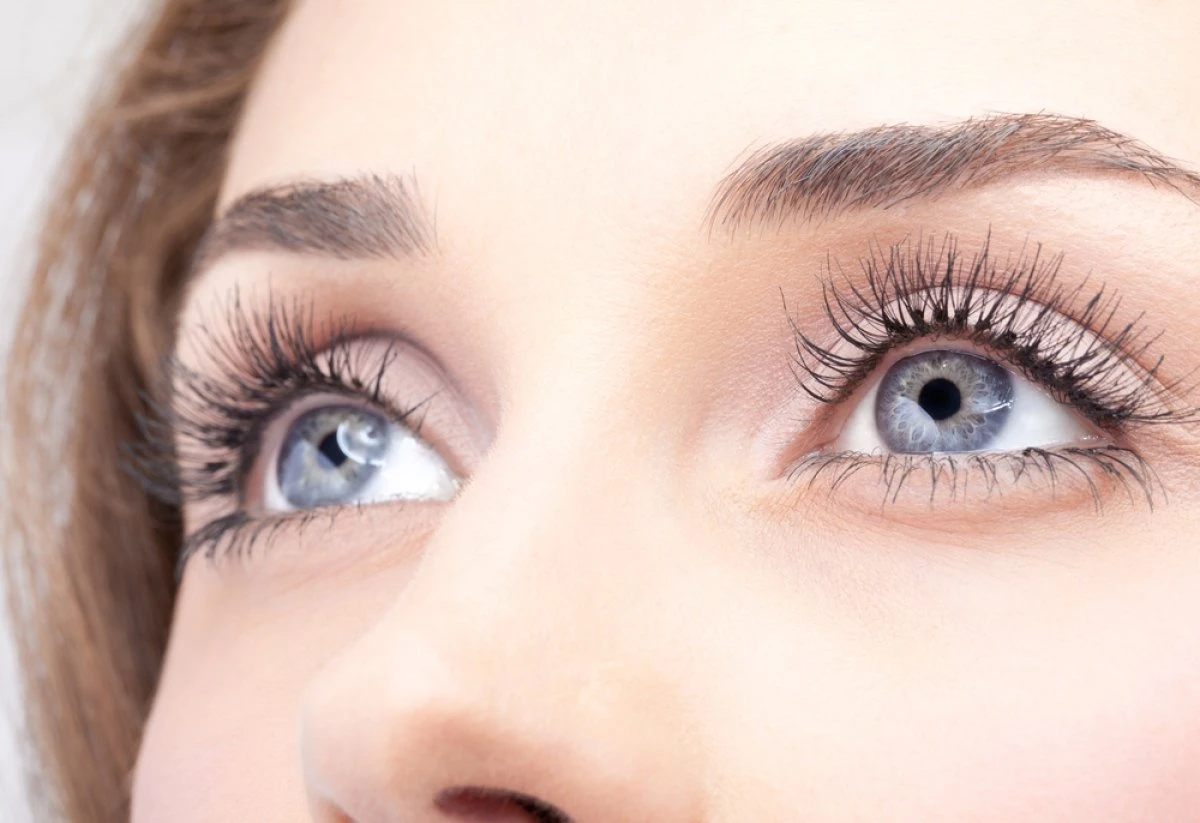

Theralife’s Detailed Blepharitis Kit offers a unique and comprehensive solution for eliminating eyelash mites and managing blepharitis. As the only company providing oral eye treatment care, Theralife targets Demodex overpopulation with an advanced system that includes cleansing products, anti-inflammatory capsules, and immune-modulating supplements. This approach effectively removes mite-attracting debris, disrupts mite reproduction, and restores balance to the eyelid margins. By adhering to precise daily eyelid hygiene protocols, customers can reduce chronic inflammation and prevent reinfestation. Consistent use leads to rapid relief from symptoms such as itching, redness, and discharge. Theralife’s commitment to innovative oral treatments and detailed prevention strategies ensures optimal customer benefits and long-term eye health.
Key Takeaways
- Theralife’s Comprehensive Blepharitis Kit effectively targets and disrupts the life cycle of eyelash mites (Demodex) for thorough infestation control.
- The kit includes a potent eyelid cleanser, anti-inflammatory capsules, and nutritional supplements to restore eyelid health and reduce inflammation.
- Daily use of the kit removes mite-associated debris, biofilm, and crusting along the lash line, preventing mite overpopulation.
- Consistent application improves symptoms like itching, burning, and redness, resulting in clearer, more comfortable eyes.
- Prevent reinfestation by maintaining eyelid hygiene, replacing cosmetics, and laundering linens frequently while following Theralife’s recommended protocol.
Eyelash Mites: What They Are and Why They Cause Blepharitis
Although eyelash mites, scientifically known as Demodex, are a natural component of the skin’s microbiome, their overpopulation can disrupt the delicate balance of the eyelid margin.
When Demodex densities increase, they can obstruct hair follicles and meibomian glands, contributing to blepharitis—a chronic inflammatory condition of the eyelids.
You’ll find that inadequate eyelash hygiene allows sebum, dead skin cells, and debris to accumulate, creating a favorable environment for mite proliferation.
Evidence-based studies indicate that Demodex mites exacerbate inflammation by acting as vectors for bacteria and triggering immune responses.
Effective mite prevention relies on maintaining strict eyelash hygiene, including regular cleansing with non-irritating solutions.
Research shows that tea tree oil has antimicrobial properties effective against Demodex, making it a beneficial ingredient in managing eyelash mite infestations.
Signs You Might Have Eyelash Mites
You may notice persistent pruritus along the eyelid margins, accumulation of crusty debris at the lash base, and chronic conjunctival erythema if eyelash mites are present. These symptoms result from mite-induced inflammation and the breakdown of epithelial cells. Clinical studies indicate that such manifestations often correlate with elevated Demodex populations on the lashes. Maintaining strict eye hygiene is crucial to prevent recurrence of mite infestations.
Persistent Eye Itching
When persistent eye itching occurs, it may indicate an underlying infestation of Demodex mites, which are microscopic parasites residing near the base of the eyelashes. These mites can trigger pruritus due to their exoskeletons and waste products, causing inflammatory responses that standard lubricating drops won’t relieve. If you’re experiencing chronic itchiness, it’s essential to practice rigorous eye hygiene, including precise lid scrubs and warm compresses, to disrupt the mites’ lifecycle and provide itch relief. It’s important to distinguish symptoms associated with Demodex from other ocular conditions:
| Symptom | Demodex-Related Feature |
|---|---|
| Persistent itching | Often worse in the morning |
| Redness | Localized to lash line |
| Swelling | Mild, peri-lid margin |
| Burning sensation | Common with infestation |
| Response to hygiene | Improves with scrubs |
Recognizing these clinical signs enables targeted treatment. Maintaining good eyelid hygiene can help control blepharitis symptoms, though it may not fully cure the condition.
Crusty Lash Build-Up
Crusty debris accumulating along the lash line—clinically referred to as cylindrical dandruff—is a hallmark indicator of Demodex mite infestation.
If you notice crusty lashes, especially upon waking, you’re likely observing the waste products and dead cells produced by these microscopic parasites.
Demodex mites inhabit hair follicles and sebaceous glands, feeding on sebum and epithelial cells. Their presence disrupts normal eyelash hygiene, causing this distinctive build-up at the base of your eyelashes.
Clinical studies confirm that cylindrical dandruff is strongly associated with Demodex blepharitis and is rarely seen in other forms of eyelid margin disease.
Effective eyelash hygiene, including thorough cleansing routines, is vital to remove accumulated debris and reduce mite populations.
Regular inspection of your lashes for crusty build-up is essential for early detection and intervention.
A burning sensation in the eyes can also be a common symptom associated with blepharitis, further indicating the need for diligent eyelid hygiene and possible medical treatment.
Redness And Irritation
Although mild redness and irritation of the eyelid margin can stem from various causes, these symptoms frequently signal a Demodex mite infestation when they persist or accompany other signs like lash crusting.
Demodex mites disrupt the delicate balance of your eyelid’s microenvironment, triggering inflammation and dilated blood vessels—primary redness causes. Their presence often leads to chronic irritation as their waste products and physical movement aggravate the sensitive tissues.
Without targeted intervention for irritation relief, these symptoms can escalate, impacting ocular comfort and visual function.
- Unrelenting redness can erode your confidence in face-to-face interactions.
- Persistent irritation may cause you to avoid wearing makeup or contact lenses.
- Chronic discomfort can disrupt your daily focus and productivity.
- Anxiety may develop as symptoms resist standard treatments.
- Frustration grows when over-the-counter remedies offer little relief.
For more effective management, incorporating warm compresses can help unclog oil glands and provide relief.
How the Theralife Kit Gets Rid of Eyelash Mites
You can address Demodex mite infestation directly with the Theralife Kit, which incorporates agents shown to reduce mite populations on the eyelids. Its formulation supports restoration of eyelid health by mitigating inflammation and improving meibomian gland function. Clinical studies indicate this thorough approach enhances both symptom resolution and ocular surface stability. Regular eyelid hygiene is crucial to minimize symptom recurrence and ensure the effectiveness of the Theralife Kit.
Targeting Demodex Mite Infestation
When addressing Demodex mite infestation along the eyelid margins, effective treatment targets both the eradication of the mites and the reduction of associated inflammation.
The Theralife Thorough Blepharitis Kit disrupts the demodex life cycle, inhibiting mite reproduction and minimizing population resurgence. By using scientifically formulated cleansing agents, you remove the lipid-rich debris where mites thrive and reproduce.
Targeted anti-microbial ingredients penetrate follicular openings, directly affecting Demodex survival and activity. This approach guarantees a significant decrease in mite density, reducing the risk of chronic irritation and secondary infection.
For comprehensive relief, daily eyelid hygiene is crucial in managing symptoms and preventing recurrence.
- Relief from relentless eyelid itching and discomfort
- Confidence in halting Demodex proliferation
- Protection from the anxiety of possible reinfestation
- Empowerment through evidence-based intervention
- Assurance that you’re actively addressing the root cause of blepharitis
Restoring Eyelid Health
By targeting both microbial overgrowth and follicular debris, the Theralife Thorough Blepharitis Kit facilitates restoration of eyelid health through a dual-action approach.
You’ll address the root causes of Demodex proliferation by combining evidence-based eyelid hygiene with natural remedies that disrupt mite habitats. The kit’s anti-microbial formulations reduce bacterial colonization, while its gentle cleansers remove accumulated debris and sebum from lash follicles, minimizing inflammation and preventing further mite infestation.
Consistent use supports normalization of the eyelid margin environment, enhancing barrier function and reducing symptoms such as redness, itching, and crusting. This extensive regimen not only eradicates existing eyelash mites but also maintains long-term ocular surface health by promoting a clean, balanced periocular ecosystem.
Regular use of Theralife products lowers the risk of recurrent blepharitis compared to non-users, supporting overall eyelid health.
Your eyelids regain ideal function and comfort through sustained, targeted care.
What’s in the Theralife Blepharitis Kit
The Theralife Blepharitis Kit contains several components specifically formulated to address the complex symptoms associated with eyelash mite infestations and blepharitis.
Each element in the kit is designed to target microbial overgrowth, reduce inflammation, and restore eyelid hygiene. By combining anti-inflammatory agents with advanced cleansing solutions, you can achieve thorough relief and improved ocular surface health.
The kit components work synergistically, providing both immediate and long-term product benefits for persistent symptoms.
- Potent eyelid cleanser: Removes biofilm and debris, reducing mite populations.
- Anti-inflammatory capsules: Diminish swelling and discomfort at the lid margin.
- Nutritional supplements: Support immune modulation and ocular tissue repair.
- Sterile eye wash: Flushes allergens and contaminants, enhancing comfort.
- Instructional guide: Empowers you with evidence-based care routines for ideal results.
These clinical-grade elements deliver multi-faceted support for lasting relief. Consistent treatment regimens are essential for managing chronic conditions such as blepharitis effectively and preventing complications.
How to Use the Theralife Kit (Step-by-Step)
One thorough approach to managing eyelash mite infestations involves following a precise sequence for each Theralife kit component.
First, begin with a lid cleanser specifically formulated for eyelash hygiene—apply it to a sterile pad and gently clean along the lash line to dislodge debris and reduce biofilm, which supports mite colonies.
Next, use the heat mask as directed to liquefy meibomian gland secretions, further aiding in mite prevention by removing their habitat.
After heating, utilize the provided wipes to remove any loosened residues.
Hypochlorous acid solutions, such as those found in specialized eyelid cleansers, are effective against microbial agents and can support eyelash mite management.
Consistently follow this protocol twice daily, ensuring you don’t skip steps, as detailed eyelash hygiene interrupts the Demodex mite lifecycle.
Adherence to this evidence-based regimen is critical for best reduction of mite populations and maintaining ocular surface health.
How Your Eyes Feel Better After Using the Kit
Relief from ocular discomfort becomes noticeable as you adhere to the Theralife kit protocol, targeting Demodex mites and optimizing eyelid hygiene.
As you consistently apply the recommended regimen, you’ll experience significant improvements in eye comfort and soothing relief from chronic irritation. The reduction in mite populations mitigates inflammation of the eyelid margins, resulting in less redness, burning, and debris accumulation.
Enhanced tear film stability and normalized meibomian gland function restore ocular surface integrity, reducing dryness and foreign body sensation.
- Experience immediate reduction in eyelid itching and burning
- Noticeably clearer vision from decreased ocular discharge
- Enjoy sustained eye comfort throughout the day
- Gain confidence with less visible eyelid redness
- Savor the soothing relief that supports daily visual tasks
You’ll find these improvements clinically validated and profoundly reassuring.
How to Keep Eyelash Mites From Returning
Although successful eradication of Demodex mites alleviates symptoms, sustained eyelid health demands ongoing preventive strategies to inhibit reinfestation.
You should implement prevention tips such as meticulous eyelid hygiene using a gentle, non-irritating cleanser daily to remove debris and sebum, depriving mites of their preferred environment.
Replace eye cosmetics regularly and avoid sharing personal items to minimize cross-contamination.
Incorporate lifestyle changes by laundering pillowcases and towels frequently in hot water, as mites can persist on fabrics.
Control underlying dermatological conditions, such as rosacea or seborrheic dermatitis, since these increase susceptibility to Demodex proliferation.
Limit ocular exposure to dust and allergens through environmental modifications.
When to Get Professional Help for Blepharitis
If your blepharitis symptoms persist despite consistent eyelid hygiene and over-the-counter treatments, it’s vital to consult an eye care professional for further evaluation.
Chronic inflammation may indicate a more serious underlying issue, such as meibomian gland dysfunction or secondary infection. Recognizing when to seek professional advice helps prevent complications like corneal ulcers or vision changes. Early intervention can halt disease progression and optimize ocular surface health.
Don’t ignore persistent redness, swelling, or discomfort—these signs signal the need for expert assessment and possibly prescription therapies.
- Blurred vision that doesn’t resolve with blinking
- Severe eye pain or sensitivity to light
- Persistent eyelid swelling or crusting
- Loss of eyelashes or abnormal eyelash growth
- Symptoms not improving after diligent home care
Prompt professional advice guarantees effective, individualized treatment.
Frequently Asked Questions
Can Children Safely Use the Theralife Blepharitis Kit?
You should consult a pediatric ophthalmologist before using any blepharitis kit on children, as children’s safety is paramount.
Children have more sensitive eyelid skin, and not all products designed for eyelash hygiene are pediatric-approved.
Clinical guidelines recommend using evidence-based, hypoallergenic cleansers for pediatric eyelid conditions.
Always assess for potential allergic reactions and verify the product’s components are safe for pediatric use.
Never initiate treatments without professional medical advice for children’s safety.
Is the Theralife Kit Compatible With Contact Lens Wearers?
Imagine your eyes as a delicate ecosystem—wearing contact lenses is like inviting a guest to your garden. You want to guarantee contact lens safety without disrupting the balance.
Theralife’s kit is designed with eye hygiene in mind, using non-irritating, lens-compatible ingredients. Clinical data indicates its formulations are safe for contact lens wearers, provided you remove your lenses before application and allow the recommended interval before reinsertion, maintaining both ocular health and comfort.
Are There Any Known Side Effects From Using the Theralife Kit?
You may experience mild potential reactions such as transient ocular irritation, redness, or dryness based on user experiences reported in clinical settings.
These side effects typically resolve upon discontinuation or after a brief adjustment period. Adverse events are uncommon, and most users tolerate the formulation well.
If you notice persistent discomfort, discontinue use and consult an eye care professional.
Always follow instructions to minimize risk and monitor for unexpected symptoms during use.
How Long Does One Theralife Kit Last With Regular Use?
Picture opening your kit and seeing each component lined up for daily care—under regular application, you’ll find the kit’s longevity typically spans about one month.
Clinical protocols recommend twice-daily use for best results. Each product is quantitatively formulated to last through this period, provided you follow dosing guidelines.
If you’re consistent, you won’t run out prematurely. For ongoing therapy, plan for monthly replacement to maintain continuous, evidence-based management of eyelid health.
Can the Theralife Kit Be Used Alongside Prescription Eye Drops?
You can use the Theralife kit alongside prescription eye drops, as current clinical evidence indicates Theralife kit compatibility with most ophthalmic medications.
However, to prevent potential interactions or dilution, administer prescription eye drops first, wait at least 10–15 minutes, then apply Theralife products.
Always consult your eye care specialist before combining treatments, as individual cases may require tailored regimens to optimize therapeutic outcomes and minimize adverse effects.
Conclusion
Discover the transformative benefits of Theralife.com’s products, uniquely designed to enhance ocular health. As the only company offering oral eye treatment care, Theralife provides a groundbreaking solution that goes beyond traditional methods. Their comprehensive Blepharitis Kit addresses eyelash mites, restores lid hygiene, and strengthens your natural defenses, ensuring your eyes are free from itching, redness, and discomfort. Theralife’s evidence-based solutions are complemented by precise instructions and proven ingredients, promising a clinically validated approach to eye health. Experience the remarkable difference and reclaim your ocular comfort with Theralife.
REFERENCES
http://www.gradeworkinggroup.org/