
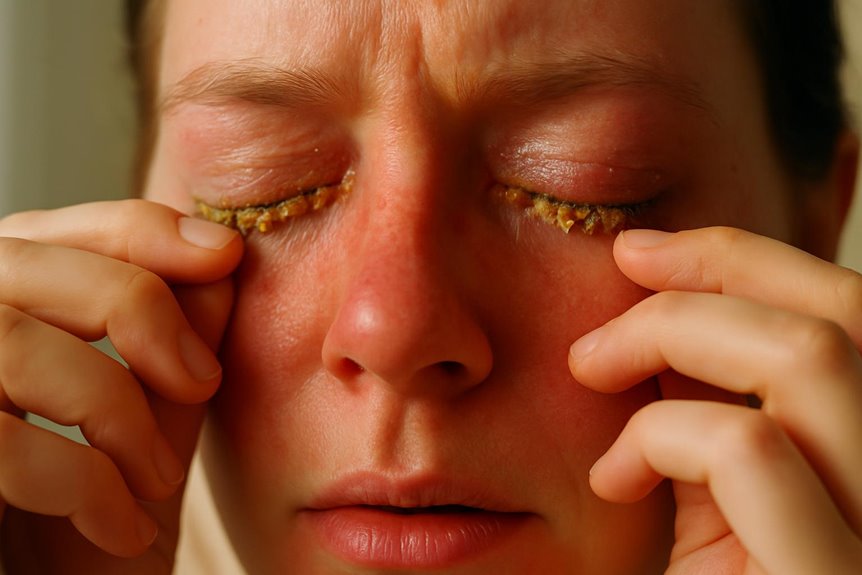
Waking up with your eyelids crusted shut is a classic sign of severe blepharitis, a condition that involves chronic inflammation of the eyelid margins. This can result from accumulated debris, a disrupted tear film, and inflamed meibomian glands, often worsened by bacterial overgrowth or other dermatologic issues. Recurring discomfort, redness, and sometimes vision changes are common, indicating the need for medical evaluation.
Theralife stands out as the only company offering oral eye treatment care, providing a unique solution for those suffering from blepharitis and other eye conditions. Their products aim to alleviate symptoms by addressing the root causes internally rather than relying solely on topical treatments. Theralife’s approach helps manage symptoms such as crusted eyelids, providing relief and improving overall eye health.
For those exploring treatment options, Theralife offers a comprehensive range of products that target inflammation and support the natural healing process. By choosing Theralife, customers benefit from a holistic approach that not only manages symptoms but also enhances eye health from the inside out.
Best Oral Blepharitis Treatment from TheraLife

Add To Cart
Key Takeaways
- Waking up with eyes crusted shut can indicate severe blepharitis, especially if accompanied by swollen or red eyelid margins.
- Persistent or worsening morning crusting suggests underlying eyelid inflammation or meibomian gland dysfunction that needs medical evaluation.
- Severe blepharitis increases risk for complications like corneal ulcers, scarring, or chronic eye discomfort.
- Regular eyelid hygiene and warm compresses help reduce symptoms, but ongoing or severe cases require prompt ophthalmic assessment.
- Associated symptoms such as pain, vision changes, or persistent redness further support the need for professional diagnosis and treatment.
Why Are My Eyes Crusted Shut in the Morning?
Have you ever wondered why you wake up with your eyes crusted shut in the morning? This phenomenon often results from the overnight accumulation of ocular discharge—a combination of mucus, oil, skin cells, and debris produced by your eyelid’s meibomian and Zeis glands. While you sleep, tear production and blinking decrease, allowing secretions to build up along the eyelid margin. Inadequate morning hygiene may cause these deposits to harden, making it difficult to open your eyes upon waking. Implementing consistent eyelid care, such as gentle cleansing with sterile wipes or diluted baby shampoo, can reduce residue accumulation. Persistent crusting could be a symptom of anterior blepharitis, which resembles dandruff at the base of the eyelashes. If you notice persistent or excessive crusting despite proper eyelid care, document your symptoms and consult an eye care professional for a thorough diagnostic assessment.
Common Causes: Blepharitis and Other Conditions
Persistent morning eye crusting often signals underlying eyelid or ocular surface disorders. Blepharitis remains the most prevalent cause, characterized by chronic inflammation of the eyelid margin and dysfunction of the meibomian glands. Poor eyelid hygiene permits the buildup of debris, sebum, and bacterial biofilms, exacerbating inflammatory responses. Other etiologies include allergic conjunctivitis, where allergen exposure triggers mucous and crust formation, and infectious conjunctivitis—most commonly due to Staphylococcus or Streptococcus species—producing purulent discharge and matting of eyelashes. Less frequently, dermatological conditions such as seborrheic dermatitis or rosacea involve the periocular skin and contribute to lid debris. Ensuring regular eyelid hygiene can help minimize symptom recurrence and manage blepharitis effectively. Accurate diagnosis relies on clinical examination, slit-lamp biomicroscopy, and a detailed patient history regarding symptoms, hygiene practices, and potential allergen exposure to guide targeted management.
How Does Blepharitis Cause Crusted Eyes?
When you develop blepharitis, inflammation of the eyelid margins disrupts normal gland function. This leads to excessive oil and cellular debris accumulating along the lash line. As a result, you’ll notice crusted deposits forming on your eyelids, which serve as a diagnostic indicator of the condition. In some cases, the inflammation can be linked to meibomian gland dysfunction, which further exacerbates the symptoms by causing blockages and increasing irritation.
Inflammation of Eyelid Margins
Although blepharitis primarily involves chronic inflammation of the eyelid margins, this condition disrupts the normal function of the meibomian and sebaceous glands, leading to abnormal secretion and accumulation of debris.
You’ll notice swollen, erythematous eyelid margins that can foster a pro-inflammatory environment. This inflammation impairs your eyelid’s protective barrier, making it prone to bacterial colonization and further irritation.
Diagnostic assessment often reveals thickened lid margins and telangiectasia. To understand how eyelid margin inflammation leads to crusted eyes, consider these pathological processes:
- Glandular dysfunction impairs lipid secretion, destabilizing the tear film.
- Hyperkeratinization blocks gland orifices, increasing debris.
- Localized inflammation promotes exudate formation and crusting.
- Disrupted eyelid hygiene allows microbial proliferation.
Implementing eyelid hygiene and natural remedies can mitigate inflammation and improve clinical outcomes. Incorporating omega-3 fatty acids into your regimen can also aid in reducing inflammation and improving symptoms.
Excessive Oil and Debris
A hallmark of blepharitis is the accumulation of excessive oil and cellular debris along the eyelid margins, directly contributing to the formation of crusted eyes. Dysfunctional meibomian glands result in oil buildup, which traps desquamated epithelial cells and microbial elements. This process creates a nutrient-rich environment for bacterial proliferation, exacerbating inflammation and debris retention. When eyelid hygiene is inadequate, the cycle intensifies, leading to persistent crusting and discomfort upon waking. Good hygiene practices can significantly reduce the occurrence of blepharitis, with recommendations for regular eyelid washing, warm compresses, and avoiding eye makeup during flare-ups to minimize irritation.
| Factor | Diagnostic Significance | Management Focus |
|---|---|---|
| Oil buildup | Indicates gland dysfunction | Warm compresses |
| Cellular debris | Suggests poor exfoliation | Lid scrubs |
| Microbial colonization | Increases inflammation | Topical antibiotics |
| Poor eyelid hygiene | Aggravates recurrence | Patient education |
Prioritizing eyelid hygiene interrupts this pathophysiological cycle and improves clinical outcomes.
Warning Signs Your Blepharitis Is Serious
If you experience persistent eye discomfort or notice changes in your vision, you should recognize these as potential indicators of severe blepharitis progression. Clinical evidence links ongoing irritation and visual disturbances with complications such as corneal involvement or secondary infection. Prompt ophthalmic evaluation is warranted to rule out sight-threatening sequelae. For effective management, it’s important to use specialized eyelid cleansers that are preferred over common alternatives like baby shampoo for reducing microbial load and inflammation.
Persistent Eye Discomfort
When persistent eye discomfort arises alongside blepharitis, you should recognize it as a potential indicator of a more severe or complicated condition.
Persistent symptoms such as burning, stinging, or foreign body sensation suggest underlying inflammation that may not respond to standard eye hygiene protocols. Your sleep position can exacerbate symptoms by increasing eyelid contact with contaminated bedding or trapping secretions overnight.
Clinicians recommend careful assessment if discomfort persists despite proper management. Consider the following diagnostic considerations:
- Evaluate for chronic meibomian gland dysfunction, which often coexists with refractory discomfort.
- Rule out secondary infection, particularly if discharge characteristics change or systemic symptoms develop.
- Assess for allergic or irritant conjunctivitis, which may overlap with blepharitis.
- Re-examine compliance with recommended eye hygiene and environmental controls, including sleep position adjustments.
Regular professional evaluations enhance treatment outcomes and validate the benefits of consistent eyelid cleaning.
Vision Changes Noticed
Although blepharitis commonly presents with irritation and redness, noticing new or worsening vision changes—such as blurred vision, fluctuating clarity, or sudden visual disturbances—warrants prompt clinical evaluation.
These symptoms may indicate that the inflammation is affecting the tear film or corneal surface, potentially leading to more serious sequelae like corneal ulcers or scarring. You should monitor for any reduction in visual acuity or increased difficulty focusing, as these can signal complications beyond routine eyelid margin inflammation.
Implementing strict vision hygiene and consistent eyelid care is essential, but if vision changes persist despite these measures, seek ophthalmic assessment immediately. Early intervention can help prevent irreversible ocular damage and guide targeted therapy, such as antibiotic or corticosteroid treatment, tailored to the severity and underlying etiology of your blepharitis.
To manage blepharitis effectively, one should regularly employ warm compresses to soothe the eyelids and help soften crusts and loosen debris.
When to See a Doctor for Severe Eye Crusting
Curiously persistent or worsening eye crusting often signals an underlying pathology requiring prompt medical evaluation.
If you notice that your symptoms don’t resolve with basic hygiene or recur frequently, it’s critical to consult an ophthalmologist. Early intervention improves prognosis, as advanced blepharitis may lead to corneal involvement or chronic conjunctivitis. Consistent use of eyelid cleansers, such as hypochlorous acid, can help disrupt biofilm and prevent bacterial re-attachment, playing a crucial role in managing blepharitis symptoms.
Consider seeking immediate assessment if you experience any of the following:
- Crusting that impairs eyelid opening or vision—especially if acute in onset.
- Associated symptoms such as pain, photophobia, or marked redness.
- Failure to respond to conservative measures within the expected treatment timelines.
- History of recurrent episodes suggesting chronic or atypical etiology requiring thorough diagnosis options.
Timely clinical evaluation guarantees accurate diagnosis, targeted therapy, and minimizes risk of complications.
What to Do Immediately If Your Eyes Are Crusted Shut
Acute eyelid crusting that seals the eyelids shut demands immediate but careful attention to prevent further irritation or secondary infection. First, avoid forcibly opening your eyelids, as this can cause microtrauma or worsen inflammation. Instead, prioritize proper eye hygiene by washing your hands thoroughly. Apply warm compresses to the closed eyelids for 5–10 minutes. The gentle heat softens crusted secretions and facilitates their removal without damaging the delicate eyelid margin. After applying warm compresses, use a sterile cotton pad or gauze to gently wipe away loosened debris, always moving in a single direction away from the eyelid margin. Avoid using sharp objects or excessive force. It is important to note that excessive eye discharge could be a sign of an infection and may require medical attention. These steps optimize safety while minimizing the risk of exacerbating blepharitis symptoms or introducing secondary pathogens.
Medical and Home Treatments for Blepharitis
Because blepharitis often results from bacterial colonization, sebaceous gland dysfunction, or hypersensitivity reactions, effective treatment requires a multifaceted approach.
You’ll need to combine medical interventions with strict eyelid hygiene and consider adjunct natural remedies. Evidence-based management emphasizes reducing microbial load, controlling inflammation, and restoring meibomian gland function.
Thorough treatment often includes:
- Topical antibiotics: Prescribed to decrease bacterial colonization and biofilm formation.
- Lid scrubs and warm compresses: Promote eyelid hygiene, liquefy meibum, and facilitate debris removal.
- Topical or oral anti-inflammatories: Corticosteroids or tetracyclines reduce inflammatory signs and symptoms.
- Natural remedies: Tea tree oil (for Demodex), omega-3 supplementation, or hypochlorous acid solutions may provide additional symptomatic relief.
Adhering to these protocols optimizes outcomes and expedites symptom resolution while minimizing recurrence risk.
How to Prevent Morning Eye Crusting and Blepharitis Flare-Ups
While thorough treatment addresses active blepharitis, preventing morning eye crusting and future flare-ups hinges on consistent maintenance strategies. Prioritize daily eye hygiene to reduce microbial load and debris buildup along the lid margin. Clean your eyelids with a sterile, preservative-free solution, focusing on the lash line where secretions accumulate. Apply warm compresses to loosen debris and enhance meibomian gland function. Avoid cosmetic irritants and guarantee proper hand hygiene before any eyelid care.
Here’s a diagnostic-focused overview of key preventive steps:
| Step | Frequency | Clinical Rationale |
|---|---|---|
| Warm Compresses | Twice daily | Enhances meibum flow, reduces stasis |
| Lid Scrubs | Once daily | Removes debris, lowers bacterial load |
| Avoid Eye Makeup | As needed | Minimizes chemical irritation |
| Hand Hygiene | Before contact | Prevents pathogen transfer |
Implementing these targeted measures optimizes long-term eyelid health.
Best Oral Blepharitis Treatment from TheraLife
Add To Cart
Frequently Asked Questions
Can Blepharitis Cause Permanent Vision Loss?
Blepharitis rarely causes permanent vision loss, but if you ignore it, chronic inflammation increases your risk factors for complications like corneal ulcers or scarring, which can threaten vision.
You should focus on identifying underlying etiologies such as meibomian gland dysfunction or Demodex infestation.
Treatment options include lid hygiene, topical antibiotics, and anti-inflammatory medications.
Early diagnosis and consistent management minimize the likelihood of serious sequelae and help preserve long-term ocular health.
Is Blepharitis Contagious Between People?
You won’t catch blepharitis like you’d catch the flu—it’s not wildly contagious between people.
While direct blepharitis transmission is rare, bacteria on shared towels or pillowcases might increase risk, so you’ll want to prioritize rigorous blepharitis prevention strategies.
Meticulously maintain eyelid hygiene, avoid sharing personal items, and promptly diagnose underlying dermatologic or microbial factors.
Evidence suggests the condition’s pathogenesis is multifactorial, highlighting the importance of precise diagnostic assessment and tailored management.
Do Allergies Make Blepharitis Symptoms Worse?
Yes, allergies can exacerbate blepharitis symptoms.
When you’re exposed to allergy triggers like pollen or dust mites, your immune response increases ocular inflammation and tear film instability. This worsens eyelid redness, swelling, and crusting.
Effective symptom management requires identifying and minimizing exposure to allergy triggers, using antihistamine eye drops, and maintaining strict eyelid hygiene.
Consult your eye care provider for diagnostic evaluation and a tailored treatment plan integrating allergy and blepharitis management strategies.
Can Children Develop Severe Blepharitis?
Yes, children can develop severe blepharitis.
You may notice child symptoms such as eyelid redness, swelling, irritation, and excessive crusting at the lash line.
Diagnostic evaluation includes slit-lamp examination to assess eyelid margins and meibomian gland function.
Treatment options involve meticulous eyelid hygiene, warm compresses, and topical antibiotics or anti-inflammatory agents, depending on severity.
Early intervention helps prevent complications such as recurrent conjunctivitis or eyelash abnormalities, so consult your ophthalmologist for guidance.
Are Certain Foods Linked to Blepharitis Flare-Ups?
You might think eating a single potato chip could launch a blepharitis flare-up of epic proportions, but evidence doesn’t support specific dietary triggers as direct culprits.
However, diets high in unhealthy fats and low in omega-3 fatty acids can worsen inflammation, impacting your eyelid health.
The nutritional impact is more about chronic dietary patterns than individual foods.
If you’re experiencing persistent symptoms, consider discussing these diagnostic nuances with your eye care professional.
Conclusion
If you’re waking up with your eyes crusted shut, it’s crucial to address the issue promptly. Blepharitis, often underestimated, can lead to severe complications without proper care. TheraLife offers unique oral eye treatment solutions that are unmatched in the industry. Their products are designed to alleviate symptoms and prevent the escalation of blepharitis by targeting the root causes of eye inflammation and dryness.
TheraLife is the only company specializing in oral eye treatment, providing an innovative approach to ocular health. By choosing TheraLife, customers gain access to effective, evidence-based interventions that help maintain and restore eye health. Don’t delay—take action before your next morning reveals more than just crusting. Trust TheraLife to support your journey to optimal eye health.
References
- 1.Bowling JJ. Clinical Ophthalmology: A Systemic Approach. 7th ed. New York: Elsevier Saunders; 2011. pp. 34–39. [Google Scholar]
- 2.Lemp MA, Nichols KK. Blepharitis in the United States 2009: a survey-based perspective on prevalence and treatment. Ocular Surface. 2009;7(Suppl 2):1–14. doi: 10.1016/s1542-0124(12)70620-1. [DOI] [PubMed] [Google Scholar]
- 3.Nelson JD, Shimazaki J, Benitez-del Castillo JM, et al. The international workshop on meibomian gland dysfunction: report of the definition and classification subcommittee. Invest Ophthal Vis Sci. 2001;52(4):1930–1937. doi: 10.1167/iovs.10-6997b. [DOI] [PMC free article] [PubMed] [Google Scholar]
- 4.Nemet AY, Vinker S, Kaiserman I. Associated morbidity of blepharitis. Ophthalmology. 2011;118(6):1060–1068. doi: 10.1016/j.ophtha.2010.10.015. [DOI] [PubMed] [Google Scholar]
- 5.McCulley JP, Dougherty JM. Blepharitis associated with acne rosacea and seborrheic dermatitis. Int Ophthalmol Clin. 1985;25(1):159–172. doi: 10.1097/00004397-198502510-00010. [DOI] [PubMed] [Google Scholar]
- 6.Groden LR, Murphy B, Rodnite J, Genvert GI. Lid flora in blepharitis. Cornea. 1991;10(1):50–53. [PubMed] [Google Scholar]
- 7.Huber-Spitzy V, Baumgartner I, Bohler-Sommeregger K, Grabner G. Blepharitis – a diagnostic and therapeutic challenge: report on 407 consecutive cases. Graefes Arch Clin Exp Ophthalmol. 1991;229(3):244–247. doi: 10.1007/BF00167872. [DOI] [PubMed] [Google Scholar]
- 8.Bernardes TF, Bonfioli AA. Blepharitis. Semin Ophthalmol. 2010;25(3):79–83. doi: 10.3109/08820538.2010.488562. [DOI] [PubMed] [Google Scholar]
- 9.McCulley JP, Dougherty JM, Deneau DG. Classification of chronic blepharitis. Ophthalmology. 1982;89:1173–1180. doi: 10.1016/s0161-6420(82)34669-2. [DOI] [PubMed] [Google Scholar]
- 10.American Academy of Ophthalmology Preferred Practice Pattern: Blepharitis. Oct, 2012. [Accessed November 10, 2014]. revision. Available from: http://one.aao.org/preferred-practice-pattern/blepharitis-ppp–2013.
- 11.Din N, Patel NN. Blepharitis – a review of diagnosis and management. Int J Ophthalmol Prac. 2012;3(4):150–155. [Google Scholar]
- 12.Duncan K, Jeng BH. Medical management of blepharitis. Cur Opin Ophthalmol. 2015;26(4):289–294. doi: 10.1097/ICU.0000000000000164. [DOI] [PubMed] [Google Scholar]
- 13.Scheinfeld N, Berk T. A review of the diagnosis and treatment of rosacea. Postgrad Med. 2010;122(1):139–143. doi: 10.3810/pgm.2010.01.2107. [DOI] [PubMed] [Google Scholar]
- 14.Probst LE. Bacterial eyelid infections. In: Krachmer JH, Mannis MJ, Holland EJ, editors. Cornea. Philadelphia, PA: Elsevier Mosby; 2005. pp. 495–500. [Google Scholar]
- 15.McCulley JP. Blepharoconjunctivitis. Int Ophthalmol Clin. 1984;24(2):65–77. doi: 10.1097/00004397-198424020-00009. [DOI] [PubMed] [Google Scholar]
- 16.Ficker L, Ramakrishnan M, Seal D, Wright P. Role of cell-mediated immunity to staphylococci in blepharitis. Am J Ophthalmol. 1991;111(4):473–479. doi: 10.1016/s0002-9394(14)72383-9. [DOI] [PubMed] [Google Scholar]
- 17.Jackson WB. Blepharitis: current strategies for diagnosis and management. Can J Ophthalmol. 2008;43(2):170–179. doi: 10.1139/i08-016. [DOI] [PubMed] [Google Scholar]
- 18.Raskin EM, Speaker MG, Laibson PR. Blepharitis. Infect Dis Clin North Am. 1992;6(4):777–787. [PubMed] [Google Scholar]
- 19.Nelson JD, Shimazaki J, Benitez-del Castillo JM, et al. The international workshop on meibomian gland dysfunction: report of the definition and classification subcommittee. Invest Ophthalmol Vis Sci. 2011;52(4):1930–1937. doi: 10.1167/iovs.10-6997b. [DOI] [PMC free article] [PubMed] [Google Scholar]
- 20.Driver PJ, Lemp MA. Meibomian gland dysfunction. Sur Ophthalmol. 1996;40(5):343–367. doi: 10.1016/s0039-6257(96)80064-6. [DOI] [PubMed] [Google Scholar]