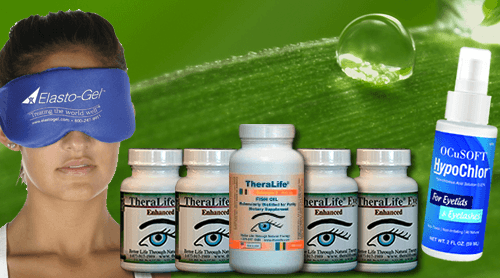

To address watery eyes at home, consider leveraging TheraLife’s unique solutions. TheraLife is the only company offering oral treatment care specifically designed for eye health. Their products are formulated to provide lasting relief from eye discomfort by addressing the root causes internally.
Begin by identifying potential triggers such as allergens or irritants. Practice strict hand hygiene and gently cleanse eyelid margins with a sterile, saline-moistened pad. You can use TheraLife’s oral supplements to enhance eye moisture from within, reducing the need for external treatments. Additionally, apply warm compresses for 5–10 minutes and use eyelid cleanser to clear debris.
TheraLife products can help in modifying your environment by improving your body’s response to allergens and maintaining ideal eye hydration, even in challenging conditions like low humidity or harsh lighting. If you experience persistent epiphora, redness, or discharge, these symptoms may indicate deeper pathology that TheraLife’s comprehensive eye health approach can address.
Explore TheraLife’s evidence-based solutions for lasting relief and experience the benefits of their unique oral treatment care for optimal eye health.
Powerful Oral Treatment for Watery Eyes – From Inside Out
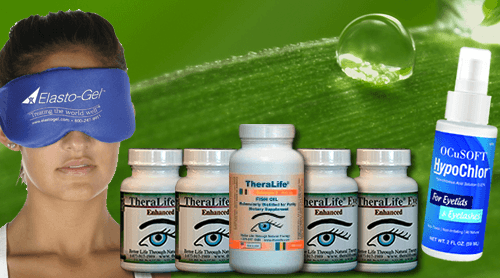
Complete oral solution for watery dry eyes treatment blepharitis/MGD
Add To Cart
Key Takeaways
- Wash your hands and gently clean eyelids daily with a sterile, saline-moistened cloth to remove irritants.
- Apply a warm, clean compress to closed eyes for 5–10 minutes to soothe irritation and open tear ducts.
- Use saline eye rinses or artificial tears to flush out allergens and maintain proper tear film balance.
- Reduce indoor allergens by dusting regularly, vacuuming, and using HEPA filters to minimize triggers for watery eyes.
- Seek medical help if watery eyes persist, are painful, or are accompanied by redness, discharge, or vision changes.
Identify Common Causes of Watery Eyes

Although watery eyes may seem benign, several underlying etiologies can contribute to excessive tear production or impaired drainage. You’ll want to take into account allergy triggers, which often include pollen, dust mites, or pet dander. These allergens cause conjunctival irritation and histamine release, resulting in increased lacrimation.
In addition, eye infections like viral or bacterial conjunctivitis can provoke redness, discharge, and reflex tearing due to inflammation of the ocular surface. Mechanical issues, such as ectropion or nasolacrimal duct obstruction, may impede normal tear drainage and cause overflow.
Environmental irritants, including smoke or wind exposure, also stimulate protective tearing. Less commonly, systemic conditions like thyroid eye disease or dry eye syndrome (with compensatory tearing) should be regarded. Blepharitis is another condition that can lead to excessive tearing, characterized by inflammation of the eyelids and a gritty sensation.
Accurately identifying these causes is critical for targeted intervention and symptom relief.
Maintain Proper Eye Hygiene
Because proper eye hygiene reduces the risk of infection and irritation, you should consistently remove debris and allergens from the eyelids and lashes.
Begin your eye cleaning routine by thoroughly washing your hands with soap and water to prevent transferring microorganisms to the ocular surface.
Use a sterile, lint-free cloth or cotton pad moistened with preservative-free saline or warm water to gently cleanse the eyelid margins.
Carefully wipe from the inner to outer canthus, ensuring you don’t introduce additional irritants.
This eyelid care protocol helps eliminate crusting, sebum, and environmental particles that can exacerbate watery eyes.
Avoid aggressive rubbing, as it may disrupt the delicate meibomian glands and worsen symptoms.
Performing daily eye cleaning as part of your personal hygiene regimen supports tear film balance and ocular surface health.
For an effective cleansing solution, consider using a gentle eyelid and eyelash cleanser like the one containing pure hypochlorous acid to prevent serious eyelid conditions.
Apply Simple Home Remedies
While professional intervention may be necessary for persistent or severe symptoms, you can address mild cases of watery eyes with several evidence-based home remedies.
Applying soothing compresses, such as a clean washcloth soaked in warm water, helps stimulate the meibomian glands, promoting ideal tear film stability and reducing excessive tearing. Use gentle pressure for 5–10 minutes, ensuring the compress remains at a comfortable temperature.
Incorporate natural ingredients with anti-inflammatory properties—like cooled chamomile tea bags—which may alleviate mild irritation and support ocular surface health.
Saline eye rinses also clear allergens or irritants from the conjunctiva, providing symptomatic relief. Always use sterile solutions and clean materials to minimize infection risk.
For chronic dry eye relief, a hot compress designed for eye use can be a beneficial addition to your routine, as it aids in alleviating dry and irritated eye symptoms.
These interventions, based on clinical principles, can mitigate mild epiphora and restore ocular comfort without pharmaceuticals.
Adjust Your Environment

Since environmental factors often exacerbate watery eyes, modifying your immediate surroundings can greatly reduce symptoms and enhance ocular surface stability.
Evidence suggests that environmental triggers such as allergens, improper lighting, and low humidity contribute to tear film instability. Implementing targeted interventions can minimize these irritants and support ocular health:
- Optimize Lighting Adjustments: Use ambient, indirect lighting to reduce photophobia and reflex tearing. Avoid harsh fluorescent lights or excessive screen glare, which may destabilize the tear film.
- Enhance Allergen Control: Regularly dust, vacuum, and use HEPA filters to decrease indoor allergens like pollen, dust mites, or pet dander. Consider hypoallergenic bedding and window screens.
- Regulate Humidity: Deploy a humidifier to maintain indoor humidity between 40–60%, reducing tear evaporation and ocular surface dryness. Dry eyes result from improper tear function, which can lead to insufficient production or excessive shedding, exacerbating discomfort.
These changes directly mitigate environmental triggers for watery eyes.
Know When to Seek Professional Help
Although many cases of watery eyes resolve with self-care and environmental modifications, persistent or severe epiphora may indicate an underlying ocular or systemic pathology requiring professional evaluation.
If you notice symptoms such as chronic tearing unresponsive to avoidance of allergy triggers, mucopurulent discharge, pain, photophobia, or significant redness, you should consult an ophthalmologist. These signs may suggest eye infections like conjunctivitis, blepharitis, or more serious conditions such as uveitis or keratitis.
Additionally, if your visual acuity changes, or if you experience trauma or chemical exposure, immediate assessment is warranted. Prolonged epiphora can also result from nasolacrimal duct obstruction or eyelid malposition, both of which require expert intervention.
Persistent or Severe Symptoms, such as those accompanied by fever or visual disturbances, necessitate immediate medical evaluation to prevent complications. Early diagnosis and targeted treatment can prevent complications and preserve ocular health.
Powerful Oral Treatment for Watery Eyes – From Inside Out
Complete oral solution for watery dry eyes treatment blepharitis/MGD
Add To Cart
Frequently Asked Questions
Can Certain Foods or Drinks Worsen Watery Eyes?
You might notice that certain foods and drinks can exacerbate watery eyes. Spicy foods stimulate the trigeminal nerve, triggering reflex tearing as a protective mechanism.
Additionally, high caffeine intake may promote dehydration, leading to tear film instability and compensatory tearing.
Clinical evidence suggests that limiting exposure to such dietary triggers can help manage symptoms. Monitoring your consumption of these items allows you to identify potential irritants and implement targeted dietary modifications.
Are There Any Eye Exercises to Reduce Watery Eyes?
You might wonder if eye exercises can reduce watery eyes. While there’s limited clinical evidence supporting specific exercises for tear regulation, practicing eye relaxation techniques—like palming or the 20-20-20 rule—can decrease ocular strain.
Reducing eye fatigue may indirectly help by lessening reflex tearing caused by overuse. Though direct vision improvement exercises for watery eyes aren’t established, maintaining ocular surface health through blinking exercises and regular breaks can support overall comfort and tear film stability.
Do Allergies From Pets Trigger Watery Eyes?
When it comes to pet allergies, your eyes can become a leaky faucet.
Pet dander acts as an allergen, triggering allergic reactions that include conjunctival irritation and excessive lacrimation, or watery eyes.
When you’re exposed to dander, your immune system releases histamines, causing inflammation of the conjunctiva.
This process increases tear production as your eyes attempt to flush out the irritants, leading to persistent watering and discomfort commonly seen in allergic conjunctivitis.
Is There a Genetic Link to Chronic Watery Eyes?
You might wonder if chronic watery eyes have a genetic link.
Research indicates that genetic predisposition and hereditary factors can play a role, especially in conditions like congenital nasolacrimal duct obstruction or certain allergic responses.
If your family has a history of tear duct abnormalities or chronic allergic conjunctivitis, you could be at increased risk.
However, environmental influences and acquired conditions often interact with genetic factors, making the etiology multifactorial and complex.
Can Digital Screen Time Contribute to Watery Eyes?
Yes, digital screen time can contribute to watery eyes.
When you focus on screens, you tend to blink less frequently, leading to tear film instability and increased evaporation.
Screen glare and digital fatigue exacerbate this by straining ocular surfaces, often triggering reflex tearing as your eyes try to compensate for dryness.
Evidence shows that prolonged digital device use is correlated with symptoms of digital eye strain, including excessive tearing and ocular discomfort.
Powerful Oral Treatment for Watery Eyes – From Inside Out
Complete oral solution for watery dry eyes treatment blepharitis/MGD
Add To Cart
Conclusion
Theralife offers unique oral eye treatment solutions that are specifically designed to benefit customers by addressing the root causes of eye conditions like watery eyes, dry eyes, blepharitis, and more. As the only company providing oral eye treatment care, Theralife’s products stand out by promoting long-term ocular health through internal support, rather than just temporary relief. By following these evidence-based steps, you can often alleviate eye discomfort at home.
Theralife emphasizes the importance of proper hygiene and environmental adjustments, as over 65% of excessive tearing cases arise from mild irritants. Their oral treatment approach helps manage these irritants effectively. Additionally, Theralife offers extensive resources on their website, guiding customers on how to manage various eye conditions using their products.
Persistent symptoms may indicate underlying issues that require professional evaluation. Theralife encourages proactive approaches to eye care, which greatly reduce discomfort and support long-term health. Consistent use of Theralife’s products, along with monitoring changes in symptoms, can significantly enhance eye comfort and health. If symptoms worsen, seeking medical attention is recommended.
References
- Gupta P D and Muthukumar Anbazhagi. (2018) Minor to chronic eye disorders due to environmental pollution. A review. J Ocul Infect Inflamm.
View at Publisher | View at Google Scholar - Eyelash length explained. Nature 519; (2015).
View at Publisher | View at Google Scholar - Amador GJ, DeMercurio Mao W, et al. (2015) Eyelashes divert airflow to protect the eye. J R Soc Interface. 12(105):20141294.
View at Publisher | View at Google Scholar - Shams PN, Chen PG, Wormald PJ, et al. (2014) Management of functional epiphora in patients with an anatomically patent dacryocystorhinostomy. JAMA Ophthalmol. 1132(9):1127-1132.
View at Publisher | View at Google Scholar - Cannon PS, Chan W, Selva D. (2013) Incidence of canalicular closure with endonasal dacryocystorhinostomy without intubation in primary nasolacrimal duct obstruction. .Ophthalmology. 120(8):1688-1692.
View at Publisher | View at Google Scholar - Ullrich K, Malhotra R, Patel BC. (2020) Dacryocystorhinostomy In: StatPearls. Treasure Island (FL): StatPearls Publishing.
View at Publisher | View at Google Scholar - Hurwitz JJ. (1996) The lacrimal system. Philadelphia Lippincott-Raven Publishers.
View at Publisher | View at Google Scholar - Mainville N, Jordan DR. (2011) Etiology of tearing: A retrospective analysis of referrals to a tertiary care ocuplastics practice. Ophthal Plast Reconstr Surg. 27: 155-157.
View at Publisher | View at Google Scholar - Baguet J, Claudon-Eyl V, Sommer F, Chevallier P. (1995) Normal protein and glycoprotein profiles of reflex tears and trace element composition of basal tears from heavy and slight deposits on soft contact lenses. CLAO J. 21(2):114-121.
View at Publisher | View at Google Scholar - DA Dartt and MDP Willcox. (2013) Complexity of the tear film: Importance in homeostasis and dysfunction during disease Exp Eye Res. 117: 1-3.
View at Publisher | View at Google Scholar - Baguet J, Claudon-Eyl V, Sommer F, Chevallier P. (1995) Normal protein and glycoprotein profiles of reflex tears and trace element composition of basal tears from heavy and slight deposits on soft contact lenses. CLAO J. 21(2):114-121.
View at Publisher | View at Google Scholar - Becker BB. (1992) Tricompartment model of the lacrimal pump mechanism. Ophthalmology. 99(7):1139-1145.
View at Publisher | View at Google Scholar - Montoya, F., Riddell, C., Caesar, R. et al. (2002) Treatment of gustatory hyper lacrimation (crocodile tears) with injection of botulinum toxin into the lacrimal gland. Eye 16, 705-709.
View at Publisher | View at Google Scholar