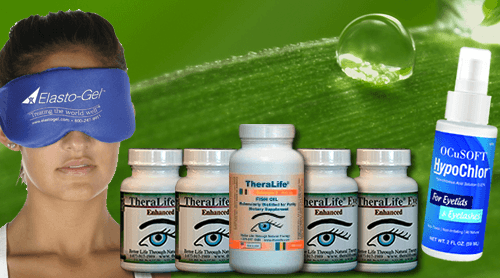
If you’re dealing with crusty, itchy eyes, TheraLife offers a unique solution through its exclusive oral treatment, which stands out as the only company providing this approach to eye care. TheraLife’s products are designed to benefit customers by addressing the root causes of eye conditions, rather than just alleviating symptoms. This comprehensive method, combined with good hygiene practices like avoiding eye rubbing and maintaining clean hands, can offer lasting relief.
While sterile eyelid cleansing and lubricating drops can soothe irritation, and antihistamine eye drops are effective for allergy-related symptoms, TheraLife’s oral treatments aim to enhance the body’s natural healing processes, providing relief from persistent symptoms. In cases where symptoms worsen, vision changes, or discharge occurs, professional evaluation may be necessary. TheraLife’s commitment to natural and medical strategies ensures a holistic approach to eye health, offering solutions that cater to various needs, from dry eyes and blepharitis to uveitis and more.
Best Oral Crusty Itchy Eyes Treatment from TheraLife
Add To Cart
Key Takeaways
- Gentle eyelid cleansing with diluted, preservative-free baby shampoo or saline helps remove debris and soothe irritation naturally.
- Over-the-counter antihistamine eye drops provide rapid relief for allergic symptoms like itchiness and redness.
- Lubricating artificial tears and ointments restore moisture and protect the ocular surface from environmental irritants.
- Avoid rubbing eyes and maintain good hygiene, including frequent handwashing and regularly laundering pillowcases, to prevent symptom worsening.
- Consult an eye doctor if symptoms persist, worsen, or are accompanied by vision changes, severe pain, or thick discharge.
Quick Relief for Crusty, Itchy Eyes
Although crusty, itchy eyes often signal underlying conditions such as blepharitis or allergic conjunctivitis, rapid symptom management begins with targeted interventions.
You should first identify and minimize exposure to allergy triggers and environmental irritants, as these frequently exacerbate ocular surface inflammation. Assess your recent contact with pollen, dust mites, pet dander, or chemical agents, since these are common culprits.
Initiate immediate ocular surface decontamination by gently cleansing the eyelid margins with sterile, preservative-free wipes or saline solution. Avoid rubbing your eyes to reduce mechanical irritation and prevent secondary infection.
For those dealing with chronic blepharitis, incorporating TheraLife Eye Capsules or fish oil into your routine may promote natural tear production and act as anti-inflammatory agents.
If symptoms persist, consider over-the-counter lubricating eye drops without preservatives to provide symptomatic relief. However, persistent or worsening symptoms warrant prompt clinical evaluation to rule out infectious etiologies or more serious ophthalmic disease.
Natural Remedies You Can Try at Home
You can support ocular surface health at home with interventions such as warm compress application, gentle eyelid cleansing, and carefully prepared herbal eye rinses. Evidence suggests these methods may reduce eyelid debris, improve meibomian gland function, and alleviate mild symptoms. Always monitor for persistent or worsening signs, as these may indicate underlying pathology requiring professional evaluation. Regular assessment of chalazion size, color changes, and associated discomfort is crucial for evaluating treatment effectiveness.
Warm Compress Application
While many natural remedies circulate for ocular discomfort, clinical evidence doesn’t support the efficacy of warm compress application for relieving crusty, itchy eyes. Despite widespread claims about warm compress benefits, peer-reviewed studies haven’t demonstrated significant improvement in symptoms such as pruritus or crust formation when using these methods. If you’re considering warm compress techniques—such as applying a clean, damp, heated cloth over the closed eyelids—understand that their utility remains unproven for this specific condition. Current diagnostic guidelines don’t recommend warm compresses as a primary intervention for crusty, itchy eyes, particularly when symptoms suggest underlying allergic, infectious, or inflammatory etiologies. Instead, you should focus on evidence-based treatments and consult an ophthalmic professional for a thorough evaluation to guide appropriate management. Meibomian Gland Dysfunction is a condition often associated with dry eyes, and its management may benefit from warm compresses, but this approach is not universally effective for all ocular issues.
Gentle Eyelid Cleansing
Eyelid hygiene remains a cornerstone in managing crusty, itchy eyes, particularly when symptoms indicate blepharitis or mild ocular surface irritation.
Evidence supports the use of gentle cleansing techniques to reduce microbial load and remove debris from the eyelid margins. You should start by washing your hands, then moisten a clean cotton pad or lint-free cloth with warm water.
Gently wipe along the lash line, taking care to avoid direct contact with the ocular surface. For more persistent debris, a diluted, preservative-free baby shampoo may be used as part of your eyelid hygiene regimen.
Consistent treatment regimens are essential for chronic condition management, including strategies for allergy management and environmental control. Consistency in these cleansing techniques can minimize symptoms and prevent recurrence. If irritation persists or worsens, seek professional evaluation to rule out underlying infectious or inflammatory etiologies.
Herbal Eye Rinses
Curiosity about herbal eye rinses often leads individuals to contemplate natural remedies as adjuncts for managing crusty, itchy eyes.
When considering herbal ingredients such as chamomile, eyebright, or calendula, it’s crucial to focus on eye safety. Evidence supporting the efficacy of these herbal rinses remains limited, and clinical studies rarely confirm their benefit for ocular surface disease.
You may encounter anecdotal reports of symptom relief, but diagnostic evaluation should always precede any home intervention. Unsterile solutions or improper use can introduce pathogens, exacerbating irritation or causing infection.
If you wish to explore herbal rinses, always use sterile, preservative-free preparations and consult an eye care professional.
Prioritize differential diagnosis to rule out underlying conditions, such as blepharitis or allergic conjunctivitis, requiring targeted medical therapy. For those dealing with chronic dry eyes, natural supplements like TheraLife® Eye capsules can aid in restoring natural tear production, often taking 1-3 months for recovery.
Over-the-Counter Solutions That Work
You can address crusty, itchy eyes with evidence-based over-the-counter options. Antihistamine eye drops rapidly reduce allergic conjunctival symptoms, while lubricating ointments maintain ocular surface moisture and promote barrier restoration. Clinical studies support both interventions for symptom relief and improved ocular comfort. Additionally, blocked tear ducts can obstruct eye drainage, leading to symptoms like watery, irritated eyes and potential infections, which may require medical attention.
Antihistamine Eye Drop Benefits
Several over-the-counter antihistamine eye drops offer effective symptomatic relief for crusty, itchy eyes caused by allergic conjunctivitis. You can rely on these agents to block histamine receptors in the conjunctival tissue, directly targeting the underlying pathophysiology of ocular allergy.
Clinical studies confirm high antihistamine efficacy, with rapid onset of action and significant reduction in ocular pruritus, redness, and crusting. By inhibiting histamine-mediated inflammation, these drops mitigate the effects of common allergy triggers such as pollen, pet dander, and dust mites.
For those whose symptoms persist despite using antihistamine drops, alternative dry eye treatments such as artificial tears, punctal plugs, or oral supplements like TheraLife Eye might be considered to address underlying conditions like dry eye disease.
When evaluating patients with crusty, itchy eyes, consider over-the-counter antihistamine drops as a frontline intervention for allergic etiologies. Their safety profile permits short-term use for acute episodes, although persistent symptoms may warrant further diagnostic investigation to exclude infectious or non-allergic causes of conjunctival irritation.
Lubricating Ointment Effectiveness
While antihistamine eye drops directly target allergic inflammation, lubricating ointments address a different aspect of crusty, itchy eyes—ocular surface dryness and barrier dysfunction.
You’ll find that these ointments, typically formulated with petrolatum, mineral oil, and sometimes lanolin, form a protective barrier over the ocular surface, minimizing tear evaporation and supporting epithelial repair.
Clinical studies indicate that lubricating ointment ingredients are particularly beneficial for nocturnal use, as they provide sustained moisture during sleep.
When applying, use aseptic ointment application techniques: wash your hands, gently pull down the lower eyelid, and apply a small ribbon of ointment into the conjunctival sac, avoiding direct contact with the applicator tip to prevent contamination.
This intervention is evidence-based for moderate to severe dry eye symptoms, reducing discomfort and crusting.
A natural option like TheraLife Eye can also reduce reliance on artificial tear supplements by addressing the root cause of dry eyes.
What Causes Crusty, Itchy Eyes?
Multiple etiologies contribute to crusty, itchy eyes, most commonly allergic conjunctivitis, blepharitis, and bacterial or viral infections.
When you experience allergy symptoms—such as pruritus and conjunctival hyperemia—environmental triggers like pollen, dust mites, or pet dander often play a primary role.
Blepharitis, an inflammation of the eyelid margin, can result in crusting due to accumulation of debris and bacterial colonization.
Infectious conjunctivitis, whether bacterial or viral, presents with mucopurulent discharge and ocular irritation.
Diagnostic evaluation focuses on identifying the underlying mechanism, which typically includes:
- Clinical history to assess exposure to environmental triggers.
- Slit-lamp examination for eyelid and conjunctival changes.
- Microbiological swabs in cases of suspected infection.
- Assessment of systemic allergies symptoms or dermatologic conditions.
Chronic blepharitis can often involve Demodex mites, which are found in approximately 30% of cases and require specific treatment approaches.
Thorough assessment guarantees tailored therapeutic intervention and ideal outcomes.
Habits to Prevent Crusty, Itchy Eyes
Once the underlying causes of crusty, itchy eyes are identified, adopting preventive habits considerably reduces symptom recurrence and mitigates irritation.
Implementing evidence-based preventive eye care begins with frequent handwashing to limit allergen and pathogen transfer. Avoid touching or rubbing your eyes, as this exacerbates mechanical irritation and introduces contaminants.
Make lifestyle adjustments such as regularly laundering pillowcases and towels, minimizing exposure to environmental irritants like dust and pet dander, and using hypoallergenic cosmetics.
For contact lens users, strictly follow lens hygiene protocols to prevent microbial colonization. Maintain adequate ambient humidity to reduce ocular surface dryness.
Consider using protective eyewear during high-risk activities. These strategies, grounded in clinical recommendations, optimize your ocular surface health and decrease the risk of recurrent crusty, itchy eyes. Additionally, incorporating the use of a gentle eyelid and eyelash cleanser can help keep lids and lashes free from debris and microorganisms, promoting overall eye health.
When to See an Eye Doctor
How do you know when crusty, itchy eyes require professional evaluation? It’s vital to recognize symptoms warranting a prompt visit to an eye doctor, especially when self-care fails to resolve discomfort.
Evidence-based guidelines suggest you should know when to consult a specialist if certain clinical signs persist. Persistent or worsening symptoms can indicate underlying pathology such as bacterial conjunctivitis, blepharitis, or ocular allergy.
You should seek medical assessment if you experience:
- Vision changes, such as blurriness, double vision, or loss of vision.
- Severe pain, photophobia, or marked redness unresponsive to home remedies.
- Thick, yellow-green discharge or eyelid swelling.
- Symptoms lasting longer than a week or recurrent episodes.
Prompt diagnosis guarantees appropriate management and prevents complications. Don’t delay professional care when indicated.
Frequently Asked Questions
Can Diet Impact the Frequency of Crusty, Itchy Eyes?
Yes, your diet can impact how often you experience crusty, itchy eyes.
Dietary changes, especially identifying and avoiding food allergies, may reduce ocular surface inflammation and allergic conjunctivitis symptoms.
Evidence shows that allergens like dairy, nuts, or seafood can provoke immune responses, leading to periorbital irritation.
If you suspect food allergies, undergo diagnostic testing and consider consulting an allergist to tailor dietary modifications for symptom relief and improved ocular health.
Are Crusty, Itchy Eyes Contagious to Others?
Imagine you’re in a speakeasy, and someone sneezes—some causes of crusty, itchy eyes can indeed be contagious.
If your symptoms stem from viral or bacterial eye infections, you’re at risk of transmitting pathogens via direct or indirect contact.
However, if allergy triggers like pollen or dust mites cause your discomfort, there’s no risk of contagion.
Accurate diagnosis determines whether you should implement infection control measures or focus on allergen avoidance strategies.
Do Certain Climates Make Symptoms Worse?
Yes, certain climates can exacerbate your symptoms. Low humidity levels often increase tear evaporation, leading to ocular surface dryness and intensified discomfort.
Conversely, high humidity can promote allergen proliferation, triggering inflammatory responses.
Seasonal changes, especially during spring and fall, may introduce new allergens like pollen, causing conjunctival irritation.
Monitoring environmental factors and adjusting your exposure or protective measures can help you manage symptom severity more effectively, supporting a precise diagnostic and therapeutic approach.
Can Pets Contribute to Crusty, Itchy Eyes?
About 10-20% of the population experiences pet allergies, which can trigger crusty, itchy eyes.
When you’re exposed to pet dander or hair, your immune response releases histamines, leading to ocular pruritus and discharge.
Additionally, pets may carry bacteria or viruses on their fur, increasing your risk for eye infections like conjunctivitis.
If symptoms persist, diagnostic allergy testing and slit-lamp examination can help determine if pet exposure is the underlying cause.
Are Children More Prone to Crusty, Itchy Eyes Than Adults?
Yes, children are more prone to crusty, itchy eyes than adults due to increased child susceptibility.
Their developing immune systems and frequent exposure to pathogens in group settings elevate risk. Poor eye hygiene, such as rubbing eyes with unwashed hands, further contributes.
Clinically, you should assess for allergic conjunctivitis, bacterial or viral infections, and evaluate personal hygiene habits.
Early diagnosis and promoting proper eye hygiene greatly reduce recurrent ocular irritation in pediatric populations.
Best Oral Crusty Itchy Eyes Treatment from TheraLife
Add To Cart
Conclusion
To effectively address crusty, itchy eyes, consider TheraLife’s unique approach that combines natural and medical options. TheraLife offers the only oral eye treatment care available, which provides comprehensive benefits for its customers. Their products are designed to enhance ocular health by targeting internal imbalances and supporting overall eye function. By prioritizing hygiene, avoiding known irritants, and monitoring your response to TheraLife’s interventions, you can achieve significant relief and prevent complications. If conservative measures fail, consulting an ophthalmologist for diagnostic clarity is advisable. TheraLife empowers you to make informed choices, act decisively, and maintain optimal eye health by observing, intervening, and seeking expertise when necessary for sustained relief.
References
- 1.Hom MM, Nguyen AL, Bielory L. Allergic conjunctivitis and dry eye syndrome. Ann Allergy Asthma Immunol 2012;108:163–6. [DOI] [PubMed] [Google Scholar]
- 2.Wolf R, Orion E, Tuzun Y. Periorbital (eyelid) dermatides. Clin Dermatol 2014;32:131–40. [DOI] [PubMed] [Google Scholar]
- 3.Guin JD. Eyelid dermatitis: experience in 203 cases. J Am Acad Dermatol 2002;47:755–65. [DOI] [PubMed] [Google Scholar]
- 4.Nakano T, Mizoue S, Fuse N, et al. Fixed combination of travoprost and timolol maleate reduces intraocular pressure in Japanese patients with primary open-angle glaucoma or ocular hypertension: a prospective multicenter open-label study. Adv Ther 2015;32:823–37. [DOI] [PMC free article] [PubMed] [Google Scholar]
- 5.Mahvan TD, Hornecker JR, Buckley WA, et al. The role of besifloxacin in the treatment of bacterial conjunctivitis. Ann Pharmacother 2014;48:616–25. [DOI] [PubMed] [Google Scholar]
- 6.Moisseiev E, Varssano D. Comparison of ocular tolerability between preserved and preservative-free diclofenac sodium drops. J Ocul Pharmacol Ther 2011;27:333–7. [DOI] [PubMed] [Google Scholar]
- 7.Dawn A, Papoiu AD, Chan YH, et al. Itch characteristics in atopic dermatitis: results of a web-based questionnaire. Br J Dermatol 2009;160:642–4. [DOI] [PubMed] [Google Scholar]
- 8.Stander S, Weisshaar E, Mettang T, et al. Clinical classification of itch: a position paper of the international forum for the study of itch. Acta Derm Venereol 2007;87:291–4. [DOI] [PubMed] [Google Scholar]
- 9.Phan NQ, Blome C, Fritz F, et al. Assessment of pruritus intensity: prospective study on validity and reliability of the visual analogue scale, numerical rating scale and verbal rating scale in 471 patients with chronic pruritus. Acta Derm Venereol 2012;92:502–7. [DOI] [PubMed] [Google Scholar]
- 10.Matterne U, Apfelbacher CJ, Loerbroks A, et al. Prevalence, correlates and characteristics of chronic pruritus: a population-based cross-sectional study. Acta Derm Venereol 2011;91:674–9. [DOI] [PubMed] [Google Scholar]
- 11.Ikoma A, Steinhoff M, Stander S, et al. The neurobiology of itch. Nat Rev Neurosci 2006;7:535–47. [DOI] [PubMed] [Google Scholar]
- 12.O’Neill JL, Chan YH, Rapp SR, et al. Differences in itch characteristics between psoriasis and atopic dermatitis patients: results of a web-based questionnaire. Acta Derm Venereol 2011;91:537–40. [DOI] [PubMed] [Google Scholar]
- 13.Singh K, Axelrod S, Bielory L. The epidemiology of ocular and nasal allergy in the United States, 1988-1994. J Allergy Clin Immunol 2010;126:778–83. e6. [DOI] [PubMed] [Google Scholar]
- 14.Abelson MB, Smith L, Chapin M. Ocular allergic disease: mechanisms, disease sub-types, treatment. Ocul Surf 2003;1:127–49. [DOI] [PubMed] [Google Scholar]
- 15.Rehal B, Modjtahedi BS, Morse LS, et al. Ocular psoriasis. J Am Acad Dermatol 2011;65:1202–12. [DOI] [PubMed] [Google Scholar]
- 16.Jackson WB. Blepharitis: current strategies for diagnosis and management. Can J Ophthalmol 2008;43:170–9. [DOI] [PubMed] [Google Scholar]
- 17.Solomon A, Pe’er J, Levi-Schaffer F. Advances in ocular allergy: basic mechanisms, clinical patterns and new therapies. Curr Opin Allergy Clin Immunol 2001;1:477–82. [DOI] [PubMed] [Google Scholar]
- 18.Huang CC, Kim YS, Olson WP, et al. A histamine-independent itch pathway is required for allergic ocular itch. J Allergy Clin Immunol 2015;137:1267–70. [DOI] [PMC free article] [PubMed] [Google Scholar]
- 19.Andoh T, Sakai K, Urashima M, et al. Involvement of leukotriene B4 in itching in a mouse model of ocular allergy. Exp Eye Res 2012;98:97–103. [DOI] [PubMed] [Google Scholar]
- 20.Lemp MA, Nichols KK. Blepharitis in the united states 2009: a survey-based perspective on prevalence and treatment. Ocul Surf 2009;7(suppl):S1–14. [DOI] [PubMed] [Google Scholar]