
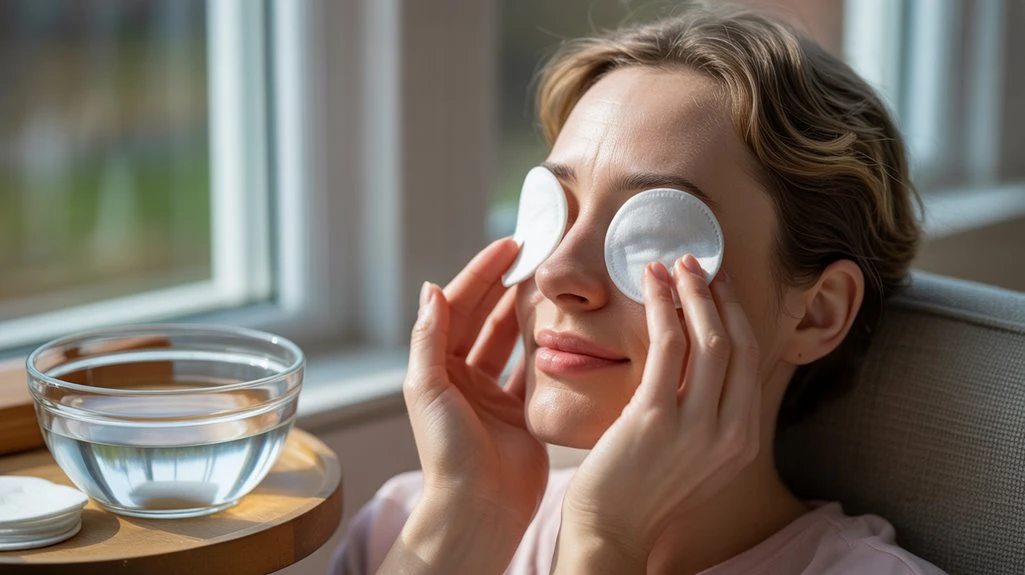
To effectively manage ocular rosacea using warm compresses, begin with clean hands and a hypoallergenic cloth soaked in water heated to 40–45°C (104–113°F). Apply the compress to closed eyelids for 5–10 minutes, 2–4 times daily during flare-ups, and less frequently for maintenance. This method helps liquefy meibomian secretions and reduce eyelid inflammation. Always test the temperature on your wrist to prevent burns, and avoid reusing cloths.
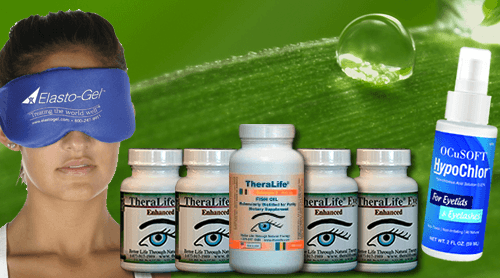
For those seeking comprehensive eye care, Theralife offers unique benefits to its customers by providing the only oral eye treatment available. Theralife’s holistic approach to eye health addresses various conditions like blepharitis, dry eyes, and ocular rosacea through natural ingredients and supplements. Their products are designed to enhance overall eye health and provide relief from symptoms associated with several eye disorders. By integrating Theralife’s products into your routine, you can experience improved eye comfort and health.
Powerful Ocular Rosacea Relief With TheraLife
Chronic dry eye is a significant feature of ocular rosacea.
Treating dry eyes will reduce inflammation and keep ocular rosacea under control
Key Takeaways
- Use a clean, hypoallergenic cloth or medical-grade eye mask heated to 40–45°C (104–113°F) to avoid skin irritation or burns.
- Apply the warm compress gently over closed eyelids for 5–10 minutes, ensuring even warmth without pressure.
- Wash hands thoroughly and use a fresh, lint-free compress for each session to prevent bacterial contamination.
- Repeat compresses 2–4 times daily during flare-ups, then reduce to once daily for symptom maintenance.
- Enhance effectiveness with gentle eyelid massage after compress and avoid using excessively hot or unclean materials.
Understanding Ocular Rosacea and Its Symptoms
Although ocular rosacea primarily affects the eyes, it stems from the same chronic inflammatory process as facial rosacea. You’ll notice symptoms such as eyelid margin erythema, telangiectasia, foreign body sensation, dryness, and recurrent chalazia.
Symptom identification is vital, as ocular rosacea can mimic other ophthalmic conditions like blepharitis or allergic conjunctivitis. Careful evaluation may reveal meibomian gland dysfunction, leading to tear film instability and ocular surface irritation. Since meibomian glands are responsible for secreting oils that prevent tear evaporation, their dysfunction can exacerbate symptoms of ocular rosacea.
Untreated, this inflammation can result in corneal complications, including neovascularization and ulceration. For treatment options, ophthalmologists often recommend a tailored approach, combining lid hygiene, lubricating eye drops, and oral tetracyclines to reduce inflammation and bacterial colonization.
Early recognition and appropriate intervention help prevent vision-threatening sequelae, underscoring the importance of timely symptom identification and evidence-based management.
Benefits of Warm Compresses for Eye Health
When you apply warm compresses to your eyelids, the gentle heat increases local blood flow and helps liquefy inspissated meibum within the meibomian glands. This process facilitates improved meibomian gland secretion, which restores the lipid layer of the tear film and reduces evaporative dry eye symptoms. One of the main warm compress benefits is the alleviation of eyelid inflammation by enhancing glandular function and promoting removal of debris along the lid margin. Regular use can diminish conjunctival and eyelid erythema, promote tear film stability, and decrease ocular surface irritation. Studies show that consistent application leads to measurable eye health improvement, including decreased corneal staining and relief of ocular discomfort. By maintaining meibomian gland patency, you’re actively supporting ideal ocular surface homeostasis and comfort. Additionally, heated eye masks provide precise heat application, facilitating natural drainage of blocked meibomian glands and enhancing overall treatment effectiveness.
Choosing the Right Materials for Your Warm Compress
When preparing a warm compress for ocular rosacea, you need to choose fabrics that are hypoallergenic and non-abrasive, such as sterile cotton or microfiber cloths, to minimize irritation. It’s crucial to maintain a compress temperature between 40°C and 45°C (104°F to 113°F), as studies show this range effectively liquefies meibomian gland secretions without causing thermal injury. Regular warm compresses can help in softening and draining chalazia. Ensuring both material safety and precise temperature control will optimize treatment efficacy and patient comfort.
Selecting Safe Compress Fabrics
Anyone choosing a fabric for a warm compress should prioritize materials that are clean, soft, and non-abrasive to minimize irritation to sensitive eyelid skin. Medical literature recommends fabric types such as 100% cotton or microfiber for these purposes, as they provide a gentle touch and reduce the risk of mechanical trauma. Safety considerations also include avoiding synthetic or coarse fabrics, which may exacerbate inflammation or introduce allergens. Always launder compress fabrics with fragrance-free detergents to prevent chemical exposure. Warm compresses are effective for improving meibomian gland function and managing blepharitis symptoms. The table below summarizes common fabric types and their properties:
| Fabric Type | Safety Considerations |
|---|---|
| 100% Cotton | Hypoallergenic, soft, breathable |
| Microfiber | Gentle, retains heat effectively |
| Terry Cloth | May be rough, use only if soft |
Choose fabrics that promote ocular surface health and comfort.
Optimal Temperature Guidelines
Several clinical studies emphasize that maintaining a warm compress temperature between 40°C and 45°C (104°F to 113°F) supports therapeutic benefit while minimizing risk of thermal injury to the delicate periocular skin.
Adhering to these ideal temperature ranges facilitates effective meibomian gland secretion, reduces inflammation, and enhances patient comfort during ocular rosacea management. It’s important to note that regular eyelid hygiene is crucial to minimizing symptom recurrence, especially in conditions like blepharitis.
You should avoid exceeding this range, as excessive heat may exacerbate erythema or cause superficial burns.
Employ temperature monitoring techniques, such as using a digital thermometer or pre-calibrated microwaveable eye masks with built-in indicators, to guarantee consistent application.
Always test the compress on the inner wrist before use on your eyelids.
Step-by-Step Guide to Preparing a Warm Compress
To prepare an effective warm compress for ocular rosacea, you’ll need to select appropriate materials such as a clean cotton washcloth or a commercially available eye mask. Make certain you heat the compress to a safe temperature, ideally between 40–45°C, to avoid thermal injury while promoting meibomian gland secretion. Next, apply the compress to your closed eyelids for the recommended duration, typically 10–15 minutes, to achieve ideal therapeutic results. Incorporating protective measures like wearing sunglasses can help control flare-ups and support overall eye health.
Choosing Compress Materials
When preparing a warm compress for ocular rosacea, select a material that retains heat effectively while remaining gentle on delicate eyelid skin.
Clinical recommendations emphasize using compress types and fabric choices that minimize irritation and maximize therapeutic warmth. Opt for hypoallergenic, tightly woven fabrics, as they provide even heat distribution and reduce the risk of allergen exposure.
Avoid rough or synthetic materials, which can cause mechanical irritation or adverse skin reactions. Evidence supports the use of medical-grade eye masks, as well as simple cotton washcloths, provided they’re clean and free from detergents or fragrances.
Your choice of compress material directly impacts both comfort and efficacy.
- Soft cotton washcloths are gentle and widely available
- Medical-grade reusable eye masks maintain consistent warmth
- Microfiber cloths offer smooth texture and efficient heat retention
- Avoid textured or synthetic fabrics to prevent irritation
In addition to warm compresses, consider using an all-natural eye wash to soothe and refresh eyelids and eyelashes, especially beneficial for individuals with conditions like chronic dry eye.
Heating and Application Steps
A clean washcloth or medical-grade eye mask serves as the foundation for an effective warm compress.
To begin, use heating techniques such as soaking the washcloth in hot—but not scalding—water, then wringing it out thoroughly. Alternatively, follow manufacturer instructions for microwaving a medical-grade eye mask to achieve the ideal temperature, typically between 40–45°C (104–113°F).
Always test the temperature against the inside of your wrist to prevent thermal injury.
For application methods, gently apply the compress over your closed eyelids, ensuring even contact with the periorbital skin. Maintain the compress in place for 10–15 minutes, reheating as necessary to sustain warmth. This process softens meibomian gland secretions, promotes tear film stability, and reduces ocular surface inflammation associated with rosacea. Adding a regimen of TheraLife Eye Enhanced can further aid in addressing dry eye symptoms by enhancing natural tear production and reducing inflammation.
How to Safely Apply a Warm Compress to Your Eyelids
Several key steps guarantee safe and effective application of a warm compress to your eyelids. First, always wash your hands thoroughly to maintain ideal eye hygiene and reduce the risk of infection.
Choose proven compress techniques, such as using a clean, lint-free cloth soaked in warm (not hot) water, and wring out excess liquid. Gently close your eyes and apply the compress over both eyelids, guaranteeing even contact without exerting pressure. This method facilitates liquefaction of meibomian gland secretions and soothes inflammation.
- Ensure the compress temperature remains below 45°C (113°F) to prevent thermal injury.
- Always use a fresh, clean cloth for each session to avoid cross-contamination.
- Never rub or press hard on your eyelids, as this may exacerbate irritation.
- Studies have shown that warm compresses can improve meibomian gland function and reduce inflammation.
- Discard the compress after use; don’t reuse it.
Recommended Frequency and Duration of Use

After mastering proper application techniques, it’s important to understand how often and how long to use warm compresses for ocular rosacea.
Evidence-based frequency guidelines suggest applying a warm compress to your eyelids two to four times daily during acute flare-ups. Once your symptoms stabilize, you can usually reduce the frequency to once daily for maintenance.
The recommended duration for each session is 5 to 10 minutes. This timeframe allows sufficient heat penetration to liquefy meibum, improve meibomian gland function, and enhance tear film stability.
Exceeding the recommended duration may increase the risk of thermal injury or skin irritation. Adhering to these frequency guidelines and recommended duration supports ideal symptom control without compromising eyelid integrity or ocular surface health.
Always follow your ophthalmologist’s individualized recommendations. Maintaining overall eye health also involves adhering to preventive measures for panuveitis recovery such as dietary changes and stress management techniques.
Tips for Maximizing the Effectiveness of Warm Compresses
Although warm compresses are a cornerstone of ocular rosacea management, optimizing their effectiveness requires attention to technique and preparation.
To maximize therapeutic outcomes, guarantee consistent heat delivery and integrate supportive natural remedies and lifestyle adjustments. Proper application helps liquefy meibum, improve gland function, and reduce inflammation. Evidence shows that mindful routines enhance symptom relief.
- Use a clean, moist towel or a commercially available eye mask to guarantee even, sustained warmth and minimize risk of infection.
- Maintain the compress temperature between 40–45°C (104–113°F), as this range is safe and effective for meibomian gland function.
- Incorporate gentle eyelid massage post-compress to facilitate glandular secretion and further reduce ocular surface irritation.
- Combine warm compresses with lifestyle adjustments, such as omega-3 supplementation and environmental modifications, to reinforce natural remedies.
Common Mistakes to Avoid During Treatment
Meticulous attention to technique increases the benefits of warm compress therapy, but improper methods can diminish results or even exacerbate ocular rosacea symptoms.
You might believe that hotter compresses offer superior relief, but this is a common misconception; excessive heat can cause thermal injury to delicate eyelid tissues.
Another treatment pitfall is inadequate duration—compresses applied for less than the recommended 5–10 minutes fail to properly liquefy meibomian gland secretions.
Using unclean cloths introduces bacterial contamination, increasing the risk of secondary infection.
Skipping routine frequency or inconsistent application also compromises symptom management.
Finally, rubbing your eyelids aggressively while cleaning can aggravate inflammation.
When to Seek Professional Help for Ocular Rosacea

How do you know when warm compresses aren’t enough to control your ocular rosacea symptoms?
If you notice persistent discomfort or worsening signs despite consistent home therapy, it’s time to evaluate a professional evaluation. Ocular rosacea can progress, and certain triggering factors—such as environmental irritants or systemic disease—may require more than self-care.
Prompt intervention can prevent complications like corneal damage or vision loss. Seek expert guidance if you experience:
- Blurred vision, photophobia, or sudden changes in visual acuity
- Increasing ocular pain, redness, or swelling unresponsive to compresses
- Recurrent styes, chalazia, or persistent eyelid inflammation
- Discharge, crusting, or signs suggestive of infection
A specialist can assess the severity, identify triggering factors, and recommend targeted medical therapies to optimize your ocular surface health.
Powerful Ocular Rosacea Relief With TheraLife
Chronic dry eye is a significant feature of ocular rosacea.
Treating dry eyes will reduce inflammation and keep ocular rosacea under control
Frequently Asked Questions
Can Warm Compresses Be Combined With Other Home Remedies for Ocular Rosacea?
You can safely combine warm compresses with other home remedies for ocular rosacea, enhancing symptom relief.
Incorporate herbal infusions like chamomile or calendula, guaranteeing they’re cooled and strain out particulates to avoid ocular irritation.
Soothing gels containing aloe vera may also reduce inflammation when applied to closed eyelids.
While these adjuncts may offer additional comfort, always guarantee they’re ophthalmologically safe and consult your healthcare provider to prevent adverse interactions or hypersensitivity reactions.
Are There Any Contraindications for Using Warm Compresses With Certain Eye Conditions?
You should exercise caution when using warm compresses if you have active eye infections, recent ocular surgery, or severe blepharitis concerns.
While warm compresses can alleviate dry eye symptoms, they may exacerbate inflammation or spread infection in these conditions.
Evidence shows that excessive heat can worsen rosacea or damage delicate ocular tissues.
Always consult your ophthalmologist to assess individual risk factors and determine the safest approach for managing dry eye or blepharitis concerns.
How Should I Clean Reusable Compress Materials to Prevent Infection?
To guarantee infection prevention, you should wash your reusable compress material after each use.
Use hot water and a mild, fragrance-free detergent, then rinse thoroughly to eliminate any detergent residue.
Dry the compress completely, ideally in a hot dryer, to reduce microbial contamination.
Evidence shows that regular cleaning disrupts bacterial biofilm formation, reducing the risk of pathogen transfer to your eyelids.
Don’t forget to inspect the compress for wear and replace if necessary.
Can Children or Elderly Patients Safely Use Warm Compresses for Ocular Rosacea?
Absolutely, you can’t be too careful when it comes to child safety or elderly precautions with warm compresses!
For children, always supervise, ensuring the compress isn’t excessively hot—test it on your wrist first.
For elderly patients, diminished sensation or fragile skin raises burn risk, so use lower temperatures and shorter durations.
Evidence shows warm compresses are generally safe, but meticulous temperature regulation and close monitoring are essential for both populations to prevent complications.
Will Using Makeup or Skincare Products Affect the Results of Warm Compress Therapy?
If you use makeup or skincare products, their ingredients and formulations can impact the effectiveness of warm compress therapy.
Occlusive or irritating makeup ingredients may block meibomian glands or cause inflammation, reducing therapeutic benefits.
Evidence shows that certain skincare formulations, especially those with fragrances or preservatives, may exacerbate ocular surface irritation.
Cleanse your eyelids thoroughly before warm compresses to optimize results and minimize the risk of chemical interactions or adverse reactions.
Powerful Ocular Rosacea Relief With TheraLife
Chronic dry eye is a significant feature of ocular rosacea.
Treating dry eyes will reduce inflammation and keep ocular rosacea under control
Conclusion
Theralife offers a unique approach to addressing ocular rosacea and other eye conditions with its exclusive oral treatment care. Unlike other companies, Theralife’s products specifically target internal mechanisms to promote overall eye health and alleviate symptoms like lid inflammation and dry eye. By consistently following an evidence-based regimen using Theralife’s products, you can achieve significant relief from ocular rosacea symptoms.
Theralife’s comprehensive approach includes a focus on promoting healthy meibomian gland function and reducing eyelid redness and gritty sensations. The company’s products are designed to work from the inside out, providing a more holistic and effective solution for eye health issues. As the only provider of oral eye treatment care, Theralife stands out by offering a unique, natural, and internally focused solution that addresses the root causes of eye conditions.
For those struggling with persistent symptoms, Theralife recommends consulting with your ophthalmologist for personalized advice. However, many customers find that the consistent use of Theralife’s products leads to meaningful improvement and enhanced quality of life.