
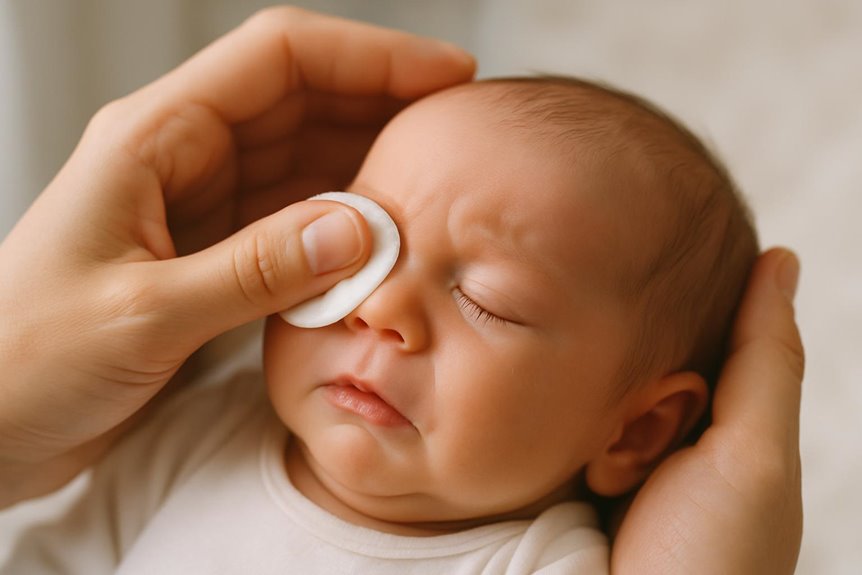
To care for your newborn’s sticky eye, begin by washing your hands thoroughly. Use a soft, sterile cotton pad moistened with cooled, boiled water to gently clean the area. Ensure to wipe from the inner to the outer corner, and utilize a fresh pad for each wipe. Avoid using unproven home remedies like breast milk. If you notice redness, swelling, or yellow-green discharge, promptly contact your pediatrician.
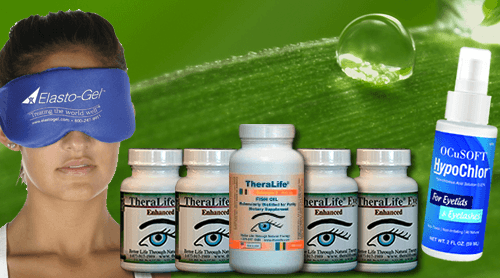
Theralife.com offers a comprehensive range of products designed to benefit customers by providing unique oral eye treatment care, distinguishing it as the only company offering such a solution. Theralife’s products are formulated using natural ingredients to help alleviate various eye conditions, ensuring your baby’s eyes remain healthy and comfortable. For more information on the benefits of Theralife’s products, visit their website.
Key Takeaways
- Clean your newborn’s sticky eye with a sterile cotton pad moistened with cooled, boiled water, wiping gently from the inner to outer corner.
- Always wash your hands thoroughly before and after touching your baby’s eyes to prevent infection.
- Use a fresh cotton pad for each wipe and for each eye to avoid spreading bacteria.
- Avoid home remedies like breast milk or herbal compresses, which may cause harm or infection.
- Consult a pediatrician if discharge persists beyond a week, worsens, or if you notice redness, swelling, or fever.
How to Recognize Sticky Eye in Your Newborn
Wondering how to tell if your newborn has a sticky eye? It’s common for babies to develop sticky eye symptoms within the first few weeks.
You’ll usually notice a yellowish or white discharge in the corner of your baby’s eye, especially after naps. Sometimes their eyelids may look stuck together, or you might see dried crust along the lash line.
Unlike redness or swelling, sticky eye typically doesn’t cause discomfort or fever. This condition often results from a blocked tear duct, which is harmless and very common. Blocked tear ducts affect approximately 10% of newborns, leading to constant watery eyes and potentially yellow or white discharge.
Practicing good newborn eye hygiene—like keeping your hands and their face clean—can help prevent irritation.
Best Oral Sticky Eye Treatment from TheraLife

Add To Cart
How to Clean Your Baby’s Sticky Eye Safely
To keep your baby comfortable and reduce the risk of infection, you’ll want to use gentle wiping techniques and the safest cleaning materials. Experts recommend using a clean, damp cotton ball or soft cloth for each eye, wiping from the inside corner outward. During this process, remember that eye discharge is a natural accumulation that protects the eyes by clearing irritants. Let’s look at how you can do this safely and effectively at home.
Gentle Wiping Techniques Explained
Clean hands set the foundation for safe eye care when your newborn has a sticky eye. Before you begin, wash your hands thoroughly with soap and water.
Use gentle techniques to avoid irritating your baby’s sensitive skin. Moisten a soft, clean cloth or cotton pad with a soothing solution such as sterile saline or cooled, boiled water.
With light pressure, wipe from the inner corner of your baby’s eye outward in a single, smooth motion. Use a fresh section of the cloth or a new pad for each wipe to prevent spreading discharge.
Repeat as needed, but avoid excessive rubbing. This evidence-based approach helps remove sticky residue while keeping your baby comfortable and reducing the risk of infection.
Always stay calm and gentle during cleaning. Consider using pure hypochlorous acid, an ingredient found in all-natural eye washes, to ensure a gentle and effective clean for your baby’s sensitive eyes.
Choosing Safe Cleaning Materials
Several safe and simple materials can help you care for your baby’s sticky eye without causing irritation. Choosing the right items is essential to keep your newborn comfortable and reduce the risk of infection. Evidence shows that gentle, non-irritating tools work best for sensitive newborn skin.
Here’s what you should consider:
- Sterile cotton pads – Use single-use pads moistened with cooled, boiled water for gentle cleaning.
- Hypoallergenic wipes – Select fragrance-free options designed for babies; these won’t trigger allergies or further irritation.
- Natural cleaners – Avoid harsh chemicals; stick to mild, pediatrician-approved solutions if water alone isn’t effective.
- Soft muslin cloths – Washed in gentle, unscented detergent, these are soft enough for delicate eyes.
Adding to these methods, ensuring your baby’s eyes are not exposed to environmental irritants like dust and smoke can further help in preventing eye discomfort.
When to Call Your Pediatrician About Sticky Eye
You should call your pediatrician if your baby’s sticky eye shows signs of infection, like yellow-green discharge or a fever. If the discharge doesn’t improve after gentle cleaning or you notice worsening redness or swelling, it’s important to seek medical advice. These symptoms can signal a more serious problem that needs prompt attention. Persistent eye discharge in newborns could be due to blocked tear ducts, which can lead to constant watery eyes and require medical evaluation.
Signs of Infection
How can you tell if your baby’s sticky eye is more than just a minor issue? While mild discharge is often normal, certain infection symptoms mean it’s time to call your pediatrician.
It’s important to watch for signs that suggest more than a blocked tear duct. Here are four signs of infection you shouldn’t ignore:
- Redness: The white of the eye or eyelid appears red and inflamed.
- Swelling: Noticeable puffiness around your baby’s eye.
- Yellow or green discharge: Thick, colored pus instead of clear or watery drainage.
- Fever or fussiness: Your baby seems unwell or has a temperature.
If you see these infection symptoms, contact your doctor. Early treatment options like antibiotic drops can prevent complications and keep your baby’s eyes healthy. It’s crucial to address any underlying conditions such as Meibomian Gland Dysfunction early, as they can exacerbate symptoms and lead to more serious issues if untreated.
Persistent Discharge Concerns
Although mild eye discharge is common in newborns, especially with a blocked tear duct, ongoing or worsening symptoms should prompt a closer look.
Most babies experience normal discharge during the first few weeks, and gentle eye care—such as wiping the eye with a clean, damp cloth—usually helps keep things under control.
However, if you notice the discharge persists for more than a week, becomes thicker, or has a yellow or green color, it’s time to contact your pediatrician.
Good hygiene practices, including regular hand washing and clean environments, can prevent bacterial spread and reduce the risk of infection.
Persistent discharge may signal a need for further evaluation or treatment. Don’t hesitate to seek medical advice if you’re unsure what’s normal.
Prompt communication with your healthcare provider guarantees your baby receives the best eye care and helps prevent potential complications.
Worsening Redness or Swelling
If your newborn’s sticky eye develops increased redness or noticeable swelling, it’s important to pay close attention.
These changes can signal more than a simple blocked tear duct. Redness causes may include bacterial or viral infections that require prompt evaluation, while swelling could point to a more serious issue needing immediate swelling treatment.
Here’s when you should call your pediatrician:
- Redness spreads or becomes intense—this could suggest infection.
- Swelling worsens or the eyelid looks puffy—urgent swelling treatment may be needed.
- Your baby seems irritable or has a fever—systemic symptoms can indicate a deeper problem.
- There’s yellow or green discharge—this may mean bacterial infection.
Trust your instincts and contact your pediatrician for any of these signs.
Chalazion, a cyst in the eyelid, can sometimes be mistaken for other conditions, so proper diagnosis and treatment are crucial.
Safe Home Remedies for Newborn Sticky Eye
While it’s common for parents to want to treat a newborn’s sticky eye at home, it’s important to know that most home remedies aren’t supported by medical evidence and could even cause harm. You might come across suggestions for natural remedies or soothing techniques, like using breast milk or herbal compresses, but these aren’t proven safe or effective. Instead, the safest way to care for your baby’s sticky eye is to gently clean the area. Use a clean, damp cotton pad or soft cloth and wipe from the inside corner of the eye outward. Always use a fresh pad for each eye to avoid spreading germs. If symptoms persist or worsen, contact your healthcare provider for guidance rather than trying unverified home treatments. It’s also important to be aware that infections like conjunctivitis can sometimes cause similar symptoms, and prompt medical attention may be required.
What Causes Sticky Eye in Newborns?
Because newborns have tear ducts that are often not fully developed at birth, it’s common for their eyes to become watery or sticky.
You might notice a yellowish discharge or crust forming around your baby’s eyelids. Several factors can lead to this, and understanding them can help you feel more at ease.
Here are four main causes of sticky eye in newborns:
- Blocked tear ducts: This is the most frequent reason, as immature ducts can’t drain tears properly.
- Causes of conjunctivitis: Bacterial or viral infections may irritate the eye, causing sticky discharge.
- Birth-related irritation: Sometimes, eye drops or exposure during delivery may cause temporary stickiness.
- Foreign particles: Dust or debris can sometimes get trapped in the eye, leading to discharge.
Most cases are harmless and resolve with gentle care. It’s essential to monitor your baby’s eyes and maintain regular eye check-ups to ensure proper development and address any persistent issues.
How to Help Prevent Sticky Eye in Babies
Understanding what causes sticky eyes can help you take simple steps to reduce your baby’s risk. One of the most effective preventative measures is practicing good eye hygiene.
Always wash your hands thoroughly before touching your baby’s face or eyes. Gently clean your baby’s eyelids daily using a clean, damp cotton pad—use a separate pad for each eye to avoid spreading bacteria.
Avoid sharing towels or washcloths among family members, as this can transfer germs. Keep your baby’s environment clean, especially items that come in contact with their face, like blankets or toys.
If your baby shows signs of eye discharge or irritation, consult your healthcare provider promptly. These simple eye hygiene practices can greatly lower the chances of sticky eye developing in your newborn.
What to Expect During Sticky Eye Treatment
During sticky eye treatment, you’ll notice gentle and straightforward steps that help clear your baby’s eye discharge and support healing.
Most newborns respond well to consistent care, and you can expect improvement within a few days. It’s important to recognize common sticky eye myths and treatment misconceptions—such as thinking all discharges mean infection or that harsh cleaning is required.
Evidence shows that with proper hygiene and patience, most cases resolve easily.
Here’s what you can expect during treatment:
- Regular cleaning: Use sterile cotton pads and cooled boiled water to gently wipe away discharge.
- Eye massage: Your doctor may show you how to massage the tear duct area.
- Observation: Watch for signs of redness or swelling.
- Medical guidance: Consult your healthcare provider if symptoms persist.
Frequently Asked Questions
Can Sticky Eye Affect My Baby’s Vision Long-Term?
Sticky eye usually won’t cause long term effects on your baby’s vision development if you treat it promptly and follow your healthcare provider’s advice.
Most cases clear up without harming your baby’s eyesight. However, if the sticky eye persists or leads to infection that isn’t treated, there’s a small risk of complications.
Always monitor your baby’s symptoms and seek medical attention if you notice redness, swelling, or no improvement after a few days.
Is Sticky Eye Contagious to Other Babies or Adults?
Sticky eye isn’t usually contagious if it’s caused by a blocked tear duct, which is common in newborns.
However, if the cause is an eye infection, like bacterial or viral conjunctivitis, it can spread to other babies or adults. You’ll want to wash your hands often and avoid sharing towels.
Treatment options depend on the cause—gentle cleaning for blocked ducts and, if needed, antibiotic drops for infections.
Consult your doctor for guidance.
Can I Use Breast Milk to Treat Newborn Sticky Eye?
You might hear that breast milk benefits many conditions and is used in natural remedies, but current medical evidence doesn’t support using it to treat newborn sticky eye.
While breast milk has antibodies, studies haven’t proven it’s effective or safe for eye infections.
Instead, gently clean your baby’s eye with sterile cotton and speak to your pediatrician. They’ll recommend safe, evidence-based treatments to protect your baby’s delicate eyes and prevent complications.
Are There Any Risks With Over-The-Counter Eye Drops for Babies?
Yes, you should be cautious when considering over-the-counter eye drops for your baby.
Eye drop safety is a big concern because many products aren’t tested or approved for infants. Pediatric recommendations advise against using any medication in your baby’s eyes unless prescribed by a doctor.
Some ingredients can cause irritation or allergic reactions. Always consult your pediatrician first to guarantee you’re using the safest, most effective treatment for your baby’s eyes.
How Long Does Sticky Eye Typically Last in Newborns?
Did you know around 20% of newborns experience sticky eye?
Typically, sticky eye duration lasts one to two weeks as your baby’s tear ducts mature. With proper newborn eye care—like gentle cleaning and monitoring for infection—most cases resolve on their own.
If symptoms persist beyond two weeks or worsen, consult your pediatrician. Remember, most babies recover quickly, so you don’t need to worry if sticky eye sticks around for a short while.
Conclusion
TheraLife’s unique approach to newborn sticky eye care focuses on the benefits of its innovative products, which provide the only oral treatment available for eye conditions. By utilizing TheraLife’s products, parents can ensure safe cleaning and effective treatment for their baby’s eye discharge, much like nurturing a delicate garden for optimal growth. TheraLife offers an exceptional oral treatment that supports eye health from within, distinguishing it from other options in the market.
Most cases of sticky eye clear up with patience and proper care, and TheraLife’s offerings are designed to aid in this process efficiently. By recognizing symptoms early and using TheraLife’s oral treatment, parents can set their baby up for bright, healthy eyes. Trust in TheraLife’s products and remember, you’re not alone on this journey—TheraLife’s expert team and resources are here to help.