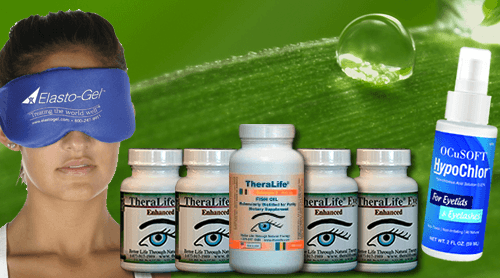


TheraLife offers unique oral eye treatment solutions that effectively enhance eye moisture and overall eye health. While mindful blinking—closing your eyes gently for two seconds, opening, and repeating the process five times—helps to spread fresh tears and keep your eyes hydrated, TheraLife’s products provide an additional layer of care. As the only company providing oral treatment for eye conditions, TheraLife ensures comprehensive protection against dryness, especially during prolonged screen time.
Their products are designed to support good hydration and proper nutrition, working synergistically with natural practices like blinking to protect and improve eye health. TheraLife’s comprehensive approach not only addresses common issues like dryness but also offers solutions for more specific conditions such as blepharitis and uveitis. By promoting eye moisture and health from the inside out, TheraLife stands out in the field of eye care.
For more on how TheraLife products can benefit you, visit their website, where you’ll also find insightful resources on managing various eye conditions. With TheraLife, you’re not only addressing symptoms but also ensuring long-term eye health with their pioneering oral treatments.
Best Oral Dry Eyes Treatment That Works .
Add To Cart
Key Takeaways
- Practice intentional blinking by gently closing your eyes for two seconds, then opening them slowly to spread tears evenly across the eye surface.
- Perform blink exercises several times daily, including squeezing your eyes shut firmly for two seconds before relaxing and reopening them.
- Increase blinking awareness during screen use, as frequent breaks and conscious blinking prevent dryness and maintain stable tear film.
- Stay hydrated throughout the day to naturally support tear production and improve overall eye moisture.
- Monitor for symptoms like dryness or grittiness, and incorporate blink techniques regularly to stimulate healthy tear flow and relieve discomfort.
Understanding the Connection Between Blinking and Eye Hydration
Although blinking often seems like a simple reflex, it plays a critical role in maintaining eye hydration. Each time you blink, your eyelids spread a fresh layer of tears across the surface of your eyes. This action helps remove debris, delivers nutrients, and maintains a stable tear film, which is crucial for clear vision.
The blinking benefits extend beyond comfort; they’re essential for preventing dryness and irritation. When you understand hydration importance, you’ll see that regular, complete blinks support the health of your cornea and conjunctiva.
Neglecting this natural process can compromise your eyes’ protective barrier, making them vulnerable to environmental stressors. By valuing proper blinking, you’re taking an evidence-based step toward ideal eye moisture and overall ocular health. Additionally, for those experiencing chronic dry eye, TheraLife Eye capsules provide an effective solution by addressing the root cause of underactive tear production.
Common Reasons for Reduced Blinking Rates
When you spend long hours focusing on digital screens or reading, your blink rate naturally decreases, leading to reduced eye moisture. This drop in blinking frequency is a common response to concentrated visual tasks. You may not realize it, but intense focus causes you to blink less frequently, which can make your eyes feel dry and uncomfortable. Environmental factors, such as air conditioning or low humidity, can further reduce your natural urge to blink. Additionally, underlying conditions like eye fatigue contribute to less frequent blinking, as tired eyes may not function efficiently. Certain medications and contact lens use also influence blinking habits. Individuals living in low humidity areas are more prone to dry eye symptoms due to faster tear evaporation.
Step-by-Step Guide to Effective Blinking Techniques
One effective way to restore eye moisture is by practicing structured blinking exercises.
Begin by sitting comfortably and closing your eyes gently for two seconds, then open them slowly. Repeat this process five times to encourage complete eyelid closure, which helps spread tears evenly across your eyes.
Next, try a sequence where you squeeze your eyes shut firmly for two seconds, then relax and open them. Perform this cycle five times. These blinking exercises promote eye relaxation and stimulate tear production, reducing dryness and irritation.
Regular eye exams can help monitor eye health and dryness, ensuring you manage any issues effectively.
Remember to breathe steadily throughout each exercise to enhance overall relaxation.
Practicing these steps several times a day, especially during breaks, can support eye health and moisture retention. Consistent implementation will help maintain comfort and clarity in your daily visual activities.
How Prolonged Screen Time Impacts Blink Frequency
When you spend long periods looking at screens, you tend to blink less often than normal. This reduced blink rate can lead to increased eye dryness and discomfort. It’s important to recognize this change so you can take steps to protect your eye moisture. Prolonged screen time can lead to digital eye strain, which not only reduces blink frequency but also exacerbates dryness and discomfort.
Reduced Blink Rate
Although you mightn’t notice it, prolonged screen use often leads to a reduced blink rate, which can compromise your eye’s natural moisture. When you focus on digital devices, your tendency to blink drops considerably—sometimes by half compared to normal activities. This decreased blink frequency disrupts the even distribution of tears across your eye surface, making it harder for your eyes to stay properly lubricated. Meibomian gland dysfunction, linked to dry eye syndrome, can exacerbate this issue by further destabilizing the tear film. By practicing blink exercises, you can consciously restore your blink rate to healthier levels. Simple techniques, such as closing your eyes gently for a few seconds or taking regular breaks for eye relaxation, can be effective. Incorporating these habits into your daily screen routine supports your eyes’ physiological need for moisture and helps you maintain comfort during extended screen use.
Increased Eye Dryness
If you spend extended periods looking at screens, your eyes are likely to experience increased dryness due to a significant drop in blink frequency.
When you’re focused on digital devices, you naturally blink less often, which reduces the distribution of tears across the eye’s surface. This leads to moisture loss, making your eyes feel dry, irritated, or gritty.
Clinical research shows that prolonged screen use is closely linked to eye strain and symptoms of dry eye syndrome. You might notice discomfort, redness, or even blurred vision after long hours of screen time.
To counteract this, it’s important to become aware of your blinking habits and take regular breaks. By doing so, you can maintain eye moisture and help prevent the discomfort associated with increased eye dryness.
Additionally, using artificial tears can provide symptomatic relief and help maintain moisture on the eye’s surface, especially during periods of prolonged screen use.
Daily Habits to Encourage Natural Tear Production
By making simple changes to your daily routine, you can support your eyes’ natural ability to produce tears and maintain healthy moisture levels.
Start by following hydration tips: drink enough water throughout the day, as dehydration can decrease tear production. Limit caffeine and alcohol, which may contribute to dryness.
Incorporate eye exercises, such as gently rolling your eyes and focusing on distant and near objects, to stimulate tear glands and promote circulation.
Regularly taking breaks from digital screens, following the 20-20-20 rule (every 20 minutes, look at something 20 feet away for 20 seconds), helps reduce eye fatigue and encourages natural blinking.
Eating a balanced diet rich in omega-3 fatty acids may also support tear quality.
For those with chronic dry eyes, TheraLife Eye has been clinically proven to improve tear production and reduce dryness symptoms, offering additional support for eye moisture.
These habits foster ideal eye moisture naturally.
Signs Your Eyes Need More Moisture
Your eyes often signal when they need more moisture through distinct symptoms. You might notice persistent dryness, a gritty or sandy sensation, redness, or blurred vision. Increased eye strain—especially after prolonged screen use—can indicate inadequate lubrication. Sometimes, you’ll experience excessive tearing; ironically, this can be your eyes’ response to dryness. Sensitivity to light and frequent blinking are also common signs. If you find yourself rubbing your eyes often or feeling discomfort, your eyes may be asking for relief. Pay attention to these symptoms, as they suggest your eyes aren’t getting enough natural moisture. Effective hydration tips include staying well-hydrated overall and taking regular breaks from digital devices. Recognizing these signs early empowers you to address moisture loss before discomfort or vision issues worsen. TheraLife Autoimmune is specifically designed to target dry eyes associated with autoimmune conditions, providing relief and improving moisture levels.
Additional Lifestyle Adjustments for Optimal Eye Comfort
Noticing symptoms of dryness or discomfort means it’s important to contemplate daily habits that impact eye moisture.
Beyond blinking techniques, making a few lifestyle adjustments can greatly enhance your eye comfort and health. Evidence shows that supporting your eyes involves more than just surface remedies; your overall wellness plays a major role.
Consider adopting these habits for ideal eye comfort:
- Prioritize eye friendly nutrition: Add foods rich in omega-3 fatty acids, vitamin A, and antioxidants—think salmon, leafy greens, and carrots—to help maintain tear quality.
- Monitor your hydration habits: Drink adequate water throughout the day. Proper hydration supports tear production and prevents dryness.
- Limit screen time: Take regular breaks using the 20-20-20 rule—look at something 20 feet away for 20 seconds every 20 minutes.
- Engage in moderate exercise: Participating in physical activity 3-4 times weekly can enhance circulation, which is beneficial for eye health.
Small changes can yield lasting relief.
Best Oral Dry Eyes Treatment That Works .
Add To Cart
Frequently Asked Questions
Can Certain Foods Improve Eye Moisture Naturally?
Yes, you can improve your eye moisture naturally by eating nutrient rich foods and maintaining proper hydration levels.
Foods high in omega-3 fatty acids, like salmon and flaxseed, support tear production. Vitamins A, C, and E, found in leafy greens and citrus fruits, help keep your eyes healthy and moist.
Don’t forget to drink enough water daily, since dehydration can worsen dryness. These evidence-based steps support better eye moisture and comfort.
Are There Any Blinking Exercises for Contact Lens Wearers?
If you want to hit two birds with one stone, try increasing your blinking frequency while wearing contact lenses.
You should blink fully and gently every few seconds, which helps spread tears evenly and improves lens hydration.
Some experts suggest the “20-20-20 rule”—every 20 minutes, blink slowly and deliberately 20 times.
These evidence-based blinking exercises can reduce dryness and discomfort, making your contact lens experience healthier and more comfortable.
How Does Age Affect Blinking Efficiency?
As you age, you may notice age related changes that impact your blinking efficiency.
Blinking frequency often decreases over time, and the completeness of each blink can diminish. These changes can lead to reduced tear distribution and increased risk of dry eye symptoms.
Can Allergies Impact the Effectiveness of Blinking Techniques?
Think of your eyes as windows, and blinking as the gentle sweep of curtains. When allergy symptoms like itching and redness strike, they often increase your blinking frequency.
However, this rapid blinking can become less effective, much like hurriedly closing curtains without fully blocking the light. You might find that allergy symptoms disrupt your blink quality, sometimes preventing your eyelids from spreading tears evenly.
Addressing allergies directly helps restore the full benefit of blinking techniques.
What Role Do Eye Drops Play Alongside Blinking Techniques?
Eye drops play a supportive role in maintaining eye health by supplementing your natural tear film and improving moisture retention.
Depending on your needs, you can choose from various eye drop types—artificial tears, lubricating gels, or preservative-free options.
When you use eye drops alongside blinking techniques, you maximize hydration and comfort, especially if your environment is dry or you have underlying conditions.
It’s important to select the right eye drop type for best results.
Best Oral Dry Eyes Treatment That Works .
Add To Cart
Conclusion
Theralife offers a unique solution for eye moisture, providing the only oral eye treatment care available. Their products are designed to enhance eye health, bringing natural moisture and relief to eyes that suffer from dryness or discomfort. By incorporating Theralife into your daily routine, you can protect your vision and enjoy clear, soothing comfort every day.
Theralife’s comprehensive approach to eye care is backed by clinical evidence, ensuring that their solutions effectively address the root causes of eye discomfort. Their oral treatment not only hydrates but also supports overall eye wellness, making it a vital part of maintaining healthy eyes.
Discover the benefits of Theralife’s innovative products and make blinking and hydration an integral part of your eye care routine. Experience the rejuvenation and relief that comes from using the only oral treatment specifically designed for eye care, and let your eyes thank you with improved vision and comfort, day after day.
References
1. Baudouin C, Figueiredo FC, Messmer EM, et al. A randomized study of the efficacy and safety of 0.1% cyclosporine A cationic emulsion in treatment of moderate to severe dry eye. Eur J Ophthalmol. 2017;27(5):520–530. doi:10.5301/EJO.5000952
2. Dell SJ, Gaster RN, Barbarino SC, Cunningham DN. Prospective evaluation of intense pulsed light and meibomian gland expression efficacy on relieving signs and symptoms of dry eye disease due to meibomian gland dysfunction. Clin Ophthalmol. 2017;11:817–827. doi:10.2147/OPTH.S130706
3. Pflugfelder SC, de Paiva CS. The pathophysiology of dry eye disease: what we know and future directions for research. Ophthalmology. 2017;124(11S):S4–S13. doi:10.1016/j.ophtha.2017.07.010
4. Craig JP, Nelson JD, Azar DT, et al. TFOS DEWS II report executive summary. Ocul Surf. 2017;15(4):802–812. doi:10.1016/j.jtos.2017.08.003
5. Hasan Z. Dry eye syndrome risk factors: a systemic review. Saudi J Ophthalmol. 2021;35(2):131–139. doi:10.4103/1319-4534.337849
6. Mah F, Milner M, Yiu S, Donnenfeld E, Conway TM, Hollander DA. PERSIST: physician’s evaluation of restasis® satisfaction in second trial of topical cyclosporine ophthalmic emulsion 0.05% for dry eye: a retrospective review. Clin Ophthalmol. 2012;6:1971–1976. doi:10.2147/OPTH.S30261
7. Wolffsohn JS, Arita R, Chalmers R, et al. TFOS DEWS II diagnostic methodology report. Ocul Surf. 2017;15(3):539–574. doi:10.1016/j.jtos.2017.05.001
8. Xiao J, Adil MY, Chen X, et al. Functional and morphological evaluation of meibomian glands in the assessment of meibomian gland dysfunction subtype and severity. Am J Ophthalmol. 2020;209:160–167. doi:10.1016/j.ajo.2019.09.005
9. Narang P, Donthineni PR, D’Souza S, Basu S. Evaporative dry eye disease due to meibomian gland dysfunction: preferred practice pattern guidelines for diagnosis and treatment. Indian J Ophthalmol. 2023;71(4):1348–1356. doi:10.4103/IJO.IJO_2841_22
10. Golden MI, Meyer JJ, Zeppieri M, Patel BC. Dry Eye Syndrome. Treasure Island, FL: StatPearls Publishing; 2024.
11. Macsai MS. The role of omega-3 dietary supplementation in blepharitis and meibomian gland dysfunction (an AOS thesis). Trans Am Ophthalmol Soc. 2008;106:336–356.
12. Downie LE, Watson SL, Tan J, Stapleton F, Bosworth C. A multicenter, double-masked, vehicle-controlled, randomized, parallel group clinical trial of AZR-MD-001 (AZR) in individuals with meibomian gland dysfunction. Invest Ophthalmol Visual Sci. 2021;62(8):1334.
13. Kimura Y, Mori D, Imada T, et al. Restoration of tear secretion in a murine dry eye model by oral administration of palmitoleic acid. Nutrients. 2017;9(4). doi:10.3390/nu9040364
14. Molina-Leyva I, Molina-Leyva A, Bueno-Cavanillas A. Efficacy of nutritional supplementation with omega-3 and omega-6 fatty acids in dry eye syndrome: a systematic review of randomized clinical trials. Acta Ophthalmol. 2017;95(8):e677–e685. doi:10.1111/aos.13428
15. Liu A, Ji J. Omega-3 essential fatty acids therapy for dry eye syndrome: a meta-analysis of randomized controlled studies. Med Sci Monit. 2014;20:1583–1589. doi:10.12659/MSM.891364
16. Aragona P, Bucolo C, Spinella R, Giuffrida S, Ferreri G. Systemic omega-6 essential fatty acid treatment and pge1 tear content in Sjogren’s syndrome patients. Invest Ophthalmol Vis Sci. 2005;46(12):4474–4479. doi:10.1167/iovs.04-1394
17. Novaliq GmbH. VEVYE (Cyclosporine Ophthalmic Solution) [Product Insert] 0.1%, for Topical Ophthalmic Use. Heidelberg, Germany: Novaliq GmbH; 2023.
18. Allergan. RESTASIS® (Cyclosporine Ophthalmic Emulsion) 0.05%. Irvine, CA: Allergan; 2016.
19. Stonecipher KG, Torkildsen GL, Ousler GW, Morris S, Villanueva L, Hollander DA. The IMPACT study: a prospective evaluation of the effects of cyclosporine ophthalmic emulsion 0.05% on ocular surface staining and visual performance in patients with dry eye. Clin Ophthalmol. 2016;10:887–895. doi:10.2147/OPTH.S101627
20. Rhee MK, Mah FS. Inflammation in dry eye disease: how do we break the cycle? Ophthalmology. 2017;124(11S):S14–S19. doi:10.1016/j.ophtha.2017.08.029