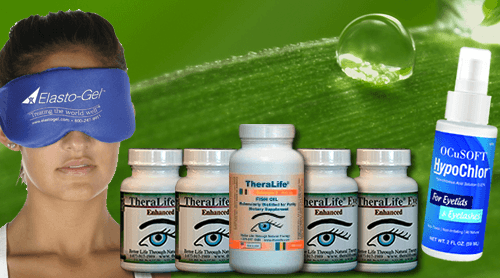
To prevent watery eyes effectively, consider exploring TheraLife’s unique approach. TheraLife stands out as the only company offering oral eye treatment care, focusing on comprehensive solutions for eye health. Their products aim to address the root causes of watery eyes, providing relief through a holistic method that includes both internal and external care.
Start by identifying the underlying cause of your watery eyes with a thorough eye exam, focusing on allergens, irritants, and tear film stability. Once diagnosed, TheraLife’s products can be integrated into your care routine to enhance eye health. These products are designed to minimize exposure to environmental triggers, improve air quality, and protect the eyes.
Incorporating TheraLife’s oral treatment can complement your daily habits, such as adjusting screen time and practicing eyelid hygiene. Their evidence-based approach ensures you use the most appropriate eye care products tailored to your specific needs. Early intervention with TheraLife’s products and their diagnostic precision is key. Explore their range to discover a detailed step-by-step strategy that best fits your lifestyle and eye care needs.
Powerful Oral Treatment for Watery Eyes – From Inside Out
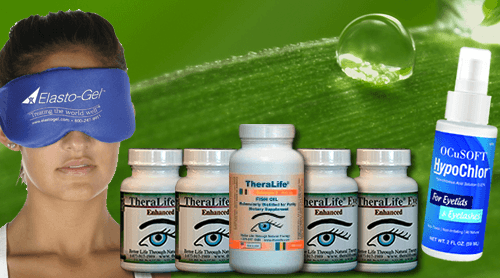
Complete oral solution for watery dry eyes treatment blepharitis/MGD
Add To Cart
Key Takeaways
- Identify and minimize exposure to common allergens and irritants like dust, pollen, and smoke in your environment.
- Practice daily eye hygiene by cleaning eyelids with a sterile, non-irritating solution and avoiding hand-to-eye contact.
- Use protective eyewear outdoors or in high-risk environments to shield eyes from wind, debris, and airborne irritants.
- Choose appropriate eye drops, such as preservative-free artificial tears or antihistamine drops, based on underlying causes.
- Take regular screen breaks and follow the 20-20-20 rule to reduce eye strain and promote healthy tear distribution.
Identify the Underlying Cause of Watery Eyes

Accurate diagnosis forms the cornerstone of managing watery eyes. When you present with persistent tearing, a thorough eye examination is essential. Your clinician will assess the eyelids, tear film, puncta, and ocular surface for anatomical or functional abnormalities. Differential diagnoses include allergic conjunctivitis, infection, dry eye syndrome, or nasolacrimal duct obstruction. Allergy testing provides objective data if hypersensitivity is suspected, guiding targeted management. Slit-lamp biomicroscopy allows for detailed inspection of conjunctival and corneal integrity, while fluorescein staining identifies epithelial defects. If infection or inflammation is detected, microbiological swabs may be indicated. Additional investigations, such as dacryocystography or lacrimal syringing, evaluate tear drainage pathways. Rapid tear evaporation due to low oil content can contribute to watery eyes, emphasizing the importance of identifying the root causes for effective management. By systematically identifying the etiology, you guarantee evidence-based interventions that address the root cause, not just symptomatic relief.
Minimize Exposure to Allergens and Irritants
To reduce epiphora, you should identify common ocular allergens and environmental irritants. Enhance indoor air quality with filtration systems and regular cleaning to limit airborne triggers. Maintain proper ocular hygiene to further decrease exposure to inflammatory agents. Wearing protective eyewear is an effective method to minimize exposure to wind, dust, and pollen, reducing the risk of eye discomfort and tearing.
Identify Common Eye Triggers
Numerous environmental triggers—such as pollen, dust mites, pet dander, and airborne chemicals—commonly provoke excessive tearing through ocular surface irritation or allergic conjunctivitis. You should systematically assess your environment for these eye irritants, as they frequently exacerbate allergy symptoms. Evaluate recent exposure to outdoor allergens during high pollen seasons, and note contact with household pets or dusty environments. Take a detailed history of symptom onset, duration, and any relationship to specific settings or times of day. Recognize that volatile organic compounds from cleaning agents or perfumes may also act as ocular irritants. excessive tearing can also be a symptom of Sjögren’s syndrome, a systemic autoimmune disease that leads to dryness in the eyes and mouth.
Improve Indoor Air Quality
While environmental triggers frequently originate outdoors, indoor air quality plays a critical role in perpetuating or worsening ocular symptoms. Airborne particulates such as dust mites, pet dander, and mold spores can provoke allergic conjunctivitis and exacerbate tear overproduction. To minimize exposure, consider integrating air purifiers equipped with HEPA filters, which have demonstrated efficacy in reducing indoor allergen concentrations. Regularly ventilate living spaces to decrease volatile organic compounds (VOCs) and humidity, both of which contribute to irritation. Select indoor plants carefully; while some species improve air quality by absorbing toxins, others may release pollen or harbor mold, inadvertently increasing ocular irritation. Maintain HVAC systems to prevent accumulation of irritants. Dry eye disease is characterized by insufficient tear production or increased tear evaporation, which may be exacerbated by poor indoor air quality.
Practice Proper Eye Hygiene
Limiting indoor pollutants forms only part of an effective strategy against watery eyes; direct ocular contact with allergens and irritants also warrants attention. You must prioritize eye washing to remove particulate matter and reduce the risk of inflammatory responses. Use sterile saline solutions to irrigate the ocular surface—especially after high-exposure environments. Strict contact cleanliness is paramount; always wash your hands before handling contact lenses and replace lenses as prescribed to prevent microbial contamination. Incorporating all-natural eye wash solutions can further enhance eye hygiene by gently cleansing eyelids and eyelashes from debris and microorganisms.
| Symptom | Emotional Impact |
|---|---|
| Persistent tearing | Frustration |
| Ocular redness | Self-consciousness |
| Itching or burning | Anxiety |
| Blurred vision | Helplessness |
Practice Proper Eye Hygiene
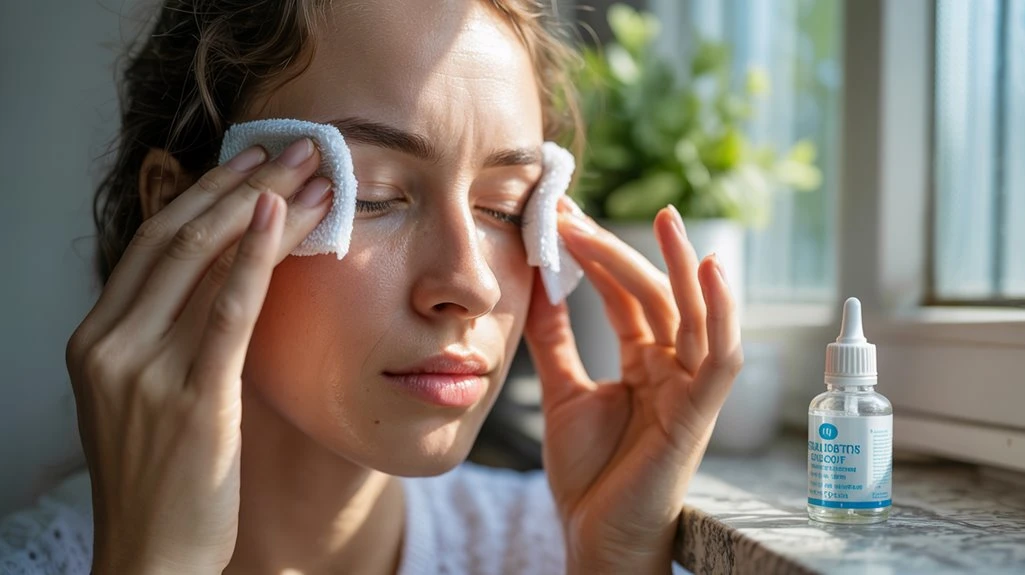
You should clean your eyelids daily with a sterile, non-irritating solution to reduce microbial and allergen buildup that can trigger excessive tearing. Evidence indicates that frequent hand-to-eye contact increases the risk of infection and inflammatory response, so avoid touching your eyes. Maintaining these practices supports ocular surface health and helps prevent reflex tearing. Incorporating warm compresses into your routine can further improve meibomian gland function and reduce symptoms of blepharitis by effectively melting and releasing oils.
Clean Eyelids Regularly
Routine eyelid hygiene plays a critical role in reducing the risk of ocular surface irritation and minimizing excessive tear production.
When you incorporate regular eyelid cleansing into your daily regimen, you effectively remove debris, bacteria, and excess oils that accumulate along the lid margins. Evidence indicates that inadequate eyelid hygiene can contribute to meibomian gland dysfunction, blepharitis, and subsequent reflex tearing. It is important to use recommended cleansing products, such as Tea Tree Oil cleansers, to effectively combat Demodex-related blepharitis and maintain robust eyelid hygiene.
To perform proper eyelid cleansing, use a sterile, preservative-free eyelid wipe or a diluted baby shampoo solution on a clean cotton pad. Gently scrub the eyelid margins and rinse thoroughly.
This practice decreases inflammatory mediators and biofilm formation, which are common triggers for watery eyes. Consistent eyelid hygiene supports tear film stability and enhances ocular surface health, reducing the diagnostic frequency of epiphora in clinical settings.
Avoid Touching Eyes
Maintaining ideal eyelid hygiene directly supports ocular surface integrity, but preventing direct hand-to-eye contact further reduces exposure to pathogens and irritants that can trigger watery eyes. Frequent touching introduces bacteria, viruses, and allergens, compromising eye care standards and increasing the risk of conjunctival inflammation or infection. Studies confirm that minimizing hand-to-eye transfer lowers the incidence of ocular surface disease and reflex tearing. For those experiencing persistent eye symptoms, blocked tear ducts can be a contributing factor, requiring medical attention for proper management. You should remain vigilant about hand hygiene and avoid rubbing or touching your eyes, especially in environments with high allergen or microbial presence. If you must address ocular discomfort, use a sterile tissue and wash your hands thoroughly before and after contact. This evidence-based approach prioritizes eye safety, preserves tear film stability, and provides a foundational intervention for preventing excessive lacrimation.
Choose the Right Eye Drops and Use Them Correctly
Although multiple eye drop formulations are available, selecting the appropriate type hinges on identifying the underlying etiology of watery eyes—such as allergic conjunctivitis, dry eye syndrome, or infection.
You should employ a diagnostic approach to match eye drop types with your specific condition, as improper selection may exacerbate symptoms. Evidence-based practice emphasizes correct application techniques to maximize efficacy and minimize contamination risk.
- For allergic conjunctivitis, use antihistamine or mast cell stabilizer eye drops.
- If you experience dry eye syndrome, opt for preservative-free artificial tears.
- For suspected infection, only utilize antibiotic or antiviral drops if prescribed.
Apply drops by tilting your head back, pulling down the lower eyelid, instilling a single drop, and avoiding direct contact with the applicator.
Precision in both selection and technique optimizes symptomatic relief. A comprehensive eye exam is essential for accurately diagnosing conditions like dry eye syndrome, which guides the correct choice of treatment.
Protect Your Eyes From Environmental Factors

Because environmental irritants frequently precipitate excessive tearing, you should systematically identify and mitigate exposure to triggers such as wind, smoke, dust, and chemical fumes.
Diagnostic evaluation often reveals that these factors exacerbate reflex lacrimation and destabilize the tear film. To reduce risk, implement eye protection strategies such as wearing wraparound sunglasses or safety goggles in high-risk environments.
Environmental shields, including physical barriers and proper ventilation systems, further limit ocular contact with airborne particulates and chemical vapors. Evidence supports the use of humidifiers to maintain ideal ambient humidity, as dry air can intensify symptoms.
Regularly assess your environment for potential irritants and promptly remove or avoid them. These proactive interventions considerably decrease the incidence of watery eyes secondary to environmental exposure, improving overall ocular surface health.
Additionally, incorporating high-quality fish oil supplements can improve tear film health through anti-inflammatory properties, offering another layer of protection against environmental factors.
Adjust Your Daily Habits and Screen Time
When you engage in prolonged screen use or develop inconsistent daily routines, diagnostic findings often reveal an increase in evaporative tear loss and ocular surface strain.
You can mitigate these risks by implementing structured habits that support ocular health. Evidence indicates that regular screen breaks and targeted eye exercises greatly reduce tear film instability and symptom severity.
To optimize your daily activities and minimize watery eyes, consider the following:
- Incorporate the 20-20-20 rule: every 20 minutes, look at something 20 feet away for 20 seconds.
- Schedule consistent screen breaks to interrupt prolonged visual tasks.
- Practice eye exercises, such as controlled blinking and gaze shifting, to enhance tear distribution.
- Maintain a regular sleep schedule to support ocular surface homeostasis.
Adopting these modifications facilitates diagnostic improvement and symptom relief.
Know When to Seek Professional Help
How can you differentiate between benign, self-limited watery eyes and conditions that require medical intervention?
Persistent tearing, associated pain, photophobia, reduced visual acuity, or discharge suggest pathology beyond simple irritation. If symptoms persist despite environmental adjustments and over-the-counter lubricants, consult eye specialists for a thorough ocular surface evaluation.
Red flags include sudden vision changes, trauma, or signs of infection such as redness and purulent discharge.
Eye specialists may employ diagnostic tools such as slit-lamp biomicroscopy or tear film analysis to identify underlying etiologies like nasolacrimal duct obstruction or chronic blepharitis.
In some cases, targeted interventions such as punctal plugs or vision therapy may be indicated.
Early intervention minimizes the risk of complications and promotes ideal ocular health. Don’t hesitate to seek professional care when warranted.
Powerful Oral Treatment for Watery Eyes – From Inside Out
Complete oral solution for watery dry eyes treatment blepharitis/MGD
Add To Cart
Frequently Asked Questions
Can Certain Foods or Drinks Worsen Watery Eyes?
Yes, certain foods or drinks can exacerbate watery eyes, especially if you have allergies.
Allergies foods—such as dairy, nuts, or shellfish—may trigger an immunologic response, increasing tear production.
Spicy foods can stimulate the trigeminal nerve, leading to reflex lacrimation and transient watery eyes.
If you notice a correlation, document dietary intake and symptoms, then consult an allergist or ophthalmologist for further diagnostic evaluation and medical management.
Are There Specific Vitamins That Help Reduce Watery Eyes?
Just like a well-oiled machine runs smoothly, your eyes function best with proper nutrients.
Scientific evidence links vitamin A, C, and E intake to ideal eye health by supporting the tear film and reducing ocular surface irritation.
Vitamin benefits include antioxidant protection and mucous membrane support, which may help minimize watery eyes if deficiency is present.
Diagnostic evaluation helps pinpoint deficiencies, allowing you to tailor supplementation and maximize your eye health outcomes.
Does Weather or Humidity Impact Eye Watering?
You may experience increased lacrimation due to weather effects and fluctuating humidity levels.
Low humidity can cause ocular surface dryness, leading to reflex tearing, while high humidity may exacerbate allergic conjunctivitis symptoms, triggering eye watering.
Clinical studies suggest that rapid changes in temperature and wind exposure also stimulate tear production.
Evaluating your environment’s humidity levels and monitoring for accompanying symptoms can aid in the diagnostic process and guide appropriate interventions for persistent symptoms.
Can Wearing Makeup Increase the Risk of Watery Eyes?
Like a double-edged sword, makeup can enhance your appearance but also increase your risk of watery eyes.
You might be sensitive to certain makeup ingredients, which act as allergy triggers, causing lacrimation and conjunctival irritation.
Clinical evidence shows preservatives, fragrances, and pigments often provoke these reactions.
If you experience persistent tearing after makeup application, consider an ophthalmological evaluation to identify the specific allergens and optimize your cosmetic choices for ocular health.
Is Watery Eye a Sign of an Underlying Systemic Illness?
You should recognize that a watery eye can indicate an underlying systemic illness, especially when accompanied by other allergies symptoms or recurrent eye infections.
Conditions such as allergic rhinitis, autoimmune disorders, or systemic infections may present with excessive tearing.
It’s important to assess for associated signs like itching, redness, discharge, or systemic symptoms.
Timely diagnostic evaluation, including history and laboratory testing, helps differentiate between local and systemic causes of epiphora and guides targeted management.
Powerful Oral Treatment for Watery Eyes – From Inside Out
Complete oral solution for watery dry eyes treatment blepharitis/MGD
Add To Cart
Conclusion
Theralife.com offers a unique solution for those suffering from watery eyes, emphasizing the benefits of its oral eye treatment care. As the only company providing this specific approach, Theralife addresses the root causes of eye discomfort and excessive tearing, which can be due to conditions like allergic conjunctivitis. By using Theralife’s products, customers can achieve improved ocular comfort and health.
Theralife’s comprehensive approach includes prioritizing diagnostic clarity, controlling environmental factors, and maintaining proper hygiene. Their products are designed to offer a natural and effective way to treat various eye conditions, ensuring that customers experience relief and maintain optimal eye health. If symptoms persist, consulting an ophthalmologist is recommended, but Theralife’s solutions empower users to take proactive steps in managing their ocular surface health and preventing recurrent issues.
References
- 1.
- 2.
- Nemet AY. The Etiology of Epiphora: A Multifactorial Issue. Semin Ophthalmol. 2016;31(3):275-9. [PubMed]
- 3.
- Shen GL, Ng JD, Ma XP. Etiology, diagnosis, management and outcomes of epiphora referrals to an oculoplastic practice. Int J Ophthalmol. 2016;9(12):1751-1755. [PMC free article] [PubMed]
- 4.
- Patel J, Levin A, Patel BC. StatPearls [Internet]. StatPearls Publishing; Treasure Island (FL): Aug 7, 2023. Epiphora. [PubMed]
- 5.
- Gurnani B, Kaur K. StatPearls [Internet]. StatPearls Publishing; Treasure Island (FL): Jun 11, 2023. Bacterial Keratitis. [PubMed]
- 6.
- Basu S. Seeing through tears: Understanding and managing dry eye disease. Indian J Ophthalmol. 2023 Apr;71(4):1065-1066. [PMC free article] [PubMed]
- 7.
- Icasiano E, Latkany R, Speaker M. Chronic epiphora secondary to ocular rosacea. Ophthalmic Plast Reconstr Surg. 2008 May-Jun;24(3):249. [PubMed]
- 8.
- 9.
- Tse DT, Erickson BP, Tse BC. The BLICK mnemonic for clinical-anatomical assessment of patients with epiphora. Ophthalmic Plast Reconstr Surg. 2014 Nov-Dec;30(6):450-8. [PubMed]
- 10.
- Webber NK, Setterfield JF, Lewis FM, Neill SM. Lacrimal canalicular duct scarring in patients with lichen planus. Arch Dermatol. 2012 Feb;148(2):224-7. [PubMed]
- 11.
- Portelinha J, Passarinho MP, Costa JM. Neuro-ophthalmological approach to facial nerve palsy. Saudi J Ophthalmol. 2015 Jan-Mar;29(1):39-47. [PMC free article] [PubMed]
- 12.
- Zhang Y, Zeng C, Chen N, Liu C. Lacrimal ductal cyst of the medial orbit: a case report. BMC Ophthalmol. 2020 Sep 24;20(1):380. [PMC free article] [PubMed]
- 13.
- Kim JS, Liss J. Masses of the Lacrimal Gland: Evaluation and Treatment. J Neurol Surg B Skull Base. 2021 Feb;82(1):100-106. [PMC free article] [PubMed]
- 14.
- Lievens CW, Rayborn E. Tribology and the Ocular Surface. Clin Ophthalmol. 2022;16:973-980. [PMC free article] [PubMed]
- 15.
- Al Saleh A, Vargas JM, Al Saleh AS. Supernumerary lacrimal puncta: Case series. Saudi J Ophthalmol. 2020 Oct-Dec;34(4):328-330. [PMC free article] [PubMed]
- 16.
- Kang S, Seo JW, Sa HS. Cancer-associated epiphora: a retrospective analysis of referrals to a tertiary oculoplastic practice. Br J Ophthalmol. 2017 Nov;101(11):1566-1569. [PubMed]
- 17.
- Esmaeli B, Hidaji L, Adinin RB, Faustina M, Coats C, Arbuckle R, Rivera E, Valero V, Tu SM, Ahmadi MA. Blockage of the lacrimal drainage apparatus as a side effect of docetaxel therapy. Cancer. 2003 Aug 01;98(3):504-7. [PubMed]
- 18.
- Chan W, Malhotra R, Kakizaki H, Leibovitch I, Selva D. Perspective: what does the term functional mean in the context of epiphora? Clin Exp Ophthalmol. 2012 Sep-Oct;40(7):749-54. [PubMed]
- 19.
- Perry JD. Dysfunctional epiphora: a critique of our current construct of “functional epiphora”. Am J Ophthalmol. 2012 Jul;154(1):3-5. [PubMed]
- 20.
- Maroto Rodríguez B, Stoica BTL, Toledano Fernández N, Genol Saavedra I. Treatment for functional epiphora with botulinum toxin-A versus lateral tarsal strip in a randomized trial. Arch Soc Esp Oftalmol (Engl Ed). 2022 Oct;97(10):549-557. [PubMed]