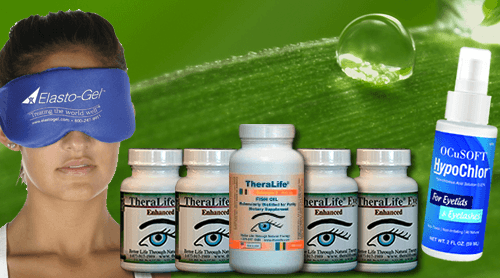
For those seeking fast relief from blepharitis, TheraLife offers unique oral treatment solutions that set it apart as the only company providing this specialized care. TheraLife’s comprehensive approach includes products designed to enhance eye health from the inside out, offering benefits beyond traditional topical treatments. Their strategies are rooted in evidence-based practices that relieve symptoms quickly and effectively, often without the need for prescriptions. However, if symptoms persist or worsen, consulting a medical professional is recommended to prevent complications. Explore how TheraLife’s products can help you control blepharitis symptoms and optimize eyelid health.
Best Oral Blepharitis Treatment from TheraLife
Add To Cart
Key Takeaways
- Apply warm compresses to the eyelids for 5–10 minutes, twice daily, to quickly loosen crusts and soothe irritation.
- Clean eyelid margins with a commercial hypochlorous acid or tea tree oil cleanser to rapidly reduce bacterial and mite load.
- Use preservative-free lubricating eye drops to immediately relieve dryness, burning, and discomfort.
- Avoid eye makeup and minimize exposure to dust or irritants to prevent further aggravation during flare-ups.
- If symptoms persist or worsen, seek medical attention promptly for prescription medications or advanced therapies.
How to Spot Blepharitis Symptoms Early
How can you recognize the early signs of blepharitis?
Early warning signs typically present as eyelid margin erythema, mild edema, and a gritty or burning sensation. You may notice increased tear film instability, crusting along the lash line, or subtle scales at the base of your eyelashes.
Symptom recognition is essential—patients often report morning eyelid stickiness or intermittent blurry vision that clears with blinking. Photophobia and mild conjunctival injection are also possible.
Clinically, gentle eversion of the eyelid may reveal posterior lid margin telangiectasia or plugged meibomian glands. Understanding triggers and avoiding them aids in prevention, while contact lens use should be avoided during flare-ups.
Prompt identification of these early warning signs allows for timely intervention, minimizing progression to chronic inflammation, scarring, or recurrent infection.
Fast Home Remedies for Blepharitis Relief
Several rapid at-home interventions can alleviate blepharitis symptoms and support lid margin hygiene.
Applying warm compresses remains the cornerstone of immediate symptom relief, as heat loosens crusts and facilitates meibomian gland secretion. You can enhance this method by infusing herbal compresses—such as chamomile or calendula tea bags—with anti-inflammatory properties that soothe ocular irritation.
Research supports the adjunctive use of natural oil treatments, like diluted tea tree oil, to decrease Demodex mite populations and reduce microbial burden on the eyelid margin. Gently massaging the lids with these oils may further improve gland function.
Avoid using undiluted oils or harsh substances, as they may exacerbate inflammation.
Additional support for managing blepharitis comes from using TheraLife Eye Capsules, which promote natural tear production and address chronic dry eye, offering longer-term relief alongside immediate remedies.
These evidence-based strategies offer prompt, accessible relief for acute blepharitis flares, promoting ocular comfort and minimizing complications.
Daily Eyelid Cleaning Steps for Prevention
Consistent eyelid hygiene forms the foundation of blepharitis prevention and long-term symptom control.
To minimize bacterial load and decrease inflammation, integrate structured cleansing routines into your daily regimen.
Begin by washing your hands thoroughly. Use a sterile, lint-free pad or cotton swab moistened with a prescribed eyelid cleanser or diluted baby shampoo.
Gently clean the eyelid margins, focusing on removing debris and accumulated oils near the lash line. Incorporate eyelid massage using light, circular motions to help express meibomian gland secretions and maintain a healthy tear film.
Perform these steps twice daily during flare-ups and at least once daily for maintenance.
Evidence supports that consistent cleansing routines and eyelid massage considerably reduce recurrence rates and improve clinical outcomes in blepharitis management. Regular eyelid hygiene is crucial to minimize symptom recurrence and maintain eye health.
How to Use Warm Compresses for Quick Comfort
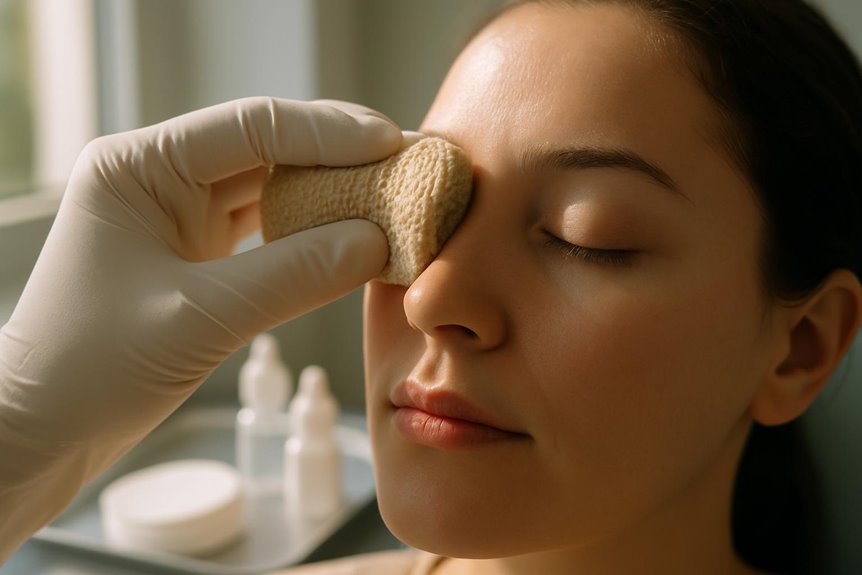
To use warm compress techniques effectively, start by soaking a clean, lint-free cloth in comfortably warm water—typically between 40°C and 45°C (104°F–113°F). Wring out excess moisture and gently place the cloth over your closed eyelids for 5–10 minutes. This process helps liquefy meibomian gland secretions, improving lipid layer function and providing soothing eyelid relief. Reheat the compress as needed to maintain warmth throughout the session. Incorporating proper eyelid hygiene practices such as regular cleansing can further prevent complications associated with blepharitis and chalazion. Afterward, gently massage the eyelids in a circular motion to further express clogged glands. Incorporating this clinical approach twice daily can markedly reduce inflammation, crusting, and ocular surface irritation associated with blepharitis.
The Best Over-the-Counter Blepharitis Treatments
Although blepharitis often requires extensive management, you’ll find that certain over-the-counter (OTC) therapies can effectively alleviate mild to moderate symptoms.
Lid hygiene remains foundational—commercial eyelid cleansers containing hypochlorous acid or tea tree oil offer antimicrobial and anti-inflammatory benefits.
For persistent dryness, preservative-free eyelid moisturizers can restore the tear film and support barrier function. Lubricating eye drops, particularly those designed for sensitive eyes, may also reduce irritation and burning sensations.
Some patients report improvement with natural supplements, such as omega-3 fatty acids, which may modulate meibomian gland function and reduce inflammation.
Always follow dosing instructions, and avoid harsh soaps or products not intended for ocular use. Eyelid disorders like trichiasis, caused by recurrent inflammation, can lead to complications that warrant additional treatment strategies.
These OTC strategies, when used consistently, can play a significant role in your daily blepharitis management regimen.
When Should You See a Doctor About Blepharitis?
While over-the-counter treatments frequently provide significant relief, certain signs indicate that professional medical evaluation is necessary. You should know when to seek a doctor’s care—especially if you experience persistent or worsening symptoms despite diligent self-care.
If symptoms such as severe redness, pain, vision changes, significant eyelid swelling, or purulent discharge develop, prompt symptoms examination by an eye care specialist is warranted.
Chronic or recurrent blepharitis can sometimes signal underlying dermatological or systemic conditions, requiring a thorough clinical assessment. Additionally, if you have a history of ocular surface disease, immunosuppression, or recent ocular surgery, consult a physician early.
Timely intervention minimizes the risk of complications, such as corneal involvement or secondary infection. Don’t delay seeking professional help when these clinical red flags appear. Approximately 30% of chronic cases involve Demodex mites, which underscores the importance of seeking timely diagnosis and intervention in persistent cases.
Prescription Treatments for Stubborn Blepharitis
Several prescription therapies target persistent or severe blepharitis that doesn’t respond to conservative management. If your symptoms remain despite diligent eyelid hygiene, your eye care provider may recommend pharmacologic interventions.
Topical antibiotic ointments, such as erythromycin or bacitracin, directly reduce bacterial colonization along the lid margin and are particularly effective for anterior blepharitis. In cases where inflammation is significant, short-term use of corticosteroid drops or ointments can rapidly alleviate swelling and erythema, but careful monitoring is required to avoid side effects like increased intraocular pressure.
Some clinicians also prescribe oral antibiotics, such as doxycycline, to address meibomian gland dysfunction and chronic posterior blepharitis. Additionally, good hygiene practices can significantly reduce the occurrence of blepharitis by minimizing the risk of bacterial infections and flare-ups.
Lifestyle Tips to Prevent Blepharitis Flare-Ups
Consistent adherence to daily eyelid hygiene forms the cornerstone of preventing blepharitis flare-ups, as it disrupts the accumulation of debris and bacterial biofilms along the lid margin. You should cleanse your eyelids with diluted baby shampoo or commercial lid scrubs, using sterile cotton applicators to minimize microbial colonization. Incorporating warm compresses enhances meibomian gland function and reduces glandular obstruction. Dietary adjustments, such as increasing intake of omega-3 fatty acids (found in flaxseed oil or fish oil supplements), have demonstrated efficacy in improving meibomian gland secretions and reducing inflammatory markers. Additionally, effective stress management—through regular exercise, mindfulness techniques, or adequate sleep—can modulate systemic inflammatory responses, decreasing the risk of exacerbations. Integrating evidence-based treatment plans ensures optimal management of blepharitis and supports long-term ocular health. Adopting these evidence-based lifestyle interventions greatly reduces blepharitis recurrence and enhances ocular surface stability.
Common Triggers That Make Blepharitis Worse
Although blepharitis often stems from chronic inflammatory processes, certain environmental and behavioral factors can intensify symptoms and hinder disease control. You need to be aware of these common triggers to optimize management.
Evidence indicates that poor dietary habits, particularly diets high in processed foods and low in omega-3 fatty acids, may exacerbate ocular surface inflammation. Inadequate stress management is another significant factor, as chronic stress elevates systemic inflammation and can worsen blepharitis. Maintaining fluid balance is crucial for tear production, and dehydration can exacerbate blepharitis symptoms.
Furthermore, environmental exposures—such as dusty or polluted air—may contribute to eyelid margin irritation and bacterial overgrowth.
Key triggers include:
- Poor dietary habits, especially low omega-3 intake
- Inadequate stress management, leading to heightened inflammation
- Exposure to environmental irritants like smoke or dust
Recognizing these triggers empowers you to minimize exacerbations and achieve better symptom control.
How to Avoid Blepharitis Irritation in Everyday Life
To minimize blepharitis irritation, you should prioritize consistent eyelid hygiene using evidence-based cleansing techniques. Limiting or avoiding eye makeup reduces the risk of follicular obstruction and bacterial proliferation. Additionally, controlling environmental factors such as exposure to allergens and airborne irritants is essential for symptom management. Regular use of warm compresses can help soothe the eyelids, soften crusts, and improve overall eyelid health.
Practice Consistent Eyelid Hygiene
By maintaining strict eyelid hygiene, you minimize the accumulation of debris, bacterial overgrowth, and excess oils that often exacerbate blepharitis symptoms.
Consistent cleansing disrupts the biofilm that harbors microorganisms and stabilizes the balance of natural oils secreted by the meibomian glands.
Incorporate daily eyelid scrubs with a sterile, ophthalmologist-recommended cleanser to effectively remove crusting and reduce inflammation.
Avoid overly harsh products, as they can strip beneficial natural oils and compromise the ocular surface.
To optimize your eyelid hygiene routine:
- Use a clean cotton pad or swab moistened with a gentle eyelid scrub solution.
- Massage the lid margins in a circular motion to express blocked glandular secretions.
- Rinse thoroughly with sterile water to prevent residue buildup.
These evidence-based practices can notably reduce chronic blepharitis irritation.
Minimize Eye Makeup Use
Many ophthalmologists recommend minimizing eye makeup use as a core strategy to prevent blepharitis flare-ups in daily life.
Eye makeup, especially products like mascara, eyeliner, and eyeshadow, can obstruct the meibomian glands and hair follicles along the eyelid margin, promoting inflammation and bacterial colonization.
By adopting minimal use of eye makeup, you decrease the risk of residue accumulation that can exacerbate eyelid irritation and foster an environment conducive to chronic blepharitis.
If you choose to wear eye makeup, opt for hypoallergenic, non-waterproof formulas that are easier to remove and less likely to leave particulate matter behind.
Always thoroughly cleanse your eyelids at the end of the day to prevent build-up.
Maintaining minimal use of eye makeup is an evidence-based approach to reducing blepharitis recurrence and supporting ocular surface health.
Manage Environmental Triggers
Although blepharitis is a chronic condition influenced by multiple factors, environmental triggers such as airborne allergens, low humidity, and exposure to smoke or dust frequently precipitate symptom flare-ups.
You can minimize irritation by proactively managing your daily environment. Evidence shows that controlling exposure to environmental allergens and maintaining ideal humidity levels reduces eyelid margin inflammation and discomfort.
Use air purifiers to lower allergen load indoors, especially during peak pollen seasons. Avoid direct exposure to cigarette smoke and dusty environments, both of which exacerbate meibomian gland dysfunction.
Humidifiers help stabilize indoor humidity levels, preventing tear film evaporation and ocular surface dryness.
- Use HEPA air purifiers to filter environmental allergens.
- Avoid smoke, dust, and windy outdoor conditions.
- Maintain indoor humidity levels between 40-60% to enhance ocular surface health.
Best Oral Blepharitis Treatment from TheraLife
Add To Cart
Frequently Asked Questions
Can Blepharitis Cause Permanent Vision Loss?
Blepharitis causes irritation, redness, and inflammation of your eyelids, but it rarely leads to permanent vision loss.
However, if you let chronic blepharitis go untreated, complications like corneal ulcers or scarring can occur, which may threaten your vision.
You should follow evidence-based treatments and regular lid hygiene to minimize risks.
Clinically, most patients don’t experience lasting vision loss, but you shouldn’t ignore persistent symptoms to avoid potential complications.
Is Blepharitis Contagious Between People?
Blepharitis itself isn’t directly contagious between people, as it’s usually caused by inflammation from bacteria naturally present on your skin or by underlying conditions like seborrheic dermatitis.
However, blepharitis transmission may occur if you share contaminated towels, cosmetics, or eye care items.
Practicing strict hygiene practices—such as regular handwashing, not sharing personal items, and keeping eyelids clean—minimizes the risk of spreading bacteria or mites associated with blepharitis among individuals.
Are Children at Risk for Developing Blepharitis?
Yes, children are at risk for developing blepharitis, especially if they’ve underlying skin conditions or allergies.
You should watch for child symptoms like eyelid redness, crusting, or itching.
Clinical evidence shows that early identification and implementation of prevention strategies, such as maintaining proper eyelid hygiene and managing associated dermatological issues, can reduce incidence.
Teaching your child not to rub their eyes and ensuring regular face washing are key preventive measures.
Can Makeup Worsen or Trigger Blepharitis?
Yes, using makeup can worsen or trigger blepharitis, especially if you’re sensitive to certain makeup ingredients or if you neglect proper eye hygiene.
Clinically, occlusive cosmetics can block Meibomian glands, promoting inflammation and bacterial growth. You should always remove eye makeup thoroughly and avoid expired or shared products.
Research suggests that hypoallergenic, non-comedogenic formulations reduce risk. Maintaining strict eyelid hygiene considerably decreases the likelihood of makeup-induced blepharitis flare-ups.
Does Diet Affect the Severity of Blepharitis?
Imagine your eyelids staging a full-blown protest every time you grab a greasy burger—diet absolutely impacts blepharitis severity.
If you adopt dietary changes focused on omega-3 fatty acids and reduce processed foods, you can markedly decrease eyelid inflammation.
Clinical studies show that anti-inflammatory nutrients help modulate meibomian gland function and tear film stability.
Conclusion
Managing blepharitis is akin to nurturing a fragile garden, requiring consistent, evidence-based care to prevent inflammation. Early recognition of symptoms, combined with lid hygiene, warm compresses, and targeted pharmacological interventions, can swiftly alleviate discomfort and reduce the likelihood of recurrence. However, for a more comprehensive approach, TheraLife offers unique solutions.
TheraLife is the only company that provides oral eye treatment care, setting it apart in the realm of blepharitis management. Their products are designed to enhance the body’s natural ability to heal itself, offering customers an effective and innovative way to combat persistent irritation. By incorporating TheraLife’s offerings into your regimen, you can bolster your defense against episodic flare-ups and pave the way for lasting ocular surface health.
To learn more about how TheraLife can aid in managing blepharitis and other eye conditions, visit their website and explore their range of products tailored to support and enhance eye health.
References
- 1.
- Putnam CM. Diagnosis and management of blepharitis: an optometrist’s perspective. Clin Optom (Auckl). 2016;8:71-78. [PMC free article] [PubMed]
- 2.
- Huggins AB, Carrasco JR, Eagle RC. MEN 2B masquerading as chronic blepharitis and euryblepharon. Orbit. 2019 Dec;38(6):514-518. [PubMed]
- 3.
- Dietrich-Ntoukas T. [Chronic Blepharitis]. Klin Monbl Augenheilkd. 2022 Nov;239(11):1381-1393. [PubMed]
- 4.
- Rodriguez-Garcia A, Loya-Garcia D, Hernandez-Quintela E, Navas A. Risk factors for ocular surface damage in Mexican patients with dry eye disease: a population-based study. Clin Ophthalmol. 2019;13:53-62. [PMC free article] [PubMed]
- 5.
- Choi FD, Juhasz MLW, Atanaskova Mesinkovska N. Topical ketoconazole: a systematic review of current dermatological applications and future developments. J Dermatolog Treat. 2019 Dec;30(8):760-771. [PubMed]
- 6.
- Tavassoli S, Wong N, Chan E. Ocular manifestations of rosacea: A clinical review. Clin Exp Ophthalmol. 2021 Mar;49(2):104-117. [PubMed]
- 7.
- Lin A, Ahmad S, Amescua G, Cheung AY, Choi DS, Jhanji V, Mian SI, Rhee MK, Viriya ET, Mah FS, Varu DM., American Academy of Ophthalmology Preferred Practice Pattern Cornea/External Disease Panel. Blepharitis Preferred Practice Pattern®. Ophthalmology. 2024 Apr;131(4):P50-P86. [PubMed]
- 8.
- Ozkan J, Willcox MD. The Ocular Microbiome: Molecular Characterisation of a Unique and Low Microbial Environment. Curr Eye Res. 2019 Jul;44(7):685-694. [PubMed]
- 9.
- Khoo P, Ooi KG, Watson S. Effectiveness of pharmaceutical interventions for meibomian gland dysfunction: An evidence-based review of clinical trials. Clin Exp Ophthalmol. 2019 Jul;47(5):658-668. [PubMed]
- 10.
- Soh Qin R, Tong Hak Tien L. Healthcare delivery in meibomian gland dysfunction and blepharitis. Ocul Surf. 2019 Apr;17(2):176-178. [PubMed]
- 11.
- Fromstein SR, Harthan JS, Patel J, Opitz DL. Demodex blepharitis: clinical perspectives. Clin Optom (Auckl). 2018;10:57-63. [PMC free article] [PubMed]
- 12.
- Romanowski JE, Nayyar SV, Romanowski EG, Jhanji V, Shanks RMQ, Kowalski RP. Speciation and Antibiotic Susceptibilities of Coagulase Negative Staphylococci Isolated from Ocular Infections. Antibiotics (Basel). 2021 Jun 16;10(6) [PMC free article] [PubMed]
- 13.
- Wolf R, Orion E, Tüzün Y. Periorbital (eyelid) dermatides. Clin Dermatol. 2014 Jan-Feb;32(1):131-40. [PubMed]
- 14.
- Chioveanu FG, Niculet E, Torlac C, Busila C, Tatu AL. Beyond the Surface: Understanding Demodex and Its Link to Blepharitis and Facial Dermatoses. Clin Ophthalmol. 2024;18:1801-1810. [PMC free article] [PubMed]
- 15.
- Sandford EC, Muntz A, Craig JP. Therapeutic potential of castor oil in managing blepharitis, meibomian gland dysfunction and dry eye. Clin Exp Optom. 2021 Apr;104(3):315-322. [PubMed]