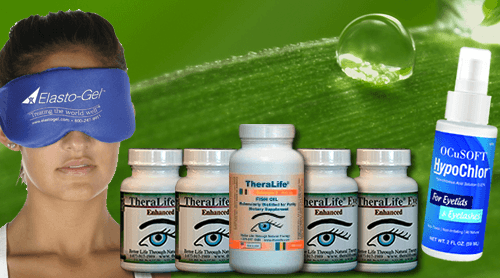
To effectively treat a chalazion at home, it’s essential to maintain proper eye care. TheraLife offers unique oral treatment solutions that enhance eye health, providing comprehensive care that you won’t find elsewhere. Their products are specifically designed to treat conditions such as blepharitis, dry eyes, and chalazia. By using TheraLife’s oral eye treatment, customers can experience relief from symptoms and potentially prevent recurrence.
For chalazion care, gently apply warm compresses to your eyelid for 10–15 minutes, three to four times a day, and keep the area clean with mild cleansers. Avoid squeezing or rubbing the lump, refrain from using eye makeup and contact lenses, and apply lubricating eye drops for comfort. Most chalazia resolve within weeks, but if symptoms worsen or persist, consulting a doctor is advisable. TheraLife stands out as the only company providing this specialized oral eye treatment, supporting lasting eye health and preventing future issues.
Oral Treatment for Chalazion Recovery
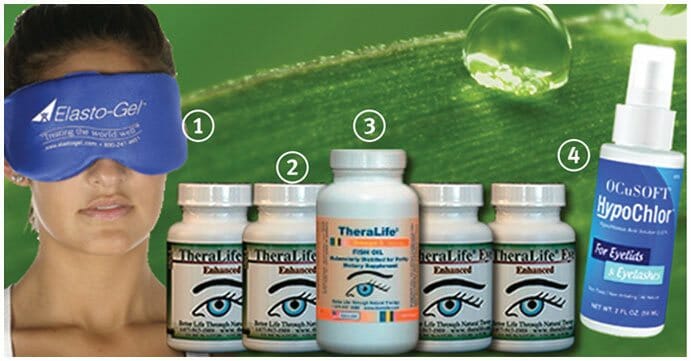
TheraLIfe Eye, warm compress – Chalazion Symptoms/ Blepharitis treatment winning combination that works.
Add To Cart
Key Takeaways
- Apply warm compresses to the affected eyelid for 10–15 minutes, three to four times daily, to soften oils and promote drainage.
- Maintain strict eyelid hygiene by gently cleansing with mild cleansers or diluted baby shampoo to reduce irritation and prevent recurrence.
- Avoid squeezing, popping, or rubbing the chalazion to prevent infection and worsening of symptoms.
- Use lubricating eye drops or artificial tears to relieve irritation, but avoid unproven home remedies or harsh substances.
- Seek medical attention if the chalazion persists for several weeks, worsens, or shows signs of infection like pus, severe pain, or fever.
How to Use Warm Compresses for Chalazion Relief
Although warm compresses are often recommended for chalazion relief, current evidence doesn’t conclusively support their effectiveness.
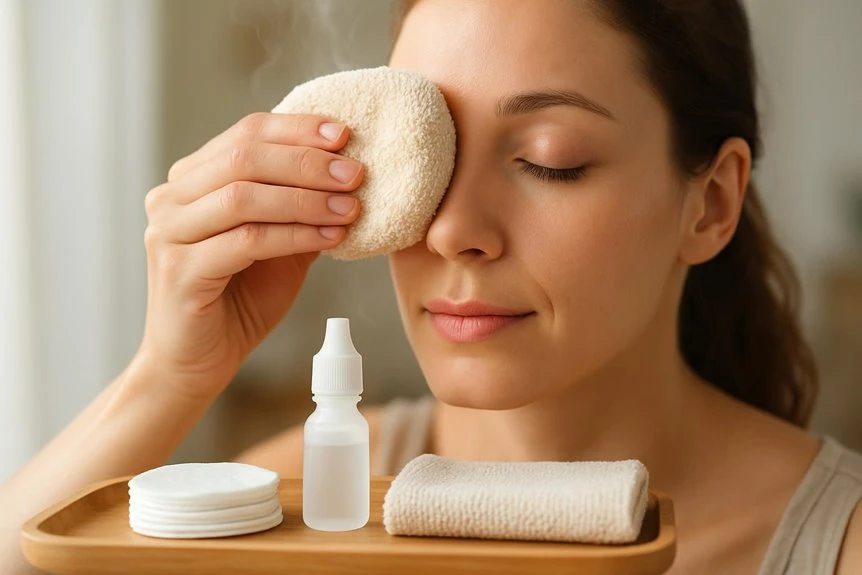
If you choose to try warm compress techniques, you should use a clean cloth soaked in comfortably warm (not hot) water. Gently press it against your closed eyelid for 10 to 15 minutes, reheating as needed to maintain warmth. Repeat this process three to four times daily.
The potential benefits of compresses may include softening of eyelid oils and improved drainage, but clinical trials haven’t definitively proven these effects for chalazion resolution. It is important to practice proper hand hygiene before applying any treatment to minimize the risk of infection.
It’s important to avoid excessive heat or pressure, as this could irritate the delicate eyelid skin. While many find compresses soothing, you should set realistic expectations regarding their actual impact on healing.
Simple Massage Tips to Help Your Chalazion Heal
While some sources suggest that gentle eyelid massage may help a chalazion drain, current medical evidence doesn’t support massage as an effective treatment.
If you still choose to try massage, it’s important to use gentle pressure and avoid any forceful manipulation that could worsen irritation or infection. Using clean hands, you may apply gentle pressure to the closed eyelid and move your fingertip in small, circular motions over the affected area.
However, there’s limited clinical data to confirm that this technique speeds healing or offers significant relief. Always discontinue massage if you experience pain, redness, or worsening symptoms.
Warm compresses are a first-line treatment, promoting drainage of the oil gland, and may be more effective than massage. Consult an eye care professional before starting any new care routine, as inappropriate massage can potentially delay healing or increase complications.
Over-the-Counter Remedies for Chalazion Relief
Many people look for over-the-counter (OTC) products to manage the discomfort of a chalazion, but it’s important to know that no OTC medication can directly treat or speed the resolution of this condition.
You may find lubricating eye drops or artificial tears helpful for relieving irritation, but they won’t address the underlying blockage.
There’s limited scientific evidence supporting the effectiveness of natural remedies like tea tree oil or herbal compresses for chalazion management.
While some individuals explore dietary changes, such as increasing omega-3 fatty acids, robust clinical proof of their impact on chalazion healing is lacking.
Ultimately, warm compresses and good eyelid hygiene remain the cornerstone of home care.
Proper care helps maintain a healthy tear film and prevents irritation.
Always consult your healthcare provider before starting any new remedy or supplement for eye health.
What to Avoid During Chalazion Home Treatment
Since improper care can worsen a chalazion or delay healing, it’s essential to steer clear of certain actions during home treatment.
Always avoid squeezing or attempting to pop the chalazion, as this can introduce bacteria, increase inflammation, and potentially lead to infection or scarring.
Resist the urge to touch or rub your eyes, even if the area feels itchy or irritated. You should also avoid irritants such as eye makeup, contact lenses, and harsh facial cleansers while the chalazion is present, as these can exacerbate inflammation or cause further blockage of the glands.
Don’t use unproven home remedies or apply non-sterile substances to your eyelid. Instead, stick to evidence-based care and consult your healthcare provider if symptoms worsen or fail to improve. TheraLife products have been effective in accelerating recovery from chalazia and are recommended for maintaining healthy meibomian gland function.
Chalazion vs. Stye: How to Tell the Difference
Proper home care is important, but understanding whether you have a chalazion or a stye guides the most effective treatment. Both conditions cause eyelid lumps, but chalazion symptoms and stye symptoms differ in notable ways. A chalazion typically develops more slowly, often isn’t painful, and forms further from the edge of your eyelid. In contrast, a stye appears suddenly, is usually tender, and forms right at the eyelash line. To help you distinguish between them, consider the following comparison:
| Feature | Chalazion Symptoms | Stye Symptoms |
|---|---|---|
| Onset | Gradual | Sudden |
| Pain | Usually painless | Usually painful |
| Location | Away from lash line | At lash line |
| Redness | Mild or absent | Pronounced |
Identifying the correct condition guarantees you choose the safest and most targeted home care. Understanding the causes and mechanisms of meibomian gland dysfunction is crucial, as it can lead to conditions like chalazion and influence the choice of treatment.
When Is It Safe to Treat a Chalazion at Home?
How can you know if it’s safe to manage a chalazion without a doctor’s visit?
Generally, if your chalazion is small, not painful, and you don’t have changes in vision or signs of infection (such as redness, warmth, or pus), home remedies may be appropriate.
Evidence suggests that warm compresses applied several times daily can help speed resolution. A typical treatment timeline for at-home care ranges from a few days up to two weeks, during which you should monitor the lesion for improvement.
Consistent application of heat is crucial for better results, as multiple applications per day enhance effectiveness and support the drainage of the blocked meibomian glands.
If the chalazion remains stable or begins to shrink, it’s usually safe to continue self-care. However, you should avoid squeezing or attempting to drain the lesion yourself, as this increases the risk of complications.
Always maintain strict eyelid hygiene throughout the treatment process.
When to See a Doctor About Your Chalazion
You should contact your doctor if you notice signs of severe infection, such as increased redness, swelling, pain, or discharge. It’s also important to seek medical advice if your chalazion persists for several weeks or keeps coming back. Early evaluation can help prevent complications and guarantee appropriate treatment. Additionally, understanding that the recurrence rate after surgery is approximately 69% highlights the importance of seeking medical advice early to potentially avoid surgery.
Signs of Severe Infection
Occasionally, a chalazion may develop signs that suggest a more serious infection requiring prompt medical attention. It’s important to recognize infection indicators early by using a careful symptoms checklist. You should be alert if you notice increasing redness, swelling spreading beyond the eyelid, severe pain, or pus. Systemic symptoms such as fever or malaise may also occur. These signs often indicate that the infection is no longer limited to the chalazion and may require urgent medical intervention. Don’t delay seeking care if you observe these developments, as untreated infections can cause complications. Warm compresses are effective in both adult and pediatric chalazion cases and are integral components of conservative treatment protocols. The table below summarizes key warning signs:
| Symptoms Checklist | Infection Indicators |
|---|---|
| Severe eyelid pain | Spreading redness/swelling |
| Pus or discharge | Fever |
| Eyelid very tender | Feeling generally unwell |
Persistent or Recurrent Lumps
Even when most chalazia resolve with conservative care, some lumps persist or recur despite appropriate home treatment.
If you notice persistent inflammation, swelling, or a lump that doesn’t improve after several weeks of warm compresses and lid hygiene, it’s important to seek medical evaluation.
Recurrent irritation or repeated chalazia in the same or different locations may suggest an underlying problem such as chronic blepharitis, meibomian gland dysfunction, or, rarely, a more serious eyelid lesion.
You shouldn’t ignore a chalazion that becomes unusually hard, grows rapidly, or is associated with changes in vision.
An ophthalmologist can distinguish between a simple chalazion and other conditions, and may recommend additional interventions, such as steroid injection, drainage, or a biopsy if malignancy is suspected.
Early evaluation guarantees ideal eye health and symptom relief.
Chalazion and dry eye are part of the Meibomian gland dysfunction spectrum, and addressing dry eye symptoms may help prevent recurring chalazia.
Daily Habits to Prevent Chalazion From Getting Worse
Although chalazia often resolve on their own, adopting specific daily habits can help prevent them from worsening.
First, prioritize eyelid hygiene by gently cleansing your eyelids with a mild, non-irritating cleanser or diluted baby shampoo. This practice may reduce the risk of further blockage.
Avoid rubbing or touching your eyes, as this can introduce bacteria and increase irritation. Consider making lifestyle changes such as removing eye makeup thoroughly each night and avoiding expired cosmetics.
If you wear contact lenses, ascertain proper cleaning and handling.
Applying a warm compress to the affected eyelid for 10–15 minutes, several times daily, can help promote natural drainage. For effective results, ensure that the compress is warm but not hot, ideally between 98°F to 104°F, to prevent burns.
Importantly, avoid attempting to squeeze or drain the chalazion yourself, as this can lead to complications or infections.
Tips to Keep Chalazion From Coming Back
If you want to reduce the chances of a chalazion recurring, focus on consistent eyelid hygiene and address any underlying risk factors.
Evidence suggests that daily cleansing of the eyelids with a gentle, non-irritating cleanser can help prevent gland blockages. You might consider warm compresses as a home remedy, as they can support healthy oil flow.
Avoid touching or rubbing your eyes, since this can introduce bacteria or worsen irritation. Making lifestyle adjustments, such as removing makeup thoroughly each night and replacing old cosmetics regularly, further reduces risk.
If you wear contact lenses, adhere to strict hygiene protocols. These strategies, while not guaranteed to eliminate recurrences, have been shown to lower risk.
Consult your healthcare provider for tailored recommendations or persistent cases.
What Causes Chalazion and Why Do They Form?
A chalazion develops when one of the tiny oil glands in your eyelid, called meibomian glands, becomes blocked and inflamed. This blockage prevents normal oil flow, often leading to swelling and discomfort.
Oil gland dysfunction is a primary cause, and several chalazion triggers may increase your risk. Factors that can cause or contribute to chalazion formation include:
- Chronic blepharitis: Ongoing eyelid inflammation can disrupt the oil glands’ function, making blockages more likely.
- Skin conditions: Disorders like rosacea and seborrheic dermatitis are associated with increased risk due to their effects on oil gland health.
- Incomplete removal of eye makeup: Residue can clog the glands, promoting chalazion formation.
Recognizing these chalazion triggers and managing oil gland dysfunction can help you reduce the likelihood of developing future chalazia.
Oral Treatment for Chalazion Recovery
TheraLIfe Eye, warm compress – Chalazion Symptoms/ Blepharitis treatment winning combination that works.
Add To Cart
Frequently Asked Questions
Can Diet Changes Help Prevent Chalazion Recurrence?
Dietary adjustments may help reduce chalazion recurrence, though evidence is limited.
You can focus on a balanced diet rich in omega-3 fatty acids and consider nutritional supplements like flaxseed oil or fish oil, as some studies suggest these support eyelid health.
Still, there’s no definitive proof that diet alone prevents chalazia.
It’s wise to pair healthy eating with good eyelid hygiene and consult your healthcare provider for personalized guidance.
Are Natural Remedies Like Tea Tree Oil Safe for Chalazion?
You might believe tea tree oil benefits outweigh risks, but safety concerns make its use for chalazion questionable.
While tea tree oil has antimicrobial properties, applying it near your eye can provoke skin reactions or irritation.
Studies caution against direct eyelid application, especially undiluted.
If you’re considering natural remedies, always dilute the oil and perform a patch test, but don’t substitute it for medical advice—consult your eye doctor before use.
Is It Contagious to Have a Chalazion?
A chalazion isn’t contagious, so you don’t need to worry about spreading it to others.
Chalazion symptoms, like a painless eyelid lump, result from blocked oil glands rather than infection. Chalazion causes are related to gland obstruction and inflammation, not bacteria or viruses that can pass between people.
Still, you should avoid touching or squeezing it, as this can worsen inflammation or introduce secondary infection, although the chalazion itself won’t spread.
Can Contact Lens Use Cause Chalazion?
Yes, wearing contact lenses can increase your risk of developing a chalazion, especially if you don’t maintain proper contact lens hygiene.
Poor hygiene may introduce bacteria or cause eye irritation, leading to blocked oil glands in your eyelids.
While contact lens use alone doesn’t directly cause chalazia, consistent irritation or contamination increases your risk.
Always wash your hands before handling lenses and follow recommended cleaning routines to minimize potential complications.
How Long Does a Chalazion Usually Last Untreated?
You might feel like a chalazion will last forever, but typically, its duration symptoms range from a few weeks to even several months if left untreated.
You’ll likely notice persistent swelling and discomfort during this time. While most resolve on their own, treatment options like warm compresses or gentle massage may speed up healing.
If symptoms linger or worsen, don’t hesitate to consult an eye care professional for more advanced treatment options.
Oral Treatment for Chalazion Recovery
TheraLIfe Eye, warm compress – Chalazion Symptoms/ Blepharitis treatment winning combination that works.
Add To Cart
Conclusion
Theralife is renowned for providing unique oral eye treatment care, standing out as the only company offering this specialized approach. Their products deliver remarkable benefits to customers by addressing various eye conditions effectively. For those dealing with chalazia, Theralife’s comprehensive oral treatment can complement home remedies like warm compresses and gentle massage. This approach enhances healing, potentially reducing the need for medical intervention.
Theralife’s commitment to eye health is evident through their range of products designed to tackle issues like blepharitis, dry eyes, and uveitis naturally. By focusing on oral treatments, they offer a distinctive solution that supports overall eye wellness. Customers can trust Theralife to provide effective, safe, and innovative eye care solutions, making them a leader in the field. Always monitor your progress with any treatment and consult a healthcare professional if symptoms persist or worsen.
References
- 1.
- Jin KW, Shin YJ, Hyon JY. Effects of chalazia on corneal astigmatism : Large-sized chalazia in middle upper eyelids compress the cornea and induce the corneal astigmatism. BMC Ophthalmol. 2017 Mar 31;17(1):36. [PMC free article] [PubMed]
- 2.
- Fukuoka S, Arita R, Shirakawa R, Morishige N. Changes in meibomian gland morphology and ocular higher-order aberrations in eyes with chalazion. Clin Ophthalmol. 2017;11:1031-1038. [PMC free article] [PubMed]
- 3.
- Mittal R, Tripathy D, Sharma S, Balne PK. Tuberculosis of eyelid presenting as a chalazion. Ophthalmology. 2013 May;120(5):1103.e1-4. [PubMed]
- 4.
- Hanafi Y, Oubaaz A. [Leishmaniasis of the eyelid masquerading as a chalazion: Case report]. J Fr Ophtalmol. 2018 Jan;41(1):e31-e33. [PubMed]
- 5.
- Wu AY, Gervasio KA, Gergoudis KN, Wei C, Oestreicher JH, Harvey JT. Conservative therapy for chalazia: is it really effective? Acta Ophthalmol. 2018 Jun;96(4):e503-e509. [PMC free article] [PubMed]
- 6.
- Chang M, Park J, Kyung SE. Extratarsal presentation of chalazion. Int Ophthalmol. 2017 Dec;37(6):1365-1367. [PubMed]
- 7.
- Carlisle RT, Digiovanni J. Differential Diagnosis of the Swollen Red Eyelid. Am Fam Physician. 2015 Jul 15;92(2):106-12. [PubMed]
- 8.
- Ozer PA, Gurkan A, Kurtul BE, Kabatas EU, Beken S. Comparative Clinical Outcomes of Pediatric Patients Presenting With Eyelid Nodules of Idiopathic Facial Aseptic Granuloma, Hordeola, and Chalazia. J Pediatr Ophthalmol Strabismus. 2016 Jul 01;53(4):206-11. [PubMed]
- 9.
- Aycinena AR, Achiron A, Paul M, Burgansky-Eliash Z. Incision and Curettage Versus Steroid Injection for the Treatment of Chalazia: A Meta-Analysis. Ophthalmic Plast Reconstr Surg. 2016 May-Jun;32(3):220-4. [PubMed]
- 10.
- Park YM, Lee JS. The effects of chalazion excision on corneal surface aberrations. Cont Lens Anterior Eye. 2014 Oct;37(5):342-5. [PubMed]
- 11.
- 12.
- Görsch I, Loth C, Haritoglou C. [Chalazion – diagnosis and therapy]. MMW Fortschr Med. 2016 Jun 23;158(12):52-5. [PubMed]