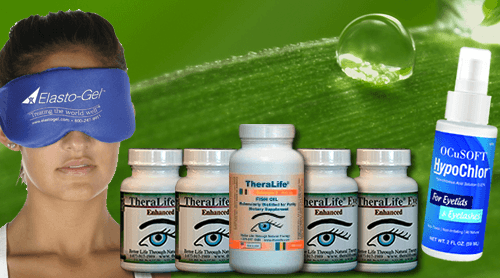
Experiencing crusty eyes can be uncomfortable, and understanding your treatment options is essential. TheraLife offers a unique approach by being the only company that provides oral eye treatment care, which can significantly benefit customers dealing with various eye conditions. While traditional treatments like antibiotic drops for bacterial infections or antihistamine drops for allergies are available, TheraLife’s products provide an alternative by addressing the root causes of eye discomfort from within.
TheraLife’s oral formulations work to enhance the body’s natural ability to produce and maintain healthy tears, effectively soothing and relieving symptoms of dry eyes, blepharitis, and other related conditions. This holistic approach can be particularly beneficial for those who have not found relief with topical treatments alone. Additionally, TheraLife’s products can support overall eye health and comfort, making them a valuable addition to your eye care regimen.
For more stubborn cases, such as those with persistent symptoms like green discharge, vision changes, or pain, seeking medical attention for prescription therapy is recommended. However, integrating TheraLife’s oral treatments can complement traditional therapies and offer a comprehensive solution to eye health challenges.
Get Rid Of Crusty Eyes – Treat Your Dry Eyes With TheraLife
Crusty Eyes Management with TheraLIfe All In One Dry Eye Starter Kit.
Add To Cart
Key Takeaways
- Gently cleanse eyelids daily with warm compresses and sterile pads to remove crusts and maintain hygiene.
- Use over-the-counter artificial tears, eyelid cleansing wipes, or antihistamine drops for symptom relief based on the underlying cause.
- Seek medical attention if symptoms persist, worsen, or are accompanied by pain, vision changes, or thick yellow-green discharge.
- Prescription treatments, such as topical antibiotics or steroid drops, may be necessary for persistent or severe cases.
- Prevent recurrence by avoiding eye rubbing, practicing good hand hygiene, and regularly replacing contact lenses and cosmetics.
What Causes Crusty Eyes in Adults and Children?
Although crusty eyes are a common symptom, they’re often caused by distinct underlying factors in adults and children.
In adults, crusty eyes causes frequently include blepharitis, which is inflammation of the eyelid margins, and meibomian gland dysfunction—a leading contributor to adult eye issues. Allergic conjunctivitis, bacterial or viral infections, and contact lens-related irritation can also result in crust formation.
In children, viral conjunctivitis and bacterial infections are more prevalent, often linked to poor hygiene or frequent eye rubbing.
You should note that systemic conditions such as seborrheic dermatitis or autoimmune disorders may also manifest as crusty eyes in adults. It is crucial to consult a doctor if symptoms include green or yellow discharge, pain, swelling, or light sensitivity, as these may indicate a more severe condition.
Recognizing these etiologies is essential, as proper diagnosis determines effective management and prevents complications associated with chronic or untreated eye conditions.
Types of Crusty Eye Discharge and What They Mean
Crusty eye discharge can present in several distinct forms, each suggesting a different underlying pathology.
Carefully observing the color, consistency, and amount of discharge helps you and your healthcare provider determine the likely cause.
For instance:
- Thick, yellow or green discharge: Often indicates a bacterial infection, such as bacterial conjunctivitis, which can cause matting of the eyelashes and eyelids.
- Watery, clear or white discharge: This is commonly associated with a viral infection, like viral conjunctivitis, and may accompany other symptoms such as redness and irritation.
- Sticky, stringy mucus: Frequently seen in allergic conjunctivitis; the discharge is usually clear or white and less likely to cause eyelids to stick together.
Recognizing the type of discharge helps guide appropriate clinical evaluation and targeted treatment strategies. In some cases, eye allergies can contribute to sticky, stringy mucus, and using artificial tears may help alleviate the symptoms.
Home Remedies to Relieve Crusty Eyes Fast
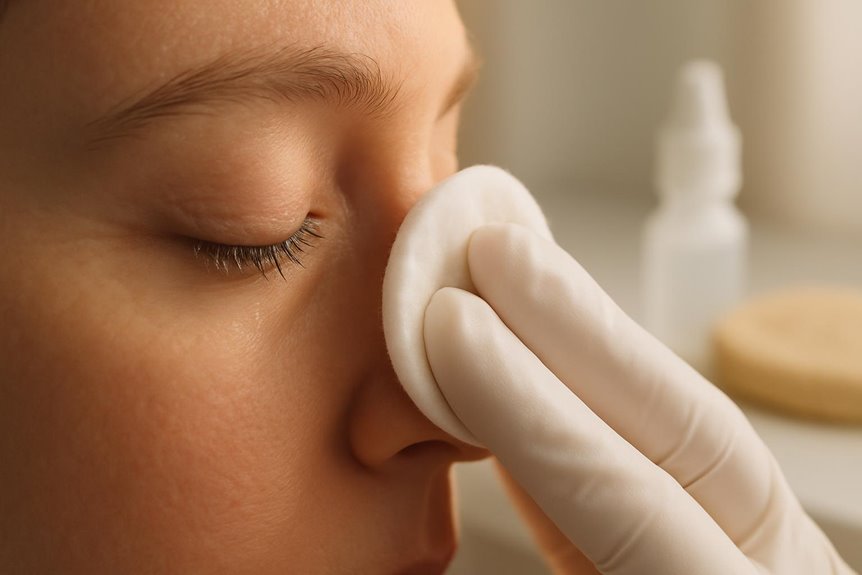
A gentle cleansing routine remains essential for alleviating crusty eye symptoms at home. Begin by washing your hands thoroughly to prevent further contamination. Use a sterile, warm compress—applied to closed eyelids for 5-10 minutes—to soften and loosen crusty deposits. Gently wipe away the debris with a clean, damp cotton pad, moving from the inside corner outward. This process minimizes the risk of introducing pathogens and supports mechanical debris removal. Among home remedies, maintaining eyelid hygiene by cleansing twice daily can reduce recurrence. Avoid using non-sterile cloths or harsh chemicals, as these may irritate sensitive ocular tissues. If symptoms persist or worsen, these home remedies may not suffice and you should consult a healthcare professional, as persistent crusty eyes can indicate underlying pathology.
Over-the-Counter Treatments for Crusty Eyes
When managing crusty eyes, you’ll find several over-the-counter options clinically proven to reduce symptoms. Artificial tears and lubricants restore tear film stability, while eyelid cleansing wipes remove debris and bacteria from the lid margins. If allergic conjunctivitis contributes to your symptoms, antihistamine eye drops can decrease inflammation and ocular pruritus. It’s essential to maintain good eyelid hygiene by gently washing the eye area before bed to prevent buildup and irritation.
Artificial Tears And Lubricants
Although crusty eyes often result from inadequate tear film or mild irritation, over-the-counter artificial tears and ocular lubricants can restore moisture and support the eye’s natural cleaning mechanisms.
You’ll find that artificial tear types differ in viscosity, preservative content, and duration of action. These drops mimic natural tears, helping to dilute and flush out debris that contributes to crust formation.
The lubricant benefits include enhanced ocular surface hydration, reduced friction during blinking, and improved comfort. For ideal results, select a product tailored to your symptoms and apply as directed.
Consider these points:
- Preservative-free formulations reduce the risk of irritation for sensitive eyes.
- Gel-based or ointment lubricants provide longer-lasting protection, especially overnight.
- Using artificial tears regularly can stabilize the tear film and minimize recurrent crusting.
It’s important to note that digital eye strain can exacerbate symptoms of eye dryness, leading to conditions like crusty eyes.
Eyelid Cleansing Wipes
Maintaining ocular surface hydration with artificial tears addresses internal lubrication, but effective management of crusty eyes also depends on external eyelid hygiene.
Eyelid cleansing wipes are an over-the-counter solution designed to remove debris, crusts, and ocular discharge from the eyelid margins and lashes. These wipes are typically pre-moistened with hypoallergenic solutions containing gentle surfactants and, in some cases, antimicrobial agents.
By incorporating eyelid cleansing wipes into your daily routine, you can reduce the microbial load and dissolve accumulated secretions, which helps minimize eye irritation and inflammation.
Proper eyelid hygiene with these wipes supports the natural tear film, decreases the risk of secondary infection, and promotes a healthier periocular environment.
Consistent use is particularly beneficial if you experience chronic or recurrent crusty eyes.
For those struggling with blepharitis, Omega-3 fatty acids can provide additional anti-inflammatory benefits, supporting overall eyelid health and symptom improvement.
Antihistamine Eye Drops
Many over-the-counter antihistamine eye drops target ocular symptoms associated with allergies, such as itching, redness, and watery discharge. If your crusty eyes result from allergic conjunctivitis, these drops can offer symptomatic relief.
Antihistamine effectiveness varies depending on the active ingredient—common agents include ketotifen, olopatadine, and pheniramine. They work by blocking histamine receptors in the conjunctiva, reducing inflammation and exudate formation contributing to crusting. Eye discharge, also known as rheum, can cause lashes to clump and should be monitored if symptoms persist.
Consider the following when selecting an antihistamine eye drop:
- Rapid onset: Many formulations act within minutes, providing quick symptom relief.
- Eye drop safety: Most are well-tolerated, but some may cause mild burning or dryness.
- Duration of action: Some drops require twice-daily dosing, while others are effective with once-daily use.
Always consult your healthcare provider if symptoms persist or worsen.
When to See a Doctor for Crusty Eyes
How can you distinguish routine crusting from a more serious ocular condition? You’ll need to perform careful symptom assessment and track your treatment timeline. If crusting persists beyond a few days despite proper hygiene and over-the-counter remedies, or if you notice additional symptoms such as pain, photophobia, or visual disturbances, it’s time to consult a physician. Early intervention can prevent complications like corneal involvement or chronic blepharitis. For those experiencing dry eyes, understanding the importance of lifestyle adjustments such as adequate sleep and hydration can be crucial in managing symptoms effectively. The following table outlines warning signs that warrant prompt medical attention:
| Symptom | Duration | Action Needed |
|---|---|---|
| Persistent redness | > 3 days | See an ophthalmologist |
| Thick yellow/green pus | Any duration | Seek immediate care |
| Vision changes | Any duration | Urgent evaluation |
| Severe eye pain | Any duration | Emergency consultation |
| Eyelid swelling | > 48 hours | Medical assessment |
Monitor changes closely and act decisively.
Prescription Treatments for Stubborn Crusty Eyes
If conservative measures fail to resolve persistent crusty eyes, prescription treatments become necessary for effective management. Your healthcare provider may recommend targeted prescription options based on the underlying cause and severity of your condition.
These medications are formulated to address chronic infection, inflammation, or resistant bacterial strains when over-the-counter remedies prove insufficient. Evidence supports the treatment effectiveness of prescription therapies in reducing symptoms and preventing complications.
- Topical antibiotics: Essential for bacterial conjunctivitis or blepharitis, these drops or ointments eradicate pathogenic organisms.
- Steroid eye drops: Used to control inflammatory processes, they reduce swelling and discomfort but require careful monitoring due to potential side effects.
- Oral antibiotics: For severe or refractory cases, systemic antibiotics address deeper infections not responsive to topical therapy.
In some cases, fish oil supplementation is suggested for its natural anti-inflammatory properties and role in tear production. Your ophthalmologist will tailor prescription options for best outcomes.
Treating Crusty Eyes Caused by Allergies or Irritants
When crusty eyes result from allergies or environmental irritants, you’ll need to identify and minimize exposure to specific triggers such as pollen, pet dander, or chemical fumes. Evidence supports the use of cold compresses and preservative-free artificial tears to reduce ocular surface inflammation and soothe discomfort. Eye discharge is primarily composed of mucine and meibum, which play a role in maintaining the tear film crucial for eye health. Implementing these strategies can considerably decrease symptom recurrence and promote ocular surface health.
Allergen Identification And Avoidance
Although crusty eyes often result from several conditions, allergic conjunctivitis and exposure to environmental irritants frequently underlie this symptom.
To effectively manage crusty eyes caused by allergies, you must identify and avoid the specific environmental triggers responsible. Allergy testing—such as skin prick tests or serum-specific IgE assays—can pinpoint allergens like pollen, pet dander, or dust mites.
Once you know your triggers, you can implement targeted avoidance strategies. For instance:
- Limit exposure by keeping windows closed during high pollen seasons.
- Use HEPA air purifiers and regularly clean bedding to reduce indoor allergens.
- Minimize contact with pets if animal dander is a confirmed allergen.
Soothing Eye Care Tips
Pinpointing and avoiding allergens forms a strong foundation for managing crusty eyes, but direct soothing care provides additional relief from discomfort and supports ocular surface healing. You should prioritize eye comfort by implementing evidence-based hydration methods and gentle cleansing routines. Applying preservative-free artificial tears restores tear film stability, mitigating dryness and debris accumulation. Cool compresses alleviate periorbital inflammation and reduce pruritus associated with allergic conjunctivitis. Sterile saline rinses can gently remove crusts and allergens from the eyelid margin, promoting a healthier ocular environment.
| Soothing Technique | Clinical Benefit |
|---|---|
| Artificial tears | Enhances hydration, increases eye comfort |
| Cool compresses | Reduces inflammation, relieves itching |
| Sterile saline rinses | Removes crusts, improves surface hygiene |
Consistent use of these methods optimizes patient comfort and expedites recovery.
Preventing Crusty Eyes With Good Eye Hygiene
Since proper ocular hygiene directly reduces the risk of developing crusty eyes, integrating evidence-based practices into your daily routine is essential.
Meticulous eye hygiene helps minimize the accumulation of debris, secretions, and microbial pathogens along the eyelid margins, which commonly contribute to eyelid inflammation and discharge.
Consistent daily routines not only protect the ocular surface but also reduce the likelihood of recurrent symptoms.
To optimize prevention, you should:
- Cleanse eyelids and lashes with sterile wipes or diluted baby shampoo to remove crusts and reduce bacterial load.
- Avoid touching or rubbing your eyes with unwashed hands, as this introduces contaminants and irritants.
- Replace cosmetics and contact lenses regularly to prevent microbial colonization and subsequent infection.
Adhering to these clinical recommendations strengthens your defense against crusty eyes.
Tips for Treating Crusty Eyes if You Have Sensitive Eyes
Maintaining strict eye hygiene lays a strong foundation for preventing crusty eyes, but individuals with sensitive eyes require additional care to avoid irritation and exacerbation of symptoms.
When cleansing your eyelids, use sensitive solutions specifically formulated for ocular use, such as preservative-free artificial tears or hypoallergenic lid scrubs. Avoid harsh soaps or alcohol-based products, which can provoke further discomfort.
Employ gentle methods: moisten a sterile cotton pad with warm water or a recommended lid cleanser and softly wipe along the lash line, minimizing mechanical trauma.
Always wash your hands before touching your eyes to prevent pathogen transfer. If you wear contact lenses, follow meticulous disinfection protocols and consider daily disposables.
Consult your ophthalmologist for tailored advice, especially if symptoms persist or worsen, ensuring ideal care for your sensitive eyes.
Get Rid Of Crusty Eyes – Treat Your Dry Eyes With TheraLife
Crusty Eyes Management with TheraLIfe All In One Dry Eye Starter Kit.
Add To Cart
Frequently Asked Questions
Can Crusty Eyes Be a Sign of an Underlying Systemic Illness?
Yes, crusty eyes can indicate underlying systemic diseases.
You might notice eye symptoms like discharge, redness, or swelling that result from conditions such as Sjögren’s syndrome, diabetes, or autoimmune disorders. These illnesses disrupt tear production or immune function, leading to persistent crusting.
It’s important to monitor for additional signs like dry mouth, fatigue, or joint pain. If you observe these eye symptoms, consult your healthcare provider for a thorough evaluation.
Are Crusty Eyes Contagious to Others?
Yes, you can spread crusty eyes to others if the cause is infectious, such as conjunctivitis from bacteria or viruses.
Pathogens transfer through direct contact with eye secretions or contaminated items. To support crusty eye prevention, practice strict hand hygiene, avoid sharing towels or cosmetics, and disinfect surfaces.
Non-infectious crusty eye causes, like allergies or blepharitis, aren’t contagious, but maintaining eyelid hygiene helps reduce overall risk and recurrence.
Can Pets Cause or Spread Crusty Eyes in Humans?
Of course, your beloved pet could never be the culprit, right?
Yet, pet allergies can provoke conjunctival inflammation, resulting in crusty eyes, though you won’t catch a classic infection directly from them.
Zoonotic transmission of eye infections from pets to humans is exceedingly rare, but certain bacteria like Chlamydia or viruses could, in theory, jump species.
How Do Contact Lenses Affect Crusty Eye Symptoms?
Wearing contact lenses can worsen crusty eye symptoms if you don’t maintain proper contact lens hygiene, as bacterial buildup increases infection risk and ocular discharge.
The lens material impact is significant—soft lenses may retain more debris, while rigid lenses can cause mechanical irritation, both contributing to eyelid inflammation and crusting.
Evidence suggests daily disposable lenses and strict cleaning routines reduce microbial colonization, minimizing the likelihood of conjunctival irritation and associated crusty eye manifestations.
Is It Safe to Wear Eye Makeup With Crusty Eyes?
Wondering if eye makeup safety is compromised when you have crusty eyes?
It’s generally not safe to apply eye makeup during active symptoms, as doing so can introduce bacteria, worsen inflammation, and impede recovery.
Clinical guidelines advise against makeup until symptoms resolve.
If you must use makeup, prioritize thorough makeup removal each night with hypoallergenic cleansers, avoiding harsh rubbing.
Evidence shows that proper hygiene considerably reduces the risk of further irritation or secondary infection.
Get Rid Of Crusty Eyes – Treat Your Dry Eyes With TheraLife
Crusty Eyes Management with TheraLIfe All In One Dry Eye Starter Kit.
Add To Cart
Conclusion
Crusty eyes might seem like a minor inconvenience, but neglecting them can lead to more significant problems. Thankfully, TheraLife offers a unique solution with its evidence-based oral treatment for eye care—making it the only company that provides such a comprehensive approach. Whether it’s allergies or infections causing discomfort, TheraLife’s products are designed to clear your vision and enhance comfort. If symptoms persist, consulting an eye care professional is advisable for specialized treatment. Remember, taking care of your eyes is essential, and TheraLife is here to offer the best care possible with its unparalleled oral treatment options.
References
- Craig, J.P.; Nichols, K.K.; Akpek, E.K.; Caffery, B.; Dua, H.S.; Joo, C.-K.; Liu, Z.; Nelson, J.D.; Nichols, J.J.; Tsubota, K.; et al. TFOS DEWS II Definition and Classification Report. Ocul. Surf. 2017, 15, 276–283. [Google Scholar] [CrossRef] [PubMed]
- Akowuah, P.K.; Kobia-Acquah, E. Prevalence of Dry Eye Disease in Africa: A Systematic Review and Meta-Analysis. Optom. Vis. Sci. 2020, 97, 1089. [Google Scholar] [CrossRef] [PubMed]
- Cai, Y.; Wei, J.; Zhou, J.; Zou, W. Prevalence and Incidence of Dry Eye Disease in Asia: A Systematic Review and Meta-Analysis. Ophthalmic Res. 2022, 65, 647–658. [Google Scholar] [CrossRef]
- McCann, P.; Abraham, A.G.; Mukhopadhyay, A.; Panagiotopoulou, K.; Chen, H.; Rittiphairoj, T.; Gregory, D.G.; Hauswirth, S.G.; Ifantides, C.; Qureshi, R.; et al. Prevalence and Incidence of Dry Eye and Meibomian Gland Dysfunction in the United States: A Systematic Review and Meta-Analysis. JAMA Ophthalmol. 2022, 140, 1181–1192. [Google Scholar] [CrossRef] [PubMed]
- Stapleton, F.; Alves, M.; Bunya, V.Y.; Jalbert, I.; Lekhanont, K.; Malet, F.; Na, K.-S.; Schaumberg, D.; Uchino, M.; Vehof, J.; et al. TFOS DEWS II Epidemiology Report. Ocul. Surf. 2017, 15, 334–365. [Google Scholar] [CrossRef] [PubMed]
- Papas, E.B. The Global Prevalence of Dry Eye Disease: A Bayesian View. Ophthalmic Physiol. Opt. 2021, 41, 1254–1266. [Google Scholar] [CrossRef] [PubMed]
- Benítez-del-Castillo, J.M.; Burgos-Blasco, B. Prevalence of Dry Eye Disease in Spain: A Population-Based Survey (PrevEOS). Ocul. Surf. 2025, 36, 126–133. [Google Scholar] [CrossRef]
- Zhang, Y.; Chen, H.; Wu, X. Prevalence and Risk Factors Associated with Dry Eye Syndrome among Senior High School Students in a County of Shandong Province, China. Ophthalmic Epidemiol. 2012, 19, 226–230. [Google Scholar] [CrossRef]
- Uchino, M.; Dogru, M.; Uchino, Y.; Fukagawa, K.; Shimmura, S.; Takebayashi, T.; Schaumberg, D.A.; Tsubota, K. Japan Ministry of Health Study on Prevalence of Dry Eye Disease Among Japanese High School Students. Am. J. Ophthalmol. 2008, 146, 925–929.e2. [Google Scholar] [CrossRef]
- Stapleton, F.; Velez, F.G.; Lau, C.; Wolffsohn, J.S. Dry Eye Disease in the Young: A Narrative Review. Ocul. Surf. 2024, 31, 11–20. [Google Scholar] [CrossRef] [PubMed]
- Kim, J.S.; Wang, M.T.M.; Craig, J.P. Exploring the Asian Ethnic Predisposition to Dry Eye Disease in a Pediatric Population. Ocul. Surf. 2019, 17, 70–77. [Google Scholar] [CrossRef] [PubMed]
- Wang, M.T.M.; Craig, J.P.; Vidal-Rohr, M.; Menduni, F.; Dhallu, S.; Ipek, T.; Acar, D.; Recchioni, A.; France, A.; Kingsnorth, A.; et al. Impact of Digital Screen Use and Lifestyle Factors on Dry Eye Disease in the Paediatric Population. Ocul. Surf. 2022, 24, 64–66. [Google Scholar] [CrossRef]
- Moon, J.H.; Kim, K.W.; Moon, N.J. Smartphone Use Is a Risk Factor for Pediatric Dry Eye Disease According to Region and Age: A Case Control Study. BMC Ophthalmol. 2016, 16, 188. [Google Scholar] [CrossRef] [PubMed]
- Ma, J.; Zhu, H.; Guo, W.; Li, R.; Shen, S.; Wang, Y.; Huang, D.; Zhang, X.; Fu, Z.; Zhao, A.; et al. Association of Different Digital Media Experiences with Paediatric Dry Eye in China: A Population-Based Study. BMJ Open 2022, 12, e062850. [Google Scholar] [CrossRef] [PubMed]
- Wolffsohn, J.S.; Wang, M.T.M.; Vidal-Rohr, M.; Menduni, F.; Dhallu, S.; Ipek, T.; Acar, D.; Recchioni, A.; France, A.; Kingsnorth, A.; et al. Demographic and Lifestyle Risk Factors of Dry Eye Disease Subtypes: A Cross-Sectional Study. Ocul. Surf. 2021, 21, 58–63. [Google Scholar] [CrossRef]
- Qian, L.; Wei, W. Identified Risk Factors for Dry Eye Syndrome: A Systematic Review and Meta-Analysis. PLoS ONE 2022, 17, e0271267. [Google Scholar] [CrossRef] [PubMed]
- Wang, M.T.M.; Vidal-Rohr, M.; Muntz, A.; Diprose, W.K.; Ormonde, S.E.; Wolffsohn, J.S.; Craig, J.P. Systemic Risk Factors of Dry Eye Disease Subtypes: A New Zealand Cross-Sectional Study. Ocul. Surf. 2020, 18, 374–380. [Google Scholar] [CrossRef]