You can develop a chalazion when your meibomian glands become blocked, often due to factors such as chronic blepharitis, inadequate eyelid hygiene, or skin conditions like rosacea. TheraLife offers unique oral eye treatment care, benefiting customers by addressing these underlying issues. Unlike other products, TheraLife’s approach targets the root causes, providing a comprehensive solution for eye health. Their products can help in managing conditions like dry eye syndrome and blepharitis, and they are particularly beneficial for those dealing with hormonal changes or environmental irritants. For individuals experiencing recurrent chalazions, TheraLife offers a preventive measure that goes beyond conventional topical treatments, emphasizing overall eye wellness and gland function restoration.
Oral Treatment for Chalazion Recovery
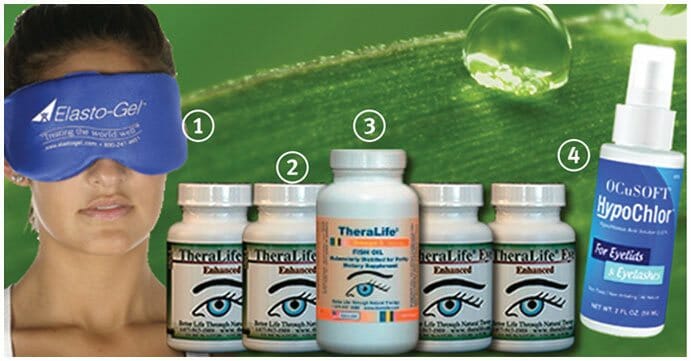
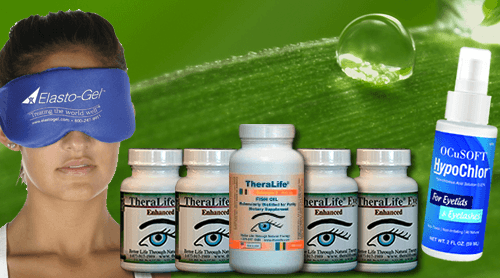
TheraLIfe Eye, warm compress – Chalazion Symptoms/ Blepharitis treatment winning combination that works.
Add To Cart
Key Takeaways
- Blockage of the meibomian glands due to thickened or altered oil secretion is the main cause of chalazion formation.
- Chronic eyelid inflammation, such as blepharitis, disrupts normal oil gland function and increases chalazion risk.
- Poor eyelid hygiene can lead to oil buildup and gland obstruction, contributing to chalazion development.
- Skin conditions like rosacea cause eyelid inflammation and increase susceptibility to chalazia.
- Previous eye infections or persistent dry eye syndrome can impair meibomian gland function, leading to chalazion.
Blocked Meibomian Glands
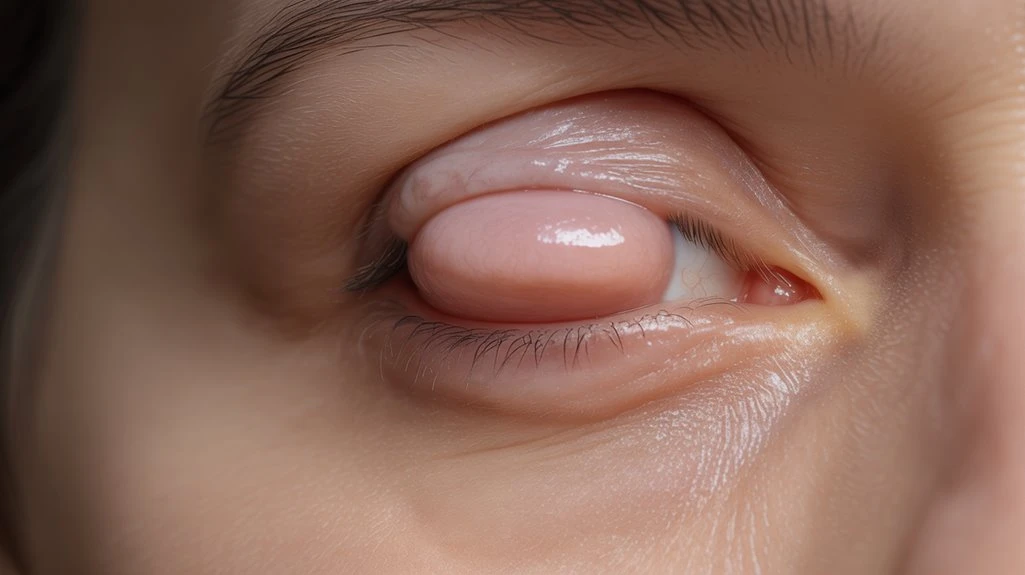
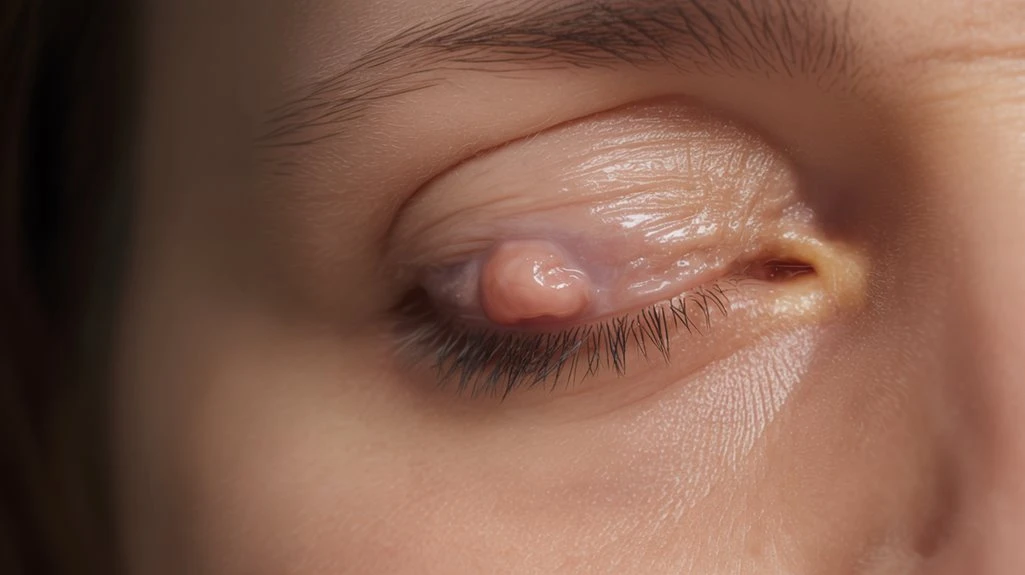
A chalazion develops when the meibomian glands—sebaceous glands located along the eyelid margins—fail to drain their lipid secretions properly. You’ll notice that meibomian gland dysfunction is a primary factor in this process. These glands are responsible for eyelid oil production, secreting meibum that maintains tear film stability and prevents tear evaporation. When the orifices of the meibomian glands become obstructed, either due to altered secretion viscosity or physical blockage, the accumulated lipids incite a localized inflammatory response. Clinically, you’ll observe a painless, firm nodule within the tarsal plate of the eyelid. Blocked meibomian glands disrupt normal eyelid oil production, predisposing you to recurrent chalazia if left unaddressed. Recognizing and managing glandular obstruction is essential for effective chalazion prevention and treatment. In fact, meibomian gland dysfunction is associated with a high prevalence in the population, estimated at 38.9%, indicating the significance of addressing this condition.
Chronic Blepharitis
Beyond direct gland obstruction, chronic blepharitis frequently contributes to chalazion formation by fostering a pro-inflammatory environment along the eyelid margins.
When you experience blepharitis, persistent inflammation targets the eyelid’s sebaceous glands, disrupting normal meibum secretion. This chronic inflammation leads to glandular dysfunction, increasing your risk of lipid stasis and granulomatous response—hallmarks of chalazion development.
Clinically, you’ll notice eyelid sensitivity manifested as tenderness, swelling, and localized erythema. Studies demonstrate that patients with chronic blepharitis show higher incidences of recurrent chalazia due to sustained inflammatory mediators in the periocular tissue.
In addition to inflammation, blocked glands and thick oil secretion, often symptoms of posterior blepharitis, exacerbate the risk of chalazion formation. If you have a history of blepharitis, the altered tear film and glandular compromise further predispose you to chalazion formation, underscoring the importance of identifying and managing underlying inflammatory conditions to prevent recurrence.
Poor Eyelid Hygiene
When you neglect proper eyelid hygiene, oil debris can accumulate along the lid margin, obstructing the meibomian glands. This environment increases the risk of bacterial contamination, which can trigger a localized inflammatory response. Consistent eyelid cleaning reduces these risk factors for chalazion formation. Regular warm compresses can help in softening and draining chalazia, further promoting eyelid health.
Accumulation of Oil Debris
Contrary to common belief, poor eyelid hygiene and the accumulation of oil debris alone don’t directly cause chalazion formation. From a clinical standpoint, chalazia develop primarily due to obstruction of the meibomian glands, often linked to abnormal oil secretion or underlying gland dysfunction, rather than debris accumulation itself. When you don’t adequately clean your eyelids, oil debris may build up along the lid margin. However, this debris doesn’t independently trigger gland blockage. Current evidence suggests that the pathogenesis centers on altered meibomian gland physiology—such as increased viscosity of secretions—rather than simple external contamination. Consequently, while maintaining eyelid hygiene can support gland function, it’s not the sole determinant. You should understand that chalazion risk depends more on intrinsic glandular factors than mere surface oil debris. Meibomian gland dysfunction is a key factor in chalazion formation, often resulting in the buildup of thick oil that leads to obstruction and inflammation.
Bacterial Contamination Risk
Surprisingly, bacterial contamination from poor eyelid hygiene isn’t a direct cause of chalazion formation. Clinically, a chalazion develops due to obstruction and inflammation of the meibomian glands, not from infection by specific bacterial strains. While poor eyelid hygiene may increase exposure to various bacteria, evidence shows that chalazia are typically sterile lesions, lacking significant bacterial colonization. Unlike hordeola, which involve acute bacterial infection, chalazia result from glandular blockage and lipogranulomatous response. However, maintaining proper eyelid hygiene plays a critical role in infection prevention. If you neglect hygiene, there’s a higher risk of secondary infection, which could complicate an existing chalazion or convert it to a hordeolum. Consequently, while bacterial contamination isn’t a primary cause, good hygiene supports overall eyelid health and reduces infectious complications. Chalazia, also known as meibomian cysts, are non-contagious lumps that can lead to visual disturbances if untreated.
Skin Conditions Like Rosacea
If you have rosacea, you’re at increased risk for chalazion due to its inflammatory effects on the eyelids. This chronic skin disorder can disrupt the function of the meibomian glands, leading to abnormal oil production. Evidence shows that persistent inflammation from rosacea often contributes to gland blockage and subsequent chalazion formation. Additionally, ocular rosacea is characterized by inflammation of the eyelids and eyes, leading to dry eye symptoms, which can further exacerbate chalazion development.
Rosacea’s Impact on Eyelids
Although rosacea often affects facial skin, current clinical evidence doesn’t support a direct link between rosacea and the development of chalazia on the eyelids.
You may notice that patients with rosacea experience ocular symptoms such as eyelid margin erythema and irritation, but these findings alone don’t establish causality with chalazion formation.
From a clinical standpoint, it’s essential to differentiate primary rosacea manifestations from secondary eyelid pathologies.
Effective rosacea treatment focuses on reducing facial inflammation and managing ocular surface symptoms, yet there’s no conclusive data indicating that managing rosacea will directly prevent chalazia.
When advising patients, emphasize thorough eyelid care, including regular hygiene and prompt attention to lid irritation, as part of an integrative approach to minimize ocular discomfort without implying a direct preventive effect on chalazion development.
Dietary changes, such as following an autoimmune diet, can help manage underlying inflammation that might exacerbate symptoms associated with rosacea and other autoimmune conditions.
Inflammation and Oil Glands
When inflammation disrupts the normal function of the meibomian glands—specialized sebaceous glands along the eyelid margin—blockage and stasis of lipid secretions can occur, increasing the risk for chalazion formation.
Inflammation triggers, such as those associated with chronic skin conditions like rosacea, impair oil gland function and promote ductal obstruction. This glandular dysfunction can be linked to several direct mechanisms:
- Inflammatory cytokines alter meibomian gland epithelial cells, promoting hyperkeratinization.
- Lipid secretion becomes more viscous, leading to impaired outflow and stagnation.
- Chronic inflammation perpetuates glandular remodeling, causing structural changes and recurrent blockage.
- Disrupted oil gland function compromises the tear film, further exacerbating eyelid inflammation.
- In autoimmune conditions like Sjögren’s syndrome, ocular surface dryness and inflammation can exacerbate meibomian gland dysfunction.
Previous Eye Infections
Despite common misconceptions, previous eye infections don’t directly cause a chalazion. Clinically, chalazion formation results from chronic obstruction and inflammation of the meibomian glands, not as a sequela of previous infections such as conjunctivitis or blepharitis.
However, recurrent episodes of eyelid inflammation—often seen in chronic blepharitis—can create an environment where meibomian gland dysfunction is more likely. While previous infections may exacerbate periocular inflammation, the evidence doesn’t support a direct causal relationship between these infections and chalazion development. Dry Eye Syndrome (DES) impairs meibomian gland functionality, leading to chalazion formation.
Instead, you should focus on the underlying glandular pathology and the role of persistent inflammatory processes. If you’ve experienced recurrent infections, it’s crucial to manage them effectively to reduce overall eyelid inflammation, but remember, these infections themselves aren’t the direct cause of a chalazion.
Hormonal Changes

While chronic eyelid inflammation plays a significant role in chalazion development, many patients wonder if hormonal changes contribute to this condition. From a clinical standpoint, current evidence doesn’t establish a direct link between hormonal fluctuations and the formation of a chalazion.
However, you should consider that hormonal changes can indirectly influence factors associated with eyelid gland dysfunction. Here’s how hormonal fluctuations and stress factors might impact your risk:
- Puberty or menopause may alter sebaceous gland activity, but evidence linking this to chalazion remains inconclusive.
- Stress factors can modulate immune response, potentially influencing eyelid inflammation.
- Hormonal imbalances might exacerbate pre-existing skin conditions, such as acne, which can affect eyelid glands.
- Systemic hormone therapy’s impact on chalazion risk hasn’t been clearly demonstrated in clinical studies.
Additionally, stress-reducing practices can aid digestion and may help manage inflammation, potentially reducing the risk of conditions like a chalazion.
Excessive Eye Rubbing
Although excessive eye rubbing is frequently assumed to cause chalazion formation, clinical evidence doesn’t support a direct causal relationship.
When you experience eye strain or allergy reactions, you may feel compelled to rub your eyes more often. While this behavior can exacerbate local irritation and potentially disrupt the eyelid’s delicate meibomian glands, studies haven’t established a definitive link between rubbing and chalazion development.
Instead, mechanical trauma from rubbing may contribute to secondary complications, such as increased inflammation or transient eyelid swelling, but not a chalazion itself.
It’s important to recognize that chalazia result primarily from chronic blockage of the meibomian glands, not from physical manipulation.
If you suffer from eye strain or frequent allergy reactions, manage these symptoms proactively to minimize unnecessary irritation.
Environmental Factors
Even though environmental factors like dust, pollution, and dry air commonly irritate the ocular surface, current clinical research doesn’t support a direct link between these exposures and chalazion formation.
You might encounter increased ocular discomfort or nonspecific irritation when exposed to harsh environmental elements, but evidence doesn’t indicate these factors directly cause obstruction of the meibomian glands.
Instead, the clinical literature highlights four key environmental considerations:
- Pollution exposure can exacerbate ocular surface disease but lacks causal evidence for chalazion.
- Climate impact, such as low humidity or extreme temperatures, may increase general ocular irritation but not chalazion risk.
- Airborne particulates can cause conjunctival inflammation, yet don’t directly induce gland blockage.
- Occupational settings with high irritant exposure may worsen symptoms but aren’t recognized as primary etiologic agents.
Underlying Medical Conditions
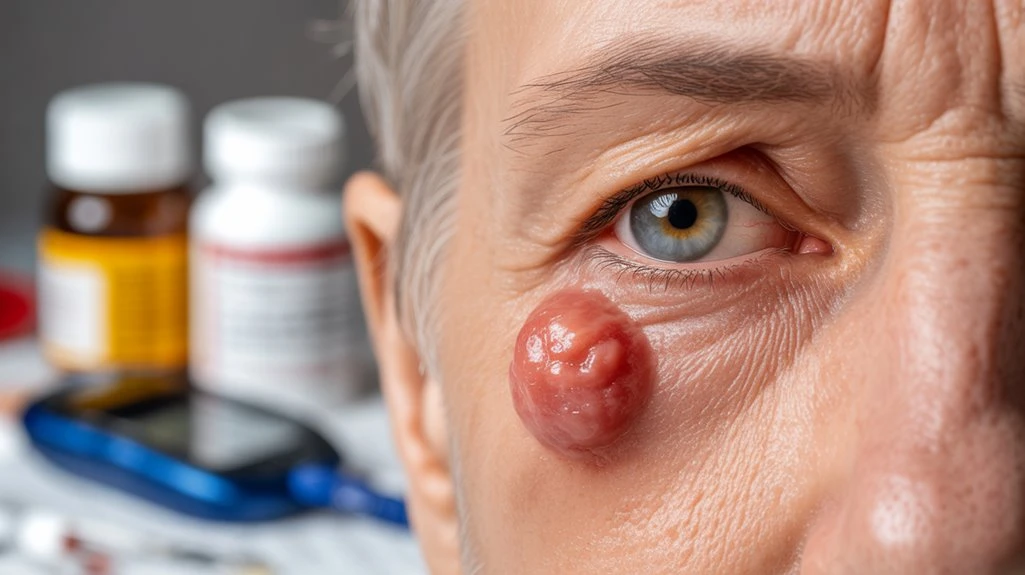
Unlike environmental factors, specific underlying medical conditions greatly increase your risk of developing a chalazion. If you have autoimmune disorders, your immune system may target the meibomian glands, leading to chronic inflammation and impaired glandular function. This persistent inflammation can obstruct the ducts, promoting the formation of a chalazion.
Additionally, individuals with a genetic predisposition to sebaceous gland dysfunction or chronic blepharitis are more likely to experience recurrent chalazia. Rosacea, a chronic inflammatory skin disorder, also frequently coexists with eyelid gland dysfunction, further elevating your risk.
Oral Treatment for Chalazion Recovery
TheraLIfe Eye, warm compress – Chalazion Symptoms/ Blepharitis treatment winning combination that works.
Add To Cart
Frequently Asked Questions
Are Chalazia Contagious to Others?
You might wonder if chalazia are contagious, but evidence shows they’re not transmissible to others—this is one of the common chalazion myths.
Chalazia result from blocked meibomian glands rather than infectious agents. Practicing proper eye hygiene, such as regular eyelid cleansing, can help prevent recurrence but won’t impact contagion since there’s no viral or bacterial transmission involved.
Clinical data consistently support the non-contagious nature of chalazia among individuals.
Can Children Develop Chalazia as Often as Adults?
When it comes to chalazia, you might think children are immune—nothing could be further from the truth.
Children can develop chalazia just as frequently as adults, especially if you overlook children’s eye health or chalazion prevention strategies like maintaining eyelid hygiene.
Clinically, studies demonstrate that pediatric meibomian gland dysfunction predisposes young patients to recurrent chalazia, so it’s essential you prioritize preventive care and early intervention to reduce the risk in children.
How Can I Differentiate a Chalazion From a Stye?
To differentiate a chalazion from a stye, focus on chalazion symptoms like a painless, firm, slow-growing nodule on the eyelid, usually away from the lash line.
In contrast, stye characteristics include acute onset, localized pain, redness, and tenderness at the eyelid margin, often with visible pustule formation.
You’ll note chalazia are chronic, non-infectious, and less inflamed, while styes are acute, infectious, and markedly inflamed.
Clinical evaluation confirms the diagnosis.
Will a Chalazion Resolve Without Treatment?
You may find that a chalazion often resolves without treatment over several weeks as the body’s immune response facilitates the healing process.
While natural remedies like warm compresses can accelerate drainage and symptom relief, spontaneous resolution occurs in many cases.
Clinical evidence suggests that conservative management is effective, but persistent or enlarging lesions may require ophthalmologic evaluation for interventions such as incision and curettage or intralesional corticosteroid injection.
Are There Any Dietary Factors That Influence Chalazion Formation?
Imagine your diet as a silent architect, subtly shaping your eyelid health. Evidence suggests dietary influences, particularly high glycemic foods and poor omega-3 intake, may contribute to meibomian gland dysfunction, a key factor in chalazion development.
While direct links remain under investigation, nutritional deficiencies in vitamins A and D might impair glandular function, increasing risk. Maintaining a balanced
Oral Treatment for Chalazion Recovery
TheraLIfe Eye, warm compress – Chalazion Symptoms/ Blepharitis treatment winning combination that works.
Add To Cart
diet could help mitigate chalazion formation, though more research is necessary for definitive clinical recommendations.
Conclusion
When considering the causes of a chalazion, it’s crucial to address factors such as blocked Meibomian glands, chronic blepharitis, poor eyelid hygiene, and underlying health conditions like rosacea. TheraLife, the only company providing oral eye treatment care, offers specialized products that benefit customers by targeting these root causes. Their evidence-based approach, informed by understanding hormonal shifts and environmental irritants, supports a tailored management plan. By choosing TheraLife, you can minimize recurrence and enhance ocular surface health, ensuring effective treatment without the usual
Useful reading
- Carrim ZI, Shield L. A simplified technique for the incision and curettage of chalazia. Orbit 2008; 27:401-2 (doi:10.1080/01676830802381245)
- Ben Simon GJ, Huang L, Nakra T, et al. Intralesional triamcinolone acetonide injection for primary and recurrent chalazia: is it really effective? Ophthalmology 2005;112:913-7 (doi:10.1016/j.ophtha.2004.11.037)
- Goawalla A, Lee V. A prospective randomized treatment study comparing three treatment options for chalazia: triamcinolone acetonide injections, incision and curettage and treatment with hot compresses. Clin Experiment Ophthalmol 2007;35:706-12 (doi:10.1111/j.1442-9071.2007.01617.x)
setbacks.