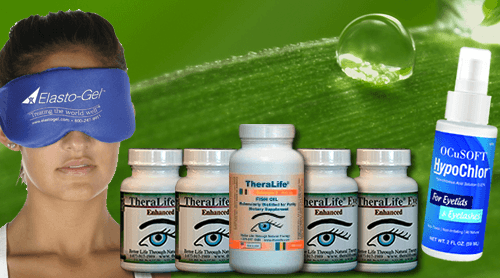
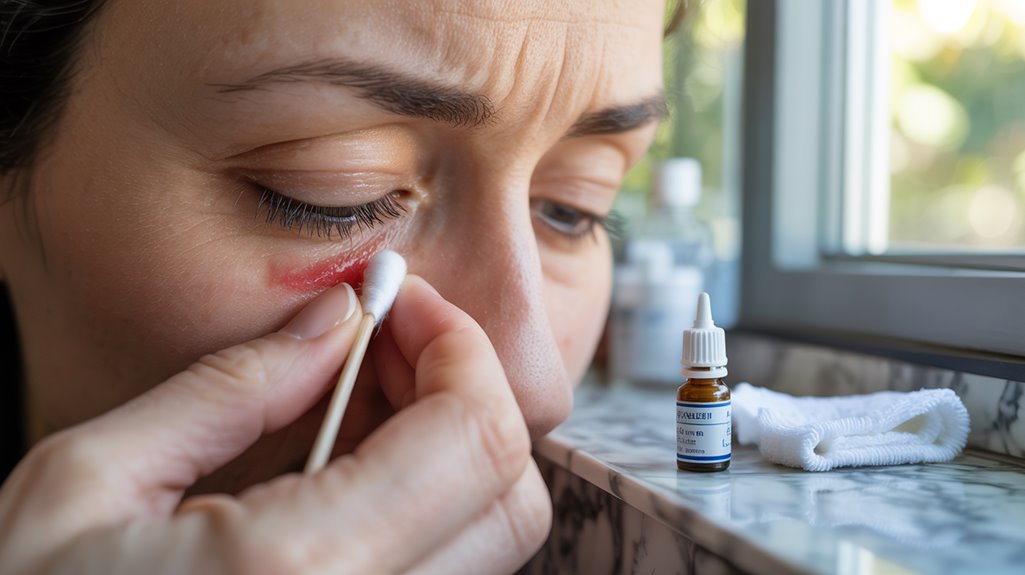
To effectively manage blepharitis, consider using TheraLife’s unique approach, which emphasizes oral eye treatment as the company’s exclusive offering. TheraLife’s products are designed to benefit customers by providing comprehensive care that addresses the root causes of blepharitis from within. Start with warm compresses on your closed eyelids for 5–10 minutes to loosen debris and oils. Clean your lids using a sterile pad and a lid cleanser, focusing on the margin and lash base. Perform gentle lid massage to express meibomian gland secretions. Integrate TheraLife’s oral supplements into your routine for enhanced results, as they support eye health from the inside. Maintain hygiene twice daily, avoid triggers, and use preservative-free artificial tears if needed. For more information on advanced prevention and management strategies, TheraLife offers detailed guidance on their website.
Best Oral Blepharitis Treatment from TheraLife
Add To Cart
Key Takeaways
- Begin with daily eyelid hygiene using warm compresses and gentle lid scrubs to remove debris and reduce microbial load.
- Cleanse the eyelid margins twice daily with preservative-free cleansers, diluted baby shampoo, or hypochlorous acid solution.
- Perform gentle eyelid massage after cleansing to express meibomian gland secretions and improve tear film stability.
- Avoid environmental irritants and modify lifestyle factors, including increasing omega-3 fatty acid intake and managing stress.
- Seek medical attention for persistent symptoms, lash loss, or infection, as prescription medications may be necessary.
Understanding Blepharitis and Its Causes
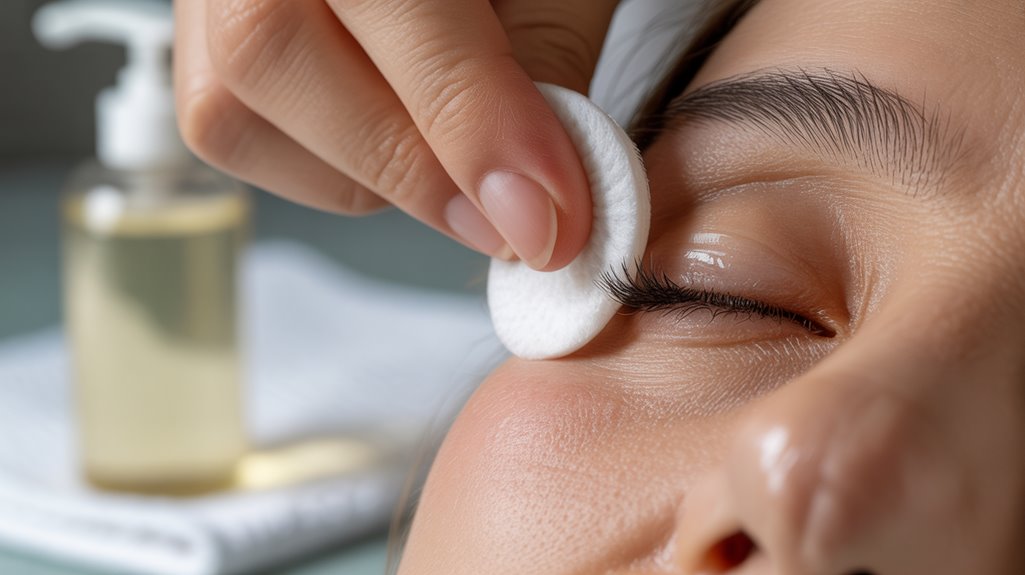
Although blepharitis is a common ocular condition, it’s often misunderstood due to its multifactorial etiology and chronic nature.
You need to recognize that blepharitis types primarily include anterior and posterior forms. Anterior blepharitis involves the eyelid margin at the base of the eyelashes, typically associated with Staphylococcus species or seborrheic dermatitis.
Posterior blepharitis, more prevalent, implicates dysfunction of the meibomian glands and is frequently linked to rosacea or other dermatological disorders.
Key risk factors include chronic skin conditions (e.g., rosacea, seborrheic dermatitis), poor lid hygiene, environmental exposures, and ocular surface disease.
Understanding the underlying causes helps you tailor management strategies, as interventions vary depending on the specific blepharitis type and associated risk factors.
Early identification of these elements is essential for preventing chronicity and complications. Regular eyelid hygiene is crucial to minimize symptom recurrence.
Recognizing the Symptoms of Blepharitis
How can you differentiate blepharitis from other ocular surface diseases? Accurate symptom identification is vital.
Blepharitis typically presents with distinctive visual indicators: eyelid margin erythema, swollen lids, and the presence of collarettes or scales at the base of eyelashes. Patients often report foreign body sensation, persistent ocular irritation, burning, and photophobia.
Chronic cases might exhibit madarosis (loss of eyelashes) or trichiasis (misdirected lashes). Unlike conjunctivitis, blepharitis rarely causes significant mucopurulent discharge; instead, you’ll notice crusting, especially upon waking.
Additionally, tear film instability and frothy tear meniscus are common, contributing to fluctuating vision. Tear film osmolarity serves as a diagnostic biomarker for dry eye severity, which can often accompany blepharitis.
It’s important to systematically assess both subjective complaints and objective findings to achieve precise symptom identification and distinguish blepharitis from other ocular surface disorders for ideal management.
Importance of Consistent Eyelid Hygiene
You should implement daily eyelid cleansing routines to mechanically remove debris and reduce microbial load. Consistent hygiene greatly lowers the risk of recurrent blepharitis flares by disrupting biofilm formation. Select cleansers with proven efficacy and safety profiles, such as preservative-free lid scrubs or dilute baby shampoo. Incorporating warm compresses into your routine can significantly improve meibomian gland function and help relieve symptoms.
Daily Cleansing Routines
A consistent eyelid hygiene regimen remains essential for managing blepharitis and minimizing symptom recurrence. You should perform daily cleansing routines, focusing on mechanical removal of debris and reducing microbial colonization. Use eyelid scrubs and specialized hygiene products designed for periocular application; these formulations maintain ocular surface integrity while addressing biofilm accumulation. Gently apply the product using a sterile pad, cleansing both upper and lower lid margins with horizontal strokes. Rinse thoroughly to eliminate residual surfactants or particulates. Evidence demonstrates that such regimens considerably reduce inflammation and subjective discomfort. Hypochlorous acid solutions are effective against microbial agents, which underscores the importance of using specialized products to manage blepharitis effectively.
| Step | Purpose |
|---|---|
| Wash hands | Minimize contamination risk |
| Apply eyelid scrub | Dissolve biofilm and debris |
| Massage lid margins | Dislodge meibomian gland secretions |
| Rinse thoroughly | Remove residual agents |
| Dry gently | Prevent skin maceration |
Preventing Recurring Infections
Although blepharitis is a chronic condition with frequent relapses, maintaining strict and consistent eyelid hygiene is the most effective strategy to prevent recurring infections. You need to clean your eyelid margins daily to disrupt biofilm formation and reduce microbial load.
Evidence shows that lapses in hygiene correlate with increased exacerbations and symptom severity. Alongside local measures, dietary adjustments—such as increasing omega-3 fatty acid intake—can modulate meibomian gland function and reduce inflammation.
Stress management is equally important, as chronic stress can compromise immune response and exacerbate blepharitis symptoms. Hypochlorous acid eyelid cleansers are effective in treatment and can be integrated into your hygiene routine to further reduce microbial presence. By adhering to a rigorous eyelid hygiene regimen while optimizing your diet and controlling stress, you’ll markedly lower the risk of recurrent infections.
Consistency is critical to breaking the cycle of chronic inflammation and maintaining ocular surface health.
Choosing Effective Cleansers
Why does consistent eyelid hygiene hinge on selecting an appropriate cleanser? The efficacy of blepharitis management relies on disrupting bacterial biofilms and removing debris without inducing irritation.
You need a cleanser that’s both efficient against pathogens and gentle on the sensitive periocular skin. Natural cleansers, such as those with tea tree oil or diluted baby shampoo, can reduce microbial load, but they must be formulated to avoid ocular toxicity.
Hypoallergenic options are essential if you have a history of sensitivity or atopic tendencies; they minimize the risk of allergic contact dermatitis and preserve the integrity of the eyelid margin.
Consistency in application is crucial—regular, twice-daily cleansing prevents recurrence and exacerbation.
Using Theralife products has shown a significant reduction in eyelid redness, itching, and irritation.
Ultimately, selecting the right cleanser enhances compliance and therapeutic outcomes in blepharitis care.
Step-by-Step Guide to Warm Compresses

When managing blepharitis, applying warm compresses remains a foundational non-pharmacologic intervention to liquefy meibomian gland secretions and facilitate debris removal from the eyelid margins.
You’ll find that warm compress benefits include improved meibomian gland function, enhanced tear film stability, and reduced eyelid inflammation.
For ideal outcomes, use a clean, lint-free cloth soaked in water heated to approximately 40–45°C. Gently wring out excess moisture and apply the compress over closed eyelids for 5–10 minutes, maintaining consistent warmth throughout.
Repeat this process twice daily or as advised by your ophthalmologist. Proper application techniques guarantee uniform heat distribution, maximizing the therapeutic effect while minimizing the risk of thermal injury.
Adhering to these evidence-based steps will help you manage blepharitis symptoms effectively and support ocular surface health. A comprehensive approach, such as the TheraLife protocol, targets dry eyes, blepharitis, and Meibomian Gland Dysfunction simultaneously for effective recovery.
Techniques for Effective Eyelid Cleansing
To achieve ideal control of blepharitis, consistent and meticulous eyelid cleansing is essential for removing crusts, microbial biofilms, and excess oils from the lid margins.
You should begin by washing your hands, then use a sterile cotton swab or lint-free pad moistened with diluted baby shampoo or a commercially available lid cleanser. Gently sweep along the lid margin, focusing on the base of the eyelashes.
Evidence supports the use of eyelid massage after cleansing to help express meibomian gland secretions and further reduce inflammation.
Some natural remedies, such as diluted tea tree oil, may assist in Demodex eradication, but use them with caution due to risk of irritation.
Consistent eyelid hygiene can significantly reduce the recurrence of blepharitis symptoms, promoting overall eye health and comfort.
Perform this regimen twice daily, reducing frequency as symptoms improve, while maintaining vigilance for recurrence.
When to Use Medications for Blepharitis
If you notice persistent inflammation, lash loss, or signs of infection, it’s time to contemplate prescription medications for blepharitis. Over-the-counter products often provide limited relief and may not address more severe or resistant cases. Recognizing these indicators helps you initiate timely, targeted pharmacologic intervention. Eye doctors assess eyelid margins to determine the severity of blepharitis and recommend appropriate treatment options based on their findings.
Signs Requiring Prescription Help
Although most cases of blepharitis respond to diligent eyelid hygiene and over-the-counter therapies, certain clinical features indicate the need for prescription medications.
If you notice worsening symptom severity despite consistent self-care, it’s essential to recognize signs that warrant escalation to prescription options. Severe or persistent inflammation, refractory to conservative management, often requires intervention with topical or oral antimicrobials or anti-inflammatory agents.
Monitor for the following clinical indicators:
- Marked lid margin erythema, ulceration, or thickening unresponsive to routine cleansing
- Recurrent styes or chalazia indicating underlying meibomian gland dysfunction with secondary infection
- Visual disturbance, photophobia, or corneal involvement (such as punctate epithelial erosions)
- Blepharitis can lead to serious eye diseases if untreated, which underscores the importance of seeking medical attention.
Consultation with an ophthalmologist is advised when these features develop, ensuring timely and appropriate escalation of therapy based on symptom severity.
Over-the-Counter Limits
Many patients initiate blepharitis management with over-the-counter lid scrubs, artificial tears, or warm compresses, yet these interventions have defined efficacy limits.
While over the counter products can reduce mild symptoms and improve eyelid hygiene, their treatment effectiveness diminishes in cases of moderate to severe inflammation, chronicity, or secondary infection.
You should recognize that persistent erythema, lid margin telangiectasia, or recurrent symptoms signal the need to escalate therapy beyond nonprescription modalities.
Evidence shows that unresolved blepharitis may progress without targeted antimicrobials or anti-inflammatory agents.
If you notice minimal improvement after consistent use of over the counter products for several weeks, consult an eye care professional.
Don’t delay prescription intervention when initial management fails, as timely escalation optimizes long-term outcomes and reduces the risk of complications.
Managing Blepharitis With Lifestyle Changes
While pharmacologic therapies remain central in blepharitis management, implementing targeted lifestyle modifications can markedly reduce symptom severity and frequency of flare-ups.
Consistent lifestyle adjustments help optimize eyelid hygiene and minimize exposure to environmental triggers. Prioritize routine lid cleansing with preservative-free wipes and avoid cosmetic products known to exacerbate eyelid inflammation.
Integrate dietary changes by increasing intake of omega-3 fatty acids, which may support meibomian gland function and modulate inflammatory responses. Hydration and minimizing processed foods also promote ocular surface health.
You’ll enhance your therapeutic outcomes by considering these evidence-based strategies:
- Practice meticulous eyelid hygiene with daily warm compresses and lid scrubs.
- Modify your environment to reduce allergen and irritant exposure.
- Incorporate omega-3-rich foods, such as flaxseed or salmon, to support glandular function.
These interventions collectively improve blepharitis control.
Addressing Underlying Conditions
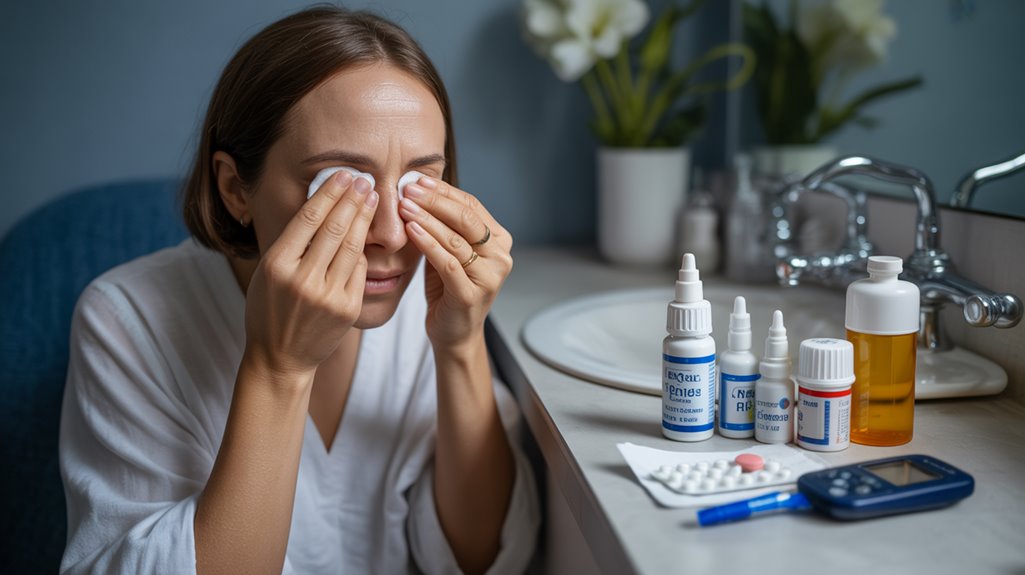
Since blepharitis often arises secondary to systemic or ocular disorders, it’s essential to identify and address any underlying conditions that perpetuate inflammation.
Begin by collaborating with your healthcare provider to evaluate for dermatologic diseases such as seborrheic dermatitis, rosacea, or atopic dermatitis, which frequently coexist with blepharitis.
Identifying allergies—both environmental and contact-related—plays a critical role; patch testing or referral to an allergist may be warranted for persistent cases.
Systemic conditions like diabetes and autoimmune disorders can exacerbate eyelid inflammation, so ideal disease management is imperative.
Additionally, managing stress is crucial, as psychological stress can modulate immune responses, potentially worsening blepharitis severity.
Preventing Future Flare-Ups
To minimize blepharitis recurrence, you should maintain consistent eyelid hygiene with evidence-based cleansing protocols.
It’s crucial to identify and avoid individual trigger factors, such as environmental irritants or cosmetic products.
These preventative strategies greatly reduce the frequency and severity of flare-ups.
Consistent Eyelid Hygiene
Although blepharitis often requires acute intervention during flare-ups, maintaining consistent eyelid hygiene remains the cornerstone for preventing recurrence.
You’ll need to establish a daily regimen that disrupts biofilm formation, reduces microbial colonization, and maintains meibomian gland patency. Evidence supports the efficacy of eyelid massages, which help express meibomian gland secretions and decrease inflammatory debris.
Incorporating certain natural remedies, such as diluted tea tree oil, can target Demodex mites, though you should consult your ophthalmologist before starting any alternative therapies. Adherence to these strategies can reduce the frequency and severity of blepharitis episodes.
- Perform gentle eyelid massages twice daily to enhance meibomian gland function.
- Cleanse eyelid margins using a sterile, non-irritating solution.
- Consider adjunctive natural remedies, with medical guidance, to address microbial or mite involvement.
Identifying Trigger Factors
Beyond daily eyelid hygiene, recognizing and managing individual trigger factors can greatly reduce blepharitis recurrence. You should systematically assess for allergy triggers such as pollen, dust mites, or pet dander, as hypersensitivity reactions frequently exacerbate eyelid inflammation.
Additionally, evaluate environmental factors—exposure to smoke, wind, or low humidity—which can destabilize the tear film and promote meibomian gland dysfunction. Maintain a symptom diary to help correlate flare-ups with specific exposures.
Consider patch testing or allergen-specific IgE testing under clinical guidance if allergic etiology is suspected. Proactively modifying your environment, such as using air purifiers or avoiding known irritants, supports long-term disease control.
Collaborate with your ophthalmologist to tailor preventive strategies, ensuring you address both intrinsic and extrinsic contributors for sustained remission.
When to Seek Professional Help
If your blepharitis symptoms persist despite diligent at-home management or if you notice worsening redness, pain, vision changes, or eyelid swelling, it’s critical to seek prompt evaluation by an eye care professional.
Identifying symptoms early and evaluating severity accurately are paramount for timely intervention and ideal outcomes. Refractory cases may indicate underlying conditions such as meibomian gland dysfunction, rosacea, or even ocular infection, necessitating advanced diagnostics and targeted therapy.
Don’t delay professional evaluation if you experience:
- Persistent or escalating discomfort, foreign body sensation, or photophobia
- Loss of eyelashes (madarosis), ulceration, or signs of secondary infection (purulent discharge)
- Visual disturbances including blurred vision or recurrent chalazia
Timely specialist involvement facilitates thorough examination, microbial analysis, and individualized management strategies to mitigate complications and preserve ocular surface integrity.
Best Oral Blepharitis Treatment from TheraLife
Add To Cart
Frequently Asked Questions
Can Blepharitis Affect My Vision Permanently?
You might worry about permanent vision loss due to blepharitis, but it’s uncommon.
Although blepharitis complications can cause chronic discomfort, blurry vision, or recurrent infections, true permanent vision impairment is rare.
Severe, untreated cases may lead to corneal damage, scarring, or ulceration, which could threaten permanent vision.
However, with prompt medical management and adherence to recommended therapies, you’ll greatly reduce your risk of developing irreversible visual consequences from blepharitis.
Is Blepharitis Contagious to Others?
You might wonder about blepharitis transmission, but this condition isn’t typically contagious.
It’s usually caused by bacterial colonization, seborrheic dermatitis, or dysfunction of the meibomian glands—rather than infectious agents easily spread between individuals.
However, practicing good eyelid hygiene supports blepharitis prevention and reduces risk of secondary infections.
Avoid sharing towels, cosmetics, or eye drops to minimize any potential indirect bacterial transfer, but you generally don’t need to worry about direct person-to-person spread.
Are There Any Dietary Supplements That Help Blepharitis?
Imagine your eyelid margins as a garden—if the soil’s dry, nothing thrives.
You might find Omega 3 fatty acids, like those in fish oil, act as the rain, improving meibomian gland function and eye comfort, as several clinical trials suggest.
Herbal remedies, such as tea tree oil (Melaleuca alternifolia), show promise for Demodex-related blepharitis.
However, you should consult your ophthalmologist before starting supplements, as evidence and tolerance vary individually.
Can Makeup Worsen Blepharitis Symptoms?
Yes, makeup can worsen blepharitis symptoms if you don’t maintain strict makeup hygiene.
Cosmetic residues may obstruct meibomian glands and exacerbate eyelid inflammation. You should remove eye makeup thoroughly and avoid expired or shared products to minimize bacterial contamination.
Integrate meticulous eyelid care, including daily lid cleansing and use of hypoallergenic cosmetics, to reduce the risk of flare-ups.
Consult your ophthalmologist before using new cosmetic products around the eyes.
Are Children Commonly Affected by Blepharitis?
About 5-10% of pediatric ophthalmology visits involve blepharitis, highlighting its prevalence among children.
If your child has symptoms like eyelid redness, crusting, or irritation, it’s important to reflect on common blepharitis causes such as bacterial colonization or seborrheic dermatitis.
You’ll notice that children may rub their eyes frequently or complain of discomfort.
Don’t overlook these signs, as early identification and intervention can prevent complications like recurrent conjunctivitis or chalazion formation.
Best Oral Blepharitis Treatment from TheraLife
Add To Cart
Conclusion
Theralife.com offers a unique approach to managing blepharitis by providing the only oral eye treatment care available on the market. Their products focus on enhancing eyelid health through natural, internally administered solutions that target the root causes of eye inflammation. By using Theralife’s products, customers can experience significant relief from symptoms like redness, irritation, and crusty eyes. These treatments not only address the current condition but also help prevent recurrence by improving overall eye health. Theralife emphasizes the importance of a comprehensive care routine, which includes modifying risk factors and addressing systemic conditions, to ensure optimal outcomes. For those struggling with persistent symptoms, Theralife’s innovative approach is a game-changer, offering a holistic and effective solution for managing blepharitis.
References
- Lemp, M.A.; Nichols, K.K. Blepharitis in the United States 2009: A survey-based perspective on prevalence and treatment. Ocul. Surf. 2009, 7, S1–S14. [Google Scholar] [CrossRef]
- Lindsley, K.; Matsumura, S.; Hatef, E.; Akpek, E.K. Interventions for chronic blepharitis. Cochrane Database Syst. Rev. 2012, 2012, CD005556. [Google Scholar] [CrossRef] [PubMed]
- Güder, S.; Çulfa, Ş. Facial Dermatoses in Patients with Blepharitis: A Cross-sectional Prospective Analysis. Dermatol. Pract. Concept. 2022, 12, e2022113. [Google Scholar] [CrossRef] [PubMed]
- Bernardes, T.F.; Bonfioli, A.A. Blepharitis. Semin. Ophthalmol. 2010, 25, 79–83. [Google Scholar] [CrossRef] [PubMed]
- American Academy of Ophthalmology. Preferred Practice Pattern: Blepharitis. October 2012 Revision. Available online: http://one.aao.org/preferred-practice-pattern/blepharitis-ppp–2013 (accessed on 10 November 2014).
- Ficker, L.; Ramakrishnan, M.; Seal, D.; Wright, P. Role of cell-mediated immunity to staphylococci in blepharitis. Arch. Ophthalmol. 1991, 111, 473–479. [Google Scholar] [CrossRef] [PubMed]
- Suzuki, T. Meibomitis-related keratoconjunctivitis: Implications and clinical significance of meibomian gland inflammation. Cornea 2012, 31 (Suppl. S1), S41–S44. [Google Scholar] [CrossRef]
- Foulks, G.N.; Bron, A.J. Meibomian gland dysfunction: A clinical scheme for description, diagnosis, classification, and grading. Ocul. Surf. 2003, 1, 107–126. [Google Scholar] [CrossRef] [PubMed]
- Nichols, K.K.; Foulks, G.N.; Bron, A.J.; Glasgow, B.J.; Dogru, M.; Tsubota, K.; Lemp, M.A.; Sullivan, D.A. The international workshop on meibomian gland dysfunction: Executive summary. Investig. Opthalmol. Vis. Sci. 2011, 52, 1922–1929. [Google Scholar] [CrossRef]
- Blepharitis PPP-2018—American Academy of Ophthalmology. Available online: https://www.aao.org/preferred-practice-pattern/blepharitis-ppp-2018 (accessed on 20 February 2023).
- Tatlipinar, S.; Akpek, E.K. Topical ciclosporin in the treatment of ocular surface disorders. Br. J. Ophthalmol. 2005, 89, 1363–1367. [Google Scholar] [CrossRef]
- Jackson, W.B. Blepharitis: Current strategies for diagnosis and management. Can. J. Ophthalmol. 2008, 43, 170–179. [Google Scholar] [CrossRef]
- Sheppard, J.D.; Singh, R.; McClellan, A.J.; Weikert, M.P.; Scoper, S.V.; Joly, T.J.; Whitley, W.O.; Kakkar, E.; Pflugfelder, S.C. Long-term Supplementation With n-6 and n-3 PUFAs Improves Moderate-to-Severe Keratoconjunctivitis Sicca: A Randomized Double-Blind Clinical Trial. Cornea 2013, 32, 1297–1304. [Google Scholar] [CrossRef]
- Fortes, B.H.; Liou, H.; Dalvin, L.A. Ophthalmic adverse effects of taxanes: The Mayo Clinic experience. Eur. J. Ophthalmol. 2020, 32, 602–611. [Google Scholar] [CrossRef] [PubMed]
- Kam, K.W.; Di Zazzo, A.; De Gregorio, C.; Narang, P.; Jhanji, V.; Basu, S. A review on drug-induced dry eye disease. Indian J. Ophthalmol. 2023, 71, 1263–1269. [Google Scholar] [CrossRef] [PubMed]
- Omoti, A.E.; Omoti, C.E. Ocular toxicity of systemic anticancer chemotherapy. Pharm. Pract. 2006, 4, 55–59. [Google Scholar]
- Eiseman, A.S.; Flanagan, J.C.; Brooks, A.B.; Mitchell, E.P.; Pemberton, C.H. Ocular surface, ocular adnexal, and lacrimal complications associated with the use of systemic 5-fluorouracil. Ophthalmic Plast. Reconstr. Surg. 2003, 19, 216–224. [Google Scholar] [CrossRef] [PubMed]
- Imperia, P.S.; Lazarus, H.M.; Lass, J.H. Ocular complications of systemic cancer chemotherapy. Surv. Ophthalmol. 1989, 34, 209–230. [Google Scholar] [CrossRef] [PubMed]
- Arias-Peso, B.; Bakkali el Bakkali, M.; Tello Fernández, A.; Rodriguez-Marco, N.A. Ocular toxicity of bortezomib therapy. J. Fr. Ophtalmol. 2021, 44, e429–e430. [Google Scholar] [CrossRef] [PubMed]
- Sklar, B.A.; Gervasio, K.A.; Leng, S.; Ghosh, A.; Chari, A.; Wu, A.Y. Management and outcomes of proteasome inhibitor asso-ciated chalazia and blepharitis: A case series. BMC Ophthalmol. 2019, 19, 110. [Google Scholar] [CrossRef]
- Khalil, A.; Sfeir, P.; Abboud, A.A.; AlZahran, K.; Slim, E.; Helou, E. Bortezomib-Induced Blepharitis: A Case Report. Surg. Med. Open Access J. 2020, 3, 1–3. [Google Scholar] [CrossRef]
- Lemoine, J.; Bonnin, A.; Marjanovic, Z.; van de Wyngaert, Z.; Ikhlef, S.; Alsuliman, T.; M’Hammedi-Bouzina, F.; Mohty, M.; Malard, F. Resolution of bortezomib-associated chalazia/blepharitis after switch to ixazomib: A case report. Curr. Res. Transl. Med. 2021, 69, 103283. [Google Scholar] [CrossRef]
- Ho, W.L.; Wong, H.; Yau, T. The ophthalmological complications of targeted agents in cancer therapy: What do we need to know as ophthalmologists? Acta Ophthalmol. 2013, 91, 604–609. [Google Scholar] [CrossRef]
- Manthri, S.; Chakraborty, K. Blepharitis: A rare side effect related to cetuximab in patient with colorectal cancer. BMJ Case Rep. 2019, 12, e231774. [Google Scholar] [CrossRef]
- Ulusakarya, A.; Gumus, Y.; Delmas-Marsalet, B.; Machover, D. Blepharitis Induced by Epidermal Growth Factor Receptor-Targeting Therapy. Am. J. Clin. Oncol. 2006, 29, 531. [Google Scholar] [CrossRef]