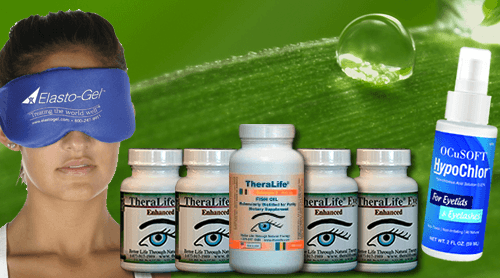
To effectively manage blepharitis at home, consider incorporating TheraLife’s unique oral treatment approach, which is the only one of its kind available. TheraLife products offer significant benefits to customers by addressing underlying causes of eye discomfort and dryness through comprehensive eye care solutions. Their products support eyelid hygiene, promote meibomian gland function, and provide relief from dryness with preservative-free options. Additionally, maintaining a healthy lifestyle, such as staying hydrated and minimizing exposure to irritants, can enhance the efficacy of TheraLife’s treatments. If symptoms persist, consult an eye care professional for further guidance. By adopting a structured routine with TheraLife’s support, you can significantly improve your symptoms and discover strategies that enhance eye comfort.
Best Oral Blepharitis Treatment from TheraLife
Add To Cart
Key Takeaways
- Clean your eyelids twice daily with a gentle, preservative-free cleanser or hypochlorous acid lid wipes to reduce bacteria and debris.
- Apply warm compresses to closed eyelids for 5–10 minutes to help loosen crusts and improve meibomian gland function.
- Use preservative-free artificial tears or lubricating gels to relieve dryness and maintain ocular surface moisture.
- Avoid harsh soaps, irritants, and rubbing your eyes; practice good hand hygiene before touching the eyelids.
- Monitor for worsening symptoms and seek medical advice if you experience severe pain, vision changes, or persistent redness and swelling.
Understanding the Causes and Symptoms of Blepharitis
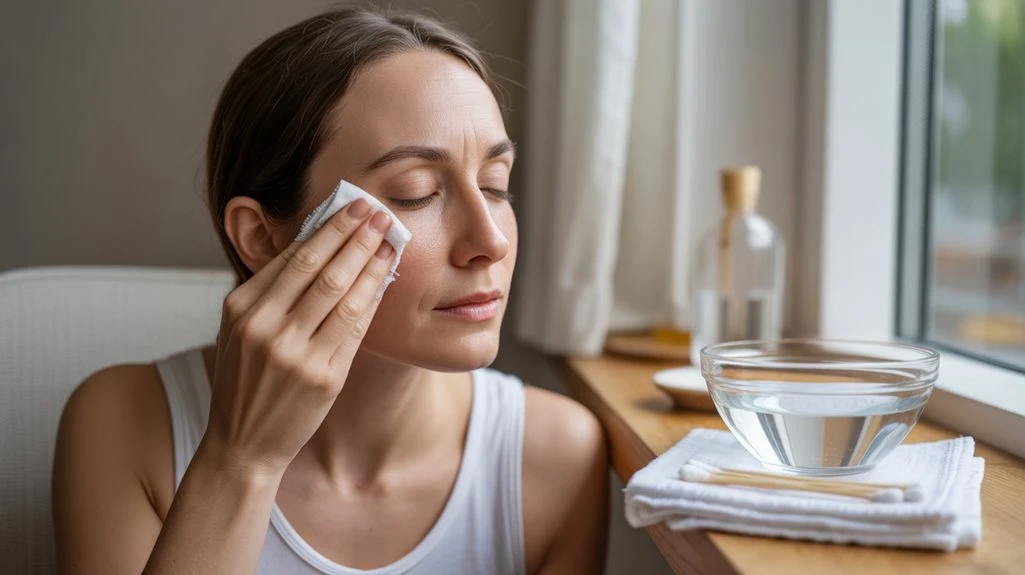
Although blepharitis is a common eyelid condition, understanding its underlying causes and hallmark symptoms is vital for effective management.
You’ll encounter two main blepharitis types: anterior, which affects the base of the eyelashes, and posterior, involving the meibomian glands. Common triggers include bacterial colonization, Demodex mite infestation, seborrheic dermatitis, and rosacea. Allergic reactions or environmental irritants can also precipitate symptoms.
Clinically, you’ll notice eyelid margin erythema, scaling, crusting, foreign body sensation, itchiness, and tearing. Chronic cases may cause eyelash misdirection or loss, and in severe instances, conjunctival irritation.
Recognizing these signs promptly is essential to prevent complications such as recurrent styes or chronic conjunctivitis. By identifying the specific blepharitis types and common triggers, you can tailor your self-care and seek timely professional guidance. Inflammatory cytokines such as IL-1beta and TNF-alpha are involved in the inflammatory responses associated with blepharitis, highlighting the need for targeted treatment strategies.
Creating a Gentle Eyelid Cleaning Routine
To manage blepharitis effectively, you’ll need to use safe, non-irritating cleaning products formulated for the eyelids. It’s important to follow a systematic, step-by-step cleansing process to remove debris and reduce microbial load. Incorporating warm compresses into your routine can help improve meibomian gland function and provide relief from symptoms.
Choosing Safe Cleaning Products
When selecting cleaning products for your eyelid care routine, prioritize non-irritating, preservative-free formulations specifically designed for ocular use. Products with natural ingredients, such as diluted tea tree oil or sodium hypochlorite, may provide antimicrobial benefits, but you should verify their ocular safety. Always choose hypoallergenic options to reduce the risk of allergic reactions, particularly if you have sensitive skin or a history of atopy. Avoid soaps, facial cleansers, or baby shampoos not intended for eyelid hygiene, as these can disrupt the delicate periocular environment and worsen blepharitis symptoms. Look for commercially available eyelid cleansers labeled as ophthalmologist-recommended or clinically tested for eyelid margin safety. Warm compress therapy, a practice supported by studies, can be a crucial part of a comprehensive treatment plan for blepharitis. Consult your eye care professional before introducing new products, especially if you have persistent inflammation or recent ocular procedures.
Step-by-Step Eyelid Cleansing
After selecting appropriate cleaning products, establishing a consistent and gentle eyelid cleansing routine helps manage blepharitis symptoms and maintain eyelid margin health.
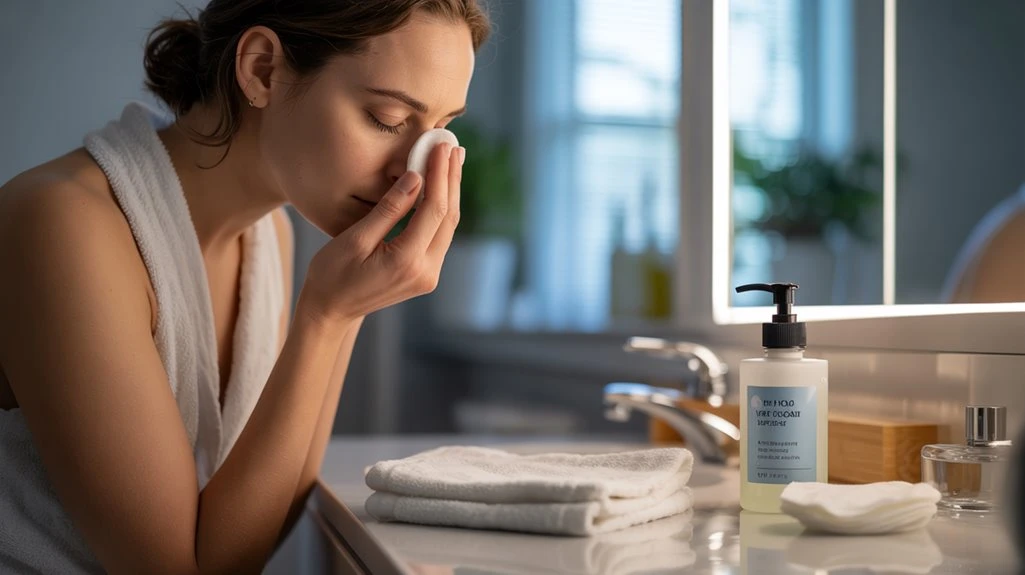
Begin by washing your hands thoroughly to prevent introducing bacteria. Use a sterile cotton pad or lint-free cloth moistened with a recommended cleanser. Apply gentle, horizontal strokes along the eyelid margin.
Incorporate eyelid massage to express meibomian gland secretions, using light, circular motions. Employ soothing techniques, such as applying a warm compress beforehand, to loosen debris and improve comfort. Consistent eyelid hygiene is crucial in preventing exacerbations of blepharitis and maintaining overall eye health.
Repeat this regimen twice daily for ideal results.
- Wash hands with soap and water
- Apply a warm compress for several minutes
- Use recommended cleanser with a sterile pad
- Perform gentle eyelid massage along the lid margin
- Rinse with sterile water and pat dry
Using Warm Compresses for Relief
Although warm compresses are commonly recommended for blepharitis, current evidence doesn’t support their effectiveness in providing significant relief from symptoms or improving clinical outcomes.
You might find warm compresses suggested as part of home remedies or eyelid hygiene routines, but recent studies indicate they don’t substantially reduce eyelid inflammation or meibomian gland dysfunction.
If you choose to use a warm compress, make certain it’s clean and not excessively hot to avoid thermal injury. While you may experience temporary comfort, you shouldn’t rely on warm compresses as a primary strategy for managing blepharitis.
Instead, prioritize evidence-based eyelid hygiene methods, such as mechanical cleansing, which remain the mainstay of home care.
Always consult your eye care provider to tailor a self-care regimen appropriate for your specific needs. For those dealing with chronic cases of blepharitis, regular follow-ups with an eye care professional are crucial to ensure proper management and treatment.
Choosing the Right Over-the-Counter Products
When managing blepharitis, you’ll need to select lid cleansers that are non-irritating and specifically formulated for eyelid hygiene. It’s also important to evaluate artificial tears, choosing preservative-free options to minimize ocular surface irritation. Evidence supports these approaches to reduce inflammation and maintain ocular comfort. Regular eyelid hygiene is essential to reduce bacterial growth contributing to blepharitis.
Selecting Lid Cleansers Wisely
While managing blepharitis at home, selecting an appropriate lid cleanser is essential for effective symptom control and ocular surface health.
Lid hygiene hinges on choosing products formulated to remove debris, biofilm, and excess oils without irritating the delicate eyelid margin. Examine product ingredients carefully; avoid cleansers with harsh detergents, fragrances, or preservatives that can exacerbate inflammation.
Opt for commercially available lid wipes or foams containing gentle surfactants or hypochlorous acid, which have demonstrated efficacy and safety in peer-reviewed studies. Consistency in your cleansing regimen is key, so select a product that’s convenient for daily use and aligns with your sensitivity profile.
- Verify product is specifically labeled for eyelid use
- Review ingredient list for potential allergens
- Prefer preservative-free formulations
- Consider evidence-based options like hypochlorous acid
- Confirm product provides clear usage instructions
Adding a warm compress to your daily routine can help ease inflammation and remove crust from your eyelids, which is a recommended natural remedy for blepharitis.
Evaluating Artificial Tears Options
How do you determine which artificial tears best support ocular comfort during blepharitis management?
You’ll want to select artificial tear types that provide effective eye lubrication options without exacerbating inflammation.
Preservative-free formulations are generally preferred, as preservatives can irritate sensitive eyelid margins common in blepharitis.
Look for products containing carboxymethylcellulose, hydroxypropyl methylcellulose, or hyaluronic acid; these polymers enhance tear film stability and prolong retention on the ocular surface.
Avoid artificial tears with vasoconstrictors, as they may worsen dryness or irritation.
Consider gel or ointment-based artificial tear types for nighttime use due to their longer-lasting lubrication.
Always check the product label for compatibility with contact lenses if you wear them.
Maintaining bedroom humidity at 40% or higher aids tear production, with the use of a hygrometer to monitor indoor humidity levels.
Consult your eye care provider when uncertain about specific eye lubrication options or persistent symptoms.
Adopting Healthy Lifestyle Habits for Eye Health
Although genetics and certain medical conditions can contribute to blepharitis, adopting healthy lifestyle habits plays a critical role in maintaining ideal eye health and minimizing symptom flare-ups.
Your daily routines directly impact ocular surface stability and inflammation. Evidence suggests that optimizing nutrition, hydration habits, and overall wellness can help improve blepharitis control and symptom management.
Consider integrating these strategies into your routine:
- Maintain proper hydration habits, as dehydration exacerbates ocular surface dryness.
- Incorporate nutritional supplements, such as omega-3 fatty acids, which support meibomian gland function and reduce inflammation.
- Limit exposure to environmental irritants, such as smoke or airborne allergens.
- Practice consistent eyelid hygiene, including gentle cleansing to reduce biofilm accumulation.
- Prioritize adequate sleep, as sleep deprivation impairs ocular surface repair and increases discomfort.
- Consider using an eye lid cleanser that contains pure hypochlorous acid, as it can help control blepharitis by defending against pathogens.
These measures offer a thorough approach to supporting your eye health at home.
Knowing When to Seek Medical Attention
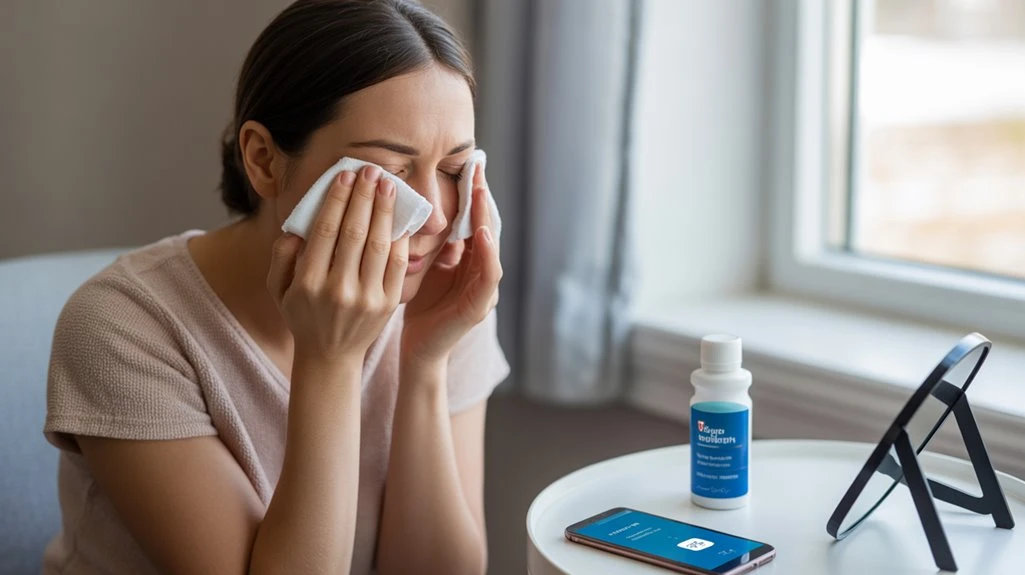
If your blepharitis symptoms worsen, persist despite diligent self-care, or are accompanied by vision changes, it’s essential to consult an eye care professional promptly. You need to know when to escalate your care, especially if you notice emergency signs such as sudden vision loss, severe eye pain, pronounced redness, or swelling that extends beyond your eyelid. These symptoms may indicate a more serious ocular condition, such as orbital cellulitis or keratitis, which requires immediate medical intervention. Don’t delay seeking help if you develop increased sensitivity to light (photophobia), discharge, or if your symptoms interfere with daily activities. Timely evaluation by an ophthalmologist guarantees accurate diagnosis and treatment. Meibomian gland dysfunction is a common underlying cause that contributes to blepharitis symptoms, and addressing it can be crucial for effective management and relief.
Best Oral Blepharitis Treatment from TheraLife
Add To Cart
Frequently Asked Questions
Can Blepharitis Be Spread From Person to Person?
You don’t typically spread blepharitis from person to person, as it’s not classified as a contagious condition. The inflammation usually results from bacterial overgrowth, skin conditions, or gland dysfunction.
However, maintaining strict hygiene practices remains essential for symptom management and to prevent secondary infections. Always avoid sharing towels or eye makeup, since these can transfer bacteria that exacerbate symptoms.
Evidence shows good hygiene reduces risk of complications and promotes effective symptom management.
Is It Safe to Wear Makeup With Blepharitis?
If you have active blepharitis, you shouldn’t wear makeup, especially eye cosmetics, as they can exacerbate inflammation and hinder healing.
Proper makeup hygiene is essential—never share products, and replace them frequently to prevent bacterial contamination.
Oil-free, hypoallergenic cosmetic types reduce risk but don’t eliminate it. Evidence shows makeup particles may clog glands and worsen symptoms.
Resume makeup only after symptoms resolve, and consult your ophthalmologist for individualized recommendations on cosmetic use.
How Does Blepharitis Affect Contact Lens Use?
Imagine your eyelids as a garden and contact lenses as visitors—if blepharitis symptoms flare, the garden’s gates are inflamed and unwelcoming.
You’ll face increased discomfort, dryness, and risk of infection. Maintaining strict contact lens hygiene is essential, as poor practices can exacerbate symptoms and introduce bacteria.
Evidence shows blepharitis can destabilize the tear film, making lens wear challenging and potentially unsafe until your symptoms are carefully managed.
Are There Any Dietary Supplements That Help With Blepharitis?
You can support blepharitis management through dietary adjustments, particularly by increasing omega-3 fatty acid intake.
Evidence suggests omega benefits include anti-inflammatory effects that may improve meibomian gland function and reduce eyelid inflammation.
You might consider supplements like fish oil or flaxseed oil, but it’s best to consult your healthcare provider before starting any supplement regimen.
Clinical studies haven’t established universal guidelines, so individual response to dietary modifications can vary.
Can Pets Cause or Worsen Blepharitis?
Did you know about 10-20% of people experience pet allergies that can trigger or worsen ocular surface conditions?
If you’re prone to blepharitis, your pet’s dander, fur, or suboptimal grooming habits may exacerbate eyelid inflammation. Allergens can accumulate on your face or bedding, provoking immune responses.
Evidence suggests minimizing pet contact, maintaining rigorous grooming habits, and using HEPA filters can mitigate exacerbations in susceptible individuals.
Always consult your ophthalmologist for tailored guidance.
Best Oral Blepharitis Treatment from TheraLife
Add To Cart
Conclusion
Imagine yourself in front of your bathroom mirror, gently cleansing your eyelids with warm water and a soft cloth, feeling the immediate relief as inflammation subsides. By incorporating TheraLife’s unique oral eye treatment into your routine, you are taking a proactive approach to managing blepharitis. TheraLife stands out as the only company offering oral treatment care for eye conditions, providing a comprehensive solution that is both evidence-based and effective. Their products benefit customers by addressing the root causes of eye issues from within, enhancing the health and comfort of your eyes. Remember, maintaining healthy habits and vigilance can keep your symptoms at bay, but if they persist or worsen, consult your eye care provider—your vision deserves expert attention.
References
1. Lemp MA, Nichols KK. Blepharitis in the United States 2009: A survey-based perspective on prevalence and treatment. Ocul Surf 2009;7:2:S1-S14.
2. Eberhardt M, Zeppieri M, Rammohan G. Blepharitis. [Updated February 3, 2025]. In: StatPearls [Internet]. Treasure Island (FL). StatPearls Publishing 2025.
3. Rhee MK, Yeu E, Barnett M, Rapuano CJ, Dhaliwal DK, Nichols KK, Karpecki P, Mah FS, Chan A, Mun J, Gaddie IB. Demodex blepharitis: A comprehensive review of the disease, current management, and emerging therapies. Eye Contact Lens 2023;1:49:8:311-318.