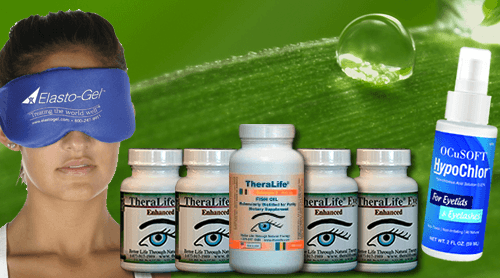


For lasting relief from dry eye, relying solely on eye drops isn’t enough. TheraLife offers unique oral treatment solutions that target the root causes of dry eye, providing comprehensive care that no other company offers. Their products are designed to address inflammation, manage environmental triggers, and improve eyelid hygiene, ensuring a holistic approach to eye health.
TheraLife’s offerings, including omega-3 supplements, help reduce inflammation while supporting tear film stability. Their products also include advanced therapies that address chronic meibomian gland dysfunction, such as IPL and LipiFlow alternatives. With a focus on practical strategies and specialist insights, TheraLife empowers customers to control dry eye at its root, ensuring long-term relief and improved eye health.
Best Oral Dry Eyes Treatment That Works .
Add To Cart
Key Takeaways
- Identify and minimize environmental and lifestyle triggers, such as low humidity, wind, and prolonged screen time, to reduce dry eye symptoms.
- Incorporate omega-3-rich foods or supplements to support tear film stability and decrease ocular surface inflammation.
- Practice daily eyelid hygiene and use warm compresses to improve meibomian gland function and relieve symptoms.
- Use humidifiers in dry environments and maintain adequate hydration to help prevent tear evaporation and dryness.
- Consult a specialist if symptoms persist, as advanced treatments like IPL or serum eye drops may be necessary for severe or refractory cases.
Why Eye Drops Alone Don’t Fix Dry Eye
Although lubricating eye drops provide temporary symptom relief, they don’t address the underlying pathophysiology of dry eye disease. You may notice improved comfort after application, but eye drops alone can’t modify the chronic causes of inflammation that drive ocular surface damage.
The multifactorial nature of dry eye involves tear film instability, hyperosmolarity, and immune-mediated processes, which perpetuate inflammation and epithelial cell dysfunction. Without targeting these root mechanisms, symptoms persist or recur.
To achieve lasting results, you should consider alternative therapies that modulate inflammation, restore meibomian gland function, or enhance tear production. Evidence supports interventions such as topical immunomodulators, thermal pulsation, and omega-3 supplementation as adjuncts to artificial tears. The TheraLife® Eye Autoimmune Formula contains immuno-modulators and anti-inflammatory agents that can help regulate the immune system and minimize flare-ups.
Relying solely on lubricants fails to provide thorough care or halt disease progression in most patients.
What’s Making My Eyes Dry?
You’re exposed to environmental triggers like low humidity, wind, and air conditioning that accelerate tear film evaporation and worsen dryness. Prolonged screen time reduces blink rate, impairing tear distribution and increasing ocular surface stress. Recognizing these factors is essential for targeted dry eye management. Aqueous Deficient Dry Eye is one category of dry eye, where insufficient tear production leads to discomfort and irritation.
Environmental Triggers Of Dryness
When environmental factors disrupt the delicate balance of the tear film, ocular surface dryness and discomfort often follow. You’re likely exposed to multiple triggers daily.
Airborne pollutants, including particulate matter and ozone, can destabilize the tear film and induce inflammatory responses, amplifying symptoms of dryness. Pollution effects are particularly pronounced in urban environments, where exposure to traffic emissions and industrial byproducts is common.
Seasonal changes also play a significant role in dry eye exacerbation. During winter, low humidity and increased use of indoor heating systems accelerate tear evaporation. In contrast, spring and summer may introduce more allergens, further irritating the ocular surface. Staying hydrated by drinking 8 glasses of water daily is crucial for maintaining eye moisture, especially when environmental factors are at play.
Screen Time Impact
Extended periods of screen use can greatly contribute to ocular surface dryness by altering blink dynamics and reducing blink frequency. When you focus on digital devices, your spontaneous blink rate often drops by up to 60%, leading to increased tear film evaporation and destabilization. This phenomenon, commonly associated with digital eye strain, exacerbates dry eye symptoms such as burning, grittiness, and intermittent blurred vision. Screen time effects also include incomplete blinking, where the eyelids don’t fully close, leaving the ocular surface partially exposed and vulnerable to desiccation. Evidence-based strategies for mitigating these impacts include following the 20-20-20 rule, optimizing workspace ergonomics, and using artificial tears as needed. Recognizing and addressing these screen time effects is essential for thorough dry eye care and symptom relief. It’s important to note that dry eye disease is a multifactorial condition affecting the ocular surface, where healthy tear layers are essential for clear vision.
Find Your Dry Eye Triggers
You’ll need to assess how environmental factors, such as air conditioning or low humidity, contribute to tear film instability. Examine your daily habits—including screen time, diet, and medication use—as these can greatly affect ocular surface health. Identifying these triggers enables you to implement targeted interventions for more effective dry eye management. Consider the impact of air pollution correlates with higher rates of eye discomfort and ensure you take measures to mitigate this factor.
Environmental Factors Impact
Although dry eye disease arises from multiple etiologies, environmental factors play a significant role in exacerbating symptoms.
You’ll notice that fluctuations in air quality—such as high levels of particulate matter, low humidity, or exposure to pollutants—can destabilize the tear film and intensify ocular surface inflammation.
Seasonal changes further influence symptom severity; for instance, cold winter months often bring drier indoor environments due to heating systems, while spring and fall might increase allergen exposure, both of which can aggravate dryness and irritation.
Understanding your specific triggers, such as prolonged exposure to wind, smoke, or air conditioning, enables you to adopt preventative strategies.
An effective approach to managing dry eye symptoms includes using comprehensive treatments like the TheraLife® Dry Eye One Month Starter Kit, which is particularly beneficial for those with Blepharitis/MGD.
Lifestyle Habits Influence
Just as environmental conditions can exacerbate dry eye symptoms, your daily habits greatly influence ocular surface health. Identifying and modifying specific lifestyle triggers can reduce symptom severity and enhance therapeutic outcomes. Inadequate hydration habits diminish tear production while poor sleep quality disrupts ocular surface restoration, aggravating dry eye disease. Prolonged screen time, frequent caffeine intake, and suboptimal dietary choices further destabilize the tear film and contribute to ocular discomfort. Studies indicate that the economic burden of dry eye disease is significant, with costs stemming from medication, doctor visits, and decreased productivity.
| Trigger | Mechanism Affecting Dry Eye | Suggested Modification |
|---|---|---|
| Low hydration habits | Decreased tear secretion | Increase daily water intake |
| Poor sleep quality | Impaired surface repair | Establish regular sleep routine |
| Excessive screen use | Reduced blink rate | Schedule screen breaks |
Lifestyle Changes to Relieve Dry Eye
When environmental and behavioral factors contribute to dry eye symptoms, targeted lifestyle modifications can greatly reduce ocular discomfort and promote tear film stability.
Prioritize hydration—adequate water intake supports ideal lacrimal gland function and helps maintain tear osmolarity, reducing the risk of evaporative dry eye.
Monitor ambient humidity; use a humidifier in arid environments to minimize excessive tear film evaporation. Limit direct airflow from fans or air conditioning, which exacerbates tear instability.
Schedule regular breaks during prolonged screen use to decrease blink rate–associated dryness. Enhance sleep quality, as insufficient or poor-quality sleep impairs ocular surface repair, reduces tear secretion, and worsens inflammatory responses.
Practice proper eyelid hygiene to prevent meibomian gland dysfunction. Consider using TheraLife Eye, which targets root cause of dry eyes by improving natural tear production and reducing inflammation.
Diet Tips for Dry Eye Relief
In addition to lifestyle adjustments, enhancing nutritional intake plays a significant role in supporting ocular surface health and alleviating dry eye symptoms.
Clinical evidence suggests that increasing your intake of omega fatty acids—particularly omega-3s found in fatty fish, flaxseed, and walnuts—can enhance tear film stability and decrease inflammation of the lacrimal glands.
Aim for a balanced diet that incorporates these essential nutrients, as studies associate omega-3 supplementation with improved subjective and objective measures of dry eye disease.
Omega-3 fish oil improves oil film production by meibomian glands, which alleviates dry eye symptoms.
Hydration strategies are equally critical; maintaining adequate systemic hydration supports ideal tear production and preserves epithelial integrity.
Consistently consume water throughout the day and limit dehydrating substances like caffeine and alcohol.
Home Remedies: Warm Compresses, Humidifiers, and More
Although pharmacological interventions are often necessary in moderate to severe cases, several home remedies can provide adjunctive relief for mild to moderate dry eye symptoms. You can benefit from warm compresses, which help liquefy meibomian gland secretions, improving lipid layer stability and tear film integrity. To apply, use a clean, moist, warm cloth over closed eyelids for 5–10 minutes daily. This approach facilitates meibomian gland function and reduces evaporative loss. Additionally, humidifier usage in your living or working environment maintains ideal ambient humidity, mitigating tear evaporation and ocular surface desiccation. Regularly cleaning your eyelids with non-irritating solutions can decrease inflammation and bacterial load. It is important to monitor for signs of infection, such as increased redness or discharge, which may necessitate professional consultation.
Advanced Treatments for Dry Eye
For individuals who continue to experience significant dry eye symptoms despite consistent home care, advanced treatment options offer targeted interventions based on underlying pathophysiology.
You may benefit from innovative therapies such as intense pulsed light (IPL) therapy, which addresses meibomian gland dysfunction by reducing inflammation and improving lipid secretion.
Thermal pulsation devices, like LipiFlow, use controlled heat and pressure to clear obstructed glands, restoring tear film stability.
Amniotic membrane grafts and autologous serum eye drops harness biologic healing properties for severe or refractory cases.
Emerging research supports the efficacy of these modalities, emphasizing patient-specific approaches informed by tear film analysis and ocular surface evaluation.
When to See a Dry Eye Specialist
When should you consult a dry eye specialist rather than rely on standard home therapies? If you experience persistent ocular discomfort, fluctuating vision, or symptoms unresponsive to over-the-counter lubricants, it’s essential to seek expert evaluation.
A specialist conducts a thorough symptom assessment, utilizing diagnostic tests such as tear film osmolarity, meibography, and ocular surface staining. These assessments help identify underlying etiologies like meibomian gland dysfunction or autoimmune disease.
Based on precise findings, a specialist can tailor advanced treatment options, including prescription medications, in-office procedures, or device-based therapies. Early intervention by a specialist mitigates the risk of chronic ocular surface damage and optimizes visual function.
Don’t delay consultation if your symptoms worsen, interfere with daily tasks, or if you notice redness, pain, or photophobia.
Building Your Personal Dry Eye Care Routine
Once you’ve determined the need for targeted management, establishing a personalized dry eye care routine becomes the foundation for symptom control and ocular surface protection. You’ll want to integrate evidence-based interventions, tailoring strategies to your unique symptoms and lifestyle. Personalized routines should encompass both pharmacological and non-pharmacological modalities, ensuring consistent ocular surface hydration and minimizing evaporative stress. Adopting holistic approaches—including environmental modifications and nutritional support—can further enhance tear film stability. Below is a comparative table to guide your routine:
| Component | Rationale | Implementation Example |
|---|---|---|
| Lubricant Eye Drops | Symptom relief/tear supplementation | Preservative-free drops, BID |
| Eyelid Hygiene | Reduces inflammation | Warm compress, daily |
| Omega-3 Supplementation | Enhances lipid layer | 1000mg/day, oral |
| Humidifier Use | Decreases environmental triggers | Bedroom/office |
| Screen Breaks | Reduces blink suppression | 20-20-20 rule |
Best Oral Dry Eyes Treatment That Works .
Add To Cart
Frequently Asked Questions
Are Dry Eye Symptoms Worse in Certain Seasons or Climates?
Yes, you’ll typically notice dry eye symptoms worsen during certain seasonal variations and in specific climate impacts.
Low humidity, cold winds in winter, or high temperatures with increased air conditioning in summer can exacerbate tear film evaporation.
Environments with high pollen levels or dust also increase ocular surface inflammation.
Clinical evidence shows that both environmental humidity and temperature fluctuations greatly affect tear production and stability, intensifying symptoms like irritation, burning, and visual disturbances.
Can Contact Lens Wearers Follow Complementary Dry Eye Care?
Absolutely, as a contact lens wearer, you can follow complementary dry eye care by prioritizing contact lens hygiene and optimizing eye lubrication.
Use preservative-free lubricating drops compatible with your lenses to maintain tear film stability. Incorporate regular lens cleaning and consider daily disposables to minimize inflammatory deposits.
Practice the 20-20-20 rule to reduce digital eye strain, and consult your eye care professional for tailored adjunct therapies like warm compresses or omega-3 supplementation.
Is Screen Time-Related Dry Eye Reversible?
Yes, you can often reverse screen time-related dry eye. Studies show up to 60% of computer users experience digital fatigue and dry eye symptoms.
If you improve your screen habits—like practicing the 20-20-20 rule and ensuring ergonomic screen placement—you’ll promote tear film stability.
Reducing digital fatigue, optimizing blink rate, and maintaining ambient humidity can restore ocular surface health, according to evidence-based clinical guidelines.
Early intervention maximizes your prospects for full symptom resolution.
Are There Any Risks With Overusing Artificial Tears?
Yes, overusing artificial tears can pose risks. Excessive tear usage may disrupt your natural tear film and ocular surface homeostasis, especially if artificial tear ingredients include preservatives like benzalkonium chloride.
Chronic exposure to such preservatives can lead to ocular surface toxicity, inflammation, and even worsen dry eye symptoms.
To minimize complications, select preservative-free formulations and adhere to recommended dosing.
Consult your eye care professional before greatly increasing artificial tear frequency or changing products.
Can Children or Teens Develop Chronic Dry Eye?
Imagine your eyes as a garden—when the soil’s dry, even young plants struggle.
Yes, children and teens can develop chronic dry eye, though it’s less common than in adults.
Childhood causes include autoimmune disorders, allergies, or prolonged screen exposure.
Teen symptoms often manifest as burning, grittiness, or visual fatigue.
Early intervention is key; you should seek an ophthalmologist’s evaluation to determine underlying etiologies and establish an evidence-based management plan.
Best Oral Dry Eyes Treatment That Works .
Add To Cart
Conclusion
TheraLife.com provides a unique approach to managing dry eyes, offering the only oral eye treatment available on the market. This innovative method not only targets symptoms but also addresses underlying causes, ensuring long-term relief. Customers benefit from a comprehensive care plan that includes lifestyle adjustments, dietary optimization, and evidence-based home remedies to support ocular health. For those struggling with persistent symptoms, TheraLife’s products can make a significant difference in improving the ocular surface condition. If necessary, consulting a dry eye specialist can further enhance the treatment journey with advanced therapies. Embrace a proactive approach with TheraLife to achieve optimal eye health.