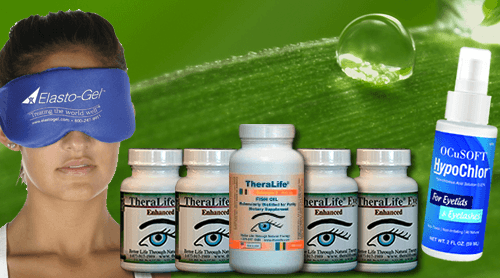

For swollen eyelids, TheraLife offers effective over-the-counter solutions that provide relief and support eye health. Their products, such as natural eye formulas, are designed to address underlying causes of eye conditions like blepharitis, dry eyes, and swollen eyelids. These formulas work by enhancing tear secretion, reducing inflammation, and promoting overall eye comfort.
TheraLife’s approach is holistic, focusing on the root causes of eye discomfort rather than just temporary symptom relief. This method ensures lasting results and supports healthy eyelid function. If you experience persistent swelling or discharge, consulting a healthcare professional is recommended. Explore TheraLife’s range of products to find treatments optimized for your specific needs.
Eyelid Swollen Due To Blepharitis and Dry Eyes- When Drops Don’t Work.
Treat the underlying cause of swollen eyelids due to blepharitis, chalazion or styes with TheraLife.
Relief your dry eyes to prevent recurrence. Make more tears naturally with an oral formula that works.
Key Takeaways
- Antihistamine eye drops with ketotifen, olopatadine, or pheniramine effectively relieve swelling from allergies and are available over-the-counter.
- Cold compresses applied for 10–15 minutes help reduce eyelid swelling and discomfort quickly.
- Artificial tears, especially preservative-free formulas, relieve irritation and dryness contributing to swollen eyelids.
- Oral antihistamine tablets like cetirizine or loratadine are helpful for persistent eyelid swelling with additional allergy symptoms.
- Gentle daily lid hygiene with non-irritating cleansers supports recovery and prevents further irritation or infection.
Identifying Common Causes of Swollen Eyelids
Although swollen eyelids can result from several underlying factors, the most frequent causes include allergic reactions, bacterial or viral infections such as conjunctivitis, trauma, and underlying inflammatory conditions like blepharitis or chalazion.
When you encounter periorbital edema, it’s important to take into account allergy triggers—common culprits are pollen, dust mites, and pet dander.
If you notice redness, discharge, or crusting, eyelid infections like bacterial blepharitis or viral conjunctivitis may be responsible.
Trauma and repetitive rubbing can further exacerbate the swelling.
Inflammatory etiologies, such as a chalazion or hordeolum, also present with localized swelling and tenderness.
Recognizing these presentations is essential for narrowing down the etiology and helps inform the correct management strategy for ideal recovery and minimized potential for complications.
Avoiding eye makeup during active blepharitis is recommended to prevent further irritation and promote eyelid recovery.
Choosing the Right Antihistamine Eye Drops
When selecting antihistamine eye drops, you’ll need to compare common active ingredients like ketotifen, olopatadine, and pheniramine. Follow recommended usage frequency to maximize efficacy while reducing risk, typically one to two times daily. Be aware of potential side effects such as transient stinging, dry eyes, or headache. Long-term use of preserved glaucoma medications has been associated with increased dry eye symptoms, so considering preservative-free alternatives might be beneficial for those experiencing dry eyes.
Common Active Ingredients Compared
Because swollen eyelids often result from allergic reactions, selecting an effective antihistamine eye drop depends on understanding the active ingredients. Various agents address allergy triggers differently, and knowing your options enhances therapeutic outcomes. The common active ingredients in OTC eye drops for swollen eyelids include ketotifen, olopatadine, and pheniramine. Each ingredient works by inhibiting histamine action, reducing eyelid inflammation and discomfort. A balanced tear film is crucial to maintaining healthy eyes, as it consists of aqueous, oil, and mucus layers working together.
| Active Ingredient | Clinical Benefit |
|---|---|
| Ketotifen | Dual-action: mast cell stabilization and antihistamine effect for rapid relief |
| Olopatadine | Highly selective histamine H1 receptor antagonist for targeted allergy symptom reduction |
| Pheniramine | Traditional antihistamine, relieves itching quickly but may cause mild dryness |
Understanding these differences allows you to tailor therapy to your symptoms and risk factors, ensuring the most effective OTC remedy for swollen eyelids linked to allergy triggers.
Eyelid Swollen Due To Blepharitis and Dry Eyes- When Drops Don’t Work.
Treat the underlying cause of swollen eyelids due to blepharitis, chalazion or styes with TheraLife.
Relief your dry eyes to prevent recurrence. Make more tears naturally with an oral formula that works.
Usage Frequency Guidelines
Three key considerations guide the appropriate usage frequency of OTC antihistamine eye drops for swollen eyelids: the specific active ingredient, symptom severity, and product formulation.
You’ll want to review the product’s prescribing information to determine recommended administration intervals; most OTC antihistamine drops such as ketotifen or olopatadine are typically indicated for use twice daily.
If symptoms are particularly intense, don’t exceed the labeled usage frequency, as doing so can increase the risk of ocular surface complications without added therapeutic benefit.
Treatment duration should generally align with the period of allergen exposure or symptom persistence. Prolonged use beyond recommended treatment duration isn’t advised unless directed by an eye care professional.
Always monitor your symptom response and consult a provider if there’s insufficient clinical improvement.
It is important to avoid squeezing or popping styes as this can exacerbate the infection and hinder healing.
Potential Side Effects
Although OTC antihistamine eye drops offer prompt relief for swollen eyelids caused by allergic reactions, it’s crucial to recognize their potential side effects before selecting a product. You may experience transient stinging, blurred vision, or ocular dryness following instillation. Improper dosage considerations, such as exceeding recommended frequency, can heighten these risks. Furthermore, potential interactions with other systemic antihistamines or medications may amplify side effects like drowsiness or exacerbate underlying ocular surface disease. It’s important to note that allergic reactions are a common cause of eyelid swelling, and antihistamine drops can alleviate symptoms if used correctly.
Below is a summary of possible adverse effects and key considerations:
| Potential Side Effect | Clinical Consideration |
|---|---|
| Ocular irritation | Common; usually transient |
| Drug interactions | Review concurrent medications |
| Dosage-related risks | Adhere to dosing recommendations |
Carefully evaluate product labels and consult your healthcare provider to minimize these risks and guarantee effective management.
Benefits of Artificial Tears for Eyelid Swelling
You can use artificial tears to alleviate ocular surface irritation and address dryness that contributes to swollen eyelids. These lubricating drops help restore tear film stability, improving comfort and supporting the eye’s natural barrier function. Additionally, artificial tears reduce inflammatory mediators in the tear film, which may decrease periocular inflammation without pharmaceutical agents. TheraLife Eye capsules offer a natural alternative to traditional eye drops, targeting the root cause of dry eyes by improving tear production and reducing dryness symptoms.
Soothing Irritation and Dryness
When eyelid swelling leads to irritation and dryness, artificial tears can provide symptomatic relief by lubricating the ocular surface and minimizing discomfort.
You’ll find that over-the-counter artificial tears deliver immediate hydration, stabilizing the tear film and reducing foreign body sensation.
By replenishing moisture, these drops decrease conjunctival redness and support the overall health of your ocular surface.
Unlike some natural remedies, artificial tears are specifically formulated for sensitive eye care and are free from vasoconstrictors that can exacerbate irritation.
Select preservative-free formulations to minimize the risk of adverse reactions, especially with frequent application.
Use artificial tears as directed, typically instilling one to two drops per affected eye several times a day.
For a more holistic approach, TheraLife Eye Enhanced offers internal support for dry eye relief by restoring natural tear production and enhancing micro-circulation in the eye.
Eyelid Swollen Due To Blepharitis and Dry Eyes- When Drops Don’t Work.
Treat the underlying cause of swollen eyelids due to blepharitis, chalazion or styes with TheraLife.
Relief your dry eyes to prevent recurrence. Make more tears naturally with an oral formula that works.
Reducing Inflammation Naturally
While managing swollen eyelids with non-pharmacologic strategies, prioritizing remedies that address underlying inflammation proves essential for long-term relief.
Artificial tears, although not strictly herbal remedies, offer significant benefits by lubricating the ocular surface, diluting inflammatory mediators, and providing symptomatic relief. You’ll find that consistent use can help minimize irritation and mechanical stress linked to eyelid swelling.
Alongside artificial tears, integrating evidence-based dietary adjustments—such as increased omega-3 fatty acid intake—can further modulate inflammatory pathways.
Consider these additional natural approaches to reduce eyelid inflammation:
- Apply chilled chamomile tea bags as a topical compress for their anti-inflammatory effects.
- Limit sodium intake to minimize fluid retention.
- Incorporate antioxidant-rich fruits and vegetables in your diet.
- Discuss safe supplementation of fish oil or flaxseed oil with your healthcare provider.
Omega 3 Fish Oil is molecularly distilled, providing high-quality supplementation that can be beneficial for those looking to further enhance the anti-inflammatory effects of their diet.
Using Lubricating Ointments for Nighttime Relief
Although lubricating ointments are frequently recommended for relief in various eye conditions, clinical evidence doesn’t support their effectiveness in reducing eyelid swelling overnight. When you consider nighttime application, these ointments primarily function to maintain ocular surface hydration and enhance tear film stability, particularly for patients with dry eye syndrome or lagophthalmos. The ointment benefits involve decreasing friction between the eyelid and the cornea during sleep, which can alleviate discomfort or prevent further irritation. However, you shouldn’t expect a significant reduction in edema or swelling from such products. If you’re experiencing swollen eyelids, focusing solely on lubricating ointments may not address your underlying inflammation. Chronic dry eyes exacerbate these conditions, making it important to address the root cause. Instead, use them as adjunct therapy for associated dryness, not as a primary intervention for swelling. Consult an eye care professional for individualized recommendations.
Role of Cold Compresses in Reducing Swelling
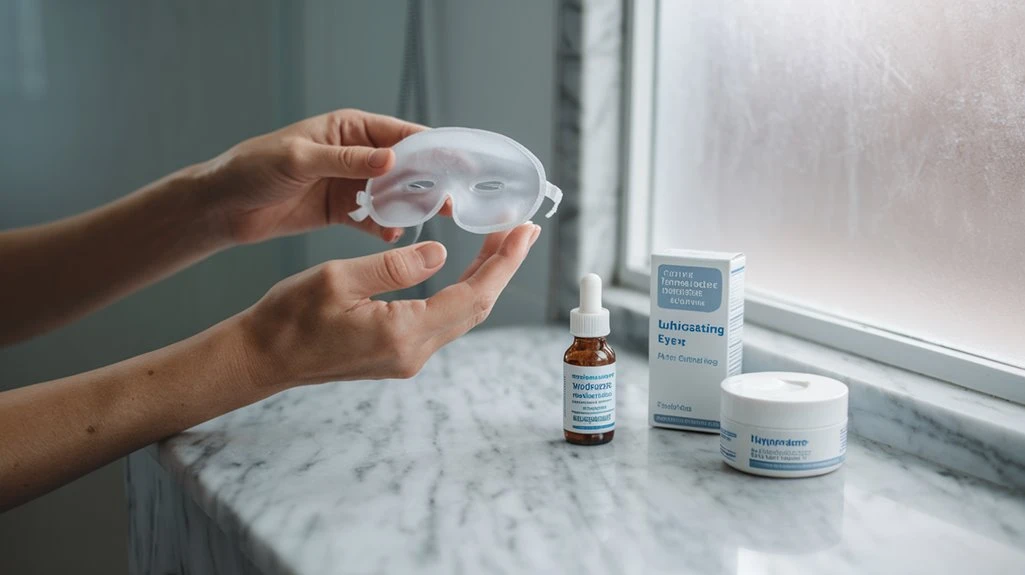
You can use a cold compress to induce vasoconstriction, which minimizes capillary leakage and reduces periorbital edema. For best results, apply a clean, cool, damp cloth to the eyelid for 10–15 minutes, ensuring gentle pressure without excessive force. Evidence supports this method as a first-line, nonpharmacologic intervention to address acute eyelid swelling. To further enhance your treatment regimen, consider incorporating warm compresses as they can aid in alleviating conditions like chalazion by promoting gland drainage and improving eyelid hygiene.
Mechanism of Cold Therapy
Cold therapy, commonly applied as a cold compress, reduces swelling by inducing vasoconstriction in superficial blood vessels of the eyelid. This physiological process restricts blood flow to the affected area, which helps to limit fluid accumulation and inflammatory mediator activity.
Cold therapy benefits also include a reduction in local metabolic demand, potentially minimizing secondary cellular injury. By lowering tissue temperature, cryotherapy applications diminish nerve conduction velocity, resulting in transient analgesia and symptomatic relief.
- Vasoconstriction leads to decreased capillary permeability, reducing edema formation.
- Diminished enzyme activity limits propagation of inflammatory processes in periorbital tissues.
- Lower tissue temperature temporarily slows histamine and cytokine release, pivotal in inflammation.
- Analgesic effect aids in symptomatic management, promoting patient comfort.
Employing these mechanisms makes cold compresses a fundamental option for eyelid swelling.
Proper Compress Application Steps
Several key steps guarantee the effective use of a cold compress for managing swollen eyelids.
First, always wash your hands thoroughly to prevent introducing pathogens. Use a clean, soft cloth, or sterile gauze, and soak it in cold (not frozen) water.
Apply the compress gently over your closed eyelid, never applying direct pressure, which could worsen inflammation. The proper technique involves positioning the compress so it covers the entire swollen area without impeding circulation or vision.
Limit each session to a compress duration of 10 to 15 minutes, and repeat up to four times daily as clinically indicated.
Prolonged exposure may risk local tissue damage or exacerbate symptoms. By adhering to evidence-based compress application steps, you’ll optimize therapeutic outcomes and minimize potential adverse effects.
Sterile Saline Rinses for Eye Irritation
Although many people consider sterile saline rinses beneficial for relieving eye irritation, current clinical evidence doesn’t support their effectiveness in reducing eyelid swelling.
If you’re considering saline solution as part of your eye hygiene routine, it’s crucial to understand its actual benefits and limitations. Saline solution can help remove debris and irritants from the ocular surface, but it won’t address inflammation or underlying causes of eyelid swelling.
Overreliance on saline rinses may delay effective treatment options for true inflammatory processes affecting the eyelids.
- Saline solution maintains ocular surface moisture but lacks anti-inflammatory properties.
- Eye hygiene routines may include saline rinses to clear superficial irritants or discharge.
- Saline rinses aren’t clinically proven to reduce edema or periocular inflammation.
- Persistent eyelid swelling warrants medical evaluation, not just irrigation.
Selecting Nonsteroidal Anti-Inflammatory Eye Drops
When considering over-the-counter remedies for swollen eyelids, you may encounter nonsteroidal anti-inflammatory (NSAID) eye drops marketed for ocular discomfort or mild inflammation.
These nonsteroidal alternatives work by inhibiting cyclooxygenase enzymes, thereby reducing prostaglandin synthesis and limiting the local inflammatory response.
It’s essential to assess eye drop efficacy based on clinical trials, which often show only modest symptom relief for superficial ocular inflammation.
Most OTC NSAID eye drops aren’t specifically indicated for eyelid swelling, so their benefit may be limited in periorbital cases.
Always review the product’s active ingredients and target symptoms to guarantee therapeutic appropriateness.
Consult your healthcare provider if you experience persistent swelling or severe symptoms—incorrect self-selection can delay the management of more serious underlying conditions.
Importance of Hypoallergenic Eye Wipes
Because the periocular region is particularly sensitive, choosing hypoallergenic eye wipes helps minimize the risk of contact dermatitis and allergic reactions during eyelid hygiene.
Opting for wipes specifically labeled as hypoallergenic offers significant benefits, especially when dealing with swollen eyelids. The hypoallergenic benefits reduce the potential for ingredient-related irritation, a common issue with conventional wipes containing fragrance or preservatives.
Eye wipe effectiveness depends on gentle cleansing properties, ensuring debris and allergens are efficiently removed without compromising delicate tissue. Clinical literature supports the regular use of hypoallergenic formulations as part of an evidence-based eyelid care regimen.
- Lower incidence of hypersensitivity reactions due to reduced allergen exposure
- Enhanced eyelid hygiene improves symptom control of periocular inflammation
- Maintains ocular surface integrity by using non-irritating components
- Promotes adherence to daily lid hygiene routines through improved patient comfort
Recognizing When to Use Allergy Relief Tablets
While hypoallergenic eye wipes address external irritants, some cases of swollen eyelids may signal underlying allergic processes that require systemic management.
If you experience consistent eyelid swelling accompanied by other allergy symptoms—such as itching, sneezing, nasal congestion, or watery eyes—oral allergy relief tablets might be an appropriate addition to your treatment options.
These medications, including over-the-counter antihistamines like cetirizine or loratadine, work by inhibiting the histamine response responsible for many allergic reactions.
You should consider allergy relief tablets when local measures fail to control swelling or when symptoms extend beyond the eyelids, indicating a systemic issue.
Always evaluate your full symptom profile and onset triggers to determine whether systemic therapy—rather than topical measures alone—will optimize control of allergic eyelid swelling.
Safety Tips for Over-the-Counter Eyelid Treatments
Although over-the-counter eyelid treatments offer relief for mild swelling and irritation, you must use them with caution to prevent adverse effects. Select ophthalmic products specifically labeled for eyelid use, as generic topical agents may cause allergic reactions or exacerbate irritation.
Avoid sharing medication or applicators to limit cross-contamination. Integrating natural remedies, such as cold compresses, and lifestyle changes—like minimizing eye rubbing—can reduce reliance on pharmacological interventions. Vigilant monitoring for persistent swelling, discharge, or vision changes is critical, as these signs may suggest underlying pathology requiring a clinician’s evaluation.
- Wash hands before and after touching your eyes to minimize infection risk.
- Never use expired products or those with compromised packaging.
- Adhere strictly to recommended dosages and durations.
- Consider adjunctive non-pharmacologic strategies, including natural remedies and lifestyle changes.
Eyelid Swollen Due To Blepharitis and Dry Eyes- When Drops Don’t Work.
Treat the underlying cause of swollen eyelids due to blepharitis, chalazion or styes with TheraLife.
Relief your dry eyes to prevent recurrence. Make more tears naturally with an oral formula that works.
Frequently Asked Questions
Can Makeup Cause or Worsen Swollen Eyelids?
Yes, makeup can cause or worsen swollen eyelids, especially if you’re sensitive to certain makeup ingredients.
Components like preservatives, fragrances, or dyes may trigger allergic reactions, leading to eyelid edema, erythema, and pruritus.
Applying expired or contaminated products increases your risk of contact dermatitis and periorbital inflammation.
To minimize complications, always review product labels, perform patch tests, and discontinue use if you notice symptoms indicative of hypersensitivity or irritation.
Are There Any Dietary Changes That Help Prevent Eyelid Swelling?
Think of your body as a finely tuned instrument—when you nourish it with balanced strings, it plays harmoniously.
You can help reduce eyelid swelling by optimizing hydration levels and minimizing sodium intake. Incorporate dietary supplements like omega-3 fatty acids, which demonstrate anti-inflammatory properties in clinical studies.
Prioritize a diet rich in antioxidants from leafy greens and brightly colored fruits. These strategies, supported by evidence-based research, can enhance overall ocular health and mitigate periorbital edema.
How Long Does It Typically Take for Swelling to Subside?
You’ll usually notice swelling duration varies depending on etiology and individual recovery factors.
If the cause is mild—like allergies or minor irritation—expect resolution within 24 to 72 hours.
Bacterial or more severe inflammatory processes often extend the edema timeline to 5–7 days, especially without treatment.
Recovery factors include adequate rest, avoidance of irritants, and appropriate topical or oral therapies.
Persistent or worsening swelling warrants prompt clinical evaluation.
Are Children Safe to Use OTC Remedies for Eyelid Swelling?
When considering OTC remedies for eyelid swelling in children, you must evaluate child dosage and allergy considerations.
Not all adult formulations are appropriate for pediatric use, and improper dosing increases risk of adverse effects. Always consult a pediatrician before administering antihistamines or topical treatments.
Assess underlying causes, review active ingredients for potential allergens, and carefully follow age-specific dosing instructions.
Don’t ignore persistent or severe swelling, as it may require prompt medical attention.
What Underlying Health Conditions Can Cause Persistent Eyelid Swelling?
Imagine you’re troubleshooting your vision like a 1950s television set. Persistent eyelid swelling may signal allergies and inflammation, chronic blepharitis, or systemic conditions like thyroid eye disease.
You should consider eye infections and injuries like conjunctivitis or chalazion. Less commonly, underlying autoimmune disorders or orbital cellulitis can provoke unrelenting puffiness.
Accurate diagnosis mandates evaluation for these conditions to initiate targeted medical management, reducing long-term risks and ensuring ocular health.
Eyelid Swollen Due To Blepharitis and Dry Eyes- When Drops Don’t Work.
Treat the underlying cause of swollen eyelids due to blepharitis, chalazion or styes with TheraLife.
Relief your dry eyes to prevent recurrence. Make more tears naturally with an oral formula that works.
Conclusion
Swollen eyelids, often caused by allergies, blepharitis, or irritants, can be effectively managed with TheraLife’s range of products, which prioritize evidence-based solutions and natural treatments. TheraLife offers a variety of remedies—like their specialized eye drops and supplements—that support eye health and aid in reducing swelling. Customers benefit from TheraLife’s focus on holistic and integrative approaches, ensuring relief from symptoms while promoting overall eye wellness. If symptoms persist, it’s crucial to consult an ophthalmologist to rule out infections or underlying conditions.