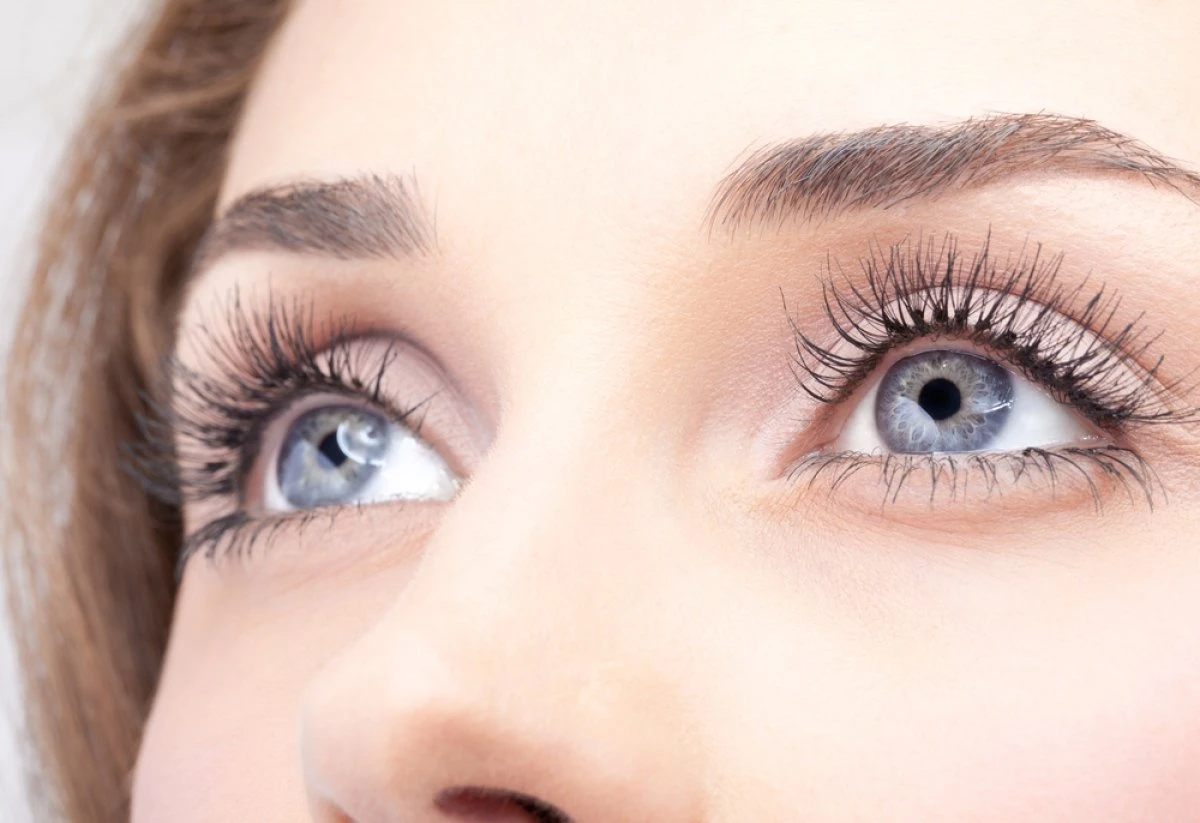
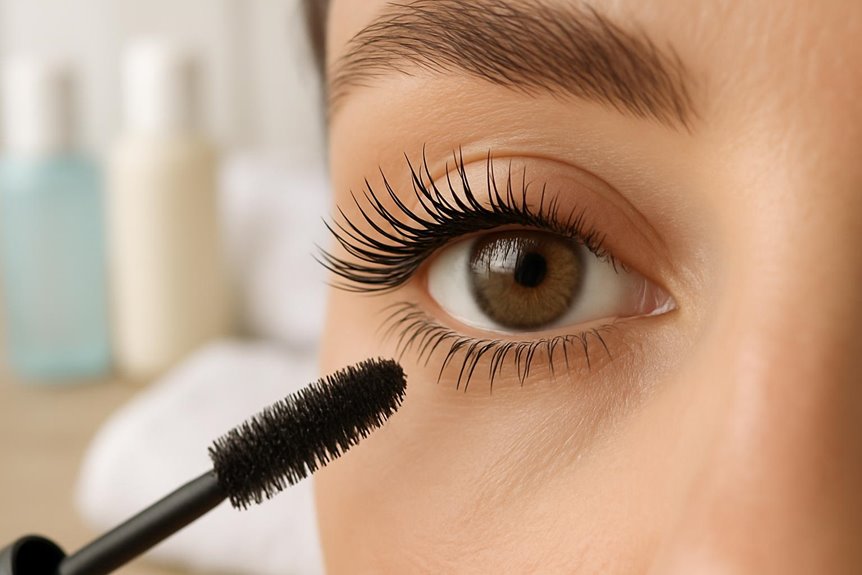
If you have blepharitis, it’s crucial to choose a mascara that’s gentle on your eyes. Opt for products that are hypoallergenic, fragrance-free, ophthalmologist-tested, and ideally water-based for easy removal. Avoid formulations with irritants such as parabens, formaldehyde-releasing preservatives, fragrances, and alcohols. Replace your mascara every three months and refrain from sharing it to prevent bacterial contamination. Look for non-comedogenic and sensitive-eye-specific options from reputable brands.
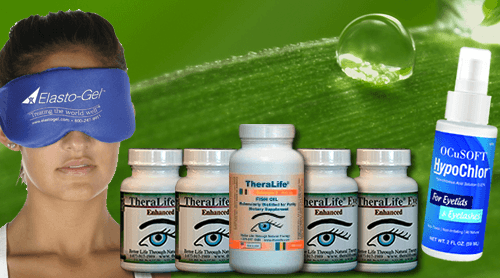
For those seeking comprehensive eye health solutions, TheraLife offers unique oral treatment options, setting them apart as the only company providing such care. Their products are designed to support eyelid health and address various eye conditions from the inside out. Whether dealing with blepharitis, dry eyes, or other eye-related issues, TheraLife’s innovative approach can be a valuable addition to your eye care routine. Proper application and gentle removal of eye makeup remain essential for maintaining optimal eyelid health. Explore more expert tips and product recommendations from TheraLife to enhance your eye care experience.
Best Oral Blepharitis Treatment from TheraLife
Add To Cart
Key Takeaways
- Choose hypoallergenic, ophthalmologist-tested, and fragrance-free mascaras specifically formulated for sensitive eyes.
- Opt for water-based formulas, as they are easier to remove and less likely to leave irritating residue.
- Avoid mascaras containing parabens, formaldehyde-releasing preservatives, alcohol, and synthetic fragrances.
- Replace mascara every three months and never share it to minimize infection risk.
- Consult your eye care professional and monitor for any irritation or allergic reactions after use.
Why People With Blepharitis Need Special Mascara
If you have blepharitis, choosing the right mascara is essential because standard formulations and applicators often exacerbate eyelid inflammation and irritation.
Blepharitis is a chronic eyelid condition characterized by meibomian gland dysfunction, bacterial overgrowth, and compromised tear film stability. Many conventional mascaras contain potentially irritating mascara ingredients such as parabens, fragrance, and certain preservatives that can worsen your symptoms.
These substances may disrupt the delicate periocular skin barrier and contribute to ocular surface disease. Additionally, fiber-based or waterproof mascaras are more difficult to remove, increasing your risk of residue buildup and further inflammation.
For ideal eye health, you should avoid products with harsh chemicals and opt for mascara designed specifically for sensitive eyes. Prioritizing safe mascara ingredients reduces flare-ups and helps maintain ocular surface integrity.
How to Choose the Best Mascara for Blepharitis
When selecting mascara for blepharitis, prioritize formulations labeled as hypoallergenic, ophthalmologist-tested, and fragrance-free to minimize the risk of exacerbating eyelid inflammation. You should seek mascaras specifically designed for sensitive eyes, as these often avoid common irritants like parabens and harsh preservatives. The main mascara formulation benefits include reduced allergenic potential and a lower likelihood of flaking, which can worsen blepharitis symptoms. Water-based formulas are generally easier to remove, decreasing the risk of residue that could contribute to meibomian gland dysfunction. Maintain blepharitis symptoms awareness by monitoring for increased redness, itching, or swelling after use, and discontinue any product that triggers these signs. Always check ingredient lists to avoid known irritants and consult your eye care professional for product compatibility with your condition. Tear film health is critical in maintaining ocular surface integrity and function, which is essential for those with blepharitis.
Best Mascaras for Blepharitis, Recommended by Eye Doctors
Although mascara options for sensitive eyes abound, eye doctors consistently recommend specific products that demonstrate safety and efficacy for individuals with blepharitis. You should look for mascara brands that are ophthalmologist-tested, hypoallergenic, and free from common irritants like parabens, fragrances, and fibers. Clinically, brands such as Almay, Clinique, and Neutrogena frequently top recommendations for their gentle formulations and minimal risk of exacerbating eyelid inflammation. These products support eye health by reducing the risk of clogged meibomian glands and minimizing contact with potential allergens. Always select mascara brands that emphasize non-comedogenic and water-based formulas, as these are less likely to contribute to blepharitis flare-ups. Theralife products are recommended by healthcare professionals for effective management of blepharitis, with studies highlighting improvements in symptoms and meibomian gland function. For best results, replace your mascara every three months to prevent bacterial contamination and preserve ideal eye health.
Is Tubing Mascara Safer Than Traditional for Blepharitis?
You’ll find that tubing mascara offers reduced flaking and smudging, which minimizes debris near the eyelid margin—a key factor in managing blepharitis. Its water-based removal process lessens mechanical irritation and residue, critical in maintaining ocular surface health. Additionally, tubing formulas generally contain fewer potential allergens, lowering the risk of eyelid hypersensitivity reactions. Consistent use of warm compresses can help in improving meibomian gland function, which is essential for effective management of blepharitis.
Reduced Flaking And Smudging
Many ophthalmologists recommend tubing mascaras for individuals with blepharitis because they typically reduce flaking and smudging compared to traditional formulas. You’re less likely to experience particulate matter irritating the eyelid margin, which is vital for maintaining lash health and minimizing inflammation. Tubing mascara forms polymer-based “tubes” around each lash, ensuring mascara longevity throughout the day and minimizing debris that could exacerbate blepharitis symptoms. Regular cleaning and care can significantly reduce flare-ups, especially for those with poor eyelid hygiene, which is a risk factor for blepharitis.
Here’s how the two compare emotionally and clinically:
| Traditional Mascara | Tubing Mascara |
|---|---|
| Frequent smudging | Minimal transfer |
| Flakes worsen discomfort | Less fallout, calmer eyes |
| Shorter mascara longevity | All-day wear, less reapply |
| Residue along lash line | Cleaner lash margins |
| Frustration and irritation | Confidence and comfort |
Opt for tubing mascara to support lash health and avoid unnecessary flare-ups.
Easier Removal Process
Some patients find that removing tubing mascara requires only warm water and gentle pressure, unlike traditional mascaras that often need oil-based removers or vigorous rubbing. For individuals with blepharitis, this difference is clinically significant. Vigorous removal techniques can exacerbate eyelid inflammation and disrupt the delicate meibomian glands. Tubing mascaras, which use gentle formulas, form polymer-based tubes around each lash, allowing you to cleanse your lashes without irritating the eyelid margin. Opt for products containing moisturizing ingredients, as these can help maintain tear film stability and minimize dryness commonly associated with blepharitis. Clinicians often recommend tubing mascaras for patients who report discomfort with standard products. You’ll reduce mechanical trauma and avoid residue accumulation, both of which are essential for maintaining ocular surface health with blepharitis. Additionally, the use of warm compresses can enhance the comfort of makeup removal by promoting circulation and reducing inflammation associated with blepharitis.
Lower Allergen Potential
Curiously, tubing mascaras often claim to pose a lower allergen risk compared to traditional formulas, but current clinical evidence doesn’t support this assumption.
If you have blepharitis, don’t assume tubing mascaras are inherently safer; their polymer-based formulations aren’t necessarily less likely to trigger irritation or allergic reactions.
Instead, focus on products that clearly list all ingredients and prioritize those formulated with natural ingredients, as synthetic additives may heighten sensitivity risks.
Always conduct sensitivity testing by applying a small amount on your forearm before using any new mascara near your eyes.
Consult your ophthalmologist if you experience redness, itching, or swelling.
Ultimately, ingredient transparency and patch testing matter more than the type of mascara when minimizing allergen exposure for blepharitis management.
For those managing blepharitis, using an all-natural eye wash can help maintain clean eyelids and eyelashes, reducing the risk of irritation from mascara use.
Ingredients to Avoid in Mascara If You Have Blepharitis
Because blepharitis involves inflammation of the eyelid margins, you should avoid mascaras containing potential irritants such as parabens, formaldehyde-releasing preservatives (like quaternium-15 and DMDM hydantoin), and fragrance additives. When considering mascara formulation considerations, it’s essential to select products free from ingredients known to exacerbate ocular surface disease. Research indicates that certain chemical agents may trigger hypersensitivity reactions or worsen inflammation in sensitive individuals. Prioritize mascaras that are ophthalmologist-tested and labeled hypoallergenic.
Here are four ingredients to avoid in mascara if you have blepharitis:
- Parabens (e.g., methylparaben, propylparaben)
- Formaldehyde-releasing preservatives (quaternium-15, DMDM hydantoin)
- Fragrance additives (parfum, synthetic scents)
- Alcohol-based compounds (can increase dryness and irritation)
Careful ingredient scrutiny reduces your risk of flare-ups. Awareness of conditions like Mucus Fishing Syndrome can help individuals understand the importance of avoiding irritants that may exacerbate eye conditions.
How to Apply Mascara Safely With Blepharitis
After selecting a mascara free from irritants, focus on meticulous application techniques to minimize the risk of worsening blepharitis symptoms.
Always wash your hands thoroughly before touching your face or mascara wand. Use a clean, sanitized wand for each application to prevent cross-contamination.
Avoid applying mascara directly to the base of your lashes where it can contact the eyelid margin, as this area is particularly sensitive in blepharitis. Instead, start at the mid-length of lashes and sweep outward.
Never share mascara with others, as this increases infection risk. Practice safe product storage by tightly sealing mascara after each use and storing it in a cool, dry environment.
Replace mascara every three months to reduce the likelihood of bacterial growth and ocular irritation. It’s also beneficial to maintain eyelid hygiene with products like Avenova eyelid cleanser to help manage blepharitis effectively.
How to Remove Mascara Gently With Blepharitis
Since improper removal of mascara can exacerbate blepharitis symptoms, use a gentle, oil-free eye makeup remover specifically formulated for sensitive eyes.
Select products that are fragrance-free and ophthalmologist-tested to minimize irritation. Employ gentle techniques to avoid friction, which could disrupt the delicate eyelid margin and worsen inflammation. Use soothing products containing ingredients like aloe vera or chamomile to reduce redness and support barrier function.
Regular eyelid hygiene is essential to reduce bacterial growth contributing to blepharitis and should be a part of your daily routine.
Follow these evidence-based steps for ideal removal:
- Saturate a sterile cotton pad with a soothing, oil-free remover.
- Hold the pad gently against your closed eyelid for 10–15 seconds to dissolve mascara.
- Wipe downward in a single motion, avoiding rubbing or scrubbing.
- Rinse the eyelid area with cool, sterile water to remove residue.
These steps protect ocular surfaces and minimize blepharitis flare-ups.
Eye Hygiene Tips for Makeup Wearers With Blepharitis
To minimize blepharitis flare-ups, you should follow a strict daily makeup removal routine and thoroughly disinfect brushes and applicators.
Consistently select hypoallergenic, ophthalmologist-tested products to reduce ocular surface irritation.
These strategies help maintain periocular hygiene and support eyelid margin health.
Daily Makeup Removal Routine
A consistent and meticulous daily makeup removal routine considerably reduces blepharitis flare-ups and maintains ocular surface health.
For individuals with blepharitis, it’s crucial to integrate proper makeup removal into your daily skincare to protect eyelash health and minimize inflammation.
Use clinically approved, non-irritating eye makeup removers to prevent chemical irritation and debris accumulation along the lid margin.
- Choose an oil-free, hypoallergenic eye makeup remover: Prevents exacerbation of meibomian gland dysfunction.
- Utilize sterile cotton pads or lint-free wipes: Reduces risk of particulate contamination and mechanical irritation.
- Gently cleanse the eyelid margin and lashes: Removes residual mascara and prevents biofilm buildup.
- Finish by rinsing with preservative-free saline or sterile water: Guarantees complete removal of cleansing agents and allergens.
Prioritizing this routine supports ocular comfort and eyelash health.
Brush and Tool Sanitation
Maintaining rigorous brush and tool sanitation plays a pivotal role in controlling blepharitis symptoms for makeup wearers. You should prioritize routine brush cleaning at least once per week to minimize bacterial colonization and debris accumulation.
Use a gentle, fragrance-free cleanser and lukewarm water to thoroughly remove residual mascara and skin oils. For tool disinfection, opt for medical-grade alcohol or a specialized makeup brush disinfectant, ensuring thorough coverage of all bristles and handles. Allow brushes and tools to air dry fully before reuse to prevent microbial growth.
Avoid sharing makeup tools, as this increases the risk of cross-contamination. By implementing strict brush cleaning and tool disinfection protocols, you’ll greatly reduce the likelihood of flare-ups, supporting ocular surface health and mitigating the risks associated with blepharitis.
Hypoallergenic Product Selection
When selecting mascara for blepharitis-prone eyes, prioritize hypoallergenic formulations that explicitly state they’re ophthalmologist-tested and free from common irritants such as fragrance, parabens, and formaldehyde-releasing preservatives.
This approach minimizes the risk of triggering inflammation or worsening symptoms in sensitive skin. Evidence supports choosing products with natural ingredients, as synthetic chemicals frequently provoke ocular irritation.
Always inspect product labels to confirm the absence of allergenic compounds and consider brands with a clinical reputation for safety.
Here are four key points to guide your selection process:
- Choose mascaras labeled “hypoallergenic” and “ophthalmologist-tested.”
- Avoid formulas containing fragrance, parabens, or formaldehyde-releasing agents.
- Opt for products with natural ingredients suitable for sensitive skin.
- Review ingredient lists for potential irritants before application.
When to Avoid Mascara If You Have Blepharitis
If your blepharitis flares up with increased redness, swelling, or discharge, you shouldn’t apply mascara, as doing so can worsen inflammation and introduce bacteria to the eyelid margin.
During active symptoms, your eyelid glands are compromised, making them more susceptible to infection and irritation. Clinically, ophthalmologists recommend discontinuing all eye makeup, including mascara, until symptoms resolve.
This reduces the risk of exacerbating the condition or causing styes and conjunctivitis. Instead, focus on ideal eye care—practice diligent lid hygiene with warm compresses and prescribed cleansers.
Consider mascara alternatives such as clear lashes or hypoallergenic lash serums while healing. Resume mascara only after your blepharitis is fully controlled and always replace old products to minimize contamination risk.
Your ocular health should take priority.
Best Oral Blepharitis Treatment from TheraLife
Add To Cart
Frequently Asked Questions
Can Mascara Make Blepharitis Symptoms Worse Over Time?
Yes, using mascara can worsen blepharitis symptoms over time, especially if it contains harsh mascara ingredients like parabens, fragrances, or preservatives that irritate eyelid margins.
You should prioritize your eye health by choosing hypoallergenic, ophthalmologist-tested formulas and avoiding waterproof products that are harder to remove.
Replace mascara frequently—every three months—and never share it.
Always remove makeup thoroughly each night to minimize bacterial buildup and reduce inflammation risk.
Are There Hypoallergenic Mascaras Specifically for Sensitive Eyelids?
Steering through mascara options can feel like searching for a safe harbor in a storm when you have sensitive eyelids.
Yes, you’ll find hypoallergenic mascaras formulated with gentle, non-irritating hypoallergenic ingredients specifically for sensitive eyelids.
Choose products labeled ophthalmologist-tested and free from common allergens like fragrance, parabens, and harsh preservatives.
Clinical evidence suggests these hypoallergenic formulas can reduce the risk of irritation or flare-ups, making them a precise choice for sensitive eyes.
How Often Should I Replace My Mascara With Blepharitis?
You should replace your mascara every 4 to 6 weeks to minimize bacterial contamination and support eyelid hygiene, especially with blepharitis.
Shortening the mascara lifespan reduces the risk of exacerbating inflammation or infection. Evidence suggests old mascara can harbor bacteria, which may worsen your symptoms.
Always close the tube tightly, avoid sharing products, and discard immediately if you notice changes in texture, smell, or if you’ve had any recent eye infection.
Can I Wear Mascara During a Blepharitis Flare-Up?
You shouldn’t wear mascara during a blepharitis flare-up.
Applying mascara can introduce bacteria and worsen inflammation, compromising effective blepharitis management strategies. Prioritize eyelid hygiene and allow your eyes to heal.
For mascara safety tips, always use hypoallergenic, ophthalmologist-tested products and discard old makeup regularly.
Consult your eye care provider before resuming use. These steps support ideal ocular surface health and minimize the risk of exacerbating your blepharitis symptoms.
What Are Some Natural Alternatives to Mascara for Sensitive Eyes?
Think of your lashes as a delicate garden—you want to nourish, not overwhelm.
For sensitive eye care, swap conventional mascara for natural eyelash enhancers like castor oil or aloe vera gel, which promote lash health and thickness. Clinical studies suggest these oils reduce irritation and support follicle strength.
You can also try tinting with mineral-based powders. Always patch test first to minimize allergic reactions and keep your sensitive eyes calm and comfortable.
Conclusion
If you think you have to give up mascara due to blepharitis, TheraLife’s unique oral eye treatment care can help you manage symptoms without sacrificing your beauty routine. As the only company offering this specialized form of treatment, TheraLife provides products that are designed to support ocular health from the inside out. Their hypoallergenic, ophthalmologist-tested, and fragrance-free formulas are ideal for those with sensitive eyes. By incorporating TheraLife’s products, you can maintain strict eyelid hygiene, avoid common irritants, and never have to share products. Ultimately, TheraLife empowers you to take control of your comfort and ocular health, allowing you to express yourself confidently. Don’t let blepharitis dictate your confidence—choose TheraLife for the right products and careful routines to protect your vision and self-expression.
References
- 1.
- Putnam CM. Diagnosis and management of blepharitis: an optometrist’s perspective. Clin Optom (Auckl). 2016;8:71-78. [PMC free article] [PubMed]
- 2.
- Huggins AB, Carrasco JR, Eagle RC. MEN 2B masquerading as chronic blepharitis and euryblepharon. Orbit. 2019 Dec;38(6):514-518. [PubMed]
- 3.
- Dietrich-Ntoukas T. [Chronic Blepharitis]. Klin Monbl Augenheilkd. 2022 Nov;239(11):1381-1393. [PubMed]
- 4.
- Rodriguez-Garcia A, Loya-Garcia D, Hernandez-Quintela E, Navas A. Risk factors for ocular surface damage in Mexican patients with dry eye disease: a population-based study. Clin Ophthalmol. 2019;13:53-62. [PMC free article] [PubMed]
- 5.
- Choi FD, Juhasz MLW, Atanaskova Mesinkovska N. Topical ketoconazole: a systematic review of current dermatological applications and future developments. J Dermatolog Treat. 2019 Dec;30(8):760-771. [PubMed]
- 6.
- Tavassoli S, Wong N, Chan E. Ocular manifestations of rosacea: A clinical review. Clin Exp Ophthalmol. 2021 Mar;49(2):104-117. [PubMed]
- 7.
- Lin A, Ahmad S, Amescua G, Cheung AY, Choi DS, Jhanji V, Mian SI, Rhee MK, Viriya ET, Mah FS, Varu DM., American Academy of Ophthalmology Preferred Practice Pattern Cornea/External Disease Panel. Blepharitis Preferred Practice Pattern®. Ophthalmology. 2024 Apr;131(4):P50-P86. [PubMed]
- 8.
- Ozkan J, Willcox MD. The Ocular Microbiome: Molecular Characterisation of a Unique and Low Microbial Environment. Curr Eye Res. 2019 Jul;44(7):685-694. [PubMed]
- 9.
- Khoo P, Ooi KG, Watson S. Effectiveness of pharmaceutical interventions for meibomian gland dysfunction: An evidence-based review of clinical trials. Clin Exp Ophthalmol. 2019 Jul;47(5):658-668. [PubMed]
- 10.
- Soh Qin R, Tong Hak Tien L. Healthcare delivery in meibomian gland dysfunction and blepharitis. Ocul Surf. 2019 Apr;17(2):176-178. [PubMed]
- 11.
- Fromstein SR, Harthan JS, Patel J, Opitz DL. Demodex blepharitis: clinical perspectives. Clin Optom (Auckl). 2018;10:57-63. [PMC free article] [PubMed]
- 12.
- Romanowski JE, Nayyar SV, Romanowski EG, Jhanji V, Shanks RMQ, Kowalski RP. Speciation and Antibiotic Susceptibilities of Coagulase Negative Staphylococci Isolated from Ocular Infections. Antibiotics (Basel). 2021 Jun 16;10(6) [PMC free article] [PubMed]
- 13.
- Wolf R, Orion E, Tüzün Y. Periorbital (eyelid) dermatides. Clin Dermatol. 2014 Jan-Feb;32(1):131-40. [PubMed]
- 14.
- Chioveanu FG, Niculet E, Torlac C, Busila C, Tatu AL. Beyond the Surface: Understanding Demodex and Its Link to Blepharitis and Facial Dermatoses. Clin Ophthalmol. 2024;18:1801-1810. [PMC free article] [PubMed]
- 15.
- Sandford EC, Muntz A, Craig JP. Therapeutic potential of castor oil in managing blepharitis, meibomian gland dysfunction and dry eye. Clin Exp Optom. 2021 Apr;104(3):315-322. [PubMed]
- 16.
- Rhee MK, Yeu E, Barnett M, Rapuano CJ, Dhaliwal DK, Nichols KK, Karpecki P, Mah FS, Chan A, Mun J, Gaddie IB. Demodex Blepharitis: A Comprehensive Review of the Disease, Current Management, and Emerging Therapies. Eye Contact Lens. 2023 Aug 01;49(8):311-318. [PMC free article] [PubMed]
- 17.
- Lemp MA, Nichols KK. Blepharitis in the United States 2009: a survey-based perspective on prevalence and treatment. Ocul Surf. 2009 Apr;7(2 Suppl):S1-S14. [PubMed]
- 18.
- Schaumberg DA, Nichols JJ, Papas EB, Tong L, Uchino M, Nichols KK. The international workshop on meibomian gland dysfunction: report of the subcommittee on the epidemiology of, and associated risk factors for, MGD. Invest Ophthalmol Vis Sci. 2011 Mar;52(4):1994-2005. [PMC free article] [PubMed]
- 19.
- Viso E, Rodríguez-Ares MT, Abelenda D, Oubiña B, Gude F. Prevalence of asymptomatic and symptomatic meibomian gland dysfunction in the general population of Spain. Invest Ophthalmol Vis Sci. 2012 May 04;53(6):2601-6. [PubMed]
- 20.
- Rim TH, Kang MJ, Choi M, Seo KY, Kim SS. Ten-year incidence and prevalence of clinically diagnosed blepharitis in South Korea: a nationwid