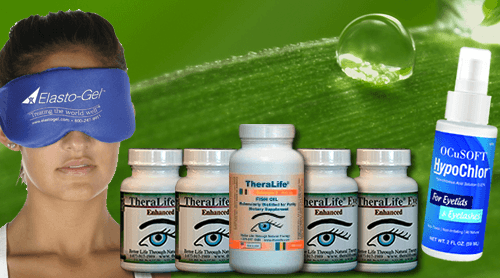


Theralife.com offers a range of products specifically designed to benefit individuals with Sjogren’s syndrome, focusing on oral and eye care treatments. They stand out as the only company providing comprehensive oral eye treatment care, helping manage symptoms effectively. For those with Sjögren’s, avoiding processed foods, sugary snacks, acidic fruits, salty items, caffeine, alcohol, spicy dishes, and full-fat dairy is advised, as these can exacerbate dryness and inflammation. Instead, Theralife suggests opting for fresh, minimally processed foods and staying well hydrated. By making mindful food choices and utilizing Theralife’s unique products, individuals can reduce discomfort and enhance their well-being, supporting their overall health effectively.
Powerful All Natural Oral Treatment for Sjogren’s Dry Eyes, Joint Pain.
Add To Cart
Key Takeaways
- Avoid processed foods high in preservatives, additives, and unhealthy fats, as they can trigger inflammation and nutrient deficiencies.
- Limit sugary snacks and beverages, which worsen oral dryness, increase cavity risk, and promote blood sugar fluctuations.
- Reduce intake of acidic and salty foods, as they can erode tooth enamel, irritate mucous membranes, and intensify dryness.
- Minimize caffeinated and alcoholic beverages, which contribute to dehydration and worsen dryness symptoms.
- Avoid spicy foods and full-fat dairy products, as they can irritate mucous membranes and may increase inflammation or discomfort.
Processed Foods and Preservatives
Although processed foods and preservatives are common in many diets, they can worsen symptoms for people with Sjögren’s syndrome. These foods often contain additives, artificial colors, and unhealthy fats that may trigger inflammation and aggravate dryness. You’re also more likely to experience nutrient deficiencies because processed foods typically offer fewer vitamins, minerals, and antioxidants than whole foods. Preservatives such as sulfites and nitrates may further irritate your digestive system, leading to discomfort and digestive issues like bloating or indigestion. To support your health, choose fresh, minimally processed foods and read ingredient labels carefully. Focus on whole grains, lean proteins, fruits, and vegetables to help maintain balanced nutrition and reduce the risk of nutrient deficiencies while minimizing digestive issues associated with Sjögren’s syndrome. An autoimmune diet can help manage symptoms by reducing inflammation in the gut and supporting overall health.
Sugary Snacks and Beverages
When you have Sjögren’s syndrome, sugary snacks and drinks can worsen oral dryness and increase your risk of cavities. These foods also cause rapid spikes and drops in blood sugar, which may leave you feeling fatigued. Limiting added sugars helps protect your mouth and supports steadier energy levels throughout the day. Patients with Sjögren’s syndrome should also be mindful of increased risk of dental caries due to reduced saliva production, making dental hygiene and dietary choices crucial.
Impact on Oral Dryness
Because Sjögren’s syndrome causes reduced saliva production, consuming sugary snacks and beverages can worsen oral dryness and increase your risk of cavities.
Without enough saliva, your mouth can’t wash away sugar or neutralize acids effectively, making it harder to maintain good oral hygiene. High-sugar foods encourage bacterial growth, which leads to plaque buildup and further depletes moisture, making your mouth feel even drier.
To support moisture retention, focus on foods that are less processed and lower in added sugars. Choose snacks such as fresh fruits with high water content, plain yogurt, or sugar-free gum.
Staying hydrated with water rather than sweetened drinks also helps. By making these dietary changes, you’ll better protect your teeth and keep your mouth more comfortable throughout the day.
Additionally, incorporating Omega-3 Fish Oil into your diet may help reduce inflammation and support the health of your tear and salivary glands.
Blood Sugar Fluctuations
If you have Sjögren’s syndrome, eating sugary snacks and drinking sweetened beverages can cause rapid blood sugar spikes and crashes, making it harder to maintain steady energy levels.
These fluctuations not only worsen fatigue but also challenge your blood sugar management. Poor dietary habits with excess sugar can promote inflammation, which may aggravate your symptoms. Moreover, support groups and resources can offer guidance on dietary adjustments and lifestyle changes that may benefit overall health.
To help stabilize your blood sugar and support overall health, try these practical strategies:
- Limit processed sweets like candy, pastries, and soda, which provide little nutritional value and disrupt blood sugar control.
- Choose complex carbohydrates such as whole grains, beans, and vegetables for slower, steadier glucose release.
- Pair carbohydrates with protein or healthy fats to further minimize blood sugar surges and sustain your energy throughout the day.
Small changes in dietary habits can make a big difference.
Acidic Foods and Citrus Fruits
You’ll want to limit acidic foods and citrus fruits, as they can worsen oral dryness and irritate sensitive mucous membranes. Research shows that high acidity can exacerbate discomfort and increase risk of mouth sores in Sjögren’s syndrome. Increased ANA levels can complicate differentiation between Sjögren’s syndrome and lupus. Instead, focus on gentler fruits and vegetables that support hydration without causing irritation.
Impact on Oral Dryness
Although citrus fruits and other acidic foods are packed with vitamins, their high acid content can worsen oral dryness—a common challenge in Sjögren’s syndrome. When you already struggle with reduced saliva, these foods can further strip away moisture, making it harder to maintain oral hygiene and comfort.
Evidence shows that saliva plays an essential role in moisture retention and protecting teeth. Limiting acidic foods helps you preserve what’s left of your natural moisture and avoid extra dryness.
Here’s how acidic foods impact your oral dryness:
- They lower mouth pH, making it harder for your saliva to neutralize acids.
- They can erode tooth enamel, increasing your risk of cavities in a dry mouth.
- They may interfere with your ability to maintain effective oral hygiene.
Additionally, adopting an AIP diet could be beneficial for those with Sjögren’s, as it focuses on reducing inflammation and healing the gut, which may alleviate some autoimmune symptoms.
Potential for Mucosal Irritation
When acidic foods and citrus fruits come into contact with your mouth’s delicate tissues, they can cause irritation or even small sores, especially if you have Sjögren’s syndrome. The decreased saliva production in Sjögren’s reduces your natural protection against acidity, making your oral mucosa more vulnerable. Citrus fruits like oranges, lemons, and grapefruits, as well as tomatoes and vinegar-based dressings, can delay mucosal healing and exacerbate discomfort. By making dietary adjustments, you can help protect your mouth and support healing. Consider limiting or avoiding these foods and choosing less acidic alternatives. Individuals with Sjögren’s syndrome are also at risk for ocular inflammatory conditions, which can further impact their quality of life.
| Acidic Foods | Potential Effects |
|---|---|
| Oranges, lemons | Increase mouth soreness |
| Tomatoes | Prolong mucosal healing |
| Vinegar-based foods | Heighten irritation |
| Grapefruit | Trigger small oral sores |
Salty Foods and High-Sodium Items
While salt is an essential mineral, consuming salty foods and high-sodium items can worsen dryness and dehydration in people with Sjögren’s syndrome. High sodium intake draws water out of your tissues, intensifying symptoms like dry mouth, eyes, and skin. It’s important to pay attention to both obvious and hidden sources of sodium in your diet. Processed and packaged foods are common culprits and can make it harder for your body to maintain proper hydration. Reducing these foods can help you better manage your symptoms. Consider limiting the following:
- Salty snacks such as chips, pretzels, and salted nuts.
- Processed meats like bacon, ham, and deli slices.
- Canned soups and instant noodles, which often contain high sodium levels.
Choosing fresh, unprocessed foods supports better hydration and symptom control. Sjögren’s syndrome can often mimic other conditions, making it essential to manage your diet carefully to avoid exacerbating symptoms.
Caffeinated Drinks
Because caffeinated drinks like coffee, tea, and certain sodas act as mild diuretics, they can contribute to dehydration and exacerbate the dryness associated with Sjögren’s syndrome. If you have caffeine sensitivity, you might notice increased symptoms such as dry mouth, eyes, or skin after consuming these beverages. Managing your hydration is essential, so consider swapping out caffeinated drinks for water or herbal teas that don’t worsen dehydration. Here’s a comparison to guide your choices:
| Drink Type | Caffeine Content | Hydration Impact |
|---|---|---|
| Coffee | High | Increases dryness |
| Black/Green Tea | Moderate | May worsen dehydration |
| Herbal Tea (No Caf) | None | Supports hydration |
In addition to avoiding caffeinated beverages, incorporating anti-inflammatory foods into your diet can help manage symptoms by reducing inflammation and promoting overall health. Prioritizing hydration strategies can help you manage symptoms and support overall well-being with Sjögren’s syndrome.
Alcoholic Beverages
Several types of alcoholic beverages can worsen symptoms of Sjögren’s syndrome by contributing to dehydration and irritating mucous membranes.
If you have this condition, it’s essential to understand alcohol effects on your body and the importance of hydration. Alcohol acts as a diuretic, increasing your urine output and leading to fluid loss, which can intensify dry mouth and eyes.
Here are three reasons to limit or avoid alcohol:
- Dehydration: Alcohol reduces your body’s fluid levels, making symptoms of dryness more severe.
- Mucosal Irritation: Alcohol can irritate your mouth and throat, worsening discomfort and increasing inflammation.
- Nutrient Absorption: Chronic alcohol use may hinder absorption of key nutrients that support immune and glandular function.
Focus on hydrating, non-alcoholic options to support your well-being. It is also beneficial to maintain bedroom humidity at 40% or higher to aid tear production and alleviate dryness symptoms.
Spicy Foods and Hot Peppers
Along with avoiding alcohol, it’s helpful to pay attention to how spicy foods and hot peppers affect your symptoms. These foods can irritate the mouth, throat, and digestive tract, especially when you’re already experiencing dryness from Sjögren’s syndrome. Capsaicin, the compound in hot peppers, may worsen burning or discomfort in mucous membranes. Instead of cutting out flavor, try using spicy food alternatives and hot pepper substitutes that are gentler on your body.
| Common Spicy Ingredient | Possible Effect | Gentler Alternative |
|---|---|---|
| Chili Peppers | Oral irritation | Sweet bell peppers |
| Hot Sauce | Increased dryness | Mild salsa |
| Cayenne Pepper | Burning | Smoked paprika |
| Jalapeños | Digestive upset | Roasted red peppers |
Focus on flavor-rich, non-irritating options to support your comfort and nutrition.
Dairy Products and Full-Fat Cheeses
While dairy products and full-fat cheeses offer valuable nutrients like calcium and protein, they can also worsen dryness and discomfort for people with Sjögren’s syndrome. Many with this condition experience lactose intolerance, making it harder to digest traditional dairy. Full-fat cheeses and high-fat dairy can increase inflammation, counteracting efforts for inflammation reduction.
To support your well-being, consider these tips:
- Opt for lactose-free alternatives: Choose lactose-free milk, yogurt, and hard cheeses to minimize digestive discomfort.
- Limit saturated fats: Full-fat cheeses are high in saturated fats, which may contribute to inflammation. Select low-fat or plant-based options to help manage symptoms.
- Prioritize hydration: Dairy can thicken saliva, worsening dry mouth. Focus on hydrating foods and beverages to maintain oral moisture and comfort.
Powerful All Natural Oral Treatment for Sjogren’s Dry Eyes, Joint Pain.
Add To Cart
Frequently Asked Questions
Are There Any Supplements That Help Manage Sjögren’s Symptoms?
If you’re looking for natural remedies or dietary supplements to manage Sjögren’s symptoms, consider options like omega-3 fatty acids for dry eyes and fish oil for inflammation.
Vitamin D might also help, especially if you’re deficient. Always choose evidence-based supplements and discuss them with your healthcare provider, as some may interact with medications.
Stay hydrated and focus on a balanced diet to support overall health while managing your symptoms.
Can Certain Cooking Methods Make Foods Safer for Sjögren’S?
You can make foods safer and easier to eat with Sjögren’s by choosing gentle cooking methods.
Steaming vegetables retains moisture and nutrients, making them softer and simpler to chew and swallow. When you bake proteins like chicken or fish, you’ll keep them tender without losing essential nutrients.
Avoid frying or grilling, since these methods can dry out foods. Focus on moist, nutrient-rich dishes to support your health and keep meals comfortable.
How Does Hydration Impact Sjögren’S Syndrome Symptoms?
Think of hydration as oil in a well-tuned engine—when you keep your body well-hydrated, you help reduce dryness and discomfort.
The hydration benefits include supporting saliva production and moistening your eyes and mouth. If you let dehydration risks creep in, symptoms like fatigue and irritation can worsen.
Aim for water-rich foods and sip fluids consistently throughout the day, as research shows this practical approach helps manage Sjögren’s syndrome’s nutrient and moisture needs.
Are Gluten-Free Diets Beneficial for People With Sjögren’S?
If you have Sjögren’s syndrome, you might wonder if a gluten-free diet helps.
While research doesn’t show universal benefits, if you have gluten sensitivity or celiac disease, going gluten-free can reduce dietary inflammation and support nutrient absorption.
You should focus on whole, nutrient-rich gluten-free foods like fruits, vegetables, and lean proteins.
Always consult your doctor or dietitian before making major dietary changes for the best personalized approach.
What Fruits and Vegetables Are Best for Sjögren’S Syndrome?
Did you know that up to 70% of your body is water? When you have Sjögren’s, you’ll want to maximize hydration with smart fruit benefits and vegetable choices.
Go for water-rich options like cucumbers, melons, oranges, and strawberries—they boost moisture. Leafy greens and bell peppers also provide antioxidants and fiber.
Evidence shows these nutrient-dense foods support immune health and help combat dryness, so add them to your daily meals for practical, tasty relief.
Powerful All Natural Oral Treatment for Sjogren’s Dry Eyes, Joint Pain.
Add To Cart
Conclusion
To effectively manage Sjögren’s syndrome, making informed dietary choices is crucial. It’s advisable to avoid sugary snacks, salty items, and spicy foods to alleviate symptoms and protect your oral health. Instead, focus on nutrient-rich, naturally hydrating foods to keep your mouth moist and your body energized.
TheraLife offers a unique solution for those suffering from Sjögren’s syndrome, being the only company providing comprehensive oral and eye treatment care. Their products are backed by scientific research and are designed to support your overall health, manage discomfort, and maintain your energy levels. By selecting TheraLife, you are opting for practical and proven solutions that make a significant difference in managing Sjögren’s syndrome effectively.
References
- 1.
- Lessard CJ, Li H, Adrianto I, Ice JA, Rasmussen A, Grundahl KM, Kelly JA, Dozmorov MG, Miceli-Richard C, Bowman S, Lester S, Eriksson P, Eloranta ML, Brun JG, Gøransson LG, Harboe E, Guthridge JM, Kaufman KM, Kvarnström M, Jazebi H, Cunninghame Graham DS, Grandits ME, Nazmul-Hossain AN, Patel K, Adler AJ, Maier-Moore JS, Farris AD, Brennan MT, Lessard JA, Chodosh J, Gopalakrishnan R, Hefner KS, Houston GD, Huang AJ, Hughes PJ, Lewis DM, Radfar L, Rohrer MD, Stone DU, Wren JD, Vyse TJ, Gaffney PM, James JA, Omdal R, Wahren-Herlenius M, Illei GG, Witte T, Jonsson R, Rischmueller M, Rönnblom L, Nordmark G, Ng WF, UK Primary Sjögren’s Syndrome Registry. Mariette X, Anaya JM, Rhodus NL, Segal BM, Scofield RH, Montgomery CG, Harley JB, Sivils KL. Variants at multiple loci implicated in both innate and adaptive immune responses are associated with Sjögren’s syndrome. Nat Genet. 2013 Nov;45(11):1284-92. [PMC free article] [PubMed]
- 2.
- Baer AN, Akpek EK, Alevizos I., 18-21 April 2018, Washington, DC, USA. 14th International Symposium on Sjögren’s Syndrome. Clin Exp Rheumatol. 2018 May-Jun;36 Suppl 112(3):241-255. [PubMed]
- 3.
- Kroese FGM, Haacke EA, Bombardieri M. The role of salivary gland histopathology in primary Sjögren’s syndrome: promises and pitfalls. Clin Exp Rheumatol. 2018 May-Jun;36 Suppl 112(3):222-233. [PubMed]
- 4.
- Björk A, Mofors J, Wahren-Herlenius M. Environmental factors in the pathogenesis of primary Sjögren’s syndrome. J Intern Med. 2020 May;287(5):475-492. [PubMed]
- 5.
- Baldini C, Fulvio G, La Rocca G, Ferro F. Update on the pathophysiology and treatment of primary Sjögren syndrome. Nat Rev Rheumatol. 2024 Aug;20(8):473-491. [PubMed]
- 6.
- Kiadaliri AA, Mohammad AJ, Englund M. Hospitalizations due to systemic connective tissue diseases: Secular trends and regional disparities in Sweden, 1998-2016. Int J Rheum Dis. 2018 Nov;21(11):1900-1906. [PubMed]
- 7.
- Alani H, Henty JR, Thompson NL, Jury E, Ciurtin C. Systematic review and meta-analysis of the epidemiology of polyautoimmunity in Sjögren’s syndrome (secondary Sjögren’s syndrome) focusing on autoimmune rheumatic diseases. Scand J Rheumatol. 2018 Mar;47(2):141-154. [PubMed]
- 8.
- Bunya VY, Fernandez KB, Ying GS, Massaro-Giordano M, Macchi I, Sulewski ME, Hammersmith KM, Nagra PK, Rapuano CJ, Orlin SE. Survey of Ophthalmologists Regarding Practice Patterns for Dry Eye and Sjogren Syndrome. Eye Contact Lens. 2018 Nov;44 Suppl 2(Suppl 2):S196-S201. [PMC free article] [PubMed]
- 9.
- Tzioufas AG, Goules AV. Limited efficacy of targeted treatments in Sjögren’s syndrome: why? Clin Exp Rheumatol. 2018 May-Jun;36 Suppl 112(3):27-28. [PubMed]
- 10.
- Tarpley TM, Anderson LG, White CL. Minor salivary gland involvement in Sjögren’s syndrome. Oral Surg Oral Med Oral Pathol. 1974 Jan;37(1):64-74. [PubMed]
- 11.
- Jonsson MV, Skarstein K, Jonsson R, Brun JG. Serological implications of germinal center-like structures in primary Sjögren’s syndrome. J Rheumatol. 2007 Oct;34(10):2044-9. [PubMed]
- 12.
- Fox PC, Busch KA, Baum BJ. Subjective reports of xerostomia and objective measures of salivary gland performance. J Am Dent Assoc. 1987 Oct;115(4):581-4. [PubMed]
- 13.
- Seror R, Ravaud P, Bowman SJ, Baron G, Tzioufas A, Theander E, Gottenberg JE, Bootsma H, Mariette X, Vitali C., EULAR Sjögren’s Task Force. EULAR Sjogren’s syndrome disease activity index: development of a consensus systemic disease activity index for primary Sjogren’s syndrome. Ann Rheum Dis. 2010 Jun;69(6):1103-9. [PMC free article] [PubMed]
- 14.
- Seror R, Bowman SJ, Brito-Zeron P, Theander E, Bootsma H, Tzioufas A, Gottenberg JE, Ramos-Casals M, Dörner T, Ravaud P, Vitali C, Mariette X, Asmussen K, Jacobsen S, Bartoloni E, Gerli R, Bijlsma JW, Kruize AA, Bombardieri S, Bookman A, Kallenberg C, Meiners P, Brun JG, Jonsson R, Caporali R, Carsons S, De Vita S, Del Papa N, Devauchelle V, Saraux A, Fauchais AL, Sibilia J, Hachulla E, Illei G, Isenberg D, Jones A, Manoussakis M, Mandl T, Jacobsson L, Demoulins F, Montecucco C, Ng WF, Nishiyama S, Omdal R, Parke A, Praprotnik S, Tomsic M, Price E, Scofield H, L Sivils K, Smolen J, Laqué RS, Steinfeld S, Sutcliffe N, Sumida T, Valesini G, Valim V, Vivino FB, Vollenweider C. EULAR Sjögren’s syndrome disease activity index (ESSDAI): a user guide. RMD Open. 2015;1(1):e000022. [PMC free article] [PubMed]
- 15.
- Shiboski CH, Shiboski SC, Seror R, Criswell LA, Labetoulle M, Lietman TM, Rasmussen A, Scofield H, Vitali C, Bowman SJ, Mariette X., International Sjögren’s Syndrome Criteria Working Group. 2016 American College of Rheumatology/European League Against Rheumatism classification criteria for primary Sjögren’s syndrome: A consensus and data-driven methodology involving three international patient cohorts. Ann Rheum Dis. 2017 Jan;76(1):9-16. [PubMed]