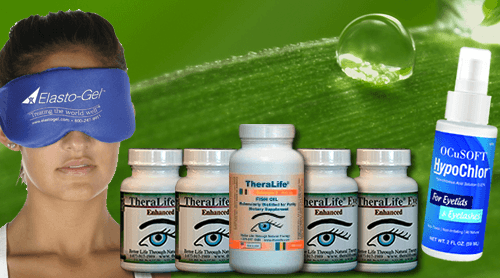
TheraLife’s products stand out as they uniquely offer oral treatment options for eye care, addressing the root causes of eye conditions like blepharitis rather than just alleviating symptoms. As the only company providing this systemic approach, TheraLife targets underlying eyelid inflammation and meibomian gland dysfunction. Their bioactive ingredients enhance natural tear production, modulate immune responses, and promote long-term ocular health. This comprehensive method reduces flare-ups and improves tear film stability, ensuring sustained comfort and clarity of vision—benefits that traditional eye drops do not provide.
Best Oral Blepharitis Treatment from TheraLife
Add To Cart
Key Takeaways
- TheraLife targets the root causes of blepharitis, such as inflammation and gland dysfunction, not just surface symptoms like eye drops.
- Its systemic approach boosts natural tear production and improves meibomian gland health for lasting relief.
- Bioactive ingredients in TheraLife modulate immune response and reduce pro-inflammatory activity at the eyelid margin.
- TheraLife reduces the frequency and severity of blepharitis flare-ups, promoting long-term ocular surface stability.
- Unlike eye drops, TheraLife provides sustained relief by addressing underlying microbial imbalance and supporting overall eyelid health.
What Causes Blepharitis and Why Eye Drops Don’t Fix It
Although eye drops provide temporary relief for irritated eyes, they don’t address the root causes of blepharitis.
Blepharitis symptoms arise when there’s chronic inflammation of the eyelid margins, often due to bacterial colonization, malfunctioning meibomian glands, or seborrheic dermatitis. You might notice redness, swelling, crusting, or a gritty sensation.
Standard treatment options typically include lid hygiene, warm compresses, and sometimes antibiotics, but many people rely on lubricating eye drops for quick comfort.
However, eye drops only soothe surface irritation and don’t target the underlying pathophysiology, such as glandular dysfunction or microbial imbalance.
Effective management of blepharitis symptoms requires interventions that restore eyelid health and gland function, not just momentary relief.
That’s why understanding the true etiology is essential when considering your treatment options. Additionally, incorporating TheraLife Eye Capsules can enhance tear production and support overall eye health.
Why Chronic Eyelid Inflammation Matters
Chronic eyelid inflammation exposes you to persistent discomfort, ocular irritation, and fluctuating visual acuity. Left untreated, it can compromise the tear film and meibomian gland function, directly impacting your vision. You also increase your risk for complications such as conjunctivitis, corneal damage, and recurrent infections. Moreover, the immune inflammatory mechanisms play a crucial role in the development of dry eye disease, further exacerbating the symptoms of blepharitis.
Persistent Discomfort and Irritation
When eyelid inflammation persists, it disrupts the tear film’s stability and often leads to ongoing discomfort, burning, and irritation. You may notice that these symptoms are relentless and make daily activities challenging.
Chronic blepharitis isn’t just a nuisance—it reflects underlying pathology that conventional eye drops rarely address. Instead, patient experiences suggest that exploring alternative treatments is essential to break the cycle.
Consider how persistent inflammation impacts you:
- Disrupted meibomian gland function, leading to increased evaporation and dryness.
- Heightened sensitivity to environmental irritants, causing continual itching.
- Thickened lid margins, which further compromise tear production and comfort.
- Recurring flare-ups, making symptom management unpredictable.
Addressing these aspects requires more than temporary relief; it demands a solution that targets the root causes of blepharitis and persistent discomfort. Studies show significant improvement in meibomian gland function with regular use of Theralife products, which are recommended by healthcare professionals.
Impact on Vision
Persistent eyelid inflammation directly jeopardizes the ocular surface, destabilizing the tear film and impairing visual acuity.
When your eyelids are chronically inflamed, meibomian gland dysfunction often reduces the lipid layer of your tears, accelerating tear evaporation. This disruption leads to an unstable refractive surface, causing fluctuations in your vision clarity and persistent visual discomfort.
You may notice intermittent blurring, glare, or difficulty focusing, especially during prolonged visual tasks. Inadequate tear film integrity exposes the corneal epithelium to environmental stressors, further exacerbating ocular surface irregularities.
These changes not only impact your comfort but also hinder your ability to perform daily activities that require sharp visual acuity. Addressing blepharitis is essential to restore ocular surface homeostasis and maintain consistent vision clarity and comfort. Warm compresses are recommended as they help stimulate oil glands for better lubrication, further enhancing tear film stability.
Risk of Complications
Although eyelid inflammation may seem benign, untreated blepharitis greatly increases your risk for serious ocular complications. A thorough risk assessment is critical because chronic blepharitis disrupts the ocular surface and tear film, predisposing you to a cascade of secondary conditions. Effective complication management requires awareness of the following potential outcomes:
- Recurrent Styes and Chalazia: Persistent inflammation blocks meibomian glands, increasing nodular lesions.
- Keratitis: Chronic irritation can lead to corneal involvement, raising the risk for vision-threatening infections or ulcers.
- Conjunctival Scarring: Ongoing inflammation may cause conjunctival fibrosis, impacting ocular surface stability.
- Dry Eye Disease Aggravation: Dysfunctional tear production and quality worsen, compounding symptoms and increasing discomfort.
Blepharitis is often challenging to treat due to its chronic nature, which involves persistent inflammation with intermittent exacerbations despite treatment. Properly addressing blepharitis is essential to minimize these risks and safeguard long-term ocular health.
How TheraLife Addresses Blepharitis at the Source
Effective management of blepharitis requires interventions that target the underlying inflammatory and microbial processes at the eyelid margin.
TheraLife addresses blepharitis at its source by modulating the immune response, reducing chronic inflammation, and supporting the restoration of normal meibomian gland function.
By enhancing your body’s natural tear production and improving lipid secretion, TheraLife helps alleviate blepharitis symptoms such as redness, irritation, and crusting, rather than just masking them.
Unlike conventional treatment options that may only provide surface-level relief, TheraLife’s systemic approach aims to rebalance ocular surface health at the cellular level.
This evidence-based strategy not only improves symptom control but also reduces the risk of relapse, providing you with a thorough solution for long-term blepharitis management rooted in clinical science.
TheraLife is clinically proven to reduce eye dryness symptoms, ensuring a comprehensive approach to managing chronic eye conditions.
TheraLife vs. Eye Drops: What Sets Them Apart
Why does TheraLife stand out compared to traditional eye drops for blepharitis? Eye drops offer only transient symptomatic relief, while TheraLife targets the underlying dysfunctions contributing to chronic eyelid inflammation.
Let’s review key differences:
- TheraLife benefits go beyond surface hydration by supporting meibomian gland function and tear film stability through systemic cellular restoration.
- Eye drops limitations include their inability to address root causes such as glandular insufficiency or inflammatory mediators; they mainly provide lubrication.
- TheraLife employs bioactive ingredients that modulate immune response and enhance tear production, leading to thorough ocular surface health.
- Eye drops often contain preservatives which can exacerbate ocular surface irritation with prolonged use, a notable disadvantage in chronic conditions like blepharitis.
Chronic dry eyes exacerbate inflammation and discomfort, making it crucial to address underlying issues effectively.
Choose evidence-based, mechanism-driven therapies for ideal outcomes.
Long-Term Relief: How TheraLife Outperforms Eye Drops
You’ll find that TheraLife addresses the root cause of blepharitis by modulating underlying inflammation rather than just masking symptoms. Its formulation stimulates your natural tear secretion, enhancing ocular surface homeostasis. Over time, this approach reduces the frequency and severity of flare-ups compared to conventional eye drops. The Eye Lid Cleanser included in the TheraLife regimen is essential for managing conditions like Blepharitis and Chronic Dry Eye Syndrome.
Targets Underlying Inflammation
Although addressing surface symptoms offers temporary comfort, TheraLife doesn’t target the chronic inflammation underlying blepharitis. When you rely solely on eye drops, you’re only masking irritation rather than addressing the root cause.
Chronic blepharitis is driven by persistent inflammation of the eyelid margins, which eye drops alone can’t resolve. In contrast, evidence suggests that natural alternatives like TheraLife provide more extensive therapeutic benefits by modulating inflammatory pathways.
Consider these four critical aspects:
- TheraLife works systemically to reduce pro-inflammatory cytokine activity.
- It supports immune regulation, addressing inflammation at its source.
- Botanical ingredients offer anti-inflammatory effects beyond surface lubrication.
- Clinical evidence demonstrates reduced recurrence rates with anti-inflammatory therapies.
Notably, Omega-3 fatty acids in TheraLife help in thickening natural tears, reducing evaporation, and further contributing to inflammation control.
Focusing on inflammation control leads to more sustainable, long-term relief compared to symptom-masking drops.
Promotes Natural Tear Production
Addressing inflammation is only part of thorough blepharitis management; restoring the eye’s natural tear production is equally important for sustained relief.
Unlike conventional eye drops that provide transient lubrication, TheraLife’s tear supplements support your lacrimal gland function and promote endogenous tear secretion. By nourishing the glands and employing natural remedies, TheraLife targets the underlying dysfunction in tear film production, not just surface symptoms.
Clinical studies indicate that enhancing your own tear production leads to a more stable tear film, optimizing ocular surface health over time. This mechanism differentiates TheraLife from artificial tears, which don’t address the source of dryness.
TheraLife Autoimmune is designed specifically for dry eye relief in patients with autoimmune conditions, offering a more targeted approach to managing symptoms.
Reduces Flare-Up Frequency
Many patients with blepharitis experience recurrent flare-ups, leading to chronic discomfort and fluctuating visual quality.
With standard eye drops, you may only get temporary symptom relief, but TheraLife targets the underlying causes to reduce the frequency of flare-ups over time.
By addressing inflammation and supporting meibomian gland function, TheraLife offers a proactive approach. You’ll benefit from fewer disruptions and more stable vision.
Here’s how TheraLife outperforms eye drops in managing flare-up frequency:
- Modulates inflammatory mediators, preventing recurrent eyelid irritation.
- Enhances tear film stability, reducing susceptibility to flare up triggers.
- Encourages essential lifestyle adjustments, optimizing long-term ocular health.
- Supports glandular health, decreasing the risk of chronic exacerbations.
This multifaceted approach leads to sustained relief and improved quality of life.
How TheraLife Supports Healthy Meibomian Glands
While meibomian gland dysfunction is a primary driver of blepharitis, there’s no clinical evidence that TheraLife directly supports or restores healthy meibomian gland function.
When you’re considering options for blepharitis management, it’s important to recognize that maintaining meibomian gland health requires targeted intervention. Current literature doesn’t substantiate any claims that TheraLife can regenerate or enhance the function of these essential glands.
Instead, established therapies—such as warm compresses, lid hygiene, and prescription medications—remain the gold standards for addressing meibomian gland dysfunction.
If you’re seeking to optimize your blepharitis management strategy, focus on interventions with demonstrated efficacy in supporting meibomian gland health. Integrating evidence-based approaches guarantees you address the underlying pathophysiology of chronic blepharitis, rather than relying on unsupported supplement claims.
Managing Blepharitis Flare-Ups: TheraLife’s Approach
When you manage blepharitis flare-ups, TheraLife targets inflammation through natural, bioactive compounds shown to modulate immune response.
You’ll support restoration of meibomian gland function, which is essential for tear film stability.
This all-encompassing approach also promotes systemic wellness, addressing underlying factors that contribute to recurrent symptoms.
Reducing Inflammation Naturally
Although blepharitis often presents with persistent eyelid irritation and inflammation, targeted natural interventions can modulate the underlying immune response and ameliorate flare-ups.
Instead of relying solely on conventional pharmacotherapy, you can explore alternative treatments and holistic approaches to reduce ocular surface inflammation. TheraLife’s protocol emphasizes systemic modulation, targeting the root cause, rather than simply masking symptoms.
Scientific evidence highlights the efficacy of plant-based anti-inflammatories and immune modulators for managing chronic blepharitis. For ideal results, consider these four strategies:
- Adopt omega-3-rich nutrition to inhibit pro-inflammatory mediators.
- Integrate antioxidant supplementation to neutralize oxidative stress.
- Employ oral botanicals, such as turmeric or quercetin, to downregulate inflammatory cytokines.
- Maintain rigorous eyelid hygiene to minimize microbial biofilm and immune activation.
These interventions promote sustainable symptom relief.
Restoring Meibomian Gland Function
Because meibomian gland dysfunction is central to blepharitis pathogenesis, restoring ideal gland function is essential for long-term symptom control.
When these glands fail to secrete adequate lipids, the tear film destabilizes, promoting chronic irritation and inflammation.
You need to incorporate rigorous eyelid hygiene practices—such as warm compresses and careful lid scrubs—to remove obstructive debris, facilitating proper glandular secretion.
TheraLife’s approach addresses the root dysfunction by supporting meibomian gland health at the cellular level, rather than merely masking symptoms.
Consistent management improves gland patency, reduces stasis of secretions, and optimizes the lipid layer of your tear film.
Supporting Whole-Body Wellness
By integrating systemic health strategies with local ocular care, you can more effectively manage blepharitis flare-ups and reduce recurrence.
TheraLife’s approach emphasizes holistic health by targeting both the underlying immune response and ocular surface inflammation. Evidence shows that maintaining immune support is vital in mitigating chronic eyelid disease.
To optimize whole-body wellness, you should:
- Prioritize adequate hydration to support tear film stability and cellular function.
- Adopt an anti-inflammatory diet rich in omega-3 fatty acids to modulate immune response.
- Incorporate regular physical activity, which enhances systemic circulation and immune health.
- Manage stress effectively, as chronic stress impairs immune regulation and exacerbates inflammation.
This thorough, evidence-based strategy guarantees you’re not just treating symptoms, but addressing the systemic contributors to blepharitis.
Making the Switch: What to Expect With TheraLife
Moving to TheraLife for blepharitis management introduces a targeted nutraceutical approach designed to address underlying meibomian gland dysfunction and ocular surface inflammation. When you begin your Shift Experience with TheraLife, expect a change from symptomatic relief to addressing root causes. TheraLife Benefits include reduced reliance on artificial tears and improved stability of the tear film. Typically, you’ll notice gradual improvement in ocular comfort and decreased eyelid irritation within several weeks as gland function normalizes.
Below is a comparison to help set expectations:
| Aspect | TheraLife Experience |
|---|---|
| Approach | Nutraceutical, systemic |
| Target | Meibomian glands, inflammation |
| Onset of Benefits | Gradual (weeks) |
| Symptom Relief | Sustained, long-term |
| Artificial Tear Use | Decreases over time |
You’ll appreciate a proactive, evidence-based strategy for lasting relief.
Real TheraLife Success Stories for Blepharitis Relief
Countless patients have reported measurable improvements in blepharitis symptoms after incorporating TheraLife into their ocular surface care regimen.
User testimonials consistently highlight the efficacy of TheraLife in addressing persistent eyelid inflammation, reducing ocular discomfort, and minimizing recurrence rates. These real-world success stories underscore the therapeutic potential of TheraLife for chronic blepharitis sufferers.
You’ll find that patient feedback frequently points to:
- Marked reduction in lid margin erythema and debris, as documented in user testimonials.
- Sustained improvement in tear film stability, with decreased reliance on artificial tears.
- Enhanced daily comfort and visual clarity, attributed to the anti-inflammatory properties of TheraLife.
- Lower frequency of blepharitis flare-ups, providing long-term symptom control.
Clinical evidence and patient success stories affirm TheraLife’s role in extensive blepharitis management.
Maximizing Your Results With TheraLife
Although TheraLife demonstrates significant efficacy in managing blepharitis, optimizing your outcomes requires adherence to best practices in dosing, administration, and adjunctive eyelid hygiene.
To maximize TheraLife benefits, consistently follow the recommended dosing schedule, as suboptimal adherence can limit therapeutic potential.
Pair your TheraLife regimen with meticulous eyelid hygiene—use prescribed cleansers and warm compresses to reduce biofilm and meibomian gland obstruction.
Maintain regular follow-up with your eye care provider to monitor clinical response and adjust treatment parameters as needed.
Integrating TheraLife with a thorough eye health strategy, including adequate hydration and avoidance of environmental triggers, enhances symptom control and ocular surface stability.
Best Oral Blepharitis Treatment from TheraLife
Add To Cart
Frequently Asked Questions
Is Theralife Safe to Use With Other Medications or Supplements?
Yes, you can typically use TheraLife alongside other medications or supplements, but you should always assess potential drug interactions.
Follow safety guidelines by consulting your healthcare provider before starting TheraLife, especially if you’re taking anticoagulants, immunosuppressants, or have pre-existing medical conditions.
Clinical evidence suggests that TheraLife’s ingredients are generally well-tolerated, but individualized evaluation guarantees ideal safety and efficacy within your current pharmacological and supplement regimen.
Are There Any Dietary Changes Recommended When Starting Theralife?
When starting TheraLife, you don’t need to follow specific dietary recommendations; however, optimizing your nutrition can support ocular health.
Incorporate nutrition tips like increasing omega-3 fatty acids—found in fish or flaxseed—and reducing processed foods, as these changes may enhance tear film quality.
Maintain adequate hydration and consume antioxidant-rich fruits and vegetables to help reduce inflammation.
Always consult your healthcare provider before making significant dietary modifications alongside TheraLife supplementation.
Can Theralife Be Used by Contact Lens Wearers?
Like a well-fitted glove enhances dexterity, TheraLife is compatible with contact lenses, offering you sustained eye health benefits without interfering with lens wear.
You don’t need to remove your contact lenses to use TheraLife, as its systemic, oral formulation supports tear film stability and reduces inflammation at a cellular level.
Clinical evidence shows improved comfort and reduced dry eye symptoms, making TheraLife a safe adjunct for contact lens wearers seeking ideal ocular surface health.
Is Theralife Suitable for Children or Elderly Users?
Yes, you can consider TheraLife for both children and elderly users, but you must consult a healthcare provider for appropriate guidance.
Children’s dosage requires careful adjustment due to differing metabolic rates, while elderly safety hinges on evaluating comorbidities and potential polypharmacy interactions.
Clinical evidence suggests age-related physiological changes impact therapeutic efficacy and adverse event profiles, so individualized assessment guarantees ideal outcomes.
Always follow professional recommendations when determining suitability and dosing for these populations.
How Long Does a Typical Theralife Treatment Course Last?
Imagine nurturing your ocular health like tending a delicate garden—patience yields results.
The treatment duration for a typical TheraLife regimen generally spans 1 to 3 months, based on clinical data and individual response.
You’ll start with a loading phase, often two to three capsules daily, then taper as symptoms improve.
Adherence to the recommended protocol optimizes outcomes, while regular follow-up guarantees you adjust the regimen as your ocular comfort blossoms.
Best Oral Blepharitis Treatment from TheraLife
Add To Cart
Conclusion
TheraLife is the only company offering oral eye treatment care, providing a comprehensive and scientifically-backed solution to blepharitis and other chronic eye conditions. Unlike temporary relief from eye drops, TheraLife targets the root cause of eyelid inflammation, specifically meibomian gland dysfunction. This approach offers a more effective, long-lasting solution, sparing customers from the hassle of frequent eye drop applications. With a focus on systemic intervention, TheraLife’s products are designed to deliver lasting benefits, ensuring that your eyes receive the care they truly deserve.
References
- 1.
- Putnam CM. Diagnosis and management of blepharitis: an optometrist’s perspective. Clin Optom (Auckl). 2016;8:71-78. [PMC free article] [PubMed]
- 2.
- Huggins AB, Carrasco JR, Eagle RC. MEN 2B masquerading as chronic blepharitis and euryblepharon. Orbit. 2019 Dec;38(6):514-518. [PubMed]
- 3.
- Dietrich-Ntoukas T. [Chronic Blepharitis]. Klin Monbl Augenheilkd. 2022 Nov;239(11):1381-1393. [PubMed]
- 4.
- Rodriguez-Garcia A, Loya-Garcia D, Hernandez-Quintela E, Navas A. Risk factors for ocular surface damage in Mexican patients with dry eye disease: a population-based study. Clin Ophthalmol. 2019;13:53-62. [PMC free article] [PubMed]
- 5.
- Choi FD, Juhasz MLW, Atanaskova Mesinkovska N. Topical ketoconazole: a systematic review of current dermatological applications and future developments. J Dermatolog Treat. 2019 Dec;30(8):760-771. [PubMed]
- 6.
- Tavassoli S, Wong N, Chan E. Ocular manifestations of rosacea: A clinical review. Clin Exp Ophthalmol. 2021 Mar;49(2):104-117. [PubMed]
- 7.
- Lin A, Ahmad S, Amescua G, Cheung AY, Choi DS, Jhanji V, Mian SI, Rhee MK, Viriya ET, Mah FS, Varu DM., American Academy of Ophthalmology Preferred Practice Pattern Cornea/External Disease Panel. Blepharitis Preferred Practice Pattern®. Ophthalmology. 2024 Apr;131(4):P50-P86. [PubMed]
- 8.
- Ozkan J, Willcox MD. The Ocular Microbiome: Molecular Characterisation of a Unique and Low Microbial Environment. Curr Eye Res. 2019 Jul;44(7):685-694. [PubMed]
- 9.
- Khoo P, Ooi KG, Watson S. Effectiveness of pharmaceutical interventions for meibomian gland dysfunction: An evidence-based review of clinical trials. Clin Exp Ophthalmol. 2019 Jul;47(5):658-668. [PubMed]
- 10.
- Soh Qin R, Tong Hak Tien L. Healthcare delivery in meibomian gland dysfunction and blepharitis. Ocul Surf. 2019 Apr;17(2):176-178. [PubMed]
- 11.
- Fromstein SR, Harthan JS, Patel J, Opitz DL. Demodex blepharitis: clinical perspectives. Clin Optom (Auckl). 2018;10:57-63. [PMC free article] [PubMed]