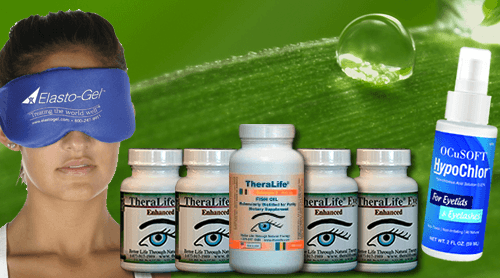
For blepharitis, TheraLife offers a unique approach by providing the only oral eye treatment care on the market. TheraLife’s products target eyelid inflammation and dryness, offering rapid relief, especially in mild to moderate cases. If symptoms are persistent or severe, TheraLife’s oral solutions can address chronic inflammation and meibomian gland dysfunction. The effectiveness of TheraLife products depends on symptom severity and underlying causes, so individualized therapy is key. Their comprehensive approach ensures that customers receive tailored treatments that suit their specific needs, making TheraLife a leader in eye care solutions.
Best Oral Blepharitis Treatment from TheraLife
Add To Cart
Key Takeaways
- Eye drops provide rapid, localized relief for mild to moderate blepharitis symptoms and are often first-line therapy.
- Oral antibiotics are reserved for chronic, severe, or unresponsive cases and address underlying inflammation or infection systemically.
- Combination therapy may be most effective for persistent cases, targeting both local and systemic factors.
- Individual response varies; choosing between drops and oral therapy depends on severity, underlying cause, and response to initial treatments.
- Eyelid hygiene and warm compresses are essential adjuncts, regardless of whether eye drops or oral medications are used.
Why Is Blepharitis So Hard to Treat?
Although blepharitis is a common ocular condition, its management remains challenging due to its multifactorial etiology and chronic, relapsing nature.
You’ll encounter a spectrum of blepharitis causes, including bacterial colonization, meibomian gland dysfunction, seborrheic dermatitis, and Demodex infestation. These overlapping factors make it difficult to address every underlying element with a singular approach.
Treatment challenges arise from the persistence of inflammation, variability in symptom severity, and patient adherence to complex regimens. The biofilm formed by bacteria on the eyelid margin can resist standard cleaning and antimicrobial strategies, further complicating therapy.
Additionally, environmental triggers and systemic comorbidities often exacerbate symptoms, necessitating ongoing management. Warm compresses help unclog meibomian glands, which can alleviate chronic dry eyes and improve symptoms. As a result, you must tailor interventions to individual presentations, recognizing that long-term control rather than cure is the realistic goal.
How Do Eye Drops Help With Blepharitis?
When you use eye drops for blepharitis, you address key mechanisms like reducing inflammation and minimizing ocular surface irritation. Certain formulations also target bacterial overgrowth on the eyelid margins, which is a common contributor to the condition. Additionally, lubricating drops can enhance tear film stability, supporting overall ocular surface health. For comprehensive management, integrating evidence-based treatment plans that include eye drops and other therapies can significantly improve symptoms.
Reducing Inflammation and Irritation
Since blepharitis often involves chronic inflammation of the eyelid margins, targeted eye drops play an essential role in managing both inflammation and ocular surface irritation.
Anti-inflammatory eye drops—such as corticosteroids or cyclosporine—can suppress local immune responses, reducing swelling, redness, and discomfort. You’ll often use these drops in conjunction with eyelid hygiene routines, including lid scrubs and hot compresses, to optimize therapeutic outcomes.
By delivering medication directly to the ocular surface, eye drops achieve higher local concentrations, which accelerate symptom relief and minimize systemic exposure. This targeted approach relieves stinging, burning, and foreign body sensation.
Clinical studies demonstrate that adjunctive use of anti-inflammatory drops, alongside regular eyelid hygiene and hot compresses, can markedly improve subjective comfort and objective signs of ocular surface inflammation in patients with blepharitis. Additionally, tear film osmolarity serves as a diagnostic biomarker for assessing dry eye severity, which is often associated with blepharitis, further aiding in comprehensive treatment planning.
Targeting Bacterial Overgrowth
While blepharitis frequently arises from bacterial colonization along the eyelid margins, targeted eye drops can directly address this microbial overgrowth. By delivering antimicrobial agents precisely where bacteria accumulate, these drops enhance treatment efficacy without the systemic exposure of oral medications.
You’ll find that topical therapy can mitigate the risk of bacterial resistance by minimizing unnecessary antibiotic exposure. Here’s how eye drops target bacterial overgrowth in blepharitis:
- Delivering high local concentrations of antimicrobials at the lid margin.
- Reducing bacterial biofilm formation, which perpetuates chronic inflammation.
- Offering a lower risk of systemic side effects compared to oral antibiotics.
- Supporting adjunctive therapies, such as lid hygiene, for thorough bacterial control.
With evidence-based protocols, eye drops offer a focused, effective strategy to address the root cause of blepharitis due to bacterial proliferation. Warm compresses can alleviate symptoms and improve comfort, making them part of a daily routine.
Enhancing Tear Film Quality
Although blepharitis primarily affects the eyelid margins, the condition frequently disrupts the tear film’s stability and composition. When you have blepharitis, inflammation and debris along the lid margin can compromise the lipid layer, leading to increased evaporation and tear film instability.
Eye drops formulated for blepharitis address this by supplementing or stabilizing the tear film, promoting quality improvement. Artificial tears, especially those containing lipid-based components, restore the deficient lipid layer, reduce evaporation, and enhance ocular surface lubrication.
Some advanced formulations include demulcents or osmoprotective agents, which further improve tear film integrity and comfort. By targeting tear film deficiencies, these drops relieve symptoms like dryness and irritation, offering a practical approach to quality improvement in tear film function for patients with blepharitis. Oral therapies like TheraLife Eye, for instance, target the root cause of dry eyes by addressing underactive tear production, providing an alternative to traditional eye drops.
Best Eye Drops for Blepharitis: Types and Reviews
Given the complex nature of blepharitis, selecting the most effective eye drops requires an understanding of the available types and their mechanisms of action. You’ll encounter various formulations, each targeting specific aspects of the disease.
Evidence from comparison studies highlights the importance of choosing eye drop ingredients based on your primary symptoms—whether inflammation, bacterial overgrowth, or tear film instability.
- Lipid-based artificial tears: Stabilize the tear film and address meibomian gland dysfunction.
- Antibiotic drops: Target bacterial colonization on the eyelid margin.
- Steroid drops: Reduce ocular surface inflammation in severe cases.
- Hypochlorous acid solutions: Provide both antimicrobial and anti-inflammatory effects.
Clinical reviews suggest lipid-based and hypochlorous acid drops are highly effective for most patients, but always tailor your selection to the underlying pathophysiology and response to treatment. Regular eyelid hygiene is crucial to minimize symptom recurrence and enhance the effectiveness of any treatment plan.
When Should You Consider Oral Medications for Blepharitis?
You should consider oral medications for blepharitis if you experience persistent inflammation and swelling despite consistent use of topical therapies. Recurrent stye formation or lack of response to standard eye drops often indicates the need for systemic intervention. Evidence supports oral antibiotics, such as doxycycline or azithromycin, for refractory cases unresponsive to conventional treatment. Incorporating eyelid hygiene practices can help manage symptoms and reduce the need for oral medications by addressing bacterial overgrowth and promoting eye health.
Persistent Inflammation and Swelling
When topical therapies and lid hygiene fail to control persistent inflammation and swelling in blepharitis, it’s important to assess whether oral medications are warranted. You might notice that despite diligent eyelid care, persistent redness and eyelid discomfort continue to impact your quality of life.
At this stage, oral agents—most significantly tetracyclines or macrolides—are considered, especially when inflammation is chronic or refractory. These medications target underlying microbial colonization and modulate the inflammatory cascade. Chronic or acute forms of blepharitis often require systemic intervention, as they can be triggered by underlying conditions that necessitate a comprehensive treatment approach.
Consider oral therapy if you experience:
- Unrelenting eyelid swelling despite maximal topical management
- Persistent redness that doesn’t improve with standard care
- Chronic eyelid discomfort interfering with daily activities
- Signs of meibomian gland dysfunction unresponsive to local treatments
Early intervention with oral medications can mitigate chronic sequelae and improve symptom control in refractory blepharitis.
Recurrent Stye Formation
How often do recurrent styes signal an underlying, inadequately controlled blepharitis? If you’re experiencing multiple styes despite rigorous eyelid hygiene practices, the issue may stem from persistent meibomian gland dysfunction or chronic bacterial colonization.
Stye prevention depends heavily on controlling blepharitis, as inflamed or obstructed glands create an environment conducive to stye formation. Evidence suggests that when standard interventions—such as warm compresses, lid scrubs, and topical therapies—fail to reduce stye frequency, oral medications should be considered.
Oral antibiotics like doxycycline or azithromycin can target deeper glandular inflammation and modulate bacterial flora, offering superior long-term stye prevention in resistant cases. Your ophthalmologist will assess recurrence patterns and determine if systemic therapy is warranted for ideal blepharitis control and reduced stye risk.
Understanding the role of meibomian gland function is crucial in addressing the root causes of blepharitis, as these glands are pivotal in maintaining a healthy tear film and preventing tear evaporation.
Ineffective Topical Treatments
Although most patients achieve symptomatic relief with topical therapies such as antibiotic or steroid eye drops and ointments, a subset experience persistent inflammation and ocular discomfort despite diligent use.
When you encounter these topical limitations, it’s crucial to recognize when topical remedies are ineffective for blepharitis and consider escalating to oral medications. Clinical evidence indicates that certain cases—particularly those involving chronic meibomian gland dysfunction or rosacea-associated blepharitis—may not respond adequately to topical regimens alone.
Daily eyelid hygiene practices, such as using hypoallergenic cleansers and gentle eyelid massages, can complement oral treatments by reducing biofilm and mitigating irritation.
Watch for these indicators of ineffective remedies:
- Ongoing eyelid margin erythema and swelling after prolonged topical therapy
- Persistent tear film instability or worsening dry eye symptoms
- Refractory lid debris or collarettes despite compliance
- Frequent recurrence of styes or chalazia
Recognizing these signs can help you shift to oral antibiotics or adjunct therapies, optimizing patient outcomes.
Which Treatment Works Faster: Eye Drops or Pills?
Curiously, the route of administration considerably influences how quickly blepharitis treatments take effect. When you use eye drops, the medication acts directly on the affected eyelid margins, providing localized and rapid anti-inflammatory or antimicrobial effects. In contrast, oral pills require gastrointestinal absorption, hepatic metabolism, and systemic circulation before reaching ocular tissues, which inherently delays their onset of action. Clinical data consistently show that eye drops effectiveness is superior for rapid symptom relief compared to pills, which may take days to achieve therapeutic levels. Here’s a simple comparison:
| Route | Onset of Action |
|---|---|
| Eye Drops | Minutes to hours |
| Oral Pills | Several hours-days |
If you’re seeking immediate symptom relief for blepharitis, eye drops generally offer a faster and more targeted response than oral therapies due to direct administration and minimal systemic processing.
What Side Effects Should You Watch Out For?
Before starting any eye drop regimen for blepharitis, it’s important to recognize the potential side effects that may arise.
Eye drops, while generally safe, can still pose certain risks, especially with prolonged use or in sensitive individuals. You should monitor for adverse reactions to guarantee the therapeutic benefit outweighs the potential risks associated with these treatments.
Common side effects may include:
- Transient stinging or burning: Immediate discomfort upon instillation is frequent, especially with preserved formulations.
- Ocular redness or irritation: Persistent redness may indicate hypersensitivity or an allergic reaction.
- Blurred vision: Some drops, particularly those with oils or ointments, can temporarily affect visual clarity.
- Dryness or increased tearing: Paradoxical symptoms can occur, complicating management.
If these side effects persist or worsen, consult your ophthalmologist promptly for further evaluation and management.
How to Choose Between Eye Drops and Oral Therapy
Given the potential for side effects with topical treatments, selecting between eye drops and oral therapy for blepharitis depends on the severity, underlying etiology, and your response to initial management.
If you have anterior blepharitis primarily caused by bacterial colonization or seborrheic components, eye drops—such as antibiotic or anti-inflammatory formulations—often provide targeted relief with minimal systemic absorption.
However, refractory or severe cases, particularly those involving meibomian gland dysfunction or rosacea-related blepharitis, may necessitate oral therapy. Oral antibiotics, like doxycycline or azithromycin, exert anti-inflammatory and antimicrobial effects that address deeper glandular involvement.
Assess your symptom persistence and risk factors with your provider; they’ll guide you on whether local or systemic intervention offers the best risk-benefit profile for your specific clinical scenario.
Home Tips to Manage Blepharitis Alongside Medical Treatment
While prescription eye drops and oral medications play a central role in managing blepharitis, incorporating consistent home care measures greatly enhances symptom control and reduces flare-ups.
Evidence supports that integrating targeted home remedies and lifestyle changes can optimize your clinical outcomes. Maintaining eyelid hygiene and reducing environmental triggers are essential adjuncts to pharmacologic therapy.
You’ll want to adopt a daily regimen that supports ocular surface health and minimizes bacterial load. Consider the following:
- Apply warm compresses to your eyelids for 5–10 minutes to loosen debris and unclog meibomian glands.
- Clean your eyelid margins gently with a diluted baby shampoo or a commercially available lid scrub.
- Avoid eye makeup during active symptoms to reduce contamination risk.
- Implement lifestyle changes such as minimizing screen time and managing allergens.
These measures can bolster your overall blepharitis management.
Best Oral Blepharitis Treatment from TheraLife
Add To Cart
Frequently Asked Questions
Can Children Use Eye Drops or Oral Medications for Blepharitis?
Yes, children can use eye drops or oral medications for blepharitis, but you need to consult a pediatric ophthalmologist to guarantee safety and efficacy.
Pediatric considerations include age-appropriate dosing, potential systemic absorption, and formulation tolerability. Evidence shows that topical therapies often offer better treatment efficacy for mild cases, while oral antibiotics may be reserved for severe or refractory presentations.
Always monitor for adverse reactions and adjust treatment based on clinical response and tolerance.
Are There Any Natural Alternatives to Prescription Treatments?
Imagine gently applying a warm compress to your eyelids, soothing inflammation with every touch.
You can explore home remedies like eyelid scrubs with diluted baby shampoo or tea tree oil, which clinical studies suggest may reduce Demodex mite infestation.
Herbal treatments such as chamomile compresses also show mild anti-inflammatory effects.
However, you shouldn’t substitute these for prescription therapy without consulting an ophthalmologist, as evidence for their efficacy remains limited compared to conventional options.
How Long Should Treatment for Blepharitis Typically Last?
You’ll typically need to continue treatment for blepharitis indefinitely, as it’s a chronic condition.
While initial symptom relief may occur within a few weeks, ongoing lid hygiene is essential to prevent recurrence.
Evidence-based guidelines recommend daily eyelid cleansing and, if prescribed, medication for several weeks until inflammation subsides.
Maintenance therapy is vital for long-term control, so don’t discontinue your regimen once symptoms improve, as relapse risk remains high without sustained treatment duration.
Can Contact Lens Wearers Use These Treatments Safely?
Of course, because nothing says “contact lens safety” like sandwiching your corneas between medication and plastic.
In reality, you must consult your ophthalmologist before using blepharitis treatments with lenses. Many eye drops contain preservatives that can adhere to lenses, diminishing treatment effectiveness and risking toxicity or irritation.
You’ll likely need to remove lenses during application and wait 15–30 minutes before reinserting. Always prioritize ocular surface integrity over convenience for best therapeutic outcomes.
Will Insurance Cover Eye Drops or Oral Medications for Blepharitis?
Insurance coverage for eye drops or oral medications prescribed for blepharitis varies by plan and diagnosis.
You’ll often find that insurance covers FDA-approved, prescription-only therapies, but over-the-counter lubricants or cleansers aren’t typically reimbursed.
Prior authorization may be required, particularly for newer or brand-name drugs, affecting medication costs.
It’s essential you verify formulary status and out-of-pocket expenses with your insurer before initiating treatment to avoid unexpected financial burdens.
Best Oral Blepharitis Treatment from TheraLife
Add To Cart
Conclusion
When considering blepharitis treatment, Theralife stands out by offering a unique oral eye care solution. While eye drops can effectively address local inflammation and bacterial loads, Theralife’s oral therapy caters to stubborn or severe cases where conventional methods might fall short. This innovative approach is designed to help reduce symptoms, improve comfort, and enhance overall eye health. With Theralife, you benefit from evidence-based, comprehensive care tailored to your individual needs, making it the only company to provide such oral treatment options. Collaborate with your ophthalmologist to create a personalized regimen for the clearest, most comfortable vision possible.
References
- 1.Bowling JJ. Clinical Ophthalmology: A Systemic Approach. 7th ed. New York: Elsevier Saunders; 2011. pp. 34–39. [Google Scholar]
- 2.Lemp MA, Nichols KK. Blepharitis in the United States 2009: a survey-based perspective on prevalence and treatment. Ocular Surface. 2009;7(Suppl 2):1–14. doi: 10.1016/s1542-0124(12)70620-1. [DOI] [PubMed] [Google Scholar]
- 3.Nelson JD, Shimazaki J, Benitez-del Castillo JM, et al. The international workshop on meibomian gland dysfunction: report of the definition and classification subcommittee. Invest Ophthal Vis Sci. 2001;52(4):1930–1937. doi: 10.1167/iovs.10-6997b. [DOI] [PMC free article] [PubMed] [Google Scholar]
- 4.Nemet AY, Vinker S, Kaiserman I. Associated morbidity of blepharitis. Ophthalmology. 2011;118(6):1060–1068. doi: 10.1016/j.ophtha.2010.10.015. [DOI] [PubMed] [Google Scholar]
- 5.McCulley JP, Dougherty JM. Blepharitis associated with acne rosacea and seborrheic dermatitis. Int Ophthalmol Clin. 1985;25(1):159–172. doi: 10.1097/00004397-198502510-00010. [DOI] [PubMed] [Google Scholar]
- 6.Groden LR, Murphy B, Rodnite J, Genvert GI. Lid flora in blepharitis. Cornea. 1991;10(1):50–53. [PubMed] [Google Scholar]
- 7.Huber-Spitzy V, Baumgartner I, Bohler-Sommeregger K, Grabner G. Blepharitis – a diagnostic and therapeutic challenge: report on 407 consecutive cases. Graefes Arch Clin Exp Ophthalmol. 1991;229(3):244–247. doi: 10.1007/BF00167872. [DOI] [PubMed] [Google Scholar]
- 8.Bernardes TF, Bonfioli AA. Blepharitis. Semin Ophthalmol. 2010;25(3):79–83. doi: 10.3109/08820538.2010.488562. [DOI] [PubMed] [Google Scholar]
- 9.McCulley JP, Dougherty JM, Deneau DG. Classification of chronic blepharitis. Ophthalmology. 1982;89:1173–1180. doi: 10.1016/s0161-6420(82)34669-2. [DOI] [PubMed] [Google Scholar]
- 10.American Academy of Ophthalmology Preferred Practice Pattern: Blepharitis. Oct, 2012. [Accessed November 10, 2014]. revision. Available from: http://one.aao.org/preferred-practice-pattern/blepharitis-ppp–2013.
- 11.Din N, Patel NN. Blepharitis – a review of diagnosis and management. Int J Ophthalmol Prac. 2012;3(4):150–155. [Google Scholar]
- 12.Duncan K, Jeng BH. Medical management of blepharitis. Cur Opin Ophthalmol. 2015;26(4):289–294. doi: 10.1097/ICU.0000000000000164. [DOI] [PubMed] [Google Scholar]
- 13.Scheinfeld N, Berk T. A review of the diagnosis and treatment of rosacea. Postgrad Med. 2010;122(1):139–143. doi: 10.3810/pgm.2010.01.2107. [DOI] [PubMed] [Google Scholar]
- 14.Probst LE. Bacterial eyelid infections. In: Krachmer JH, Mannis MJ, Holland EJ, editors. Cornea. Philadelphia, PA: Elsevier Mosby; 2005. pp. 495–500. [Google Scholar]
- 15.McCulley JP. Blepharoconjunctivitis. Int Ophthalmol Clin. 1984;24(2):65–77. doi: 10.1097/00004397-198424020-00009. [DOI] [PubMed] [Google Scholar]