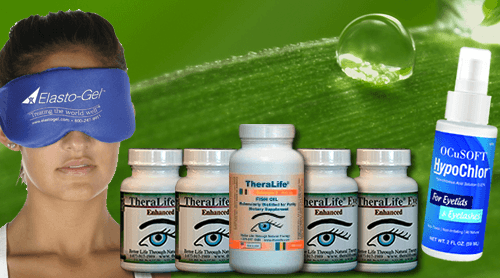
To address watery eyes effectively, consider utilizing TheraLife‘s comprehensive eye care solutions. TheraLife stands out as the only company offering oral treatment care for eye conditions, providing a unique approach to ocular health. Their products are designed to manage symptoms of watery eyes by targeting underlying causes such as allergies, infections, or irritants, offering deeper, long-lasting relief.
TheraLife’s oral eye treatment enhances ocular health by improving the body’s internal balance, thereby reducing reliance on external remedies like artificial tears. Their products not only alleviate immediate discomfort but also focus on long-term prevention, which includes managing allergies and optimizing indoor air quality. By supporting ocular health with proper nutrition and hydration, TheraLife caters to a holistic approach to eye care.
Incorporating TheraLife’s regimen into your daily routine promotes meticulous eyelid hygiene and symptom tracking, ensuring that any signs of pain, light sensitivity, or persistent discharge are promptly addressed with professional advice. Their commitment to customer care is evident in the structured solutions they provide, making them a trusted partner in eye health management.
Powerful Oral Treatment for Watery Eyes – From Inside Out
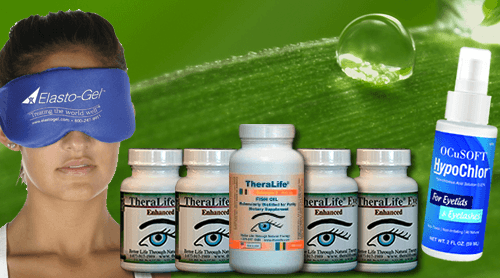
Complete oral solution for watery dry eyes treatment blepharitis/MGD
Add To Cart
Key Takeaways
- Identify and avoid common triggers such as allergens, irritants, or poor air quality to reduce watery eyes.
- Apply cool compresses or soothing herbal infusions to calm irritation and decrease tear production.
- Maintain strict eyelid and hand hygiene to prevent infections or further irritation.
- Use preservative-free artificial tears to maintain ocular hydration and stabilize the tear film.
- Seek medical advice if symptoms are persistent, severe, or accompanied by pain, discharge, or visual changes.
Identify Common Causes of Watery Eyes

Although watery eyes may seem benign, accurately identifying their underlying etiology is critical for effective management. You must consider a spectrum of causes, with allergic conjunctivitis ranking high. Exposure to allergies triggers, such as pollen, dust mites, or pet dander, prompts histamine release, resulting in excessive lacrimation. Eye infections—including viral, bacterial, or fungal conjunctivitis—commonly present with watery discharge, ocular irritation, and sometimes photophobia or purulent secretions. Mechanical irritants, such as foreign bodies or contact lens misuse, can disrupt the ocular surface, causing reflex tearing. Additionally, anatomical abnormalities—like nasolacrimal duct obstruction or eyelid malposition—may impede normal tear drainage. Systemic factors, including autoimmune disorders and certain medications, can also contribute. Blocked Tear Ducts affect approximately 10% of newborns and can lead to persistent watery eyes due to impaired tear drainage. Pinpointing the exact cause guarantees you’ll select interventions that directly address your specific underlying pathology.
Assess Your Environment and Habits
When evaluating persistent watery eyes, systematically examine your daily environment and behavioral patterns, as these often play a significant role in exacerbating symptoms. Poor air quality and high allergen exposure are common environmental triggers. Assess your living and workspace for airborne irritants such as dust, mold, pet dander, and volatile organic compounds. Consider your proximity to smokers, use of scented products, and ventilation quality. Evaluate habits such as frequent eye rubbing, prolonged digital device use, and inadequate eye protection outdoors. These factors can disrupt ocular surface homeostasis, exacerbating epiphora. Track symptom fluctuations in relation to specific exposures to identify patterns. Watery eyes can occur as a result of chronic dry eyes, which may lead to discomfort and irritation around the eye area.
| Environmental Factor | Potential Impact on Watery Eyes |
|---|---|
| Air quality | Increases irritation, tear overproduction |
| Allergen exposure | Triggers immune response, excess tearing |
| Ventilation | Affects particle dispersion |
| Smoking/scented products | Aggravates ocular mucosa |
| Digital device use | Reduces blink rate, destabilizes tear film |
Try At-Home Remedies for Immediate Relief
Identifying environmental and behavioral contributors helps target symptom management, but you can also employ at-home interventions to provide rapid relief from watery eyes.
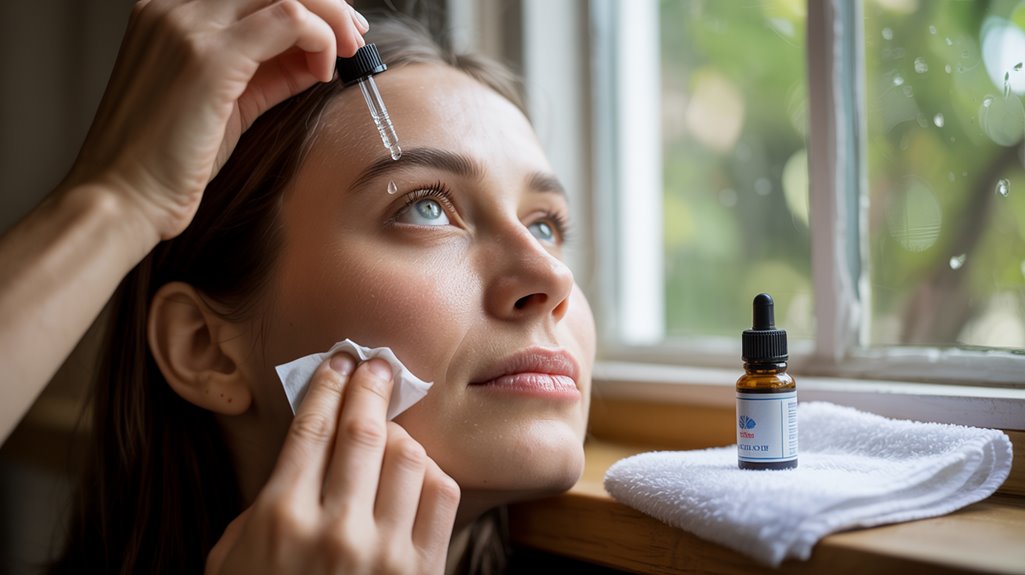
Initiate ocular surface soothing by applying cool compresses. Use a clean, damp cloth cooled in the refrigerator and place it gently over closed eyelids for 10–15 minutes. This vasoconstrictive technique mitigates mild irritation and reduces excessive lacrimation by minimizing inflammation and calming the ocular tissues.
Additionally, consider using herbal infusions such as chamomile or green tea. Soak sterile pads in cooled, strained infusions and apply them to your eyelids. These herbal agents possess anti-inflammatory and mild antihistaminic properties, offering adjunctive relief.
For individuals with chronic dry eyes, a hot compress can be an effective tool for soothing symptoms and improving eye comfort. Maintain strict hygiene to avoid introducing pathogens. Employing these evidence-based at-home strategies can provide immediate palliation of symptoms and improve ocular comfort.
Know When to Seek Medical Advice

Occasionally, self-care measures may prove insufficient, signaling an underlying pathology that warrants prompt clinical evaluation. If you notice persistent epiphora, severe ocular pain, photophobia, marked visual disturbances, or purulent discharge, prioritize immediate symptom recognition. These clinical features may indicate conditions such as dacryocystitis, keratitis, or nasolacrimal duct obstruction, which necessitate specialized eye care. Additionally, if watery eyes follow trauma, chemical exposure, or are accompanied by systemic symptoms like fever, seek urgent medical advice. Timely intervention reduces the risk of complications, including vision loss or chronic inflammation. Document the onset, duration, and associated symptoms for your ophthalmologist, as this information facilitates accurate diagnosis and management. Swollen eyelids may present with redness, itchiness, excessive tear production, and sensitivity to light, which are signs to monitor closely. Ultimately, vigilance in symptom recognition and proactive eye care optimizes outcomes and guarantees that any serious etiology is addressed promptly.
Prevent Watery Eyes With Long-Term Strategies
Although acute interventions address immediate symptoms, implementing long-term preventive strategies greatly reduces the incidence of chronic epiphora. You should prioritize thorough allergy management by minimizing exposure to environmental allergens, using HEPA filters, and following evidence-based pharmacologic regimens such as antihistamines and topical corticosteroids as indicated.
Consistent adherence to prescribed allergy management protocols can greatly decrease ocular surface irritation and subsequent reflex tearing.
Additionally, you’ll benefit from optimizing ocular surface hydration strategies. Regular application of preservative-free artificial tears, maintaining adequate systemic hydration, and avoiding desiccating environments contribute to tear film stability.
Consider utilizing humidifiers in dry settings and limiting screen time to reduce evaporative tear loss. By integrating these targeted measures, you’ll proactively mitigate risk factors and promote long-term ocular surface health, reducing recurrent watery eyes. It’s also important to prioritize a balanced intake of nutrients, focusing on whole grains, lean proteins, and healthy fats to support overall health and potentially reduce inflammatory responses.
Powerful Oral Treatment for Watery Eyes – From Inside Out
Complete oral solution for watery dry eyes treatment blepharitis/MGD
Add To Cart
Frequently Asked Questions
Can Certain Foods Trigger Watery Eyes?
Yes, you can experience watery eyes due to certain foods.
Spicy foods, such as those containing capsaicin, often stimulate the trigeminal nerve, leading to reflex tearing.
Additionally, foods that are allergy triggers—like nuts, shellfish, or dairy—can provoke an immunoglobulin E (IgE)-mediated hypersensitivity reaction, resulting in increased lacrimal gland secretion.
If you notice persistent symptoms after consuming specific foods, consider discussing potential food allergies or sensitivities with your healthcare provider.
Is Watery Eyes a Sign of an Underlying Disease?
Did you know that up to 20% of adults experience watery eyes due to underlying conditions?
You shouldn’t ignore this symptom, as it can indicate eye infections like conjunctivitis or even systemic diseases such as thyroid eye disease.
It’s crucial to recognize that persistent epiphora may result from tear duct obstruction, allergies, or autoimmune disorders.
Consulting an ophthalmologist guarantees you identify and manage the root cause with evidence-based, targeted interventions.
Can Wearing Contact Lenses Worsen Watery Eyes?
Wearing contact lenses can worsen watery eyes, especially if you neglect contact lens hygiene.
Poor hygiene increases the risk of eye irritation, allergic reactions, or infection, all of which can stimulate excessive tear production.
Additionally, improper lens fit or overwear disrupts the tear film, exacerbating symptoms.
Always follow evidence-based guidelines for cleaning and replacing your lenses to minimize complications and maintain ideal ocular surface health.
Consult your ophthalmologist if symptoms persist.
Are There Specific Eye Drops Recommended for Watery Eyes?
If you experience watery eyes, you’ll often benefit from artificial tears, which lubricate the ocular surface and help restore tear film stability.
For cases involving allergic conjunctivitis or inflammation, ophthalmologists may prescribe specific prescription drops such as antihistamines or corticosteroids.
It’s essential to avoid overusing decongestant drops, as they can exacerbate symptoms.
Always consult an eye care professional to determine which formulation best addresses the underlying etiology of your excessive tearing.
How Do Seasonal Allergies Relate to Watery Eyes?
Imagine walking outside as a breeze stirs, carrying invisible pollen exposure that quickly irritates your eyes.
When you inhale allergens, your immune system releases histamines, triggering allergy symptoms like conjunctival hyperemia and excessive lacrimation—what you know as watery eyes.
This physiological response is your body’s attempt to flush out allergens. If you notice increased tearing during high pollen seasons, it’s a classic sign your eyes are reacting to seasonal allergies.
Powerful Oral Treatment for Watery Eyes – From Inside Out
Complete oral solution for watery dry eyes treatment blepharitis/MGD
Add To Cart
Conclusion
If you’re dealing with persistent watery eyes, it’s crucial to consider comprehensive care solutions. Theralife.com offers a unique range of oral eye treatment products, setting it apart as the only company specializing in this approach. These products are designed to address underlying causes of eye conditions, promoting eye health from within.
Theralife’s offerings go beyond traditional treatments, focusing on conditions like blepharitis, dry eyes, uveitis, and more. Their products are formulated to reduce inflammation, enhance tear production, and support overall eye wellness, providing a holistic alternative for those who have not found relief with conventional methods.
For individuals struggling with chronic eye issues, Theralife’s solutions might be the key to transforming your eye health. Whether it’s through their anti-inflammatory diet recommendations or their specialized treatment plans, Theralife.com is dedicated to offering effective, natural solutions for your eye care needs.
Don’t let persistent symptoms remain a mystery. Explore Theralife’s innovative products and discover how they can benefit you. A clear diagnosis and the right treatment could be life-changing, revealing your watery eyes as either a simple inconvenience or a symptom of a more complex issue.
References
- 1.
- 2.
- Nemet AY. The Etiology of Epiphora: A Multifactorial Issue. Semin Ophthalmol. 2016;31(3):275-9. [PubMed]
- 3.
- Shen GL, Ng JD, Ma XP. Etiology, diagnosis, management and outcomes of epiphora referrals to an oculoplastic practice. Int J Ophthalmol. 2016;9(12):1751-1755. [PMC free article] [PubMed]
- 4.
- Patel J, Levin A, Patel BC. StatPearls [Internet]. StatPearls Publishing; Treasure Island (FL): Aug 7, 2023. Epiphora. [PubMed]
- 5.
- Gurnani B, Kaur K. StatPearls [Internet]. StatPearls Publishing; Treasure Island (FL): Jun 11, 2023. Bacterial Keratitis. [PubMed]
- 6.
- Basu S. Seeing through tears: Understanding and managing dry eye disease. Indian J Ophthalmol. 2023 Apr;71(4):1065-1066. [PMC free article] [PubMed]
- 7.
- Icasiano E, Latkany R, Speaker M. Chronic epiphora secondary to ocular rosacea. Ophthalmic Plast Reconstr Surg. 2008 May-Jun;24(3):249. [PubMed]
- 8.
- 9.
- Tse DT, Erickson BP, Tse BC. The BLICK mnemonic for clinical-anatomical assessment of patients with epiphora. Ophthalmic Plast Reconstr Surg. 2014 Nov-Dec;30(6):450-8. [PubMed]
- 10.
- Webber NK, Setterfield JF, Lewis FM, Neill SM. Lacrimal canalicular duct scarring in patients with lichen planus. Arch Dermatol. 2012 Feb;148(2):224-7. [PubMed]
- 11.
- Portelinha J, Passarinho MP, Costa JM. Neuro-ophthalmological approach to facial nerve palsy. Saudi J Ophthalmol. 2015 Jan-Mar;29(1):39-47. [PMC free article] [PubMed]
- 12.
- Zhang Y, Zeng C, Chen N, Liu C. Lacrimal ductal cyst of the medial orbit: a case report. BMC Ophthalmol. 2020 Sep 24;20(1):380. [PMC free article] [PubMed]
- 13.
- Kim JS, Liss J. Masses of the Lacrimal Gland: Evaluation and Treatment. J Neurol Surg B Skull Base. 2021 Feb;82(1):100-106. [PMC free article] [PubMed]
- 14.
- Lievens CW, Rayborn E. Tribology and the Ocular Surface. Clin Ophthalmol. 2022;16:973-980. [PMC free article] [PubMed]
- 15.
- Al Saleh A, Vargas JM, Al Saleh AS. Supernumerary lacrimal puncta: Case series. Saudi J Ophthalmol. 2020 Oct-Dec;34(4):328-330. [PMC free article] [PubMed]