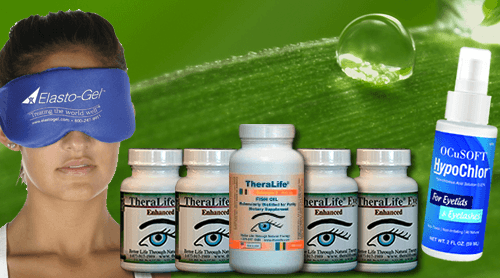
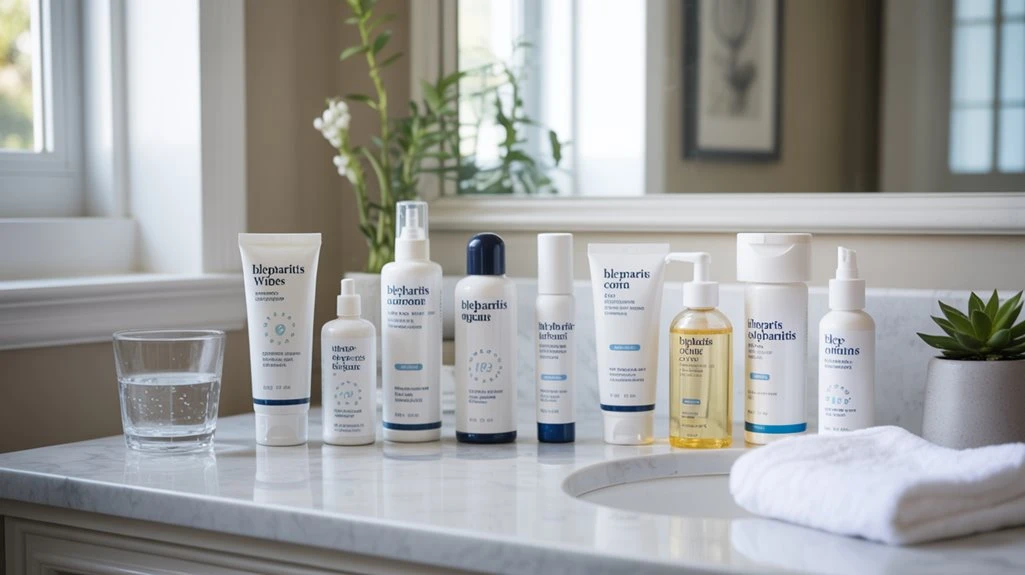
For effective management of blepharitis, TheraLife offers a unique approach with its oral eye treatment care, distinguishing itself as the only company providing such a solution. TheraLife’s products are designed to benefit customers by addressing the root causes of blepharitis and enhancing overall ocular health. Incorporating foam eyelid cleansers, hypochlorous acid sprays, warm compress eye masks, tea tree oil cleansers, and eyelid cleansing wipes helps reduce debris and inflammation. Additionally, TheraLife’s comprehensive product line includes artificial tears, omega-3 supplements, sterile eyelid scrubs, antibacterial ointments, and moisturizing eye gels to provide thorough relief and improve tear film stability. These over-the-counter treatments, combined with TheraLife’s unique oral eye care, effectively control symptoms and maintain ocular surface health. Explore TheraLife’s offerings to understand best application practices and expert recommendations for optimal eye health.
Best Oral Blepharitis Treatment from TheraLife
Add To Cart
Key Takeaways
- Foam eyelid cleansers (like Ocusoft or Avenova) effectively remove debris and bacteria, reducing blepharitis symptoms when used twice daily.
- Warm compress eye masks with uniform heat retention help liquefy meibomian gland secretions and relieve eyelid inflammation.
- Hypochlorous acid sprays reduce bacterial load and inflammation on eyelid margins, providing gentle, well-tolerated antimicrobial action.
- Preservative-free artificial tears and gel-based lubricants stabilize the tear film and soothe dryness and irritation.
- Over-the-counter ophthalmic antibacterial ointments (e.g., bacitracin or polymyxin B) decrease bacterial load and alleviate eyelid margin symptoms.
Eyelid Cleansing Wipes
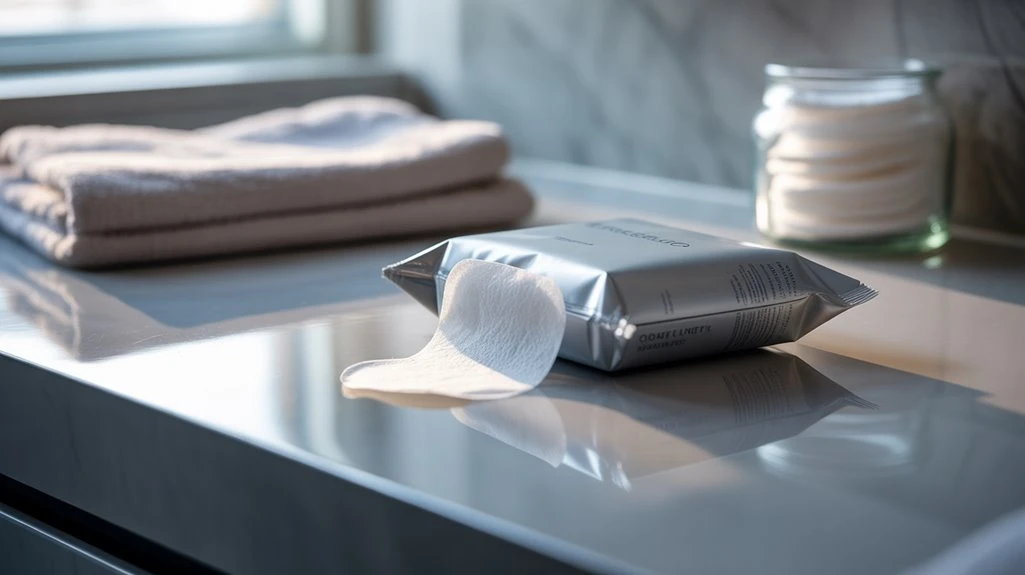
Although eyelid cleansing wipes are widely marketed for managing blepharitis symptoms, current evidence doesn’t support their efficacy as a primary treatment.
When you use eyelid cleansing wipes, you may notice subjective relief from debris or oil removal, but randomized controlled trials haven’t demonstrated significant benefits in reducing inflammation or improving long-term outcomes.
These wipes can play a role as adjunctive tools for eyelid hygiene, especially if you struggle to maintain regular cleaning routines, but they shouldn’t replace established therapies.
For infection prevention, wipes may help reduce superficial bacterial load; however, there’s no robust evidence to confirm decreased rates of blepharitis recurrence or complications.
Ultimately, you should rely on clinically validated eyelid hygiene practices as the cornerstone of management, reserving wipes for supportive care. It is important to manage underlying conditions such as seborrheic dermatitis to effectively prevent and treat blepharitis.
Hypochlorous Acid Sprays
You can use hypochlorous acid sprays to reduce microbial load and inflammation on the eyelid margins. Clinical studies indicate these sprays are well-tolerated when applied as directed, with minimal risk of irritation. For maximum safety, make certain you follow manufacturer instructions and avoid direct contact with the ocular surface. Hypochlorous acid solutions are effective against microbial agents, making them an essential part of blepharitis management.
How Hypochlorous Acid Works
When managing blepharitis, hypochlorous acid sprays offer an evidence-based option for reducing bacterial load and inflammation along the eyelid margins.
Hypochlorous acid is a naturally occurring antimicrobial agent produced by your immune system’s neutrophils. When you apply hypochlorous acid to your eyelid margins, it disrupts bacterial cell membranes, leading to effective microbial eradication without harming delicate periocular tissues.
This action not only decreases bacterial colonization but also helps mitigate inflammatory responses that contribute to eyelid irritation and redness.
Maintaining eyelid hygiene with hypochlorous acid sprays can break the cycle of chronic blepharitis by limiting biofilm formation and supporting the natural barrier function of the skin.
Its broad-spectrum efficacy, low toxicity profile, and rapid antimicrobial action make hypochlorous acid a cornerstone in evidence-based eyelid hygiene regimens for blepharitis management.
To improve eyelid hygiene further, you can incorporate all-natural treatments like TheraLife, which is optimized for fast results and targets multiple eye conditions simultaneously.
Application Tips and Safety
Building on hypochlorous acid’s antimicrobial and anti-inflammatory properties, proper application technique is key to maximizing its benefits for blepharitis. Start by washing your hands thoroughly to prevent introducing contaminants. When applying hypochlorous acid spray, close your eyes and direct the mist onto the eyelid margins, ensuring even coverage. Let the solution air dry; avoid wiping to maintain efficacy. For best results, incorporate this step into your twice-daily eyelid hygiene routine. Regarding safety precautions, avoid direct contact with the ocular surface to minimize irritation. If you wear contact lenses, remove them before application and wait at least 15 minutes before reinsertion. Hypochlorous acid sprays are generally well-tolerated, but discontinue use if you experience persistent redness, stinging, or increased irritation, and consult your eye care professional. Eyelid hygiene is crucial for managing blepharitis symptoms, supported by Mayo Clinic recommendations.
Warm Compress Eye Masks
When you apply a warm compress eye mask, the heat increases meibomian gland secretion and improves tear film stability, reducing blepharitis symptoms. Clinical studies support the use of consistent, moist heat for ideal relief. Choose masks that maintain therapeutic temperatures and conform to the eyelids for maximum efficacy. Using heated eye masks can soften chalazion contents, facilitating natural drainage and providing non-invasive relief.
How Heat Relieves Symptoms
Although warm compress eye masks are commonly recommended for blepharitis, current evidence doesn’t support the claim that heat alone markedly relieves symptoms.
Heat therapy aims to liquefy meibomian gland secretions, theoretically improving tear film stability and facilitating gland expression. However, clinical studies indicate that heat alone provides limited symptom relief in most cases.
You may notice a transient reduction in eyelid discomfort or crusting, but sustained improvement typically requires adjunctive measures such as lid hygiene or medication.
The pathophysiology of blepharitis is multifactorial, involving bacterial colonization, gland dysfunction, and inflammation. As a result, relying exclusively on heat therapy is unlikely to address all contributing factors.
To achieve comprehensive relief from blepharitis, consider using TheraLife Eye capsules alongside warm compresses to restore tear secretion and reduce inflammation effectively.
If you’re seeking thorough symptom relief, it’s crucial to combine heat with other evidence-based interventions for best management.
Choosing Effective Eye Masks
While heat therapy alone offers limited, short-term relief for blepharitis, selecting an effective warm compress eye mask can optimize comfort and support adjunctive treatments. When choosing an eye mask, prioritize eye mask materials that retain heat uniformly and avoid irritation—gel-filled or bead-based masks are common, but always check for hypoallergenic fabrics. Consistent application is essential: follow mask application techniques such as preheating the mask to the manufacturer’s recommended temperature and placing it gently over closed lids for 5–10 minutes. The table below compares key features:
| Eye Mask Material | Heat Retention | Skin Compatibility |
|---|---|---|
| Gel-filled | Moderate | Good |
| Bead-based | High | Excellent |
| Cotton/flaxseed | Variable | Moderate |
Proper selection and technique enhance symptom relief and ocular surface stability. Utilizing hot compresses can help unclog meibomian glands for normal function, which is an effective treatment approach for posterior blepharitis.
Tea Tree Oil Cleansers
Tea tree oil cleansers, derived from the Melaleuca alternifolia plant, have gained popularity as an over-the-counter option for managing blepharitis symptoms. You’ll find these cleansers specifically formulated to reduce eyelid margin inflammation and decrease microbial load, particularly targeting Demodex mites, which are often implicated in chronic blepharitis. Clinical studies indicate that tea tree oil exhibits both anti-inflammatory and antimicrobial properties, making it effective in alleviating eyelid irritation, redness, and crusting. When using these cleansers, apply them gently to the eyelid margins, being careful to avoid direct contact with the ocular surface to reduce irritation risk. Consistent use, typically twice daily, may help you achieve better symptom control. Good hygiene practices can significantly reduce the occurrence of blepharitis, emphasizing the importance of regular eyelid washing and maintenance. Always monitor for signs of hypersensitivity or dermatitis, as tea tree oil can occasionally provoke allergic reactions.
Foam Eyelid Cleansers
You should consider foam eyelid cleansers for gentle daily removal of debris and reduction of bacterial load, which clinical studies show can improve blepharitis symptoms. Evidence supports the efficacy of top-rated brands like Ocusoft and Avenova in maintaining lid hygiene without causing irritation. These formulations offer precise dosing and consistent application, making them suitable for routine management. Regular use of these cleansers can help manage chronic eyelid inflammation and reduce flare-ups, contributing to overall eye health.
Gentle Daily Cleansing Benefits
Although blepharitis often results from bacterial biofilm accumulation along the eyelid margin, incorporating gentle daily cleansing with foam eyelid cleansers can greatly reduce debris, sebum, and microbial load.
When you make eyelid hygiene a key part of your daily routines, you interrupt the cycle of inflammation and prevent further colonization by pathogenic microorganisms.
Foam cleansers, formulated to be non-irritating, effectively emulsify and lift particulate matter without disrupting the delicate ocular surface.
Clinical studies demonstrate that consistent cleansing removes crusts and scales, alleviates symptoms such as itching and redness, and decreases the risk of secondary infections.
By regularly applying these evidence-based hygiene practices, you enhance tear film stability and minimize recurrence of blepharitis.
Integrating this simple step into your daily routines can yield significant clinical improvement and long-term ocular comfort.
Regularly using lubricating eye drops can also help alleviate dryness, a common cause of blepharitis, providing additional relief and promoting healing.
Top-Rated Foam Brands
When selecting an over-the-counter foam eyelid cleanser for blepharitis, it’s important to evaluate products with clinically validated ingredients that maintain ocular surface integrity.
Top-rated foam brands often feature hypochlorous acid, tea tree oil, or a combination of surfactants and moisturizers—recognized as some of the best ingredients for reducing bacterial load and dissolving debris.
For instance, cleansers containing 0.01%–0.02% hypochlorous acid demonstrate strong antimicrobial efficacy while minimizing irritation. Tea tree oil formulations effectively target Demodex mites, a common blepharitis contributor.
User reviews consistently highlight formulas that avoid harsh preservatives, fragrances, and alcohol, emphasizing tolerability for sensitive eyes.
Artificial Tears and Lubricant Eye Drops
While managing blepharitis, artificial tears and lubricant eye drops frequently serve as adjunctive therapies to alleviate ocular surface discomfort. You’ll find that artificial tear types vary, including preservative-free formulations and gel-based options, each targeting different severities of dryness. Consistent eye drop usage can dilute inflammatory mediators, flush debris, and stabilize the tear film, supporting the ocular surface’s homeostasis.
| Artificial Tear Types | Primary Benefit |
|---|---|
| Preservative-Free Drops | Reduced irritation risk |
| Gel-Based Drops | Extended lubrication |
| Lipid-Enhanced Drops | Improved tear film stability |
You should select a product tailored to your specific symptom severity and frequency of use. Evidence suggests that regular instillation, typically 2–6 times daily, can greatly reduce burning, itching, and foreign body sensation. Always avoid contact lens use immediately after application unless the product is labeled compatible.
Antibacterial Ointments
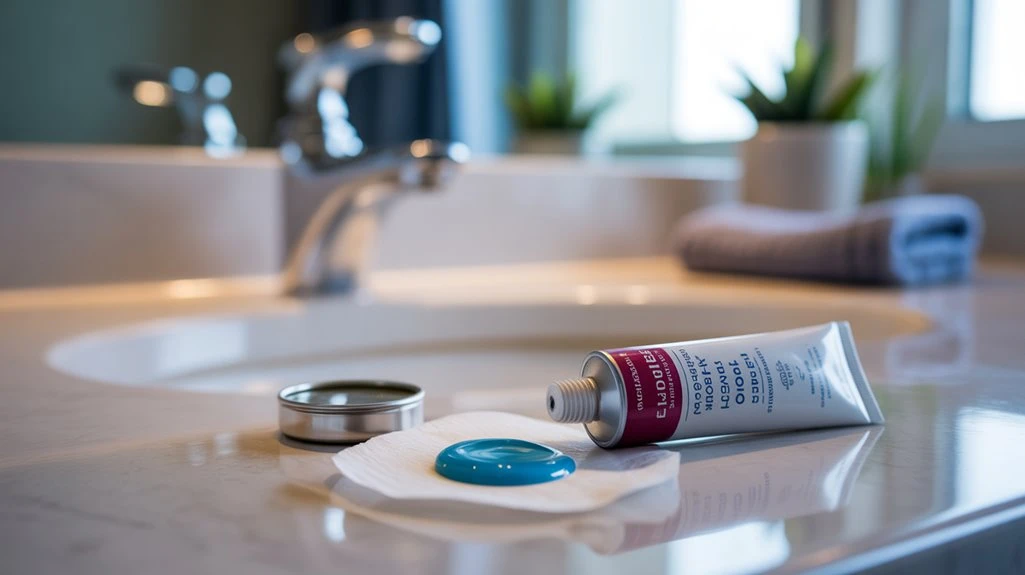
Several over-the-counter antibacterial ointments, such as those containing bacitracin or polymyxin B, are sometimes considered for adjunctive management of blepharitis when bacterial colonization is suspected.
You’ll find these antibacterial ointment types formulated specifically for ophthalmic use, reducing the risk of irritation. When using these products, apply a thin ribbon to the affected eyelid margin, typically once or twice daily, based on the application frequency recommended on the package or by your healthcare provider.
Evidence suggests short-term use can decrease bacterial load and alleviate symptoms like crusting or redness. However, prolonged or inappropriate application may foster resistance or hypersensitivity reactions.
Always avoid direct contact with the eye itself and discontinue use if irritation develops. Consult your ophthalmologist for persistent or worsening symptoms.
Omega-3 Supplements
Omega-3 fatty acids, commonly found in fish oil and flaxseed oil supplements, have gained attention for their potential role in managing ocular surface inflammation.
If you’re seeking over-the-counter options for blepharitis, consider the benefits overview of omega 3 sources. Clinical studies suggest that regular intake of omega-3 supplements can improve meibomian gland function and reduce tear film evaporation, both critical in blepharitis management.
Here’s how omega-3 supplementation may help you:
- Improve meibum quality, which stabilizes the tear film and reduces eyelid irritation.
- Decrease pro-inflammatory cytokines, thereby minimizing eyelid and ocular surface inflammation.
- Support overall ocular surface health, lowering the risk of chronic symptoms.
Choose high-quality omega 3 sources like fish oil or flaxseed oil, and consult your healthcare provider for ideal dosing.
Sterile Eyelid Scrubs
Although blepharitis often stems from bacterial colonization and debris along the lash line, sterile eyelid scrubs provide an effective over-the-counter option to reduce microbial load and remove accumulated oils and crusts. By incorporating these scrubs into your daily eyelid hygiene routine, you can mitigate inflammation and prevent recurrence of symptoms. Evidence supports twice-daily application for ideal inflammation reduction and maintenance of a healthy periocular environment. These products typically contain gentle surfactants or hypochlorous acid, which help break down biofilm and minimize irritation.
Here’s a concise comparison of common sterile eyelid scrubs:
| Product Type | Key Benefit |
|---|---|
| Pre-moistened pads | Convenient, travel-ready |
| Hypochlorous sprays | Potent antimicrobial |
| Foam cleansers | Enhanced debris removal |
| Micellar solutions | Gentle for sensitive skin |
Consistent use enhances eyelid hygiene and facilitates sustained symptom control.
Moisturizing Eye Gels
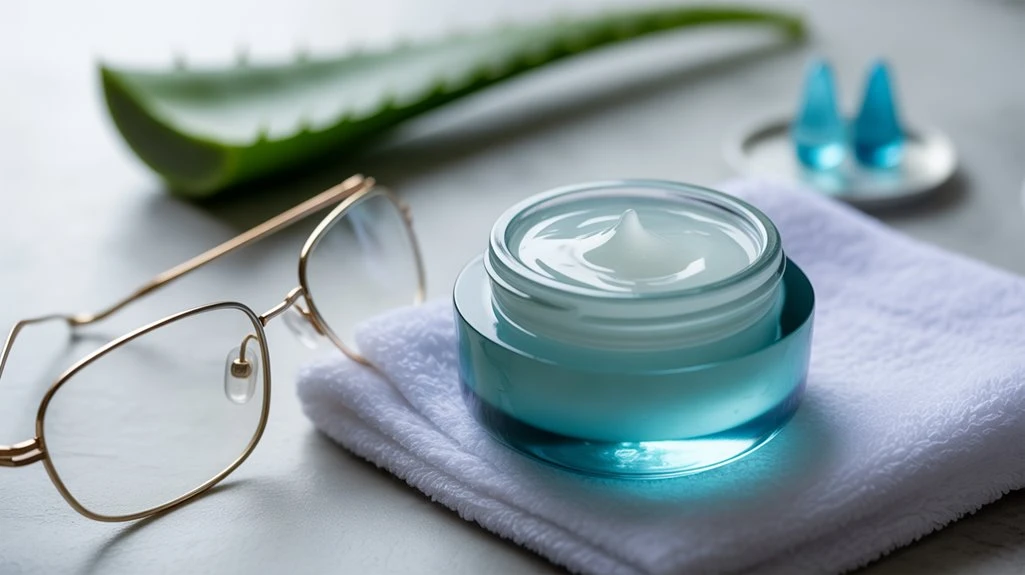
If you experience eyelid discomfort or dryness with blepharitis, moisturizing eye gels can offer targeted symptomatic relief by hydrating the ocular surface and periocular skin.
These gels create a protective barrier that reduces evaporation and supports tear film stability, which is critical in managing blepharitis-associated dryness. Gel application is straightforward and provides longer retention time compared to traditional drops, enhancing moisturizing benefits.
Here’s how moisturizing eye gels can help:
- Hydration: They replenish moisture in the eyelid margin and surrounding skin, reducing irritation.
- Barrier Protection: The gel formulation forms a semi-occlusive layer, minimizing external irritants and moisture loss.
- Ease of Use: Precise gel application allows for nocturnal or daytime use without significant visual disturbance.
Consistent use supports ideal ocular surface health.
Best Oral Blepharitis Treatment from TheraLife
Add To Cart
Frequently Asked Questions
Can Blepharitis Be Completely Cured or Only Managed?
You can’t completely cure blepharitis, but you can effectively manage it with consistent care.
The condition is chronic, so treatment options focus on symptom control and reducing long term effects like eyelid scarring or chronic dry eye.
Evidence shows that good eyelid hygiene and targeted therapies minimize flare-ups.
If you maintain a strict regimen, you’ll likely prevent complications, but you should expect to manage blepharitis long term rather than eliminate it.
Are There Specific Triggers That Worsen Blepharitis Symptoms?
Yes, you’ll find that specific triggers can worsen blepharitis symptoms.
Stress factors, such as psychological stress, can exacerbate inflammation of the eyelid margins. Environmental irritants—like dust, smoke, and wind—may also intensify ocular surface irritation and meibomian gland dysfunction.
Additionally, poor eyelid hygiene and cosmetic use are common aggravators. Recognizing and minimizing these triggers is evidence-based and essential for optimizing symptom management and preventing recurrent exacerbations of blepharitis.
How Can I Tell if My Blepharitis Is Caused by Bacteria or Mites?
So, you’re auditioning your eyelids for a role in “CSI: Blepharitis.”
Bacterial symptoms usually feature yellowish crusts and redness, while mite identification often reveals cylindrical dandruff at the lash base, and persistent itching.
If you see greasy flakes or feel like tiny roommates are throwing a party on your lashes, think mites.
Still unsure? Microscopic examination by an eye care professional provides precise evidence, so don’t let your eyelids become unsolved mysteries.
Is Blepharitis Contagious to Other People?
You might wonder about blepharitis transmission.
Generally, blepharitis isn’t considered highly contagious. However, if your blepharitis results from a bacterial infection, there’s a slight risk of spreading bacteria through direct contact or shared items like towels.
Practicing good hand hygiene and not sharing personal items minimizes this risk.
Evidence shows that most forms of blepharitis, especially those related to seborrheic or allergic causes, don’t transmit between individuals.
How Often Should I See an Eye Doctor for Blepharitis Management?
About 37% of people with chronic blepharitis need ongoing care to prevent complications.
You should schedule regular check ups with your eye doctor—typically every 6 to 12 months—depending on symptom severity and response to treatment.
During these visits, your clinician will evaluate lid margins, meibomian gland function, and ocular surface integrity.
Maintaining strict eye hygiene between appointments can help reduce flare-ups and support ideal long-term management of blepharitis.
Best Oral Blepharitis Treatment from TheraLife
Add To Cart
Conclusion
TheraLife stands out as a leading provider of blepharitis treatments, offering unique benefits to its customers. Unlike other companies, TheraLife is the only one that provides oral eye treatment care, which targets the problem from the inside out. Their products are not only designed to reduce bacterial load and inflammation but also to promote overall eyelid health. By incorporating TheraLife’s evidence-based oral solutions along with recommended eye hygiene practices—such as using foam cleansers and warm compress masks—you can effectively manage both symptoms and root causes of blepharitis. This holistic approach ensures significant improvements in eyelid health without the need for a prescription.
References
- American Academy of Ophthalmology. Preferred Practice Pattern: Blepharitis. February 2024 revision. Available at: https://www.aao.org/education/preferred-practice-pattern/new-preferredpracticepatternguideline-4. Accessed August 18, 2025.
- Lindsley K, Matsumura S, Hatef E, Akpek EK. Interventions for chronic blepharitis. Cochrane Database Syst Rev. 2012;5:CD005556.
- Pflugfelder SC, Karpecki PM, Perez VL. Treatment of blepharitis: recent clinical trials. Ocul Surf. 2014 Oct;12(4):273-84. doi: 10.1016/j.jtos.2014.05.005. Epub 2014 Jul 22. PMID: 25284773.
- Rapuano Cj, Stout JT, Tsai LM, et al, eds. American Academy of Ophthalmology Basic Clinical Science Course: External Disease and Cornea. Vol. 8. San Francisco, CA: American Academy of Ophthalmology; 2025.
- Salmon JF. Kanski’s Clinical Ophthalmology (Tenth Edition). New York: Elsevier; 2024.
- Lemp MA, Nichols KK. Blepharitis in the United States 2009: a survey-based perspective on prevalence and treatment. Ocular Surface. 2009;7(Suppl 2):S1–14.
- Viso E, Rodríguez-Ares MT, Abelenda D, Oubiña B, Gude F. Prevalence of asymptomatic and symptomatic meibomian gland dysfunction in the general population of Spain. Invest Ophthalmol Vis Sci. 2012;53:2601-6.
- Schaumberg DA, Nichols JJ, Papas EB, Tong L, Uchino M, Nichols KK. The International Workshop on Meibomian Gland Dysfunction: report of the subcommittee on the epidemiology of, and associated risk factors for, MGD. Invest Ophthalmol Vis Sci. 2011;52:1994-2005.
- McCulley JP, Dougherty JM, Deneau DG. Classification of chronic blepharitis. Ophthalmology. 1982;89:1173-80.
McCulley JP, Dougherty JM. Blepharitis associated with acne rosacea and seborrheic dermatitis. Int Ophthalmol Clin. 1985;25(1):159–72.