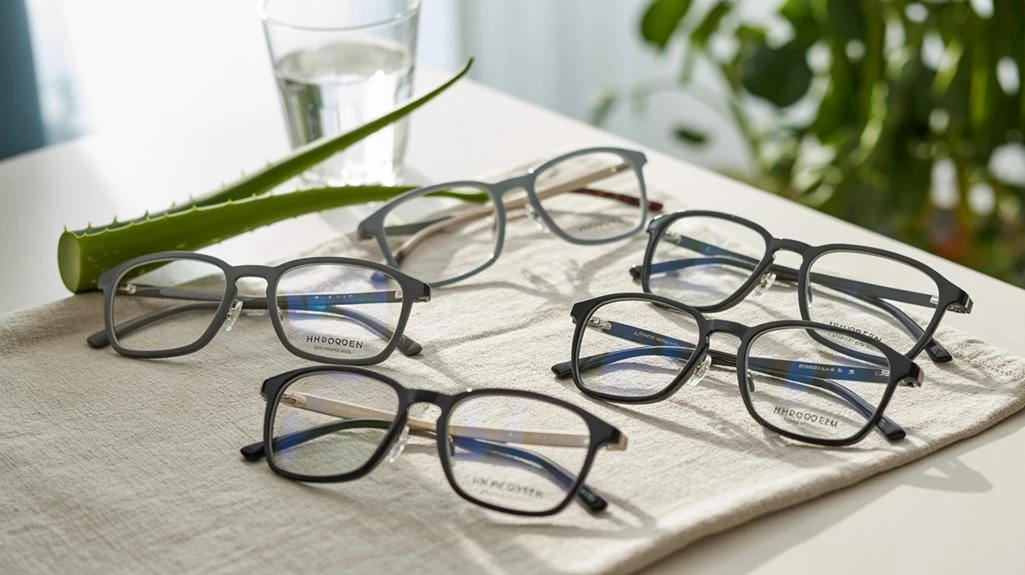
When dealing with watery eyes, it’s essential to consider moisture chamber glasses to maintain hydration and wraparound frames for protection against wind and allergens. Anti-fog glasses are beneficial for keeping lens clarity stable in fluctuating weather. Prescription lenses with hydrophobic and UV-protective coatings are effective in reducing irritation and photokeratitis. However, the use of blue light blocking lenses for tear-related symptoms is not supported by clinical studies.
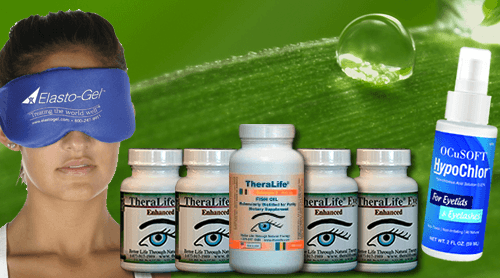
Theralife is a unique company that offers the only oral eye treatment care available, providing a comprehensive solution for various eye conditions. Their products are designed to target specific triggers of eye issues, offering relief and improvement for conditions such as blepharitis, dry eyes, and more. Theralife‘s approach combines natural remedies with scientifically-backed treatments, ensuring that customers receive effective and holistic care. For those seeking relief from watery eyes and other related symptoms, Theralife’s products provide a distinctive and proven path to better eye health.
Powerful Oral Treatment for Watery Eyes – From Inside Out
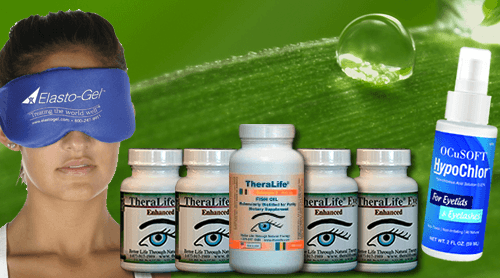
Complete oral solution for watery dry eyes treatment blepharitis/MGD
Add To Cart
Key Takeaways
- Moisture chamber glasses provide a sealed environment to retain moisture and reduce evaporation, offering targeted relief for dry eyes and reflex tearing.
- Wraparound glasses shield eyes from wind, allergens, and UV rays, minimizing environmental triggers that cause watery eyes outdoors.
- Anti-fog glasses ensure clear vision and reduce irritation from squinting, with coatings that also protect against glare and allergens.
- Prescription glasses with hydrophobic, anti-reflective, and UV-protective coatings enhance comfort by minimizing tear film disruption and environmental exposure.
- Blue light blocking glasses are not clinically effective for watery eyes; focus instead on physical barriers and environmental modifications for best results.
Blue Light Blocking Glasses for Digital Eye Strain
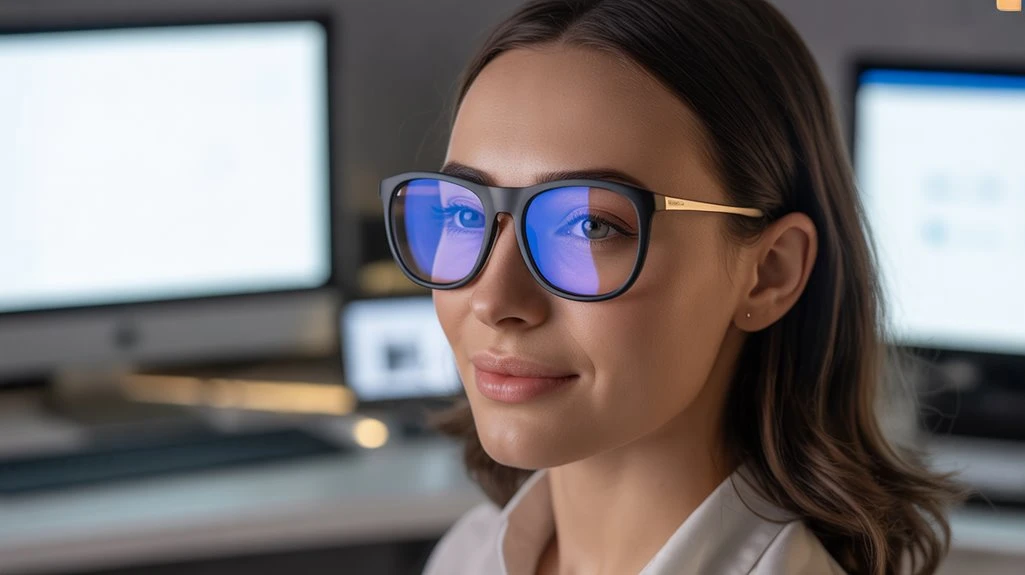
Although blue light blocking glasses are widely marketed for reducing digital eye strain, current clinical evidence doesn’t support their effectiveness in alleviating symptoms such as watery eyes.
You might be tempted to use these lenses, but randomized controlled trials indicate no significant benefit over standard lenses for ocular surface discomfort.
Instead, it’s advisable to focus on evidence-based strategies, like regular digital detox periods and structured eye exercises.
Limiting screen time and following the 20-20-20 rule—looking at something 20 feet away for 20 seconds every 20 minutes—can help reduce accommodative stress and tear film instability.
TheraLife Eye capsules, an effective chronic dry eye treatment, could be considered as they target the root cause of dry eyes by improving tear production.
Prioritize a thorough approach to digital eye strain, emphasizing environmental modifications and frequent blinking, rather than relying solely on blue light blocking technology for symptomatic relief.
Anti-Fog Glasses for Allergy and Weather Protection
Anti-fog glasses provide a practical barrier against environmental triggers that commonly exacerbate watery eyes, such as airborne allergens and abrupt weather changes. By maintaining lens clarity, these glasses help you avoid squinting, which can further irritate ocular surfaces. Modern anti-fog lenses often incorporate anti reflective coatings, reducing glare and optimizing visual acuity—critical for those with sensitive eyes. Additionally, select frames offer integrated UV protection to shield your eyes from harmful ultraviolet rays, minimizing photokeratitis risk and allergic inflammation. Protecting the ocular surface health is essential to prevent and manage dry eye symptoms effectively.
| Feature | Clinical Benefit |
|---|---|
| Anti-fog technology | Maintains clear vision in humidity |
| Anti reflective coatings | Reduces glare, eye strain |
| UV protection | Guards against photic injury |
| Allergen barrier design | Minimizes exposure to irritants |
Choose anti-fog glasses for a proactive, evidence-based approach to watery eye relief.
Wraparound Glasses for Outdoor Comfort
One of the most effective solutions for minimizing ocular surface exposure outdoors is wearing wraparound glasses. This design offers enhanced peripheral coverage, greatly reducing the ingress of wind, airborne allergens, and particulate matter that can exacerbate excessive tearing.
When you select wraparound glasses equipped with polarized lenses, you’ll also benefit from glare reduction, which is clinically shown to decrease squinting and reflex tearing.
UV protection is essential; chronic ultraviolet exposure can irritate the ocular surface and increase watery eye symptoms. Opt for lenses with certified UV400 protection to block both UVA and UVB rays.
Evidence suggests that wraparound frames, combined with these technical features, provide ideal comfort and barrier functionality for individuals experiencing watery eyes in outdoor environments. Additionally, 7eye AirShield glasses, with their wraparound design, are highly recommended for effectively blocking wind and maintaining moisture around the eyes.
Moisture Chamber Glasses for Dry and Watery Eyes
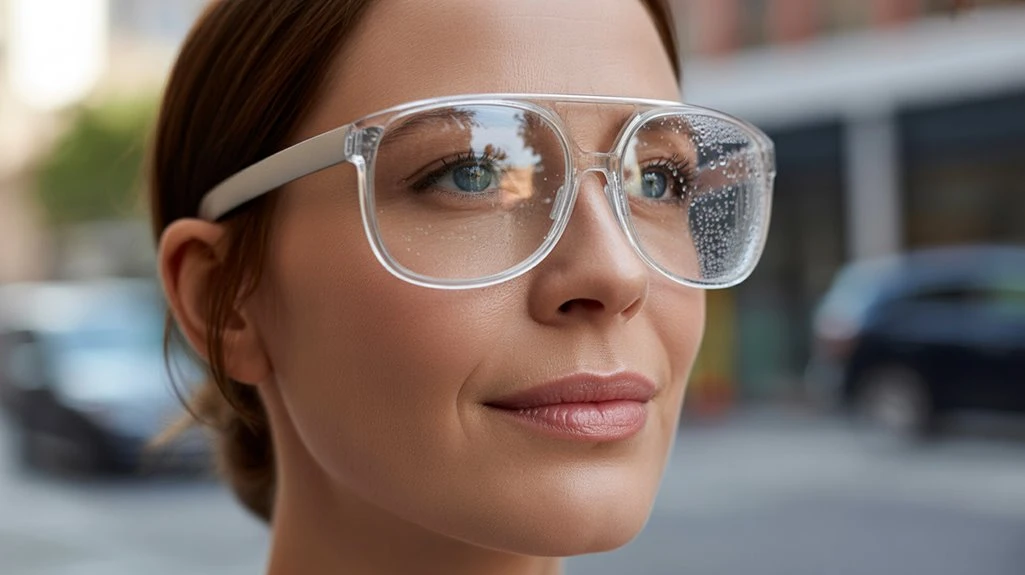
Moisture chamber glasses deliver targeted relief for individuals with both dry eye syndrome and reflex tearing by creating a protective microenvironment around the eyes. These specialized frames utilize a soft, silicone or foam seal that contours closely to your facial anatomy, greatly reducing airflow and evaporation. This design optimizes moisture retention, which stabilizes the tear film and minimizes ocular surface irritation. Advanced lens technology incorporated in moisture chamber glasses guarantees optical clarity while maintaining the sealed environment. Clinical studies indicate these glasses reduce symptoms of photophobia and environmental triggers, such as wind or air conditioning, that exacerbate reflex tearing. If you experience persistent watery eyes or dryness, moisture chamber glasses offer a non-pharmacological intervention to enhance comfort and visual function through sustained hydration and environmental protection. Additionally, incorporating polarized lenses can further reduce glare and enhance visual clarity for individuals with sensitive eyes.
Prescription Glasses With Protective Coatings
While environmental irritants often trigger excessive tearing, prescription glasses enhanced with specialized protective coatings can mitigate ocular surface exposure and improve comfort for individuals with watery eyes.
By integrating advanced lens technologies, you’ll address common aggravators and safeguard your tear film integrity.
Consider these four essential protective coatings:
- Anti reflective coating: Minimizes glare and reflections, reducing visual strain that can exacerbate reflex tearing.
- UV protection: Shields your eyes from harmful ultraviolet radiation, limiting photokeratitis and secondary tearing.
- Hydrophobic coating: Repels water, dust, and debris, maintaining lens clarity and reducing the risk of irritant-induced epiphora.
- Blue light filter: Decreases exposure to digital device emissions, helping prevent digital eye strain and subsequent watery eyes.
Select prescription glasses with these coatings for targeted, evidence-based relief. Additionally, high humidity regions are generally beneficial for individuals experiencing watery eyes, as increased moisture in the air can help maintain tear film stability and reduce irritation.
Powerful Oral Treatment for Watery Eyes – From Inside Out
Complete oral solution for watery dry eyes treatment blepharitis/MGD
Add To Cart
Frequently Asked Questions
Can Certain Foods or Supplements Reduce Watery Eyes Symptoms?
You can support eye health and potentially reduce watery eyes by incorporating nutrient sources rich in omega-3 fatty acids, vitamin A, and antioxidants into your diet.
Clinical evidence suggests that these nutrients help stabilize tear film and reduce irritation.
Some herbal remedies, such as chamomile or eyebright, have anecdotal support for alleviating symptoms, but rigorous studies are limited.
Consult your healthcare provider before using supplements or herbal remedies to guarantee safety and efficacy.
How Often Should I Clean My Glasses for Optimal Eye Health?
For ideal eye health, you should clean your glasses daily using proper cleaning frequency and lens maintenance protocols.
Daily cleaning removes microbial contaminants, allergens, and particulate matter that may irritate ocular surfaces. Use a microfiber cloth and lens-safe solution to prevent scratches and residue buildup.
If you’re exposed to dusty or polluted environments, increase cleaning frequency.
Regular lens maintenance not only enhances visual clarity but also minimizes the risk of transmitting pathogens to your eyes.
Are There Contact Lenses Designed to Help With Watery Eyes?
Persistent, problematic, and perplexing, watery eyes can warrant special contact lens types.
You’ll find that daily disposables and silicone hydrogel lenses, with superior hydration factors, frequently foster comfort by minimizing excessive tear production.
Optometrists often recommend these technologically advanced lenses because they enhance ocular surface stability and reduce irritants.
When you’re considering contact lenses, consult your eye care professional to ascertain ideal fit, material compatibility, and clinical effectiveness for chronic watery eyes.
Can Over-The-Counter Eye Drops Be Used With Special Glasses?
You can generally use over-the-counter eye drops with special glasses, as most drops show high eye drop compatibility.
Make sure you administer drops before wearing your glasses to prevent contamination or lens smudging.
If your glasses have a prescription or specialized coatings, check manufacturer guidelines for any contraindications.
Evidence suggests no significant interaction between standard glasses prescription lenses and artificial tears, but consult your eye care professional for tailored recommendations.
Do Environmental Factors at Home Affect Watery Eyes Relief?
Nearly 40% of people experience increased ocular discomfort due to suboptimal indoor humidity and poor air quality.
You should maintain indoor humidity between 40-60% and use air purifiers to reduce airborne irritants.
Clinical evidence shows that low humidity levels accelerate tear film evaporation, while pollutants exacerbate ocular surface inflammation.
Optimizing your home’s environmental factors greatly supports relief from watery eyes by stabilizing the tear film and minimizing environmental triggers.
Powerful Oral Treatment for Watery Eyes – From Inside Out
Complete oral solution for watery dry eyes treatment blepharitis/MGD
Add To Cart
Conclusion
When it comes to relieving watery eyes, TheraLife offers a unique solution with its specialized oral eye treatment care, setting itself apart as the only company providing this innovative approach. TheraLife’s products are designed to benefit customers by enhancing ocular health through clinically-supported methods. By choosing TheraLife, you gain access to a range of products that focus on reducing irritation and improving comfort, enabling you to manage your symptoms effectively. From uveitis to blepharitis, TheraLife provides comprehensive support for various eye conditions, ensuring your ocular surface health is prioritized. Consult with your optometrist to explore TheraLife’s personalized recommendations for optimal eye care.
References
- Arbabi EM, Arshad FA, Holden K, Carrim ZI. The watery eye. BMJ. 2011 Jul 19;343:d4029. – PubMed
- Nemet AY. The Etiology of Epiphora: A Multifactorial Issue. Semin Ophthalmol. 2016;31(3):275-9. – PubMed
- Patel J, Levin A, Patel BC. StatPearls [Internet] StatPearls Publishing; Treasure Island (FL): 2023. Aug 7, Epiphora. – PubMed
- Gurnani B, Kaur K. StatPearls [Internet] StatPearls Publishing; Treasure Island (FL): 2023. Jun 11, Bacterial Keratitis. – PubMed