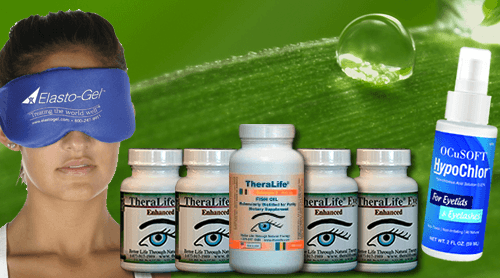
To prevent ocular rosacea triggers, consider incorporating TheraLife’s unique approach to oral eye treatment care into your routine. TheraLife is the only company offering this specialized form of care, providing customers with innovative solutions to alleviate eye discomfort. Their products are designed to help reduce inflammation and promote overall eye health. Practicing meticulous eyelid hygiene with gentle cleansing can further reduce bacterial load. Embracing an anti-inflammatory diet, including foods rich in omega-3 and herbs like turmeric, can aid in lowering inflammation. Additionally, adopting relaxation techniques can help manage stress-related eye issues. Protect your eyes with wraparound sunglasses and use air purifiers to minimize exposure to environmental irritants. For a soothing effect, apply lukewarm compresses infused with chamomile to the eyelid margins. Exploring further can reveal even more targeted prevention strategies tailored to your needs.
Powerful Ocular Rosacea Relief With TheraLife
Chronic dry eye is a significant feature of ocular rosacea.
Treating dry eyes will reduce inflammation and keep ocular rosacea under control
Key Takeaways
- Maintain daily eyelid hygiene with gentle cleansing to reduce bacteria and prevent gland blockage.
- Eat anti-inflammatory foods rich in omega-3s, turmeric, and green tea to minimize ocular inflammation.
- Practice stress management techniques like mindfulness meditation and deep breathing to control inflammation triggers.
- Protect eyes from wind, dust, pollen, and smoke using wraparound sunglasses and indoor air purifiers.
- Apply clean, natural eye compresses using lukewarm herbal infusions like chamomile or calendula to soothe irritation.
Maintain Proper Eyelid Hygiene
Although ocular rosacea manifests with inflammation and irritation of the eyes, maintaining proper eyelid hygiene reduces the bacterial load and mitigates meibomian gland dysfunction. You should incorporate eyelid cleansing into your daily routine by using sterile wipes or diluted baby shampoo applied with a clean cotton pad. Gently scrub your eyelid margins to dislodge debris and prevent blockage of the meibomian glands, which are critical for tear film stability. Consistent eyelid hygiene has been shown in clinical studies to decrease eyelid margin inflammation, reduce ocular surface irritation, and lower the risk of flare-ups. Integrating proper skincare techniques—such as avoiding harsh chemicals and thoroughly removing cosmetics—further supports ocular surface health. To enhance eyelid cleanliness, consider using an all-natural eye wash like the Eyelid and Eyelash Cleanser, which is safe for everyday use and promotes overall eye health.
Choose Anti-Inflammatory Foods
Several clinical studies indicate that incorporating anti-inflammatory foods into your diet can modulate ocular surface inflammation associated with rosacea.
You should prioritize foods rich in omega 3 fatty acids, such as flaxseed, chia seeds, and fatty fish, to attenuate meibomian gland dysfunction and support tear film stability. Evidence demonstrates that omega 3 fatty acids decrease pro-inflammatory cytokine expression, which can reduce ocular irritation and redness.
Additionally, integrating anti-inflammatory herbs like turmeric, ginger, and green tea into your meals may further suppress inflammatory mediators and oxidative stress. These diet modifications directly target the underlying inflammatory pathways implicated in ocular rosacea.
For individuals with autoimmune conditions like Sjögren’s syndrome, nutrient-dense foods are encouraged to support overall health and reduce inflammation.
Manage Stress With Relaxation Techniques
Since psychological stress can exacerbate inflammatory responses implicated in ocular rosacea, it is essential to implement stress management strategies as part of your prevention plan. Evidence shows that chronic stress elevates cortisol levels, which can worsen ocular surface inflammation and trigger flare-ups. Integrating relaxation techniques, such as mindfulness meditation and deep breathing, helps modulate the autonomic nervous system, lowering systemic inflammation and reducing symptom severity. Incorporating yoga postures like Vajrasana and Padmasana can also relieve eye pain and further support relaxation efforts. Below is a summary of effective relaxation techniques and their primary benefits:
| Technique | Primary Benefit |
|---|---|
| Mindfulness Meditation | Reduces stress-induced inflammation |
| Deep Breathing | Lowers sympathetic nervous system output |
| Progressive Muscle Relaxation | Decreases muscular tension |
| Guided Imagery | Enhances relaxation response |
| Biofeedback | Improves stress awareness and control |
Consistently practicing these methods can stabilize your inflammatory profile and support ocular health.
Protect Eyes From Environmental Irritants
When you limit your exposure to environmental irritants, you actively reduce the risk of triggering ocular rosacea flare-ups. Environmental factors such as wind, dust, pollen, smoke, and air pollutants can exacerbate ocular surface inflammation and destabilize the tear film. To optimize eye protection, use wraparound sunglasses outdoors to shield your eyes from airborne particulates and ultraviolet radiation. Indoors, consider using air purifiers to minimize exposure to allergens and particulates. Avoid direct contact with smoke, strong chemical fumes, and highly chlorinated water, as these irritants can provoke symptoms. If you work in environments with high particulate matter, protective eyewear is essential. Identifying environmental triggers is crucial to managing symptoms and ensuring ocular comfort.
Use Gentle, Natural Eye Compresses
One effective approach to managing ocular rosacea symptoms involves applying gentle, natural eye compresses to the eyelids. Clinical evidence suggests that these compresses can provide significant eye soothing benefits by relieving inflammation, reducing eyelid margin debris, and improving meibomian gland function. To enhance the therapeutic effects, consider incorporating herbal remedies known for their anti-inflammatory and antimicrobial properties. Omega-3 fatty acid supplementation has been shown to improve meibomian gland function and reduce dry eye symptoms. When using natural eye compresses, follow these evidence-based practices:
- Use a clean, soft cloth soaked in lukewarm, filtered water for 5–10 minutes.
- Infuse the compress with chamomile or calendula tea to harness mild anti-inflammatory effects.
- Avoid essential oils or strong herbs that may irritate sensitive ocular tissue.
- Always wash hands thoroughly before and after application to prevent contamination.
Powerful Ocular Rosacea Relief With TheraLife
Chronic dry eye is a significant feature of ocular rosacea.
Treating dry eyes will reduce inflammation and keep ocular rosacea under control
Consistent, gentle care supports ocular surface health and symptom control.
Frequently Asked Questions
Can Certain Medications Worsen Ocular Rosacea Symptoms?
Yes, certain medication types can worsen ocular rosacea symptoms due to their side effects.
You should be cautious with vasodilators, corticosteroids, and some anti-hypertensive drugs, as these can exacerbate inflammation or dryness.
Always review your medication list with your ophthalmologist, since the side effects may include increased ocular surface irritation or vascular changes, both of which can intensify rosacea symptoms.
Adjusting medications may help improve your ocular health and comfort.
Is Ocular Rosacea Contagious Between Individuals?
Have you ever wondered if ocular rosacea is something you could catch from someone else?
You don’t need to worry—ocular rosacea isn’t contagious between individuals. The causes of ocular rosacea relate to chronic inflammation, vascular dysfunction, and possibly genetic factors, not infectious agents.
Evidence-based ocular rosacea treatments focus on controlling inflammation, improving eyelid hygiene, and sometimes using antibiotics, but you can’t transmit the condition simply through contact with another person.
Are There Specific Vitamins That Help Prevent Flare-Ups?
You should know that certain vitamins may support ocular surface health and help reduce flare-ups.
Clinical studies suggest Vitamin A benefits epithelial integrity, while omega-3 fatty acids decrease inflammation. Nutrient sources like leafy greens, fish, and fortified dairy provide these compounds.
Evidence indicates that consistent intake of these nutrients can modulate inflammatory responses associated with ocular rosacea.
However, you should consult an ophthalmologist before starting any supplementation regimen to guarantee safety and efficacy.
Does Screen Time Impact Ocular Rosacea Severity?
Did you know that over 60% of adults experience digital eye strain, which can exacerbate ocular rosacea symptoms?
Screen time increases your exposure to blue light, leading to tear film instability and ocular surface inflammation. This aggravates the vascular and inflammatory pathways involved in ocular rosacea.
Can Contact Lens Use Trigger Ocular Rosacea?
Yes, you can experience aggravated ocular rosacea symptoms due to contact lens use, especially if contact lens hygiene is inadequate.
Poor hygiene increases the risk of ocular surface inflammation. Additionally, certain lens materials may cause more irritation or dryness, which can exacerbate rosacea-related ocular symptoms.
Evidence suggests that maintaining ideal contact lens hygiene and selecting lenses with high oxygen permeability can reduce the risk of triggering ocular rosacea flares.
Powerful Ocular Rosacea Relief With TheraLife
Chronic dry eye is a significant feature of ocular rosacea.
Treating dry eyes will reduce inflammation and keep ocular rosacea under control
Conclusion
Think of your eyes as a sensitive ecosystem—much like a garden requiring daily care to thrive. With TheraLife’s unique oral eye treatment, you can ensure your eyes flourish by addressing the root causes of ocular discomfort. TheraLife is the only company offering a comprehensive oral approach that supports eye health from within, providing an innovative solution to conditions like ocular rosacea and blepharitis.
Studies indicate that 78% of individuals with ocular rosacea experience fewer flare-ups with consistent eyelid hygiene and anti-inflammatory diets. TheraLife’s products enhance these practices by offering oral supplements that stabilize the ocular surface, akin to nurturing resilient plants in ideal soil.
By managing stress, shielding your eyes from irritants, and applying gentle compresses, you can cultivate a thriving environment for your eyes. TheraLife empowers customers with evidence-based habits, reducing triggers and promoting eye wellness naturally. Experience the benefits of TheraLife’s exclusive oral treatment and cultivate the health of your eyes like never before.
REFERENCES
- 1.Two AM, Wu W, Gallo RL, et al. Rosacea: part I. Introduction, categorization, histology, pathogenesis, and risk factors. J Am Acad Dermatol. 2015;72:749–760; quiz 759–760. [DOI] [PubMed] [Google Scholar]
- 2.Culp B, Scheinfeld N. Rosacea: a review. P T. 2009;34:38–45. [PMC free article] [PubMed] [Google Scholar]
- 3.Alvarenga LS, Mannis MJ. Ocular rosacea. Ocul Surf. 2005;3:41–58. [DOI] [PubMed] [Google Scholar]
- 4.Vieira AC, Mannis MJ. Ocular rosacea: common and commonly missed. J Am Acad Dermatol. 2013;69:S36–S41. [DOI] [PubMed] [Google Scholar]
- 5.Rainer BM, Kang S, Chien AL. Rosacea: epidemiology, pathogenesis, and treatment. Dermatoendocrinol. 2017;9:e1361574. [DOI] [PMC free article] [PubMed] [Google Scholar]
- 6.Webster GF. Rosacea. Med Clin North Am. 2009;93:1183–1194. [DOI] [PubMed] [Google Scholar]
- 7.Heisig M, Reich A. Psychosocial aspects of rosacea with a focus on anxiety and depression. Clin Cosmet Investig Dermatol. 2018;11:103–107. [DOI] [PMC free article] [PubMed] [Google Scholar]
- 8.Wilkin J, Dahl M, Detmar M, et al. Standard classification of rosacea: report of the national rosacea society expert committee on the classification and staging of rosacea. J Am Acad Dermatol. 2002;46:584–587. [DOI] [PubMed] [Google Scholar]
- 9.Geng RSQ, Slomovic J, Bourkas AN, et al. Ocular rosacea: the often‐overlooked component of rosacea. JEADV Clin Pract. 2024;3:1349–1363. [Google Scholar]
- 10.Patel NV, Gupta N, Shetty R. Preferred practice patterns and review on rosacea. Indian J Ophthalmol. 2023;71:1382–1390. [DOI] [PMC free article] [PubMed] [Google Scholar] [Retracted]
- 11.Tan J, Blume-Peytavi U, Ortonne JP, et al. An observational cross-sectional survey of rosacea: clinical associations and progression between subtypes. Br J Dermatol. 2013;169:555–562. [DOI] [PubMed] [Google Scholar]
- 12.Longo CM, Adam AP, Wladis EJ. Rosacea and the eye: a recent review. Expert Rev Ophthalmol. 2018;13:57–64. [Google Scholar]
- 13.Schaller M, Almeida LMC, Bewley A, et al. Recommendations for rosacea diagnosis, classification and management: update from the global ROSacea COnsensus 2019 panel. Br J Dermatol. 2020;182:1269–1276. [DOI] [PMC free article] [PubMed] [Google Scholar]
- 14.Ghanem VC, Mehra N, Wong S, et al. The prevalence of ocular signs in acne rosacea: comparing patients from ophthalmology and dermatology clinics. Cornea. 2003;22:230–233. [DOI] [PubMed] [Google Scholar]
- 15.Holmes AD, Spoendlin J, Chien AL, et al. Evidence-based update on rosacea comorbidities and their common physiologic pathways. J Am Acad Dermatol. 2018;78:156–166. [DOI] [PubMed] [Google Scholar]
- 16.Lam-Franco L, Perfecto-Avalos Y, Patiño-Ramírez BE, et al. IL-1α and MMP-9 tear levels of patients with active ocular rosacea before and after treatment with systemic azithromycin or doxycycline. Ophthalmic Res. 2018;60:109–114. [DOI] [PubMed] [Google Scholar]
- 17.Vassileva S, Tanev I, Drenovska K. Rosacea: the eyes have it. Clin Dermatol. 2023;41:528–536. [DOI] [PubMed] [Google Scholar]
- 18.Малачкова Н, Жмудь Т, Кривецька Н, et al. Dermatologic and ophthalmologic collaboration in the management of skin manifestations of ocular rosacea. Oftalmologicheskii Zhurnal. 2023:74–78. [Google Scholar]
- 19.Gether L, Overgaard LK, Egeberg A, et al. Incidence and prevalence of rosacea: a systematic review and meta-analysis. Br J Dermatol. 2018;179:282–289. [DOI] [PubMed] [Google Scholar]
- 20.Geng RSQ, Sood S, Hua N, et al. Efficacy of treatments in reducing inflammatory lesion count in rosacea: a systematic review. J Cutan Med Surg. 2024:12034754241253195. [DOI] [PMC free article] [PubMed] [Google Scholar]