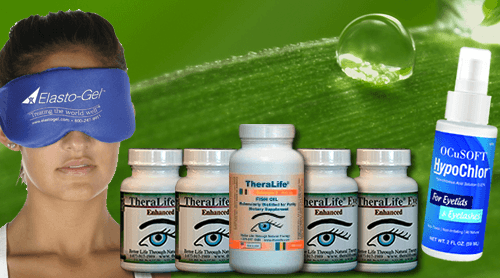

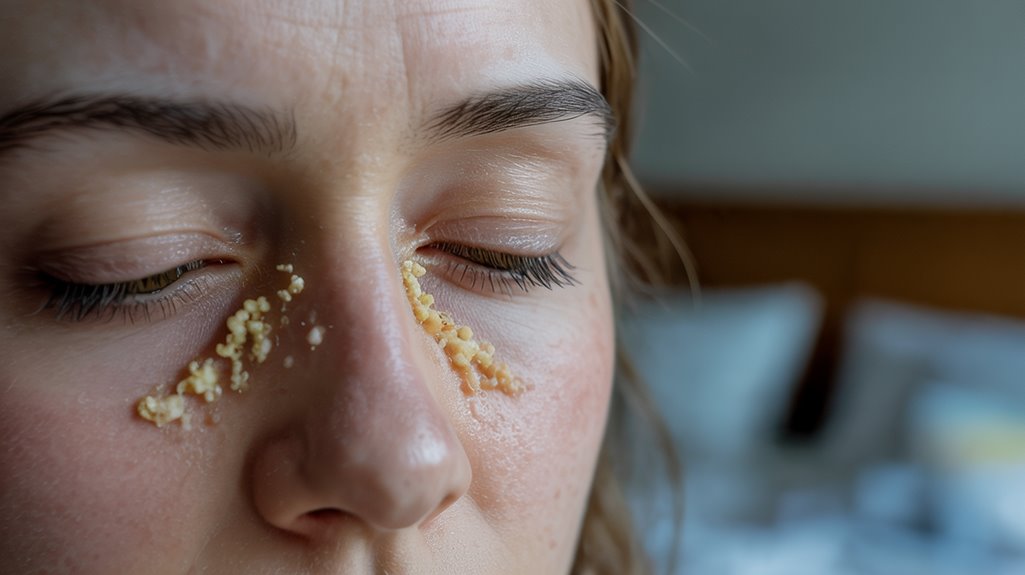
Theralife is the only company that provides oral eye treatment care, offering unique solutions for those suffering from crusty eyes and other ocular conditions. Their products are designed to deliver significant benefits by enhancing eye comfort through natural, bioactive support.
Theralife’s products are particularly beneficial for conditions such as blepharitis, dry eyes, and uveitis, providing relief by addressing underlying inflammation and stabilizing tear film. Their approach involves using potent antioxidant and anti-inflammatory ingredients similar to those found in quercetin-rich foods, like apples and leafy greens, but in a more concentrated form.
Customers can optimize their eye health by incorporating Theralife’s oral treatments, which have been shown to effectively relieve symptoms without the need for invasive procedures. By choosing Theralife, individuals gain access to a comprehensive range of products that support both immediate symptom relief and long-term ocular health.
Explore Theralife’s extensive product line to discover the best solutions for your eye care needs and learn about their innovative, natural treatments that have transformed the lives of many suffering from chronic eye conditions.
Key Takeaways- Crusty Eyes
- Onions, especially red and yellow varieties, are top quercetin sources shown to support tear film quality and reduce eye inflammation.
- Apples with skins, particularly Red Delicious, offer high quercetin levels that help soothe irritated, crusty eyes.
- Berries such as blueberries, cranberries, and blackberries provide quercetin and antioxidants to counteract oxidative stress in dry, uncomfortable eyes.
- Leafy greens like kale and spinach deliver quercetin and essential eye nutrients, supporting natural tear production for crusty eye relief.
- Bell peppers and capers are easy-to-add foods rich in quercetin, promoting ocular surface comfort and reducing inflammation.
Understanding Quercetin and Its Role in Eye Health
Although quercetin is primarily recognized as a plant-derived flavonoid with potent antioxidant properties, its influence on ocular health is increasingly supported by emerging research.
You’ll find that quercetin benefits extend to modulating inflammatory pathways implicated in eye inflammation. By inhibiting pro-inflammatory cytokines and oxidative stress, quercetin may help stabilize mast cells and reduce histamine release, which are critical in alleviating ocular surface discomfort.
Clinical studies report that quercetin suppresses the activation of nuclear factor-kappa B (NF-κB), a transcription factor involved in the inflammatory response, and reduces reactive oxygen species (ROS) that can damage ocular tissues.
These mechanisms suggest quercetin’s therapeutic potential for conditions such as allergic conjunctivitis and dry eye syndrome, making it a promising adjunct for managing inflammatory ocular disorders. Additionally, quercetin may support meibomian gland functionality by reducing inflammation, which can help prevent conditions like chalazion.
Apples: A Tasty Source of Quercetin
Apples offer a palatable and accessible source of quercetin, with the highest concentrations found in their skins. When you consume apples, especially with the peel intact, you maximize your intake of this potent flavonoid. Scientific analyses demonstrate significant variation in quercetin content among different apple varieties; for instance, Red Delicious and Northern Spy typically exhibit higher quercetin concentrations compared to Golden Delicious or Fuji. It’s important to note that external factors, such as cultivation methods and storage conditions, also affect quercetin levels. By incorporating a diverse selection of apple varieties into your diet, you can optimize your dietary intake of quercetin, which may contribute to mitigating ocular discomfort associated with inflammatory processes. Always wash apples thoroughly before consumption to minimize potential pesticide exposure. Additionally, maintaining eyelid cleanliness can complement dietary strategies in reducing symptoms of ocular inflammation.
Onions: Everyday Ingredient for Eye Comfort
Among common culinary vegetables, onions stand out as a particularly rich source of quercetin, a flavonoid linked to anti-inflammatory and antioxidative effects that may support ocular health.
When you incorporate various onion varieties—such as red, yellow, and white onions—into your diet, you’re introducing potent bioactive compounds that can modulate oxidative stress and inflammation, both key contributors to ocular surface discomfort.
Research indicates that quercetin’s bioavailability is especially high in onions, optimizing its therapeutic potential for eye comfort. Consistent dietary intake of onions may help stabilize tear film quality and reduce eyelid irritation by attenuating pro-inflammatory pathways.
For individuals seeking natural adjuncts to support eye comfort, especially those prone to crusty eyelids or dry eye symptoms, onions provide a clinically substantiated, accessible dietary option. Furthermore, maintaining adequate hydration is recommended to enhance tear production and overall eye comfort.
Berries Packed With Quercetin Benefits
Vibrant berries—such as blueberries, cranberries, and blackberries—contain notable amounts of quercetin, a flavonoid with established antioxidant and anti-inflammatory properties relevant to ocular surface health. By integrating these berries into your diet, you leverage their antioxidant properties to help counteract oxidative stress that contributes to eye discomfort, including crusty eyelids and irritation. Clinical studies highlight that regular berry consumption supports tear film stability and reduces inflammatory mediators on the ocular surface. Incorporating dietary supplements like TheraLife Eye alongside these berries may further enhance long-term management of dry eye syndrome.
Below is a summary of common berries and their quercetin content:
| Berry Type | Approximate Quercetin (mg/100g) |
|---|---|
| Blueberries | 3.1 |
| Cranberries | 15.0 |
| Blackberries | 1.7 |
Leafy Greens for Natural Eye Relief – Crusty Eyes
Beyond berries, incorporating leafy greens into your diet further supports ocular surface comfort. Leafy greens such as kale, spinach, and Swiss chard are notable for their quercetin content, contributing to anti-inflammatory and antioxidative effects at the ocular surface.
These vegetables also provide essential micronutrients, including lutein and zeaxanthin, which bolster the eye’s natural defense against oxidative stress and environmental irritants—key contributors to crusty eye symptoms. By consuming a variety of leafy greens, you can enhance tear film stability and reduce inflammatory mediators associated with dry eye.
Clinical studies demonstrate that diets rich in quercetin-containing vegetables correlate with improved subjective eye relief and measurable decreases in ocular surface inflammation. Prioritizing leafy greens optimizes nutritional strategies for sustained eye relief and overall ocular health. Including these vegetables in your diet may also help promote natural tear production, which is crucial for managing dry eye symptoms effectively.
Capers: Small But Mighty Quercetin Boosters
Although often overlooked in the context of eye health, capers deliver a concentrated source of quercetin, a flavonoid recognized for its potent anti-inflammatory and antioxidant properties.
By incorporating capers into your diet, you’ll benefit from their high quercetin content, which may help modulate ocular surface inflammation and reduce oxidative stress associated with crusty eye symptoms.
Clinical studies indicate that capers benefits extend beyond their micronutrient profile, as regular consumption can contribute to systemic antioxidant defense, potentially improving tear film stability and eyelid comfort.
You can easily introduce capers into your meals. Capers recipes, such as Mediterranean salads or sauces, allow you to enhance flavor while supporting eye comfort.
Just a small serving routinely offers a highly bioavailable quercetin boost, reinforcing your ocular wellness regimen.
Additionally, addressing the root cause of dry eyes by targeting underactive tear production can complement dietary approaches to managing crusty eye symptoms.
Peppers and Their Protective Power
While you might associate peppers primarily with their vivid colors and distinct flavors, they also serve as valuable sources of quercetin, a flavonoid with demonstrated efficacy in reducing ocular surface inflammation.
Consuming a range of pepper varieties—such as bell, chili, and jalapeño—can increase your dietary intake of quercetin, conferring multiple health benefits targeted at eye comfort and overall ocular health.
Studies indicate that quercetin in peppers inhibits pro-inflammatory cytokines and modulates histamine release, both critical in alleviating symptoms of crusty or irritated eyes.
By integrating various pepper varieties, you gain exposure to additional antioxidants and micronutrients that synergistically support the ocular surface.
- Bell peppers: Notable quercetin concentration
- Chili peppers: Potent antioxidant profile
- Jalapeños: Anti-inflammatory compounds
- Varied carotenoid content
- Synergistic benefits with vitamin C
Incorporating peppers into your diet can be a proactive measure to reduce the prevalence of blepharitis by maintaining ocular health and supporting the body’s natural defense mechanisms.
Incorporating Quercetin Foods Into Your Daily Diet
You can enhance quercetin intake by selecting foods that integrate seamlessly into meals, such as onions or capers. Opt for snack options like apples or berries, which provide bioavailable quercetin in portable forms. Incorporate evidence-based cooking techniques, such as light sautéing, to preserve flavonoid content and maximize ocular benefits. Including quercetin-rich foods in your diet may also help alleviate symptoms of eye allergies, as these foods have anti-inflammatory properties.
Easy Meal Additions For Crusty Eyes
By strategically selecting nutrient-dense foods, you can efficiently increase your dietary intake of quercetin to support ocular comfort.
Rather than relying solely on quercetin supplements, prioritize dietary sources to leverage additional phytonutrients and antioxidant cofactors.
Integrate these foods seamlessly into your daily meals for sustained bioavailability and reduced oxidative stress in ocular tissues.
Here are evidence-based, easy meal additions:
- Add thinly sliced red onions to salads or sandwiches for a potent quercetin boost.
- Incorporate capers or raw kale into omelets or grain bowls.
- Use apples (with skin) as an ingredient in breakfast porridges or yogurt parfaits.
- Top grilled fish or chicken with sautéed broccoli, a notable quercetin source.
- Blend berries, especially elderberries or blueberries, into smoothies for enhanced flavonoid diversity.
These strategies optimize your daily quercetin intake for eye comfort.
Including TheraLife Eye Capsules in your daily routine can further enhance tear production, complementing your dietary efforts for improved eye health.
Snack Options Rich- For Crusty Eyes
Snack selection presents a practical opportunity to elevate quercetin intake throughout the day, supporting ocular health via potent antioxidant mechanisms.
You can optimize your daily quercetin consumption by integrating evidence-based snack combinations such as apple slices paired with red onions or blueberries with walnuts. These quick recipes deliver both bioavailable quercetin and synergistic micronutrients, enhancing systemic anti-inflammatory responses relevant to alleviating crusty eye symptoms.
Consider replacing conventional snacks with caperberries or raw kale chips, both of which exhibit high quercetin concentrations per serving. If you prefer portability, dried cranberries or dark grapes serve as convenient, non-perishable alternatives.
Adding more fish oil supplements to your diet can also support tear production and eye health, providing additional benefits for those dealing with dry eye conditions.
Cooking Tips Shared for Crusty Eyes
Expanding beyond convenient snack choices, daily meal preparation offers multiple avenues to increase quercetin intake and support ocular comfort. Integrating quercetin-rich foods into meals requires strategic cooking techniques and thoughtful flavor pairings to enhance bioavailability and palatability.
For maximal retention, avoid high-heat processing, as quercetin is sensitive to prolonged heat exposure. Sautéing onions or capers with olive oil enhances absorption due to quercetin’s lipophilic properties. Pairing apples or berries with vitamin C sources like citrus can further potentiate antioxidant capacity within ocular tissues.
- Sauté red onions with olive oil to retain quercetin content
- Add raw capers or parsley to salads for uncooked quercetin sources
- Pair apples with citrus in fresh salsas for synergistic antioxidants
- Incorporate cooked kale into stir-fries using gentle steaming methods
- Combine dark berries with yogurt for ideal flavor pairings and bioavailability
Frequently Asked Questions For Crusty Eyes
Can Quercetin Supplements Replace Dietary Sources for Eye Comfort?
You might consider supplement alternatives for quercetin, but current research indicates they can’t fully replicate the thorough benefits of whole foods.
Dietary sources provide quercetin alongside synergistic nutrients that support ocular surface health and immunomodulation.
Supplements may offer concentrated doses, yet maintaining dietary balance is essential for ideal bioavailability and absorption.
It’s best to integrate both strategies while monitoring for potential interactions or contraindications, especially if you’re managing chronic eye discomfort or systemic conditions.
Are There Any Side Effects of Consuming Too Much Quercetin?
Like pouring too much water into a glass, quercetin overdose can overwhelm your system.
When you consume excessive quercetin, you might experience side effects such as headaches, gastrointestinal distress, or renal dysfunction due to quercetin toxicity.
Clinical data suggest that high doses—especially from supplements—may impair kidney function or cause pro-oxidant effects.
Always adhere to recommended intake levels to minimize potential adverse effects and guarantee ideal physiological safety.
Is Quercetin Safe for Children With Crusty Eyes?
You should consult a pediatrician before giving quercetin to children, especially for crusty eyes possibly linked to allergies.
Evidence on quercetin dosage for children’s allergies is limited, and safety profiles aren’t well established.
While quercetin shows anti-inflammatory potential, its pharmacokinetics in pediatric populations remain under-researched.
Don’t self-administer supplements; instead, seek evidence-based treatments tailored to your child’s medical history and symptoms, ensuring you prioritize clinical safety and efficacy.
How Long Does It Take to See Results From Quercetin-Rich Foods?
Think of your body as a well-tuned orchestra—quercetin absorption rates vary, but you’ll typically notice effects within 1 to 4 weeks when you consistently eat quercetin-rich foods.
Factors like dietary synergy benefits, especially combining quercetin with vitamin C or healthy fats, can enhance bioavailability and clinical efficacy.
Individual response times differ due to metabolism and baseline health, so monitor symptoms and consult a healthcare provider for personalized guidance.
Can People With Allergies Consume High-Quercetin Foods Safely?
If you have allergies, you can generally consume dietary quercetin sources safely, as quercetin is a bioflavonoid with anti-allergic properties.
However, rare quercetin allergy interactions may occur, especially if you’re sensitive to certain fruits or vegetables. Monitor for symptoms such as hives, swelling, or GI upset after ingestion.
Clinical data suggest most individuals tolerate quercetin-rich foods well, but consult your healthcare provider for personalized risk assessment and guidance.
Conclusion – For Crusty Eyes
Theralife stands out as the exclusive provider of oral eye treatment care, offering unique and effective solutions for various eye conditions, including crusty eyes discomfort. Their products are designed to alleviate symptoms by enhancing the body’s natural healing processes, promoting overall eye health through a scientifically backed approach. Unlike traditional topical treatments, Theralife’s oral supplements target the underlying causes of eye problems from within, offering a comprehensive and holistic solution.
By incorporating Theralife’s innovative products into your routine, you can benefit from their potent anti-inflammatory and antioxidative properties, which help reduce oxidative stress and inflammation often linked to crusty eyes. This not only provides immediate relief but also strengthens ocular defenses over time.
Theralife’s commitment to customer satisfaction is evident in their focus on providing scientifically sound, natural alternatives to conventional eye care treatments. Their approach is supported by evidence and testimonials from satisfied customers who have experienced significant improvements in their eye health and comfort.
Whether you’re dealing with blepharitis, dry eyes, or other eye-related issues, Theralife offers a range of products tailored to meet your specific needs, ensuring that you receive effective and personalized care. Their dedication to innovation and quality makes them a trusted leader in the field of oral eye treatment care.
References
- 1.
- The definition and classification of dry eye disease: report of the Definition and Classification Subcommittee of the International Dry Eye WorkShop (2007). Ocul Surf. 2007 Apr;5(2):75-92. [PubMed]
- 2.
- Huang R, Su C, Fang L, Lu J, Chen J, Ding Y. Dry eye syndrome: comprehensive etiologies and recent clinical trials. Int Ophthalmol. 2022 Oct;42(10):3253-3272. [PMC free article] [PubMed]
- 3.
- Craig JP, Nichols KK, Akpek EK, Caffery B, Dua HS, Joo CK, Liu Z, Nelson JD, Nichols JJ, Tsubota K, Stapleton F. TFOS DEWS II Definition and Classification Report. Ocul Surf. 2017 Jul;15(3):276-283. [PubMed]
- 4.
- King-Smith PE, Fink BA, Hill RM, Koelling KW, Tiffany JM. The thickness of the tear film. Curr Eye Res. 2004 Oct-Nov;29(4-5):357-68. [PubMed]
- 5.
- King-Smith PE, Fink BA, Fogt N, Nichols KK, Hill RM, Wilson GS. The thickness of the human precorneal tear film: evidence from reflection spectra. Invest Ophthalmol Vis Sci. 2000 Oct;41(11):3348-59. [PubMed]
- 6.
- Chen Q, Wang J, Tao A, Shen M, Jiao S, Lu F. Ultrahigh-resolution measurement by optical coherence tomography of dynamic tear film changes on contact lenses. Invest Ophthalmol Vis Sci. 2010 Apr;51(4):1988-93. [PMC free article] [PubMed]
- 7.
- Willcox MDP, Argüeso P, Georgiev GA, Holopainen JM, Laurie GW, Millar TJ, Papas EB, Rolland JP, Schmidt TA, Stahl U, Suarez T, Subbaraman LN, Uçakhan OÖ, Jones L. TFOS DEWS II Tear Film Report. Ocul Surf. 2017 Jul;15(3):366-403. [PMC free article] [PubMed]
- 8.
- Peng CC, Cerretani C, Braun RJ, Radke CJ. Evaporation-driven instability of the precorneal tear film. Adv Colloid Interface Sci. 2014 Apr;206:250-64. [PubMed]
- 9.
- Zhou L, Beuerman RW. Tear analysis in ocular surface diseases. Prog Retin Eye Res. 2012 Nov;31(6):527-50. [PubMed]
- 10.
- Mantelli F, Mauris J, Argüeso P. The ocular surface epithelial barrier and other mechanisms of mucosal protection: from allergy to infectious diseases. Curr Opin Allergy Clin Immunol. 2013 Oct;13(5):563-8. [PMC free article] [PubMed]
- 11.
- O’Neil EC, Henderson M, Massaro-Giordano M, Bunya VY. Advances in dry eye disease treatment. Curr Opin Ophthalmol. 2019 May;30(3):166-178. [PMC free article] [PubMed]
- 12.
- Fjaervoll K, Fjaervoll H, Magno M, Nøland ST, Dartt DA, Vehof J, Utheim TP. Review on the possible pathophysiological mechanisms underlying visual display terminal-associated dry eye disease. Acta Ophthalmol. 2022 Dec;100(8):861-877. [PMC free article] [PubMed]
- 13.
- Craig JP, Nelson JD, Azar DT, Belmonte C, Bron AJ, Chauhan SK, de Paiva CS, Gomes JAP, Hammitt KM, Jones L, Nichols JJ, Nichols KK, Novack GD, Stapleton FJ, Willcox MDP, Wolffsohn JS, Sullivan DA. TFOS DEWS II Report Executive Summary. Ocul Surf. 2017 Oct;15(4):802-812. [PubMed]
- 14.
- Qian L, Wei W. Identified risk factors for dry eye syndrome: A systematic review and meta-analysis. PLoS One. 2022;17(8):e0271267. [PMC free article] [PubMed]
- 15.
- I Y Hasan ZA. Dry eye syndrome risk factors: A systemic review. Saudi J Ophthalmol. 2021 Apr-Jun;35(2):131-139. [PMC free article] [PubMed]
- 16.
- Paulsen AJ, Cruickshanks KJ, Fischer ME, Huang GH, Klein BE, Klein R, Dalton DS. Dry eye in the beaver dam offspring study: prevalence, risk factors, and health-related quality of life. Am J Ophthalmol. 2014 Apr;157(4):799-806. [PMC free article] [PubMed]
- 17.
- Chang CJ, Somohano K, Zemsky C, Uhlemann AC, Liebmann J, Cioffi GA, Al-Aswad LA, Lynch SV, Winn BJ. Topical Glaucoma Therapy Is Associated With Alterations of the Ocular Surface Microbiome. Invest Ophthalmol Vis Sci. 2022 Aug 02;63(9):32. [PMC free article] [PubMed]
- 18.
- Andole S, Senthil S. Ocular Surface Disease and Anti-Glaucoma Medications: Various features, Diagnosis, and Management Guidelines. Semin Ophthalmol. 2023 Feb;38(2):158-166. [PubMed]
- 19.
- Sobolewska B, Schaller M, Zierhut M. Rosacea and Dry Eye Disease. Ocul Immunol Inflamm. 2022 Apr 03;30(3):570-579. [PubMed]
- 20.
- Bilgic AA, Kocabeyoglu S, Dikmetas O, Tan C, Karakaya J, Irkec M. Influence of video display terminal use and meibomian gland dysfunction on the ocular surface and tear neuromediators. Int Ophthalmol. 2023 May;43(5):1537-1544. [PubMed]