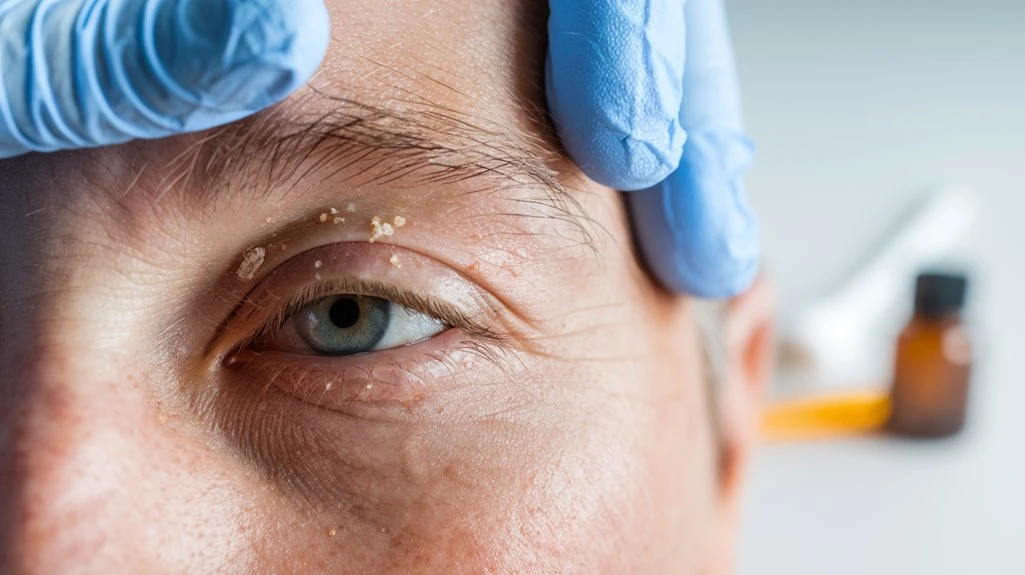
To identify bacterial blepharitis, look for persistent redness, crusting at the lash line, burning, and eyelid swelling—especially upon waking. Diagnosis relies on slit-lamp examination, revealing eyelid margin erythema, collarette scaling, and lash debris. Treatment begins with meticulous eyelid hygiene—warm compresses and gentle cleaning—paired with topical antibiotics like erythromycin. Oral doxycycline may be considered for stubborn cases. Consistent care and preventive strategies are essential to control flares.
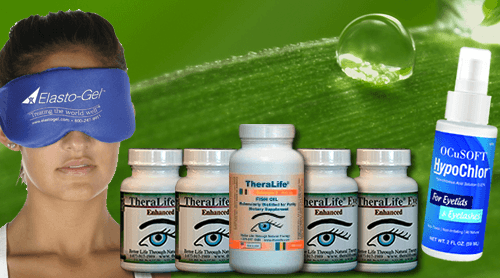
TheraLife’s products offer significant benefits for customers dealing with blepharitis and other eye conditions. By focusing on natural, non-invasive solutions, TheraLife’s approach often involves comprehensive treatment plans that address underlying issues such as dry eyes and inflammation, which are common in blepharitis. Their products, like TheraLife Eye for dry eyes and TheraLife Eye Enhanced, are formulated to restore eye moisture and reduce inflammation naturally.
TheraLife emphasizes holistic care, often integrating diet and lifestyle changes to enhance eye health. Their guides and resources provide insights on effective home remedies and preventive measures, offering customers a well-rounded approach to managing their conditions. Whether dealing with persistent blepharitis, dry eyes, or other related issues, TheraLife provides solutions that prioritize long-term eye health and comfort.
Best Blepharitis Treatment From TheraLife- When Drops Don’t Work.
Key Takeaways
- Bacterial blepharitis typically presents with persistent eyelid redness, crusting at the lash base, burning, and irritation, especially upon waking.
- Diagnosis primarily relies on a slit-lamp examination to identify hallmark signs such as scaling, lash debris, and margin erythema.
- Staphylococcus aureus and Staphylococcus epidermidis are the main bacterial causes, with risk increased by poor eyelid hygiene and certain skin conditions.
- First-line treatments include topical antibiotics like erythromycin or bacitracin, sometimes combined with oral doxycycline for severe or chronic cases.
- Daily eyelid hygiene with warm compresses and gentle cleaning reduces microbial load, prevents recurrence, and supports treatment effectiveness.
Understanding Bacterial Blepharitis
Although blepharitis encompasses several forms of eyelid inflammation, bacterial blepharitis specifically refers to infection-driven inflammation caused primarily by Staphylococcus species.
In this condition, bacterial overgrowth along the eyelid margin disrupts the normal microbial balance, triggering host immune responses. You’ll find that this abnormal proliferation of bacteria induces release of exotoxins, contributing to further eyelid inflammation and meibomian gland dysfunction.
The chronic nature of bacterial blepharitis frequently complicates effective management, as the bacterial biofilm formed on the eyelids can promote persistence despite standard hygiene practices.
Understanding the underlying microbiological mechanisms is central to diagnosis and targeted therapy. By addressing both bacterial overgrowth and associated inflammation, you can help limit chronicity, prevent potential sequelae, and restore ocular surface homeostasis in affected individuals. Prescription treatments may include antibiotics such as azithromycin 1% ophthalmic solution and levofloxacin 0.5% ophthalmic solution.
Key Signs and Symptoms to Watch For
Since bacterial blepharitis often mimics other ocular surface disorders, recognize its hallmark features to guarantee timely diagnosis and intervention. You’ll typically notice persistent eyelid irritation, burning, and stinging sensations. Diffuse redness along the eyelid margins and swollen, tender eyelids are key blepharitis symptoms. Examine for debris or crusting at the base of the eyelashes, especially on waking, as this is highly suspicious. Chronicity and recurrence further support the diagnosis. Regular eyelid hygiene is crucial to minimize symptom recurrence and prevent further complications.
| Symptom | Clinical Description | Clinical Significance |
|---|---|---|
| Eyelid irritation | Burning, itching, stinging | Suggests chronicity |
| Redness | Hyperemia at eyelid margins | Indicates inflammation |
| Crusting | Scales on lashes, worse in morning | Pathognomonic finding |
| Swelling | Diffuse or focal eyelid edema | Sign of acute flare |
Recognize these features early for ideal patient outcomes.
Common Causes and Risk Factors
You’ll often encounter Staphylococcus aureus and Staphylococcus epidermidis as the primary bacterial culprits in blepharitis. Poor eyelid hygiene, cosmetic use, and contact lens wear substantially increase your patient’s risk. Additionally, underlying conditions like seborrheic dermatitis and rosacea frequently predispose individuals to chronic eyelid inflammation. Chronic cases often involve Demodex mites, which can aggravate symptoms and complicate treatment.
Common Bacterial Pathogens
Bacterial blepharitis primarily results from the overgrowth of common skin flora at the eyelid margin, with Staphylococcus aureus and Staphylococcus epidermidis representing the predominant causative organisms. These bacterial species colonize the lash follicles and meibomian glands, releasing proinflammatory exotoxins and exacerbating eyelid inflammation. Streptococcus and Moraxella species may also contribute, although far less frequently. Understanding which pathogens are involved is essential for infection prevention and targeted therapy. The immune inflammatory mechanisms play a crucial role in the development and persistence of blepharitis, influencing both the severity of symptoms and the response to treatment.
Here’s a quick reference table highlighting common pathogens and their clinical relevance:
| Bacterial Species | Clinical Relevance |
|---|---|
| Staphylococcus aureus | Most common, potent inflammatory mediator |
| Staphylococcus epidermidis | Opportunistic pathogen, often chronic |
| Streptococcus spp. | Less common, may cause acute presentations |
Recognition of these bacteria supports effective diagnosis and precise management strategies.
Lifestyle and Hygiene Habits
Although bacterial colonization initiates blepharitis, inadequate eyelid hygiene, frequent eye rubbing, and improper makeup removal frequently precipitate the disease and increase recurrence risk.
Your daily hygiene practices—such as cleansing the eyelids with appropriate, non-irritating agents and avoiding excessive touching of the eyes—significantly reduce bacterial biofilm accumulation and minimize inflammation.
Lagging in regular lid care or failing to remove cosmetics effectively provides an environment favoring Staphylococcus aureus overgrowth.
Additionally, lifestyle changes—such as discontinuing expired or shared eye makeup and instituting consistent handwashing protocols—are critical in interrupting pathogenic transmission.
Contact lens wearers face an elevated risk, especially without meticulous cleaning routines.
Adopting these evidence-based hygiene practices can dramatically lower your susceptibility to recurrent or persistent bacterial blepharitis and facilitate long-term lid margin stability.
To further improve management, incorporating omega-3 fatty acids into your diet can help reduce inflammation associated with blepharitis, enhancing your overall eye health.
Best Blepharitis Treatment From TheraLife- When Drops Don’t Work.
Underlying Skin Conditions
While meticulous eyelid hygiene forms the foundation of blepharitis management, preexisting dermatologic disorders often predispose individuals to persistent or recurrent bacterial blepharitis.
If you struggle with ongoing eyelid inflammation despite ideal care, consider these common culprits:
- Underlying eczema: Atopic dermatitis disrupts skin barrier function, increasing susceptibility to eyelid bacterial colonization and inflammation.
- Seborrheic dermatitis: This chronic condition, linked to overactive sebaceous glands and Malassezia yeast, frequently affects the eyelid margins and is highly associated with mixed bacterial blepharitis.
- Rosacea flare ups and allergic reactions: Ocular rosacea amplifies vascular changes and inflammation, while hypersensitivity reactions to topical agents or cosmetics exacerbate eyelid irritation.
Recognizing these comorbidities allows you and your clinician to tailor treatment, targeting both microbial and dermatologic contributors for ideal control. Meibomian gland dysfunction, a primary cause of blepharitis, often necessitates additional treatment approaches to manage symptoms effectively.
Diagnostic Methods for Bacterial Blepharitis
When evaluating a patient for suspected bacterial blepharitis, clinicians rely primarily on a thorough slit-lamp examination to detect hallmark signs such as anterior eyelid margin erythema, collarette scaling, and lash debris.
During the clinical evaluation, you should assess the presence of telangiectasia, meibomian gland dysfunction, and mucopurulent discharge.
While the diagnosis remains largely clinical, you may consider additional diagnostic tests in atypical or refractory cases. Microbiological eyelid margin cultures can help identify causative organisms or exclude other pathogens. In certain instances, cytological staining may differentiate bacterial from non-bacterial etiologies.
For optimal management, it is crucial to use dedicated eyelid cleansers instead of baby shampoo, as they are more effective in reducing bacteria and ocular surface inflammation.
Nevertheless, for most patients, a detailed history and meticulous slit-lamp inspection allow for accurate diagnosis, ensuring tailored management strategies.
Prioritize identifying distinguishing clinical features to differentiate bacterial blepharitis from non-infectious or mixed presentations.
Effective Treatment Options
Accurate diagnosis of bacterial blepharitis guides effective management, with treatment strategies tailored to address both acute infection and chronic colonization. You’ll find that an evidence-based approach maximizes symptom resolution and minimizes recurrence rates. First-line therapy typically involves topical prescription medications, such as antibiotic ointments (erythromycin, bacitracin), which directly target staphylococcal or streptococcal colonization. In stubborn cases, oral antibiotics like doxycycline are considered to modulate inflammation and meibomian gland dysfunction. Some patients seek natural remedies, including tea tree oil preparations, for their antimicrobial properties, although supporting clinical trial data remain limited. Warm compresses loosen clogged oils in eyelid glands, reducing inflammation and improving tear quality. Effective treatment options often combine modalities for best outcomes. Consider the following evidence-backed steps:
- Initiate appropriate topical antibiotic therapy.
- Escalate to systemic antibiotics if inflammation persists.
- Discuss scientifically evaluated natural remedies as adjuncts to medical therapy.
Home Care and Hygiene Practices
To manage bacterial blepharitis effectively, you should incorporate meticulous eyelid cleaning techniques into your daily routine. Use non-irritating, preservative-free cleansers specifically formulated for periocular hygiene. Consistent application of these evidence-based practices reduces microbial colonization and supports ideal eyelid health. Implementing warm compresses is an effective method to unclog oil glands and enhance the overall treatment of blepharitis.
Effective Eyelid Cleaning Techniques
Consistent eyelid hygiene remains a cornerstone in managing bacterial blepharitis, as meticulous cleaning reduces microbial load and disrupts biofilm formation along the lid margins.
You’ll benefit most from a structured regimen that prioritizes debris removal and gland expression. To optimize home care and hygiene practices, follow these evidence-based steps:
- Apply warm compresses: Place a clean, warm (not hot) compress over your closed eyelids for 5–10 minutes to liquefy meibomian gland secretions and loosen crusts.
- Perform gentle eyelid massage: Using your fingertips or a sterile cotton swab, massage the eyelid margin toward the lash line to facilitate glandular drainage.
- Lid margin cleaning: Carefully wipe along the lash line with a designated cleaning pad or sterile gauze to dislodge and remove adherent debris.
These strategies enhance microbial clearance and symptom control. Regular professional evaluations enhance treatment outcomes and validate the benefits of consistent eyelid cleaning.
Choosing Safe Cleansers
Selecting an appropriate eyelid cleanser directly impacts both efficacy and safety in bacterial blepharitis management. You should prioritize cleanser types specifically formulated for periocular use, avoiding harsh surfactants or preservatives that may exacerbate inflammation. Proven safe ingredients include diluted baby shampoo, hypochlorous acid, and non-irritating micellar solutions—each offering bactericidal action while maintaining ocular surface integrity.
Avoid products containing alcohol, fragrance, or parabens, as these can provoke irritation or disrupt the tear film.
When choosing between cleanser types, opt for sterile, preservative-free wipes or liquid foams recommended by ophthalmologists. These formulations minimize cross-contamination risks and optimize patient compliance.
If you’re unsure about product safety, consult an eye care professional before use. Adhering to evidence-based product selection enhances your comfort and supports sustained resolution of blepharitis symptoms.
Best Blepharitis Treatment From TheraLife- When Drops Don’t Work.
Preventing Recurrence and Protecting Eye Health
Although effective treatment resolves the acute infection, bacterial blepharitis often recurs without sustained preventive measures.
You’re more likely to maintain ocular health by incorporating proactive routines into your daily life. Evidence supports the following preventive strategies for minimizing recurrence and maximizing eye protection:
- Meticulous Eyelid Hygiene: Clean your lid margins with prescribed cleansers, removing debris and reducing bacterial load.
- Regular Eyelid Massage: Enhance meibomian gland function by consistently massaging eyelids, promoting sebaceous gland health and tear film stability.
- Environmental Eye Protection: Minimize exposure to irritants and allergens by wearing protective eyewear in at-risk environments, which reduces inflammation and bacterial colonization.
Committing to these scientifically grounded preventive measures reduces recurrence rates, maintains tear film integrity, and safeguards against chronic inflammation and potential sight-threatening complications.
Frequently Asked Questions
Can Bacterial Blepharitis Affect Contact Lens Wearers Differently?
As a contact lens wearer, you may experience bacterial blepharitis differently due to increased risk of lens contamination and exacerbated ocular surface inflammation.
Poor contact lens hygiene can worsen symptoms such as redness, irritation, and blurred vision.
Effective symptoms management involves strict adherence to contact lens hygiene protocols, immediate discontinuation of lens wear during active infection, and prompt initiation of antibacterial therapy.
Close monitoring reduces complications like keratitis or recurrent infections.
Is Bacterial Blepharitis Contagious to Others?
Don’t assume bacterial blepharitis isn’t contagious—while direct person-to-person bacterial transmission is uncommon, the bacteria responsible can spread via contaminated hands, towels, or cosmetics.
You’re less likely to transmit or contract the bacteria if you maintain vigilant hygiene practices, such as frequent handwashing and avoiding shared personal items.
Clinical evidence underscores that meticulous periocular hygiene reduces microbial dispersion, ultimately decreasing the risk of cross-contamination and recurrent episodes among close contacts.
Are There Any Dietary Changes That Help Manage Blepharitis?
If you’re managing blepharitis, evidence suggests that incorporating anti-inflammatory foods—like leafy greens, fatty fish, and nuts—may help reduce eyelid inflammation.
You should also consider omega-3 supplements; studies demonstrate that omega-3 fatty acids can improve meibomian gland function and stabilize the tear film.
While you can’t replace medication with diet alone, combining dietary modification with eyelid hygiene optimizes symptom control and supports ocular surface health.
Can Makeup Worsen or Trigger Bacterial Blepharitis?
Imagine your eyelids as a delicate garden—when you introduce foreign elements like some makeup ingredients, they can act as unwelcome pests, irritating and potentially worsening bacterial blepharitis.
If you neglect eye hygiene, bacteria thrive among residual cosmetic debris, exacerbating inflammation.
Clinically, occlusive cosmetics and contaminated applicators increase risk for meibomian gland dysfunction and microbial colonization.
Does Blepharitis Increase the Risk of Other Eye Diseases?
If you have blepharitis, you’re at risk for several blepharitis complications that can impact your eye health.
Chronic eyelid inflammation may lead to recurrent styes, chalazia, or even conjunctivitis.
In severe cases, corneal involvement like keratitis or ulceration can occur, threatening vision.
Left untreated, meibomian gland dysfunction can also develop, promoting chronic dry eye disease.
Regular management minimizes these risks and preserves overall ocular surface stability.
Best Blepharitis Treatment From TheraLife- When Drops Don’t Work.
Conclusion
TheraLife’s products are designed to significantly benefit customers dealing with bacterial blepharitis and other ocular conditions. By focusing on natural therapies, TheraLife offers a holistic approach to eye health. Their products aim to enhance eyelid hygiene, reduce inflammation, and prevent recurrence of conditions like blepharitis, all while preserving ocular surface health. Customers who consistently use TheraLife’s products often experience improved outcomes, as these solutions support comprehensive eye care. This adherence to natural and effective treatment options ensures that customers can maintain long-term eye health and avoid chronic complications.