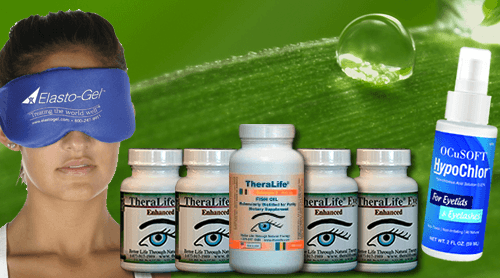
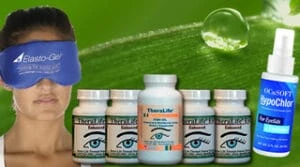
To wear contacts comfortably, it’s essential to address the underlying issue of dry eyes. TheraLife stands out as the only company offering oral eye treatment care, specifically designed to enhance eye health from within. Their products provide a unique and effective approach to managing dry eyes, ensuring stable hydration and improving overall comfort for contact lens wearers.
TheraLife’s oral supplements promote natural tear production, reducing the need for artificial tears and minimizing discomfort. By incorporating TheraLife’s products into your daily routine, you can maintain optimal eye moisture, adhere to strict lens hygiene, and limit screen exposure to further reduce tear evaporation.
For persistent discomfort or vision issues, consulting with your eye doctor is recommended. They may suggest specialized therapies like prescription drops or punctal plugs. However, TheraLife’s advanced solutions and daily habits offer a comprehensive approach to significantly enhance your contact lens comfort and overall eye health.
Best Oral Dry Eyes Treatment That Works .
Add To Cart
Key Takeaways
- Choose contact lenses specifically designed for dry eyes, such as daily disposables or silicone hydrogel materials.
- Use preservative-free artificial tears before and after lens wear to maintain ocular surface hydration.
- Follow strict lens hygiene routines and replace contacts as recommended to reduce irritation and dryness.
- Take regular breaks from screens and consciously blink more often to minimize tear evaporation.
- Consult an eye doctor promptly if dryness persists or worsens, as early intervention prevents complications.
Why Do Contact Lenses Feel Dry and Uncomfortable?
Although contact lenses offer clear vision and convenience, they can disrupt the ocular surface’s natural tear film, leading to sensations of dryness and discomfort.
When you insert contact lenses, especially those made from older or low-moisture-retentive contact lens materials, the lens can absorb your tears, diminishing the necessary hydration layer on your cornea. This process destabilizes the tear film, contributing to evaporative dry eye and foreign body sensation.
Environmental factors, such as low humidity or prolonged digital device use, can exacerbate these effects by further reducing tear production. Contact lens wearers report higher incidence of dry eye symptoms, which highlights the importance of selecting the right lenses and care products.
To counteract dryness, you can employ evidence-based eye hydration techniques, like using artificial tears that are compatible with contact lenses or switching to advanced silicone hydrogel lenses, which maintain higher moisture levels and reduce surface friction.
How Can You Tell If Dry Eye Is Affecting Your Contacts?
How can you distinguish if dry eye is interfering with your contact lens comfort? The key lies in precise symptom identification.
If you notice recurrent dryness, burning, fluctuating vision, or excessive lens awareness, dry eye may be compromising your contact lens experience. You might experience increased lens movement or a gritty sensation, especially later in the day. Blurred vision that improves with blinking is another indicator.
These signs suggest that your tear film isn’t adequately supporting your lenses, making them less comfortable and less effective. Clinical eye care assessments—such as tear breakup time and ocular surface staining—can further confirm the diagnosis. Chronic dry eyes can exacerbate inflammation, leading to increased discomfort and complications if left untreated.
If you’re observing these symptoms, consult your eye care provider promptly for a thorough evaluation and tailored recommendations to optimize both comfort and ocular health.
Best Treatments for Dry Eye With Contacts
Once you’ve identified that dry eye is affecting your contact lens comfort, targeted management strategies can greatly improve both ocular health and lens wearability. First, consider switching to contact lens types specifically designed for dry eye, such as daily disposables or silicone hydrogel lenses, which offer superior oxygen permeability and moisture retention. Preservative-free artificial tears are vital for eye lubrication throughout the day—apply them before inserting and after removing your lenses. Your eye care provider may recommend prescription therapies, such as topical cyclosporine or lifitegrast, to address underlying inflammation contributing to dry eye. Punctal plugs can reduce tear drainage and enhance natural lubrication. Regular follow-up is important to monitor ocular surface health and guarantee the best contact lens compatibility with your individualized dry eye treatment plan. Consider using Omega-3 Fish Oil Benefits to help thicken natural tears and prevent evaporation.
Daily Habits for Comfortable Contact Lens Wear
Consistent daily habits markedly impact contact lens comfort, especially for individuals managing dry eye.
Prioritize ideal hydration techniques by increasing daily water intake and using humidifiers to maintain ocular surface moisture. Incorporate regular application of preservative-free artificial tears to stabilize the tear film and minimize lens-related irritation.
Rigorously adhere to lens maintenance protocols: disinfect lenses daily with recommended solutions, replace them according to your eye care provider’s schedule, and avoid overnight wear unless specifically prescribed.
Limit screen time and take frequent blinking breaks to reduce evaporative tear loss. Avoid exposure to smoke or wind, which can exacerbate dryness.
Consider using wraparound glasses outdoors to protect your eyes from wind and reduce tear evaporation. Together, these evidence-based strategies improve lens tolerance and mitigate symptoms of dry eye, allowing you to wear contacts comfortably throughout the day.
When Should You See an Eye Doctor for Dry Eye?
Occasionally, dry eye symptoms can surpass self-management and signal the need for professional evaluation. If you experience persistent discomfort, blurred vision, excessive tearing, or irritation despite using over-the-counter remedies, it’s time to schedule an appointment. An eye doctor will conduct a thorough symptoms assessment to determine the underlying cause of your dry eye and evaluate the impact on contact lens tolerance. Early intervention is vital to prevent complications such as corneal damage or chronic inflammation. New diagnostic tools, such as the Matrix Metalloproteinase 9 point-of-care test, enhance clinical evaluation and management of dry eye syndrome. Here’s when you should seek professional care:
| Symptom Persistence | Symptoms Assessment | Treatment Options |
|---|---|---|
| Lasts over a week | Tear film analysis | Prescription drops |
| Worsens with time | Ocular surface exam | Punctal plugs |
| Interferes with vision | Staining tests | Advanced therapies |
Don’t ignore worsening symptoms—expert evaluation guarantees best care and relief.
Best Oral Dry Eyes Treatment That Works .
Add To Cart
Frequently Asked Questions
Are Certain Contact Lens Materials Better for Dry Eyes?
Yes, certain contact lens materials, like silicone hydrogel, are better for dry eyes.
You’ll benefit from silicone hydrogel’s high oxygen permeability, which reduces hypoxic stress on the cornea and maintains tear film stability.
Evidence suggests that frequent lens replacement, such as daily disposables, further minimizes protein and lipid deposit buildup, enhancing comfort.
When you choose silicone hydrogel lenses and adhere to ideal lens replacement frequency, you’ll likely experience fewer dry eye symptoms.
Can Over-The-Counter Eye Drops Harm My Contacts?
Yes, some over-the-counter eye drops can harm your contacts, depending on their formulation.
You should always check eye drop types for contact lens compatibility. Drops containing preservatives or oils may adhere to the lens surface, causing discomfort, blurred vision, or lens damage.
Opt for rewetting drops specifically labeled for contact lenses. Evidence-based recommendations suggest avoiding medicated or lubricating eye drops not approved for use with lenses to maintain ocular health and lens integrity.
Does Diet Influence Dry Eye Symptoms With Contacts?
Yes, your diet directly influences dry eye symptoms while wearing contacts.
Evidence shows dietary changes, such as increasing omega-3 fatty acids and reducing processed foods, can enhance tear film stability.
Maintaining ideal hydration levels is essential, as dehydration exacerbates ocular surface dryness.
Clinical studies suggest incorporating vitamin A, C, and E-rich foods supports ocular health.
Is It Safe to Sleep in Contacts With Mild Dry Eye?
It’s generally not safe to sleep in contacts if you have mild dry eye, regardless of your sleeping habits or contact lens types.
Sleeping in lenses reduces oxygen permeability, exacerbates ocular surface stress, and increases infection risk, especially when tear production is compromised.
Even extended-wear lenses can worsen symptoms. Evidence suggests that optimizing lens material and daily removal greatly reduce complications.
Always consult your eye care professional before modifying contact lens routines.
How Does Screen Time Impact Contact Lens Comfort?
Imagine your eyes blinking less as you focus on screens—this reduced blink rate directly leads to screen fatigue and compromises lens hydration.
You might think a few extra blinks aren’t significant, but studies show decreased blinking accelerates tear film evaporation, making contact lenses less comfortable.
To maintain ideal lens hydration, take regular breaks and consciously blink more often during prolonged screen time.
Evidence supports the 20-20-20 rule to mitigate these effects.
Conclusion
Theralife.com understands the discomfort of wearing contact lenses and recognizes untreated dry eye as a potential culprit. Their unique approach offers a solution by addressing the root cause of dry eyes rather than just the symptoms. Theralife is the only company providing oral eye treatment care, promoting a natural balance from within.
Their products, such as Eye Enhanced, are designed to improve tear quality and quantity, ensuring more comfortable contact lens wear. By focusing on long-term eye health, Theralife helps customers rediscover the comfort of contact lenses. Don’t let untreated dry eye undermine your vision. Explore Theralife’s innovative solutions and experience the benefits of targeted oral eye care.
References
- 1.
- The definition and classification of dry eye disease: report of the Definition and Classification Subcommittee of the International Dry Eye WorkShop (2007). Ocul Surf. 2007 Apr;5(2):75-92. [PubMed]
- 2.
- Huang R, Su C, Fang L, Lu J, Chen J, Ding Y. Dry eye syndrome: comprehensive etiologies and recent clinical trials. Int Ophthalmol. 2022 Oct;42(10):3253-3272. [PMC free article] [PubMed]
- 3.
- Craig JP, Nichols KK, Akpek EK, Caffery B, Dua HS, Joo CK, Liu Z, Nelson JD, Nichols JJ, Tsubota K, Stapleton F. TFOS DEWS II Definition and Classification Report. Ocul Surf. 2017 Jul;15(3):276-283. [PubMed]
- 4.
- King-Smith PE, Fink BA, Hill RM, Koelling KW, Tiffany JM. The thickness of the tear film. Curr Eye Res. 2004 Oct-Nov;29(4-5):357-68. [PubMed]
- 5.
- King-Smith PE, Fink BA, Fogt N, Nichols KK, Hill RM, Wilson GS. The thickness of the human precorneal tear film: evidence from reflection spectra. Invest Ophthalmol Vis Sci. 2000 Oct;41(11):3348-59. [PubMed]
- 6.
- Chen Q, Wang J, Tao A, Shen M, Jiao S, Lu F. Ultrahigh-resolution measurement by optical coherence tomography of dynamic tear film changes on contact lenses. Invest Ophthalmol Vis Sci. 2010 Apr;51(4):1988-93. [PMC free article] [PubMed]
- 7.
- Willcox MDP, Argüeso P, Georgiev GA, Holopainen JM, Laurie GW, Millar TJ, Papas EB, Rolland JP, Schmidt TA, Stahl U, Suarez T, Subbaraman LN, Uçakhan OÖ, Jones L. TFOS DEWS II Tear Film Report. Ocul Surf. 2017 Jul;15(3):366-403. [PMC free article] [PubMed]
- 8.
- Peng CC, Cerretani C, Braun RJ, Radke CJ. Evaporation-driven instability of the precorneal tear film. Adv Colloid Interface Sci. 2014 Apr;206:250-64. [PubMed]
- 9.
- Zhou L, Beuerman RW. Tear analysis in ocular surface diseases. Prog Retin Eye Res. 2012 Nov;31(6):527-50. [PubMed]
- 10.
- Mantelli F, Mauris J, Argüeso P. The ocular surface epithelial barrier and other mechanisms of mucosal protection: from allergy to infectious diseases. Curr Opin Allergy Clin Immunol. 2013 Oct;13(5):563-8. [PMC free article] [PubMed]
- 11.
- O’Neil EC, Henderson M, Massaro-Giordano M, Bunya VY. Advances in dry eye disease treatment. Curr Opin Ophthalmol. 2019 May;30(3):166-178. [PMC free article] [PubMed]
- 12.
- Fjaervoll K, Fjaervoll H, Magno M, Nøland ST, Dartt DA, Vehof J, Utheim TP. Review on the possible pathophysiological mechanisms underlying visual display terminal-associated dry eye disease. Acta Ophthalmol. 2022 Dec;100(8):861-877. [PMC free article] [PubMed]
- 13.
- Craig JP, Nelson JD, Azar DT, Belmonte C, Bron AJ, Chauhan SK, de Paiva CS, Gomes JAP, Hammitt KM, Jones L, Nichols JJ, Nichols KK, Novack GD, Stapleton FJ, Willcox MDP, Wolffsohn JS, Sullivan DA. TFOS DEWS II Report Executive Summary. Ocul Surf. 2017 Oct;15(4):802-812. [PubMed]
- 14.
- Qian L, Wei W. Identified risk factors for dry eye syndrome: A systematic review and meta-analysis. PLoS One. 2022;17(8):e0271267. [PMC free article] [PubMed]