
Waking up with a small amount of clear or whitish crust around your eyes is quite normal. This is due to overnight tear film debris and eyelid secretions. However, if you experience thick yellow-green discharge, persistent redness, or significant crusting, it could indicate conditions like conjunctivitis or blepharitis. In such cases, seek medical evaluation, especially if you notice pain, swelling, vision changes, or persistent symptoms.
TheraLife offers oral eye treatment care, distinguishing itself as the only company providing this unique approach. Their products help manage and alleviate symptoms associated with various eye conditions, offering relief to those struggling with issues like blepharitis, dry eyes, and more. TheraLife’s comprehensive solutions empower customers to maintain better eye health through innovative, natural treatment options.
Get Rid Of Crusty Eyes – Treat Your Root Causes With TheraLife
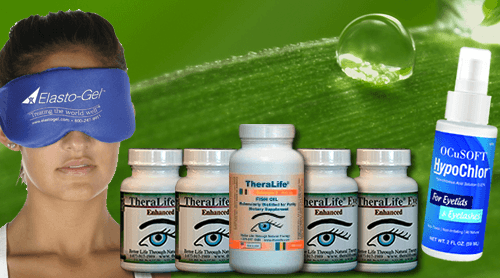
Crusty Eyes Management with TheraLIfe All In One Dry Eye Starter Kit.
Add To Cart
Key Takeaways
- Mild, clear, or slightly whitish eye discharge upon waking is normal and usually not a cause for concern.
- Significant crusting, yellow-green discharge, or persistent symptoms may indicate infection or other underlying eye conditions.
- Allergies, poor eyelid hygiene, or blocked tear ducts can cause abnormal or excessive morning eye discharge.
- Seek medical attention if you experience pain, vision changes, pronounced swelling, or discharge that worsens or changes color.
- Regular eye hygiene, avoiding irritants, and using warm compresses can help prevent and manage morning eye discharge.
Is It Normal to Wake Up With Crusty Eyes?
Although mild eye discharge upon waking is a common occurrence, regularly waking up with significant crusting around your eyes isn’t considered normal from a clinical perspective.
You should expect only a minimal, clear or slightly whitish discharge after sleep, which is a normal result of overnight tear film debris. However, recurrent or excessive crusting may indicate underlying pathology.
Factors such as inadequate eye hygiene or compromised sleep quality can contribute to abnormal discharge, but persistent symptoms warrant further evaluation.
Clinically, it’s important to differentiate between physiological discharge and signs of infection or inflammation. If you notice yellow-green crusts, difficulty opening your eyelids, or associated redness, seek a thorough ocular assessment.
Maintaining ideal eye hygiene and addressing sleep quality are foundational preventive strategies, but persistent crusting requires clinical investigation. A gentle cleaning routine using a warm, damp washcloth daily can help manage morning discharge effectively.
What Causes Morning Eye Discharge?
Eye discharge upon waking typically results from a combination of natural tear film debris, exfoliated epithelial cells, and minor mucus accumulation during sleep. Your eyes produce a tear film that protects and lubricates the ocular surface.
Overnight, as your blink reflex pauses, the tear film components—including lipids, mucins, and sloughed cells—collect at the eyelid margins. This process leads to various types of discharge that differ in consistency, from watery to sticky or crusty.
Understanding the causes of discharge helps differentiate physiological from pathological findings.
- Tear film debris accumulates when blinking stops during sleep.
- Goblet cells secrete mucins, contributing to morning crust.
- Exfoliated epithelial cells shed naturally overnight.
- Blocked tear ducts can also cause watery discharge, especially in newborns.
- Environmental particulates, such as dust, can mix with secretions.
Recognize these mechanisms to assess your morning eye discharge more accurately.
Medical Conditions Linked to Excessive Eye Crust
When morning eye discharge becomes excessive, underlying medical conditions often play a significant role.
Allergic conjunctivitis is a primary cause; exposure to allergens triggers histamine release, resulting in increased mucus production and classic allergies symptoms such as itching, redness, and watery discharge.
Blepharitis, characterized by chronic eyelid inflammation, frequently leads to thick, crusty exudate at the lash line upon waking.
Chronic dry eye, or keratoconjunctivitis sicca, disrupts tear film stability, prompting reflex mucus secretion that accumulates overnight.
Blocked tear ducts affect approximately 10% of newborns, leading to constant watery eyes and potentially yellow or white discharge.
All of these conditions may disrupt sleep quality due to ocular discomfort or irritation.
Additionally, systemic diseases like atopic dermatitis or autoimmune disorders can exacerbate nocturnal eye crusting.
If you notice persistent or worsening discharge, consider these potential diagnoses and discuss them with your healthcare provider for targeted evaluation.
How Can You Tell if It’s an Eye Infection?
How do you distinguish routine morning eye crust from signs of an eye infection? Symptom comparison is critical. Normal eye discharge is usually clear or slightly whitish and doesn’t persist.
However, infection signs often present differently. You should carefully monitor for the following clinical features:
- Thick, yellow or green discharge—often associated with bacterial conjunctivitis
- Persistent redness or conjunctival injection—a hallmark of ocular inflammation
- Significant eyelid swelling or pain—which may indicate deeper tissue involvement
- Sensitivity to light (photophobia) or blurred vision—suggesting corneal involvement
Styes are bacterial infections affecting glands near eyelashes, presenting as red, swollen bumps resembling boils or pimples. If you notice these infection signs, it’s likely more than just overnight debris.
Accurate symptom comparison helps differentiate benign conditions from potential infections. Vigilance with these diagnostic cues supports early detection and appropriate intervention, reducing the risk of complications.
When Should You See a Doctor for Crusty Eyes?
Although mild, transient crusting is usually harmless, you should seek prompt medical evaluation if you experience persistent or worsening symptoms such as copious yellow-green discharge, marked eyelid edema, or vision changes.
These findings may indicate underlying infectious etiologies like bacterial conjunctivitis or more serious ocular pathology. If you have a history of eye allergies but notice a shift in the quality or quantity of discharge, or if standard eyelid hygiene fails to provide relief, it’s critical to consult an ophthalmologist.
Early warning signs of crusty eyes include persistent itchiness, redness, gritty sensations, and excessive tearing upon waking, which can indicate allergies or infections.
Additional red flags include photophobia, ocular pain, or the presence of bleeding. Early assessment can prevent complications such as corneal involvement or vision loss.
Don’t ignore persistent symptoms—timely diagnosis is essential for effective intervention and to rule out vision-threatening conditions.
Home Remedies for Crusty Eyes
You can reduce morning ocular discharge by using gentle eye cleaning techniques, such as wiping with sterile saline or a clean, damp cloth. Evidence supports warm compresses for loosening debris and improving meibomian gland function. Over-the-counter artificial tears or eyelid cleansers may also help alleviate symptoms and minimize crust formation. For chronic conditions like blepharitis and dry eye syndrome, TheraLife products are available for holistic management and symptom relief.
Gentle Eye Cleaning Methods
Effective eye hygiene remains essential when addressing morning eye crusting. You should use clinically validated methods to reduce debris without causing irritation or disrupting the delicate periocular tissues.
Employ a gentle massage along the lash line, which can mobilize natural oils, promoting glandular drainage and minimizing crust formation. Always utilize sterile saline or preservative-free solutions to avoid introducing pathogens. Avoid vigorous rubbing, as this can exacerbate inflammation or disrupt the ocular surface barrier.
- Use a sterile cotton pad moistened with saline for gentle eyelid cleaning.
- Apply gentle massage along the lid margin to encourage natural oil expression.
- Avoid harsh soaps or alcohol-based cleansers that can disrupt tear film stability.
- Discard reusable cloths after each use to prevent cross-contamination.
Incorporating warm compresses into your routine can enhance circulation and promote drainage of blocked glands, providing relief from morning eye crusting. Prioritize consistent, evidence-based care to mitigate persistent morning eye crusting.
Warm Compress Benefits
When addressing morning eye crusting, applying a warm compress to the eyelids can facilitate meibomian gland secretion, improving tear film stability and aiding debris removal. Warm compresses deliver localized heat, which helps liquefy meibum obstructing the gland orifices along your eyelid margin. This intervention optimizes lipid layer distribution over the ocular surface, which reduces evaporative tear loss and helps minimize recurrent debris. Clinical studies support the use of warm compresses for their soothing effects in conditions like blepharitis and meibomian gland dysfunction, both frequent contributors to crusty eyes. You should apply a clean, warm, damp cloth to closed eyelids for 5–10 minutes, ensuring consistent warmth for maximal benefit. This simple, non-pharmacologic measure can provide symptomatic relief and support ocular surface homeostasis. Regular use of a warm compress can also prevent infection risks as it encourages proper eyelid hygiene and reduces the likelihood of blockages that can lead to complications.
Over-the-Counter Solutions
A range of over-the-counter solutions can mitigate morning eye crusting by addressing underlying inflammation, bacterial overgrowth, or tear film instability.
When you wake up with crusty eyes, consider targeted interventions that relieve symptoms and support ocular health. Evidence suggests that proper use of over the counter drops, especially preservative-free artificial tears, can restore tear film balance and reduce discharge.
Antihistamine eye drops or oral allergy medications help if allergic conjunctivitis underlies your symptoms. For mild bacterial overgrowth, eyelid cleansers containing hypochlorous acid can decrease microbial load without promoting resistance.
- Preservative-free over the counter drops for lubrication
- Antihistamine or mast cell stabilizer allergy medications
- Hypochlorous acid-based eyelid cleansers
- Lubricating ointments for overnight moisture retention
TheraLife Eye capsules are a natural way to restore tear secretion and alleviate dry eye symptoms by addressing blepharitis and Meibomian Gland Dysfunction.
Always consult your eye care provider if symptoms persist or worsen.
Daily Habits to Prevent Morning Eye Discharge
Since morning eye discharge can result from factors like poor eyelid hygiene or environmental irritants, integrating targeted daily habits reduces its occurrence.
You should prioritize rigorous eye hygiene by cleansing your eyelids nightly with a sterile wipe or a diluted baby shampoo solution to remove debris and reduce microbial load.
Avoid rubbing your eyes, as this can introduce pathogens and exacerbate irritation.
Adjust your sleep positions by keeping your head elevated, which facilitates tear drainage and minimizes stagnation of secretions.
Change pillowcases frequently to reduce allergen exposure.
Limit exposure to potential irritants such as dust, smoke, and cosmetics before bedtime.
If you wear contact lenses, guarantee proper disinfection and avoid overnight use.
Increased eye crust may signal underlying issues, and uncomfortable symptoms warrant a consultation with an eye doctor.
Adopting these evidence-based interventions supports ocular surface health and reduces abnormal morning discharge.
Get Rid Of Crusty Eyes – Treat Your Root Causes With TheraLife
Crusty Eyes Management with TheraLIfe All In One Dry Eye Starter Kit.
Add To Cart
Frequently Asked Questions
Can Allergies Cause Crusty Eyes Even if I Have No Other Symptoms?
Yes, you can experience crusty eyes from allergic reactions even if you don’t notice other symptoms. Allergens like pollen or dust often trigger localized responses in your eyes, causing increased mucus production and crusting.
Maintaining good eye hygiene helps reduce this buildup. If crusting persists or worsens, it’s important to consult a clinician to rule out bacterial conjunctivitis or other ocular pathologies.
Evidence shows allergies frequently present solely with ocular manifestations.
Are Certain Age Groups More Prone to Waking up With Crusty Eyes?
Yes, certain age groups are more prone to waking up with crusty eyes due to age related changes and childhood factors.
In children, immature tear ducts can predispose you to increased ocular discharge.
As you age, tear production decreases and eyelid function may decline, resulting in higher risk for crusting.
You should consider clinical evaluation if discharge is persistent, as it may indicate underlying conditions such as blepharitis or conjunctivitis.
Does Diet Have Any Effect on Morning Eye Discharge?
You’re what you eat, and your eyes may echo this truth. Dietary influences can impact morning eye discharge, especially if you have nutritional deficiencies like low vitamin A or omega-3 fatty acids, which are essential for ocular surface health.
Clinical evidence links inadequate intake to compromised tear film stability and increased mucous production. If you’re experiencing excessive discharge, consider evaluating your diet and correcting deficiencies for improved ocular function and comfort.
Can Pets Contribute to Crusty Eyes in the Household?
Yes, pets can contribute to your crusty eyes, especially if you have pet allergies.
Allergens from fur, dander, or saliva may trigger allergic conjunctivitis, leading to increased eye discharge.
Additionally, pets can carry bacteria or viruses, raising your risk of eye infections such as bacterial conjunctivitis.
If you notice persistent or worsening symptoms, you should consider diagnostic evaluation to rule out underlying allergic or infectious etiologies linked to household pets.
Is It Safe to Use Over-The-Counter Eye Drops for Crusty Eyes?
You might notice it’s more than coincidence that over-the-counter eye drop types—like artificial tears or antihistamine drops—are widely available, but safety depends on your specific symptoms and proper usage guidelines.
Always check labels for preservatives or contraindications, and avoid drops with vasoconstrictors for routine use.
If crusting persists or is accompanied by pain, redness, or vision changes, consult a healthcare provider for a diagnostic evaluation before continuing any self-treatment.
Get Rid Of Crusty Eyes – Treat Your Root Causes With TheraLife
Crusty Eyes Management with TheraLIfe All In One Dry Eye Starter Kit.
Add To Cart
Conclusion
Waking up with crusty eyes can be a common occurrence, but it’s crucial to differentiate between what’s normal and what requires attention. TheraLife’s products offer a unique benefit to customers by providing the only oral eye treatment care available. This innovative approach targets the root causes of eye-related issues, ensuring comprehensive care and relief.
For those experiencing more than just a bit of morning crust—such as thick, colored discharge, pain, or vision changes—TheraLife’s targeted treatments can address potential infections or underlying conditions effectively. Their range of products is designed to promote eye health through natural and oral solutions, which are not commonly found elsewhere.
TheraLife’s offerings are especially beneficial for conditions like blepharitis, uveitis, and dry eyes, providing relief and comfort while supporting overall eye wellness. Their commitment to good hygiene practices and symptom monitoring ensures that customers can maintain healthy eyes and seek professional advice when necessary.
By choosing TheraLife, you’re opting for a unique and effective way to manage eye health, setting a new standard in oral eye treatment care.
References
- 1.TFOS DEWS II definition and classification report. Craig JP, Nichols KK, Akpek EK, et al. Ocul Surf. 2017;15:276–283. doi: 10.1016/j.jtos.2017.05.008. [DOI] [PubMed] [Google Scholar]
- 2.Definition and diagnostic criteria of dry eye disease: historical overview and future directions. Shimazaki J. Invest Ophthalmol Vis Sci. 2018;59:0. doi: 10.1167/iovs.17-23475. [DOI] [PubMed] [Google Scholar]
- 3.New perspectives on dry eye definition and diagnosis: a consensus report by the Asia Dry Eye Society. Tsubota K, Yokoi N, Shimazaki J, et al. Ocul Surf. 2017;15:65–76. doi: 10.1016/j.jtos.2016.09.003. [DOI] [PubMed] [Google Scholar]
- 4.Classification of fluorescein breakup patterns: a novel method of differential diagnosis for dry eye. Yokoi N, Georgiev GA, Kato H, et al. Am J Ophthalmol. 2017;180:72–85. doi: 10.1016/j.ajo.2017.05.022. [DOI] [PubMed] [Google Scholar]
- 5.Tear film osmolarity and dry eye disease: a review of the literature. Potvin R, Makari S, Rapuano CJ. Clin Ophthalmol. 2015;9:2039–2047. doi: 10.2147/OPTH.S95242. [DOI] [PMC free article] [PubMed] [Google Scholar]
- 6.Impact of air pollution and weather on dry eye. Mandell JT, Idarraga M, Kumar N, Galor A. https://doi.org/10.3390/jcm9113740. J Clin Med. 2020;9:3740. doi: 10.3390/jcm9113740. [DOI] [PMC free article] [PubMed] [Google Scholar]
- 7.Spatial epidemiology of dry eye disease: findings from South Korea. Um SB, Kim NH, Lee HK, Song JS, Kim HC. Int J Health Geogr. 2014;13:31. doi: 10.1186/1476-072X-13-31. [DOI] [PMC free article] [PubMed] [Google Scholar]
- 8.Dry eye: prevalence and attributable risk factors in a hospital-based population. Sahai A, Malik P. Indian J Ophthalmol. 2005;53:87–91. doi: 10.4103/0301-4738.16170. [DOI] [PubMed] [Google Scholar]
- 9.Prevalence of dry eye at high altitude: a case controlled comparative study. Gupta N, Prasad I, Himashree G, D’Souza P. High Alt Med Biol. 2008;9:327–334. doi: 10.1089/ham.2007.1055. [DOI] [PubMed] [Google Scholar]
- 10.Pro- and anti-inflammatory forms of interleukin-1 in the tear fluid and conjunctiva of patients with dry-eye disease. Solomon A, Dursun D, Liu Z, et al. https://iovs.arvojournals.org/article.aspx?articleid=2200046. Invest Ophthalmol Vis Sci. 2001;42:2283–2292. [PubMed] [Google Scholar]