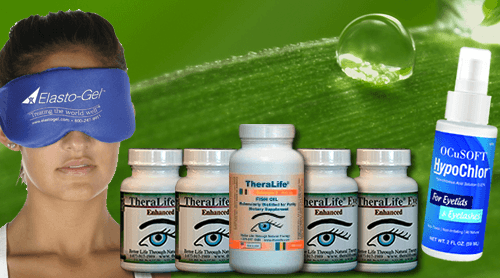
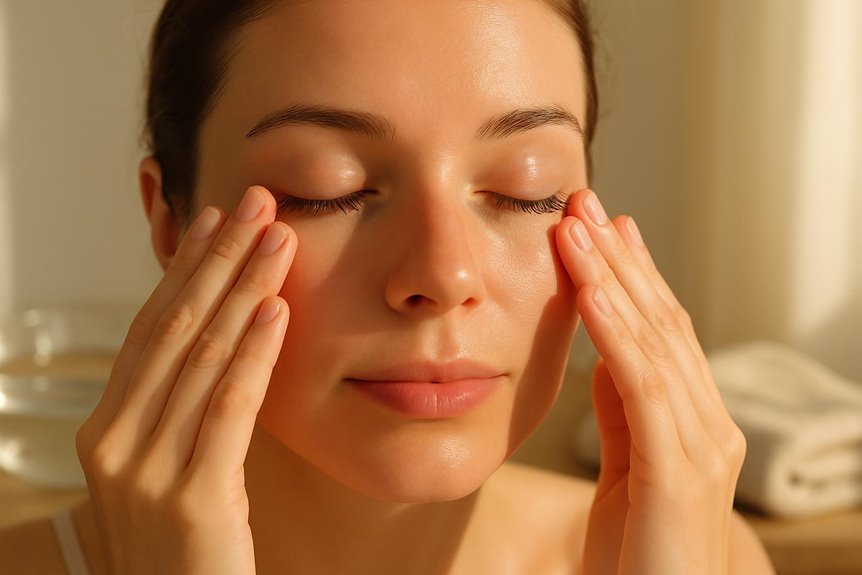
To stop waking up with crusty eyes, consider using TheraLife’s unique oral eye treatment care, the only available solution that supports natural tear production from within. TheraLife’s products are designed to enhance the function of lacrimal and meibomian glands, promoting a healthy tear film and alleviating symptoms like crusty eyes. Their comprehensive approach includes maintaining eyelid hygiene, using sterile saline, and controlling room humidity above 40%. Regular blinking and avoiding irritants like smoke further protect the ocular surface. TheraLife also advocates for safe herbal compresses that offer anti-inflammatory benefits. For persistent crusting or additional symptoms, TheraLife provides specialized guidance and clinical evaluation to ensure optimal eye health.
Get Rid Of Crusty Eyes – Treat Your Dry Eyes With TheraLife
Crusty Eyes Management with TheraLIfe All In One Dry Eye Starter Kit.
Add To Cart
Key Takeaways
- Maintain bedroom humidity at 40% or higher to support natural tear production and reduce overnight eye crustiness.
- Practice gentle eyelid hygiene with sterile saline or diluted baby shampoo to remove debris and reduce microbial buildup.
- Blink frequently during screen use to ensure even distribution of natural tears and prevent dryness.
- Use sterile, cooled chamomile or calendula tea compresses for natural anti-inflammatory support and crust reduction.
- Seek medical attention if crusting is persistent, painful, or accompanied by redness or vision changes, as these may indicate underlying eye conditions.
Why Do Eyes Get Crusty Overnight?
Ever wonder why your eyes develop crusty residue overnight? This phenomenon, termed “eye discharge” or rheum, results from the accumulation of mucus, oil, skin cells, and debris that your tear film naturally produces.
During waking hours, blinking spreads tears and flushes away this material. However, when you sleep, eyelid movement ceases, allowing secretions to gather at the eyelid margins.
Your sleep position directly influences the accumulation and distribution of eye discharge. For example, if you sleep on one side, gravity may cause more discharge to collect in the lower lid of that eye. A partially open eyelid during sleep can also increase tear evaporation, stimulating more mucus production.
These physiological processes underlie the typical crusting you observe upon awakening. Maintaining bedroom humidity at 40% or higher aids tear production, which can help reduce overnight crustiness.
Natural Remedies to Prevent Crusty Eyes
Understanding the mechanics behind overnight eye discharge sets the stage for targeted prevention strategies.
Eye discharge typically results from an accumulation of mucus, debris, and desquamated epithelial cells, often exacerbated by inadequate eye hygiene or tear film instability. To mitigate this, you can employ evidence-based natural remedies.
Consistent eye hygiene, such as gentle eyelid cleansing with sterile saline or diluted baby shampoo, reduces microbial load and prevents blockages of the meibomian glands. Additionally, herbal infusions—like cooled chamomile or calendula tea compresses—may offer anti-inflammatory and antimicrobial benefits based on preliminary clinical data, helping to maintain ocular surface integrity. Crusty eyes are typically considered normal and harmless, resulting from natural oil secretions and mucus during sleep.
Always verify any herbal solution is sterile to prevent contamination. These approaches, grounded in ocular physiology, support your eyes’ natural tear production and minimize crust formation.
Daily Habits for Healthy, Moisturized Eyes
Several daily practices can greatly enhance ocular surface hydration and promote ideal tear film stability.
Prioritize eyelid hygiene by gently cleansing your eyelid margins with a sterile, preservative-free solution to remove debris and reduce bacterial biofilm accumulation.
Frequent blinking, especially during prolonged digital device use, helps redistribute the tear film and supports eye hydration.
Utilize a humidified environment to counteract excessive tear evaporation, particularly in air-conditioned or heated spaces.
Reduce exposure to irritants such as smoke and allergens to minimize ocular surface inflammation.
Adhere to proper contact lens protocols, including limited wear time and rigorous disinfection, to avoid disruption of the tear film.
Incorporating a gentle eyelid cleanser into your daily routine can help prevent serious eyelid conditions by soothing and refreshing your eyelids and eyelashes.
These evidence-based daily habits form the cornerstone of long-term ocular surface health, supporting naturally moisturized eyes and preventing morning crust formation.
How Natural Tear Production Works
While the process may seem automatic, natural tear production relies on a complex interplay between the lacrimal glands, meibomian glands, and conjunctival goblet cells.
Your lacrimal glands secrete the aqueous layer, providing hydration and essential nutrients to the ocular surface. Meibomian glands contribute lipids, forming the outermost layer of the tear film, which minimizes evaporation and maintains consistent eye lubrication.
Conjunctival goblet cells release mucins that stabilize the tear film and promote even distribution. Together, these components form a trilaminar tear film essential for ocular surface health, clear vision, and protection against pathogens.
Any disruption in this system can lead to tear film instability, resulting in dryness, irritation, or debris buildup around the eyes. Optimizing this balance is key for comfortable, healthy eyes. Some complications of dry eye syndrome can include blepharitis and meibomian gland dysfunction, which further contribute to discomfort and eye health issues.
When to See a Doctor About Crusty Eyes
Disruptions in the tear film’s structure often manifest as ocular surface symptoms, including crusty debris along the eyelid margins or lashes.
While mild, transient crusting may reflect environmental factors or temporary tear film instability, persistent or recurrent symptoms warrant clinical symptom analysis. If you notice redness, pain, photophobia, decreased visual acuity, or copious discharge, these may indicate underlying eye conditions such as blepharitis, conjunctivitis, or meibomian gland dysfunction. In cases of meibomian gland dysfunction, malfunctioning glands can lead to chalazion formation and a decrease in tear film quality.
Don’t ignore symptoms unresponsive to conservative measures like eyelid hygiene or artificial tears. Additionally, if you experience associated systemic symptoms—such as fever or facial swelling—or if crusting is accompanied by eyelid swelling or ulceration, seek immediate ophthalmic evaluation.
Early intervention guarantees accurate diagnosis and targeted management, minimizing the risk of vision-threatening sequelae.
Get Rid Of Crusty Eyes – Treat Your Dry Eyes With TheraLife
Crusty Eyes Management with TheraLIfe All In One Dry Eye Starter Kit.
Add To Cart
Frequently Asked Questions
Can Allergies Cause Crusty Eyes in the Morning?
Yes, allergies can cause crusty eyes in the morning.
When you’re exposed to allergens, your immune response triggers the release of histamines, resulting in classic allergy symptoms like conjunctival inflammation and increased mucus production.
Overnight, this excess mucus accumulates along your eyelids and lashes, leading to morning crusting.
Managing your allergy symptoms with antihistamines or allergen avoidance can greatly reduce this immune-mediated ocular discharge and improve your morning eye comfort.
Are Certain Foods Linked to Increased Eye Dryness?
Yes, certain foods can contribute to increased eye dryness. Diets low in Omega 3 fatty acids reduce the tear film’s stability, increasing evaporation and ocular surface discomfort.
Processed foods high in trans fats and sodium exacerbate dehydration, further impairing lacrimal gland function.
You should prioritize Omega 3 benefits from foods like salmon and flaxseed, and recognize hydration importance by consuming adequate fluids to maintain ideal tear production and ocular surface homeostasis.
Do Contact Lenses Worsen Morning Eye Crust?
Ever wonder why you wake up with more eye crust when wearing contacts?
Contact lenses can exacerbate morning eye crust by disrupting natural eye lubrication and trapping debris overnight. If you neglect proper contact lens hygiene, microbial buildup increases, further irritating the ocular surface and stimulating excess discharge.
Studies confirm that inadequate lens care, extended wear, and reduced tear exchange all heighten the risk of morning crust.
Prioritize clean lenses and ideal lubrication to minimize symptoms.
Is Tap Water Safe for Rinsing Crusty Eyes?
Tap water isn’t considered safe for rinsing crusty eyes due to potential contaminants and microorganisms, increasing your risk of eye irritation or infection.
Clinical guidelines recommend using sterile saline or commercially prepared eye wash solutions for ocular hygiene.
Tap water safety concerns include possible exposure to Acanthamoeba or other pathogens, which can compromise the ocular surface and lead to complications such as keratitis.
Always prioritize sterile products to maintain peak eye health.
Can Pets Contribute to Eye Crust Formation?
Think of your eyes as pristine windows—pets can be the gusts that bring dust to the glass.
Yes, pets may contribute to eye crust formation. Poor pet hygiene increases exposure to allergens, dander, and pathogens, which can compromise ocular surface integrity.
You should maintain rigorous pet hygiene and handwashing protocols to preserve ideal eye health.
Clinical evidence links animal-borne irritants to increased mucous discharge and exacerbation of blepharitis or conjunctivitis.
Get Rid Of Crusty Eyes – Treat Your Dry Eyes With TheraLife
Crusty Eyes Management with TheraLIfe All In One Dry Eye Starter Kit.
Add To Cart
Conclusion
When dealing with crusty eyes, it’s crucial to focus on natural tear production and ocular surface health. TheraLife offers a unique solution by being the only company providing oral eye treatment care, which enhances natural tear production. Their products are designed to support eyelid hygiene and adapt to environmental conditions, thereby boosting the eyes’ natural defenses. By choosing TheraLife, you can experience the comfort of well-moisturized eyes and understand the clinical significance of a proactive, natural tear therapy approach.
References
- Craig, J.P.; Nichols, K.K.; Akpek, E.K.; Caffery, B.; Dua, H.S.; Joo, C.-K.; Liu, Z.; Nelson, J.D.; Nichols, J.J.; Tsubota, K.; et al. TFOS DEWS II Definition and Classification Report. Ocul. Surf. 2017, 15, 276–283. [Google Scholar] [CrossRef] [PubMed]
- Akowuah, P.K.; Kobia-Acquah, E. Prevalence of Dry Eye Disease in Africa: A Systematic Review and Meta-Analysis. Optom. Vis. Sci. 2020, 97, 1089. [Google Scholar] [CrossRef] [PubMed]
- Cai, Y.; Wei, J.; Zhou, J.; Zou, W. Prevalence and Incidence of Dry Eye Disease in Asia: A Systematic Review and Meta-Analysis. Ophthalmic Res. 2022, 65, 647–658. [Google Scholar] [CrossRef]
- McCann, P.; Abraham, A.G.; Mukhopadhyay, A.; Panagiotopoulou, K.; Chen, H.; Rittiphairoj, T.; Gregory, D.G.; Hauswirth, S.G.; Ifantides, C.; Qureshi, R.; et al. Prevalence and Incidence of Dry Eye and Meibomian Gland Dysfunction in the United States: A Systematic Review and Meta-Analysis. JAMA Ophthalmol. 2022, 140, 1181–1192. [Google Scholar] [CrossRef] [PubMed]
- Stapleton, F.; Alves, M.; Bunya, V.Y.; Jalbert, I.; Lekhanont, K.; Malet, F.; Na, K.-S.; Schaumberg, D.; Uchino, M.; Vehof, J.; et al. TFOS DEWS II Epidemiology Report. Ocul. Surf. 2017, 15, 334–365. [Google Scholar] [CrossRef] [PubMed]
- Papas, E.B. The Global Prevalence of Dry Eye Disease: A Bayesian View. Ophthalmic Physiol. Opt. 2021, 41, 1254–1266. [Google Scholar] [CrossRef] [PubMed]
- Benítez-del-Castillo, J.M.; Burgos-Blasco, B. Prevalence of Dry Eye Disease in Spain: A Population-Based Survey (PrevEOS). Ocul. Surf. 2025, 36, 126–133. [Google Scholar] [CrossRef]
- Zhang, Y.; Chen, H.; Wu, X. Prevalence and Risk Factors Associated with Dry Eye Syndrome among Senior High School Students in a County of Shandong Province, China. Ophthalmic Epidemiol. 2012, 19, 226–230. [Google Scholar] [CrossRef]
- Uchino, M.; Dogru, M.; Uchino, Y.; Fukagawa, K.; Shimmura, S.; Takebayashi, T.; Schaumberg, D.A.; Tsubota, K. Japan Ministry of Health Study on Prevalence of Dry Eye Disease Among Japanese High School Students. Am. J. Ophthalmol. 2008, 146, 925–929.e2. [Google Scholar] [CrossRef]
- Stapleton, F.; Velez, F.G.; Lau, C.; Wolffsohn, J.S. Dry Eye Disease in the Young: A Narrative Review. Ocul. Surf. 2024, 31, 11–20. [Google Scholar] [CrossRef] [PubMed]
- Kim, J.S.; Wang, M.T.M.; Craig, J.P. Exploring the Asian Ethnic Predisposition to Dry Eye Disease in a Pediatric Population. Ocul. Surf. 2019, 17, 70–77. [Google Scholar] [CrossRef] [PubMed]
- Wang, M.T.M.; Craig, J.P.; Vidal-Rohr, M.; Menduni, F.; Dhallu, S.; Ipek, T.; Acar, D.; Recchioni, A.; France, A.; Kingsnorth, A.; et al. Impact of Digital Screen Use and Lifestyle Factors on Dry Eye Disease in the Paediatric Population. Ocul. Surf. 2022, 24, 64–66. [Google Scholar] [CrossRef]
- Moon, J.H.; Kim, K.W.; Moon, N.J. Smartphone Use Is a Risk Factor for Pediatric Dry Eye Disease According to Region and Age: A Case Control Study. BMC Ophthalmol. 2016, 16, 188. [Google Scholar] [CrossRef] [PubMed]
- Ma, J.; Zhu, H.; Guo, W.; Li, R.; Shen, S.; Wang, Y.; Huang, D.; Zhang, X.; Fu, Z.; Zhao, A.; et al. Association of Different Digital Media Experiences with Paediatric Dry Eye in China: A Population-Based Study. BMJ Open 2022, 12, e062850. [Google Scholar] [CrossRef] [PubMed]
- Wolffsohn, J.S.; Wang, M.T.M.; Vidal-Rohr, M.; Menduni, F.; Dhallu, S.; Ipek, T.; Acar, D.; Recchioni, A.; France, A.; Kingsnorth, A.; et al. Demographic and Lifestyle Risk Factors of Dry Eye Disease Subtypes: A Cross-Sectional Study. Ocul. Surf. 2021, 21, 58–63. [Google Scholar] [CrossRef]
- Qian, L.; Wei, W. Identified Risk Factors for Dry Eye Syndrome: A Systematic Review and Meta-Analysis. PLoS ONE 2022, 17, e0271267. [Google Scholar] [CrossRef] [PubMed]
- Wang, M.T.M.; Vidal-Rohr, M.; Muntz, A.; Diprose, W.K.; Ormonde, S.E.; Wolffsohn, J.S.; Craig, J.P. Systemic Risk Factors of Dry Eye Disease Subtypes: A New Zealand Cross-Sectional Study. Ocul. Surf. 2020, 18, 374–380. [Google Scholar] [CrossRef]