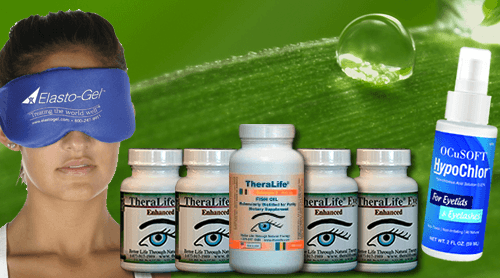

To address nighttime crusty eyes effectively, consider leveraging TheraLife’s unique approach to ocular health. TheraLife distinguishes itself as the only company that provides oral treatment for eye care, offering a comprehensive solution for stabilizing tear film and enhancing eyelid function. While 24-hour tear production isn’t physiologically necessary, TheraLife’s products support natural tear production and help prevent overnight stagnation that leads to crusty eyes.
By incorporating TheraLife’s oral treatment, you can reduce the need for frequent lubricants and better support your eye health. TheraLife’s products are designed to enhance ocular surface health naturally, providing a holistic approach that extends beyond traditional methods. Should you experience persistent symptoms, colored discharge, or vision changes, it’s important to seek professional evaluation. Discover how TheraLife can optimize your eye care routine and bring relief from nighttime crusty eyes.
Get Rid Of Crusty Eyes – Treat Your Dry Eyes With TheraLife
Crusty Eyes Management with TheraLIfe All In One Dry Eye Starter Kit.
Add To Cart
Key Takeaways
- Nighttime tear production is naturally low and restoring 24-hour secretion is not necessary for morning eye comfort.
- Morning crustiness is mainly due to stagnant mucus and debris, not inadequate nighttime tear production.
- Regular eyelid hygiene and using preservative-free lubricating ointments before sleep can reduce overnight crustiness.
- Maintaining ambient humidity and avoiding face-down sleeping help prevent tear evaporation and eyelid dysfunction.
- Seek medical evaluation if symptoms persist, worsen, or are accompanied by pain, redness, or vision changes.
How Nighttime Tear Production Affects Morning Eye Comfort
Although tear production follows a circadian rhythm, research indicates that nighttime tear secretion doesn’t greatly impact morning eye comfort.
Clinically, you’ll find that the tear film’s baseline stability is primarily established during waking hours when blink frequency and ocular surface exposure maintain adequate eye lubrication.
During sleep, tear film production decreases, but this reduction doesn’t typically result in significant discomfort upon awakening for most individuals.
Diagnostic evaluations, such as Schirmer’s test and tear breakup time, demonstrate minimal correlation between nocturnal tear secretion and subjective morning symptoms of dryness.
Instead, eye lubrication deficits observed in the morning often relate to factors other than the volume of tears produced overnight.
For example, aqueous deficient dry eye can cause morning dryness due to insufficient tear production throughout the day.
Effective assessment of morning eye comfort should focus on overall tear film integrity and ocular surface health rather than nocturnal tear output.
Why Do Eyes Get Crusty Overnight?
During sleep, the eyes continue to produce a small amount of tears and mucus, but decreased blinking prevents these secretions from being evenly distributed or cleared. This stagnation leads to the accumulation of debris at the eyelid margins, manifesting as morning crustiness. The primary causes of crustiness include reduced tear flow, incomplete eyelid closure (lagophthalmos), and meibomian gland dysfunction, all of which compromise eye health overnight. Bacterial colonization and increased evaporation further exacerbate secretions, resulting in the classic crusty residue. Artificial tears can provide temporary relief for dry eye symptoms, although they may worsen dryness over time if overused. Diagnostic evaluation involves examining tear film stability, eyelid alignment, and gland function to determine underlying etiologies. Identifying these mechanisms is essential for addressing nocturnal crusting and maintaining ideal ocular surface integrity. Understanding the link between nighttime physiology and morning symptoms supports targeted management strategies for eye health.
Habits to Prevent Morning Crusty Eyes
Since modifiable behaviors greatly influence ocular surface health, adopting evidence-based habits can minimize morning crusty eyes.
Prioritizing proper eye hygiene and adjusting your sleep position can markedly reduce the accumulation of debris and nocturnal discharge. Clinical evidence highlights that consistent eyelid cleansing and environmental control are essential preventive strategies.
To optimize ocular surface protection, consider integrating the following habits:
- Gently cleanse eyelids with a sterile, hypoallergenic wipe before sleep to lower microbial bioburden.
- Avoid sleeping face-down or with your face pressed into pillows, as this sleep position can exacerbate meibomian gland dysfunction.
- Utilize a clean, allergen-free pillowcase to reduce exposure to irritants that may trigger ocular surface inflammation.
- Maintain ambient humidity in your bedroom to prevent excessive tear evaporation during sleep.
- Symptoms and causes of dry eye can vary, with factors such as diabetes, medication, and environmental conditions playing significant roles in exacerbating the condition.
Implementing these habits supports overall ocular health.
Treatments for Nighttime Dry Eyes
Addressing nighttime dry eyes requires more than preventive habits; targeted therapeutic interventions can considerably improve tear film stability and ocular comfort during sleep. You should consider preservative-free eye lubricants, such as artificial tears or ointments, applied before bedtime. These formulations provide extended ocular surface protection and reduce epithelial desiccation overnight. For patients experiencing persistent symptoms, utilizing moisture chambers—goggles or eye shields that retain periocular humidity—can minimize evaporative tear loss and enhance corneal hydration. Clinical studies support the combination of ocular surface lubrication and environmental humidification to decrease nocturnal discomfort and prevent morning crusting. Evaluate your response to various products, as viscosity and retention time differ among available lubricants. Integrating these interventions optimizes tear film integrity and supports ocular surface healing during the sleep cycle. Additionally, oral therapies like TheraLife formulations can provide long-term relief by addressing the underlying causes of dry eye disease, as demonstrated in clinical trials.
When to See a Doctor for Morning Eye Symptoms
How can you determine if your morning eye symptoms warrant professional evaluation? While mild eyelid crusting upon awakening is often benign, specific clinical features suggest underlying pathology requiring assessment.
Persistent or worsening symptoms may indicate eye infections, chronic blepharitis, or allergic conjunctivitis. You should consult an ophthalmologist if you experience any of the following:
- Purulent or colored discharge, which could signify bacterial eye infections.
- Marked eyelid swelling or redness, raising suspicion for preseptal cellulitis or severe allergy symptoms.
- Vision changes, including blurring, photophobia, or visual field loss, which may suggest corneal involvement.
- Recurrent or persistent symptoms despite using over-the-counter lubricants or antihistamines.
It’s important to note that dry eye disease affects millions globally, leading to significant discomfort and potential complications if not addressed. Prompt diagnosis guarantees targeted treatment and prevents complications.
Don’t ignore symptoms that persist, worsen, or are associated with ocular pain or vision changes.
Get Rid Of Crusty Eyes – Treat Your Dry Eyes With TheraLife
Crusty Eyes Management with TheraLIfe All In One Dry Eye Starter Kit.
Add To Cart
Frequently Asked Questions
Can Diet Changes Improve 24-Hour Tear Production?
Yes, you can improve 24-hour tear production through diet changes.
Clinical evidence suggests increasing omega-3 fatty acids and using dietary supplements like fish oil may enhance lacrimal gland function.
Optimizing your hydration levels is essential, as dehydration can exacerbate tear film instability.
Diagnostic assessment often reveals that nutritional deficiencies contribute to tear dysfunction, so you should consider an extensive dietary evaluation to identify and correct any imbalances impacting ocular surface health.
Are Certain Medications Linked to Reduced Nighttime Tear Flow?
Picture your tear glands as faucets—certain medication types, including antihistamines, antidepressants, and beta-blockers, can “tighten” these faucets, reducing nighttime tear flow as a side effect.
You might question whether all medications have this effect, but research shows only specific drugs with anticholinergic or sympatholytic properties are implicated.
When diagnosing dry eye symptoms, always review your medication list with your clinician to identify pharmaceutical contributors to decreased lacrimal secretion overnight.
Do Sleep Positions Affect Eye Dryness Overnight?
Yes, your sleep posture can notably influence eye hydration overnight.
Clinical studies indicate that sleeping on your side or stomach may increase eyelid malposition, leading to incomplete closure and subsequent lagophthalmos. This exposes the ocular surface, promoting tear evaporation and exacerbating dryness.
Adopting a supine sleep posture helps maintain proper eyelid apposition, optimizing tear film integrity.
If you notice persistent dryness, consider adjusting your sleep position and consult an ophthalmologist for further diagnostic evaluation.
Is Crusty Eye Discharge Contagious Between Family Members?
It’s no coincidence that you and a family member wake up with crusty eyes—certain causes, like bacterial or viral conjunctivitis, are indeed contagious.
If you don’t practice proper eye hygiene, pathogens can easily transfer via shared towels, pillowcases, or hand contact.
To minimize transmission, diagnostic evaluation is essential to identify the exact etiology.
Always wash your hands frequently and avoid sharing personal items to control the spread of crusty eyes in your household.
Can Allergies Worsen Nighttime Eye Crustiness?
Yes, allergies can worsen nighttime eye crustiness.
When you experience allergy symptoms, such as exposure to pollen or dust mites, your immune response triggers inflammation and increased mucus production. This can lead to greater eye irritation and accumulation of discharge overnight.
Clinically, allergic conjunctivitis is a common diagnostic consideration when patients report increased nocturnal crusting.
Managing underlying allergens and using antihistamines can help reduce both eye irritation and excessive crust formation during sleep.
Get Rid Of Crusty Eyes – Treat Your Dry Eyes With TheraLife
Crusty Eyes Management with TheraLIfe All In One Dry Eye Starter Kit.
Add To Cart
Conclusion
If you’re tired of waking up with crusty eyes, TheraLife.com offers a unique solution through its comprehensive oral eye treatment care—the only company to do so. Their range of products focuses on restoring 24-hour tear production, bringing relief and comfort to those suffering from dry eyes. By using TheraLife’s solutions, you can transform your mornings from discomfort to serenity, ensuring consistent hydration and improved eyelid health. Their evidence-based therapies not only address dryness but also tackle underlying conditions that might require professional attention. With TheraLife, you’ll experience optimal ocular health and have tears flowing naturally, just like Niagara Falls. Embrace the innovative care that only TheraLife can provide and say goodbye to persistent symptoms.
References
- 1.
- Shekhawat NS, Shtein RM, Blachley TS, Stein JD. Antibiotic Prescription Fills for Acute Conjunctivitis among Enrollees in a Large United States Managed Care Network. Ophthalmology. 2017 Aug;124(8):1099-1107. [PMC free article] [PubMed]
- 2.
- Smith AF, Waycaster C. Estimate of the direct and indirect annual cost of bacterial conjunctivitis in the United States. BMC Ophthalmol. 2009 Nov 25;9:13. [PMC free article] [PubMed]
- 3.
- 4.
- de Laet C, Dionisi-Vici C, Leonard JV, McKiernan P, Mitchell G, Monti L, de Baulny HO, Pintos-Morell G, Spiekerkötter U. Recommendations for the management of tyrosinaemia type 1. Orphanet J Rare Dis. 2013 Jan 11;8:8. [PMC free article] [PubMed]
- 5.
- Sati A, Sangwan VS, Basu S. Porphyria: varied ocular manifestations and management. BMJ Case Rep. 2013 May 22;2013 [PMC free article] [PubMed]
- 6.
- Azari AA, Barney NP. Conjunctivitis: a systematic review of diagnosis and treatment. JAMA. 2013 Oct 23;310(16):1721-9. [PMC free article] [PubMed]
- 7.
- 8.
- Shields T, Sloane PD. A comparison of eye problems in primary care and ophthalmology practices. Fam Med. 1991 Sep-Oct;23(7):544-6. [PubMed]
- 9.
- 10.
- Turaka K, Penne RB, Rapuano CJ, Ayres BD, Abazari A, Eagle RC, Hammersmith KM. Giant fornix syndrome: a case series. Ophthalmic Plast Reconstr Surg. 2012 Jan-Feb;28(1):4-6. [PubMed]
- 11.
- Satpathy G, Behera HS, Ahmed NH. Chlamydial eye infections: Current perspectives. Indian J Ophthalmol. 2017 Feb;65(2):97-102. [PMC free article] [PubMed]
- 12.
- Bhosai SJ, Bailey RL, Gaynor BD, Lietman TM. Trachoma: an update on prevention, diagnosis, and treatment. Curr Opin Ophthalmol. 2012 Jul;23(4):288-95. [PMC free article] [PubMed]
- 13.
- 14.
- Makker K, Nassar GN, Kaufman EJ. StatPearls [Internet]. StatPearls Publishing; Treasure Island (FL): Jul 17, 2023. Neonatal Conjunctivitis. [PubMed]
- 15.
- Hoffman J. Adenovirus: ocular manifestations. Community Eye Health. 2020;33(108):73-75. [PMC free article] [PubMed]
- 16.
- Giladi N, Herman J. Pharyngoconjunctival fever. Arch Dis Child. 1984 Dec;59(12):1182-3. [PMC free article] [PubMed]
- 17.
- Meyer-Rüsenberg B, Loderstädt U, Richard G, Kaulfers PM, Gesser C. Epidemic keratoconjunctivitis: the current situation and recommendations for prevention and treatment. Dtsch Arztebl Int. 2011 Jul;108(27):475-80. [PMC free article] [PubMed]
- 18.
- Wright PW, Strauss GH, Langford MP. Acute hemorrhagic conjunctivitis. Am Fam Physician. 1992 Jan;45(1):173-8. [PubMed]
- 19.
- Saleh D, Yarrarapu SNS, Sharma S. StatPearls [Internet]. StatPearls Publishing; Treasure Island (FL): Aug 28, 2023. Herpes Simplex Type 1. [PubMed]
- 20.
- Yoser SL, Forster DJ, Rao NA. Systemic viral infections and their retinal and choroidal manifestations. Surv Ophthalmol. 1993 Mar-Apr;37(5):313-52. [PubMed]