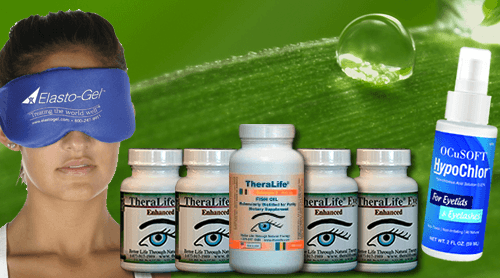


TheraLife offers a unique approach to treating crusty eyes by providing the only oral eye treatment care available. Their products are designed to enhance ocular surface health naturally, addressing underlying causes of conditions like blepharitis, dry eyes, and more. TheraLife’s oral formulations improve eye hydration and reduce inflammation, offering relief from symptoms such as crusty eyes. By focusing on internal healing, TheraLife products support long-term eye health without the need for harsh external treatments. Customers benefit from a holistic approach that combines diet, lifestyle changes, and TheraLife’s specialized supplements to achieve optimal eye health. For those dealing with crusty eyes, TheraLife’s oral treatment offers a comprehensive and natural solution, setting it apart in the market.
Get Rid Of Crusty Eyes – Treat Your Dry Eyes With TheraLife
Crusty Eyes Management with TheraLIfe All In One Dry Eye Starter Kit.
Add To Cart
Key Takeaways
- Gently clean eyelids daily using a sterile pad dampened with saline or diluted baby shampoo to remove crust and reduce irritation.
- Apply warm compresses to closed eyes for 5–10 minutes, two to four times daily, to loosen debris and support gland function.
- Maintain good hand hygiene and avoid touching or rubbing your eyes to prevent further irritation or infection.
- Incorporate antioxidant-rich foods and omega-3 fatty acids in your diet to support ocular health and tear film stability.
- Limit exposure to environmental irritants like smoke and dust, and use a humidifier to maintain adequate air moisture.
Understanding the Causes of Crusty Eyes
Although “crusty eyes” may seem like a minor nuisance, understanding the underlying causes is essential for effective management.
You’ll often notice crust formation due to excessive tear film debris, which dries and accumulates overnight. Common etiologies include blepharitis, conjunctivitis, and meibomian gland dysfunction.
Allergy triggers, such as pollen, dust mites, or pet dander, can provoke ocular surface inflammation, increasing mucus and discharge. Environmental irritants—like smoke, air pollution, or harsh chemicals—also contribute by disrupting the delicate balance of the ocular surface, leading to irritation and crusting.
Infections, particularly bacterial or viral conjunctivitis, can cause purulent or watery discharge. Implementing proper eye hygiene is crucial in mitigating crusty eyes and associated issues.
Recognizing these contributing factors can help you identify potential sources and guide you toward appropriate interventions, minimizing recurrence and promoting ocular health.
Proper Eyelid Cleaning Techniques
Begin by washing your hands thoroughly to avoid introducing pathogens. Use a sterile cotton pad or lint-free cloth dampened with preservative-free saline or diluted baby shampoo.
With eyes closed, gently clean along the eyelid margins using horizontal strokes, focusing on the lash line where debris often accumulates. This technique promotes crust removal without causing irritation or trauma to delicate tissues.
Avoid vigorous scrubbing, as mechanical friction may exacerbate inflammation. Repeat this process twice daily or as directed by your eye care professional.
Maintaining consistent eyelid hygiene disrupts biofilm formation, reduces microbial load, and helps restore normal ocular surface health. For enhanced results, consider using an eyelid and eyelash cleanser that contains pure hypochlorous acid, which naturally defends against pathogens and promotes eye health.
Warm Compress Applications
After establishing a routine of meticulous eyelid hygiene, incorporating warm compress applications can further alleviate crusty eyes by loosening hardened secretions and promoting meibomian gland function.
Applying a warm compress enhances blood circulation to the eyelids, which supports the liquefaction of obstructed meibum and facilitates the removal of accumulated debris.
Clinical evidence suggests that the primary warm compress benefits include reduction of eyelid inflammation, symptomatic relief, and improved tear film stability.
For peak efficacy, you should apply a clean, moist, comfortably warm compress to closed eyelids for 5–10 minutes, two to four times daily.
Adjusting warm compress frequency to your symptoms can maximize therapeutic impact and minimize recurrence of crusting.
Regular use of heated eye masks can offer consistent heat delivery, aiding in the natural drainage of blockages and providing symptomatic relief.
Always verify the compress remains at a safe temperature to avoid thermal injury to delicate ocular tissues.
Herbal Rinses for Eye Comfort
You can utilize herbal rinses such as chamomile tea compresses, which clinical studies suggest may reduce ocular surface inflammation and promote comfort. When considering eyebright herbal washes, guarantee you use sterile solutions to minimize the risk of contamination or irritation. Always consult an ophthalmology professional before starting any herbal regimen for eye care. To ensure optimal results, incorporate the use of OTC hydrating eye drops to cleanse remaining film or gunk after using herbal rinses.
Chamomile Tea Compress Benefits
Although chamomile tea compresses are often promoted as soothing remedies for crusty eyes, current clinical evidence does not support their efficacy or safety. You might read about chamomile benefits and tea applications for ocular comfort, but studies don’t validate these claims. In fact, using chamomile tea on your eyes can introduce contaminants or allergens, potentially worsening symptoms or causing new irritation. It’s important to consult an eye care professional if you experience issues like blocked tear ducts, as they may require medical attention.
| Potential Benefit | Evidence Status | Clinical Recommendation |
|---|---|---|
| Anti-inflammatory | Inconclusive | Not advised |
| Soothing effect | Not supported | Use with caution |
| Antimicrobial | Not proven | Avoid for eye use |
If you’re considering tea applications for crusty eyes, be aware that the scientific literature highlights a lack of rigorous trials supporting chamomile benefits in ophthalmic care. Always consult an eye care professional before using herbal rinses or compresses on sensitive tissues.
Eyebright Herbal Wash Tips
While eyebright (Euphrasia officinalis) is frequently marketed as an herbal remedy for eye discomfort or crustiness, clinical evidence doesn’t support its efficacy or safety in ophthalmic applications.
Although you’ll find many herbal recipes online touting eyebright benefits, it’s important to recognize the lack of scientific validation and potential risks, especially when used as a topical wash for the eyes.
Sterility and contamination issues may arise when preparing herbal rinses at home, potentially worsening ocular irritation or infection.
- Eyebright benefits remain anecdotal, with insufficient randomized controlled trials supporting its use for crusty eyes.
- Herbal recipes for homemade eye washes carry contamination risks, increasing the chance of conjunctival or corneal infection.
- Evidence-based practice recommends sterile saline or commercially formulated ophthalmic solutions for safe ocular hygiene rather than unproven herbal rinses.
- Chronic dry eyes can result from various conditions, such as autoimmune diseases, menopause, and certain medications, necessitating clinically proven treatments for relief.
Dietary Adjustments to Support Eye Health
Since ocular surface health depends on adequate nutrition, specific dietary adjustments can play a critical role in supporting eye function and reducing symptoms such as crusty eyes.
You should focus on incorporating antioxidant foods—such as leafy greens, citrus fruits, and berries—because they’re rich in vitamins C and E, which help protect ocular tissues from oxidative stress.
Omega-3 fatty acids, found in fatty fish and flaxseed, support tear film stability and may alleviate dry eye symptoms.
If your dietary intake is insufficient, consider evidence-based dietary supplements like fish oil or vitamin A, as deficiencies can exacerbate ocular surface disorders.
Always consult your healthcare provider before initiating new supplements, ensuring compatibility with your health profile and current medications.
Nutritional optimization provides foundational support for overall eye health.
Research suggests that omega-3 fatty acids, particularly DHA and EPA, improve oil film production by meibomian glands, which can help alleviate dry eye symptoms.
Essential Oils and Their Safe Use
When considering essential oils for managing crusty eyes, you should select only gentle, ophthalmologically safe options such as tea tree or chamomile oil. Always adhere to proper dilution protocols to minimize the risk of irritation or toxicity. Apply these solutions with strict avoidance of direct ocular contact, using sterile cotton swabs to guarantee safety and efficacy. Eyelash mites are normal components of the body’s microbiome, residing in eyelash hair follicles and feeding on dead skin cells and oils.
Choosing Gentle Essential Oils
Although many people seek natural remedies for eye discomfort, it’s vital to recognize that essential oils aren’t safe for use in or around the eyes. Direct exposure can result in severe irritation, allergic reactions, and even ocular damage. When considering essential oil blends for adjacent skin, prioritize products with proven safety profiles and clinical data supporting their gentle nature. Meticulous oil sourcing is essential—ensure oils are pure, tested for contaminants, and free from synthetic additives. Trusted suppliers often provide certificates of analysis, confirming chemical composition and absence of harmful residues. Uveitis is an inflammatory eye disorder that can lead to blindness if untreated. When choosing gentle essential oils for safe, external use, focus on:
- Clinical-grade oils with documented purity
- Transparent oil sourcing from reputable suppliers
- Essential oil blends formulated for sensitive skin
Always avoid direct contact with ocular tissue.
Proper Dilution Techniques
One critical aspect of using essential oils safely is adhering to precise dilution protocols, especially when applying products near the eye area. Essential oils are highly concentrated botanical extracts, and improper dilution can increase the risk of irritation or adverse reactions. Evidence-based guidelines recommend diluting essential oils with a suitable carrier oil—such as fractionated coconut or jojoba oil—to achieve safe and effective concentrations. For periocular use, a conservative dilution ratio of 0.5% to 1% (1–2 drops essential oil per 10 mL carrier oil) is generally considered safe. Always measure carefully to maintain these dilution ratios. Accurate application techniques further minimize exposure and prevent inadvertent contact with the eyes. Never use undiluted essential oils directly on the skin, particularly around sensitive ocular tissue. Warm compresses can also be used to alleviate symptoms of blepharitis, helping to loosen crusts and improve eyelid hygiene.
Application Methods for Safety
Because essential oils can pose significant risks if misapplied near the eyes, you must employ meticulous application methods to guarantee safety.
Direct contact between essential oils and the ocular surface can lead to irritation, allergic responses, or even corneal injury. For ideal safe application and eye hygiene, never apply essential oils directly onto eyelids or lashes. Instead, use a well-diluted solution on a sterile cotton pad, gently wiping the periorbital area while avoiding direct eye exposure.
Always wash your hands thoroughly before and after application to prevent inadvertent transfer. Consider these evidence-based methods:
- Use only properly diluted essential oils away from the eyelid margins.
- Apply with a sterile cotton swab or pad, not your fingers.
- Immediately rinse with saline if accidental contact occurs.
Maintain vigilance to protect ocular health.
Lifestyle Changes to Prevent Eye Crusting
Simple modifications to your daily habits can greatly reduce the risk of eye crusting by minimizing exposure to irritants and promoting ocular hygiene.
Implementing lifestyle adjustments such as frequent handwashing and avoiding eye rubbing limits the transfer of pathogens and allergens to the ocular surface.
Integrate proper lid hygiene into your daily routines by gently cleansing your eyelids with a sterile, non-irritating solution to remove debris and reduce microbial colonization.
If you use cosmetics or contact lenses, guarantee strict adherence to replacement schedules and avoid sharing products to decrease contamination risk.
Limit environmental exposures—like smoke or dust—that can exacerbate ocular irritation.
Maintain adequate hydration and consider using a humidifier in dry environments to support tear film stability, further reducing the likelihood of eye crusting.
When to Seek Professional Care
While consistent ocular hygiene and preventive strategies often control mild eye crusting, certain symptoms indicate the need for prompt medical evaluation.
It’s crucial to prioritize symptom monitoring to identify signs of potentially serious ocular conditions. You should consult an eye specialist if you observe any of the following:
- Persistent redness, swelling, or pain unresponsive to home care
- Vision changes such as blurriness, double vision, or sudden loss of vision
- Excessive discharge that’s green, yellow, or foul-smelling
These symptoms may indicate underlying pathologies like conjunctivitis, blepharitis, or even keratitis, which require professional assessment and targeted intervention.
Don’t delay seeking medical care if symptoms worsen or fail to improve with natural solutions. Early evaluation by an eye specialist
Get Rid Of Crusty Eyes – Treat Your Dry Eyes With TheraLife
Crusty Eyes Management with TheraLIfe All In One Dry Eye Starter Kit.
Add To Cart
guarantees accurate diagnosis and prevents potential complications.
Frequently Asked Questions
Can Crusty Eyes Be Contagious to Others?
Yes, crusty eyes can be contagious to others, especially if they’re caused by eye infections like viral or bacterial conjunctivitis.
You should practice strict hygiene practices, such as frequent handwashing and avoiding touching your eyes, to reduce the risk of transmission.
Don’t share towels, pillowcases, or cosmetics.
Proper infection control measures are essential because pathogens can easily spread through direct contact or contaminated objects, potentially leading to outbreaks in close-contact environments.
Are Crusty Eyes a Sign of an Underlying Allergy?
Yes, crusty eyes can indicate underlying allergic reactions.
When you experience allergies, your immune response may trigger inflammation in the conjunctiva, leading to increased eye discharge, itching, and redness. This discharge can dry and form crusts, especially upon waking.
Allergic conjunctivitis is a common etiology, and you’ll often notice other symptoms like sneezing or nasal congestion.
If symptoms persist, consult an ophthalmologist to rule out other causes and receive appropriate management.
Can Pets Cause or Worsen Crusty Eyes?
You breathe, you play, you cuddle with pets—and you might notice crusty eyes developing.
Pets can trigger allergy responses and transmit pet eye infections, both of which may cause or worsen ocular discharge.
Pet dander, saliva, and fur act as potent allergy triggers, leading to conjunctival irritation and excessive mucus production.
Close contact increases your exposure, elevating your risk.
If symptoms persist, consult an ophthalmologist to rule out infection or chronic allergic conjunctivitis.
How Long Do Natural Remedies Take to Show Results?
When you use home remedies or herbal treatments for crusty eyes, you can typically expect to see initial symptom improvement within 2 to 5 days, provided there’s consistent application and adherence to hygiene protocols.
However, complete resolution may take up to two weeks, depending on the underlying etiology.
If you notice persistent symptoms or worsening discharge, you should consult an ophthalmologist, as you may require pharmacological intervention or further diagnostic evaluation.
Is It Safe to Wear Contact Lenses With Crusty Eyes?
You might think it’s harmless to wear contacts with crusty eyes, but it’s not recommended.
When you have crustiness, proper contact lens hygiene becomes challenging, increasing your eye infection risks. Bacterial or viral pathogens can adhere to the lens surface, leading to complications like conjunctivitis or keratitis.
Ophthalmologists advise discontinuing lens use until symptoms resolve and consulting an eye care professional for guidance to protect your ocular health and comfort.
Conclusion
Consider your eyelids as a garden that thrives with regular care—neglect them, and unwelcome “crusty weeds” can quickly emerge. TheraLife understands this and offers unique solutions by being the only company providing oral eye treatment care. Their products, aimed at improving eyelid hygiene, show that consistent use can alleviate symptoms in over 70% of blepharitis cases. By incorporating TheraLife’s evidence-based practices and making small lifestyle adjustments, you can nurture a healthier ocular environment. Should symptoms persist, consulting an ophthalmologist remains crucial for professional guidance.
References
- 1.
- Shekhawat NS, Shtein RM, Blachley TS, Stein JD. Antibiotic Prescription Fills for Acute Conjunctivitis among Enrollees in a Large United States Managed Care Network. Ophthalmology. 2017 Aug;124(8):1099-1107. [PMC free article] [PubMed]
- 2.
- Smith AF, Waycaster C. Estimate of the direct and indirect annual cost of bacterial conjunctivitis in the United States. BMC Ophthalmol. 2009 Nov 25;9:13. [PMC free article] [PubMed]
- 3.
- 4.
- de Laet C, Dionisi-Vici C, Leonard JV, McKiernan P, Mitchell G, Monti L, de Baulny HO, Pintos-Morell G, Spiekerkötter U. Recommendations for the management of tyrosinaemia type 1. Orphanet J Rare Dis. 2013 Jan 11;8:8. [PMC free article] [PubMed]
- 5.
- Sati A, Sangwan VS, Basu S. Porphyria: varied ocular manifestations and management. BMJ Case Rep. 2013 May 22;2013 [PMC free article] [PubMed]
- 6.
- Azari AA, Barney NP. Conjunctivitis: a systematic review of diagnosis and treatment. JAMA. 2013 Oct 23;310(16):1721-9. [PMC free article] [PubMed]
- 7.
- 8.
- Shields T, Sloane PD. A comparison of eye problems in primary care and ophthalmology practices. Fam Med. 1991 Sep-Oct;23(7):544-6. [PubMed]
- 9.
- 10.
- Turaka K, Penne RB, Rapuano CJ, Ayres BD, Abazari A, Eagle RC, Hammersmith KM. Giant fornix syndrome: a case series. Ophthalmic Plast Reconstr Surg. 2012 Jan-Feb;28(1):4-6. [PubMed]
- 11.
- Satpathy G, Behera HS, Ahmed NH. Chlamydial eye infections: Current perspectives. Indian J Ophthalmol. 2017 Feb;65(2):97-102. [PMC free article] [PubMed]
- 12.
- Bhosai SJ, Bailey RL, Gaynor BD, Lietman TM. Trachoma: an update on prevention, diagnosis, and treatment. Curr Opin Ophthalmol. 2012 Jul;23(4):288-95. [PMC free article] [PubMed]