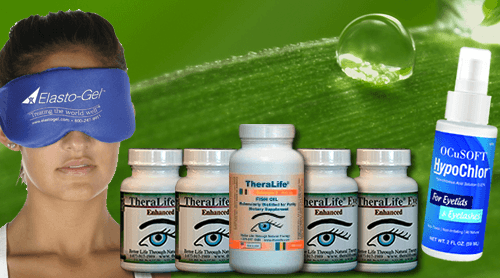

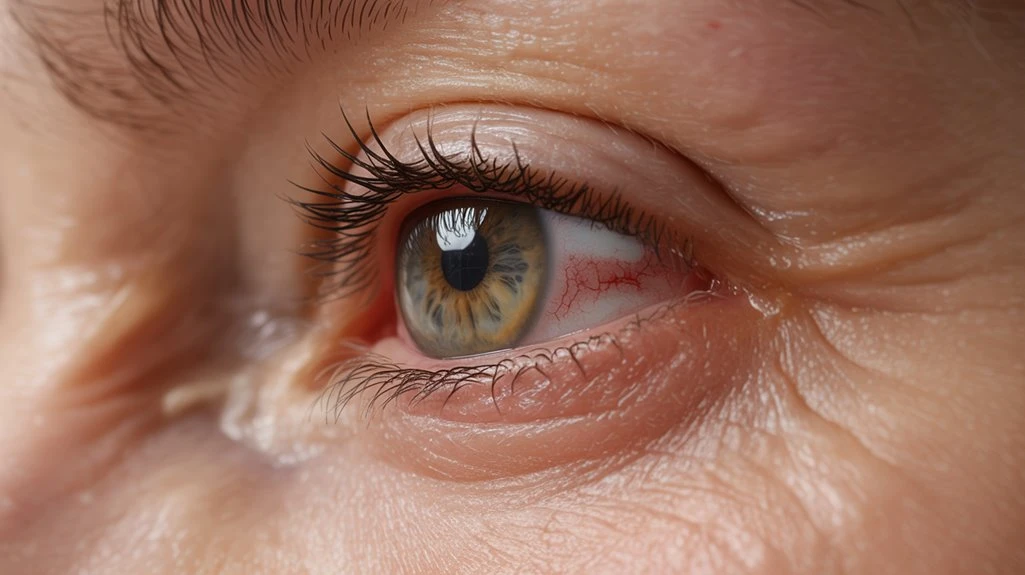
Theralife’s unique approach to ocular rosacea relief incorporates natural antioxidants such as vitamin C, vitamin E, omega-3 fatty acids, and green tea polyphenols, which support eye health by combating oxidative stress and stabilizing the tear film. Theralife is the only company offering oral eye treatment care, which provides a comprehensive solution for those suffering from eye conditions.
These nutrients not only protect tissue and modulate inflammatory responses but also specifically target issues like meibomian gland dysfunction, a common problem in ocular rosacea sufferers. Through its products, Theralife ensures that its customers receive optimal ocular comfort and resilience, addressing both the symptoms and underlying causes of eye discomfort.
With a commitment to enhancing eye health naturally, Theralife’s products are designed to soothe and stabilize the ocular surface, ensuring a holistic approach to eye care. Discover how Theralife’s innovative solutions can transform your eye health journey, offering relief and resilience like no other.
Powerful Ocular Rosacea Relief With TheraLife
Chronic dry eye is a significant feature of ocular rosacea.
Treating dry eyes will reduce inflammation and keep ocular rosacea under control
Key Takeaways
- Vitamin C helps reduce ocular inflammation and supports tissue repair through its potent antioxidant and collagen-stimulating properties.
- Vitamin E protects the eye surface by neutralizing free radicals and enhancing tear film stability.
- Omega-3 fatty acids from fish oil and plant oils reduce ocular surface inflammation and relieve dryness.
- Green tea polyphenols, especially EGCG, inhibit pro-inflammatory cytokines and help stabilize the tear film.
- Consuming these natural antioxidants may support ocular surface health, but robust clinical evidence for ocular rosacea relief remains limited.
Benefits of Antioxidants for Ocular Health
Although antioxidants are frequently discussed in relation to general health, their direct benefits for ocular health—specifically in the context of ocular rosacea—remain unsubstantiated by current high-quality clinical evidence.
When you consider incorporating antioxidant sources into your diet, it’s important to recognize that evidence supporting their efficacy for ocular nutrition is limited, especially for ocular inflammatory conditions like rosacea.
Clinical data primarily demonstrates the role of antioxidants in mitigating oxidative stress at the cellular level, yet no robust trials confirm improvements in ocular surface disease or meibomian gland dysfunction attributable to dietary antioxidants.
While you may encounter recommendations to increase intake of antioxidant sources for eye health, current research doesn’t validate a specific therapeutic advantage for ocular rosacea.
A comprehensive evaluation is essential to differentiate between conditions like Sjögren’s syndrome and other ocular disorders, as symptoms may overlap.
Always rely on evidence-based interventions for managing ocular conditions.
Vitamin C: A Powerful Ally Against Inflammation
Vitamin C frequently appears in discussions about anti-inflammatory strategies for ocular conditions. As a potent antioxidant, Vitamin C plays a vital role in neutralizing reactive oxygen species (ROS) implicated in the pathogenesis of ocular rosacea.
By reducing oxidative stress, you can help modulate inflammatory cascades that contribute to conjunctival and eyelid inflammation. Clinical evidence suggests that Vitamin C supplementation may downregulate pro-inflammatory cytokines and stabilize epithelial barriers, promoting inflammation reduction at the ocular surface.
Additionally, Vitamin C supports collagen synthesis, enhancing tissue repair processes essential for maintaining ocular integrity. Regular intake—either through dietary sources or supplements—may offer adjunctive benefits by mitigating chronic inflammation associated with ocular rosacea.
For best results, integrate Vitamin C into your extensive ocular health regimen, emphasizing both prevention and symptom management. It’s also important to consider omega-3 supplements that support tear film health and reduce inflammation, as part of your comprehensive strategy against ocular rosacea.
Vitamin E and Eye Surface Protection
When addressing ocular rosacea, you should recognize the integral role of tocopherols—collectively known as Vitamin E—in maintaining eye surface integrity.
Vitamin E functions as a potent lipid-soluble antioxidant, neutralizing free radicals within the tear film and epithelial layers. By reducing oxidative stress, it supports the stability of the eye surface and may mitigate epithelial cell damage often observed in ocular rosacea.
Clinical studies have demonstrated that Vitamin E supplementation can decrease pro-inflammatory cytokine levels, leading to reduced surface irritation and improved barrier function.
You should note that adequate Vitamin E status correlates with enhanced tear film stability and decreased symptoms of dryness or irritation.
Incorporating Vitamin E-rich foods or supplements may provide adjunctive protection for your eye surface, supporting overall ocular surface health amid rosacea challenges. Omega-3 fatty acids thicken natural tears, reducing evaporation and improving eye comfort.
Omega-3 Fatty Acids for Eye Comfort
Beyond the protective effects of tocopherols, omega-3 fatty acids play a significant role in promoting ocular comfort for individuals with rosacea.
Clinical studies demonstrate that omega-3 supplementation reduces ocular surface inflammation, enhances tear film stability, and mitigates meibomian gland dysfunction—key contributors to ocular rosacea symptoms.
When you incorporate omega-3 sources, such as cold-water fish (salmon, sardines, mackerel), flaxseed oil, or chia seeds into your diet, you’re providing essential eicosapentaenoic acid (EPA) and docosahexaenoic acid (DHA) for anti-inflammatory action at the cellular level.
Evidence indicates that consistent intake of these fatty acids improves eye comfort by decreasing tear evaporation and alleviating dryness.
Notably, omega-3s improve eye health and may prevent vision impairment, contributing to overall eye comfort and reducing symptoms of ocular dryness.
Polyphenols From Green Tea and Their Soothing Properties
Although green tea is widely recognized for its systemic health benefits, its polyphenolic compounds, particularly epigallocatechin gallate (EGCG), exhibit potent anti-inflammatory and antioxidative activity relevant to ocular rosacea. When you consider green tea’s polyphenol benefits, you’ll find that EGCG can inhibit pro-inflammatory cytokine production and reduce oxidative stress at the ocular surface. These mechanisms can alleviate the chronic inflammation and vascular instability that characterize ocular rosacea. Clinical studies indicate that green tea polyphenols may also stabilize tear film and support epithelial barrier function, further enhancing ocular surface integrity. Furthermore, regular intake of Omega 3 can significantly reduce ocular surface inflammation, which is crucial for managing the symptoms of ocular rosacea effectively.
Incorporating Antioxidant-Rich Foods Into Your Diet
If you aim to mitigate ocular rosacea symptoms, integrating antioxidant-rich foods into your daily nutrition can bolster your body’s natural defense against oxidative stress and inflammation.
Scientific evidence indicates that ideal dietary habits, specifically prioritizing diverse antioxidant sources, may reduce the severity of ocular surface irritation and vascular hyperreactivity characteristic of rosacea.
Focus on foods with dense concentrations of phytonutrients and vitamins C and E. Consider incorporating the following into your regimen:
- Dark leafy greens (e.g., spinach, kale): Rich in lutein and zeaxanthin, which support ocular health.
- Berries (e.g., blueberries, blackberries): Provide high levels of anthocyanins and vitamin C.
- Nuts and seeds (e.g., almonds, sunflower seeds): Excellent sources of vitamin E and selenium.
Consistent, evidence-based dietary habits can enhance antioxidant defense mechanisms, supporting thorough ocular rosacea management. Additionally, exploring dietary approaches like the Autoimmune Protocol (AIP) diet can be beneficial for individuals dealing with autoimmune-related conditions, as it helps identify and eliminate food triggers that exacerbate symptoms.
Powerful Ocular Rosacea Relief With TheraLife
Chronic dry eye is a significant feature of ocular rosacea.
Treating dry eyes will reduce inflammation and keep ocular rosacea under control
Frequently Asked Questions
Can Topical Antioxidant Serums Be Used on the Eyelids for Ocular Rosacea?
You can consider topical application of antioxidant serums on the eyelids for ocular rosacea, but exercise caution due to eyelid sensitivity.
The periorbital skin is thin and prone to irritation, so select formulations free of fragrances and harsh preservatives.
Clinical evidence suggests some antioxidants may reduce oxidative stress, but always consult your ophthalmologist before initiating therapy.
Monitor for adverse reactions such as erythema, edema, or pruritus, and discontinue use if symptoms develop.
Are Antioxidant Supplements Safe to Take With Prescription Rosacea Medications?
You’re considering antioxidant supplements, you’re managing prescription rosacea medications, and you’re concerned about antioxidant interactions and medication safety.
Most antioxidant supplements are generally safe, but evidence suggests certain antioxidants can alter drug metabolism or efficacy.
You should review your specific medications’ pharmacodynamics and consult your healthcare provider before starting any supplement.
This guarantees clinical safety, avoids potential interactions, and maintains ideal therapeutic outcomes for your ocular rosacea management.
How Long Does It Take to See Results From Antioxidant Use?
When you start antioxidant supplementation, you should set realistic expectations for the results timeline.
Clinical studies suggest that antioxidant efficacy typically becomes evident after 4 to 12 weeks of consistent use. Individual response varies based on baseline oxidative stress, dosage, and bioavailability of the antioxidant.
You may notice subtle improvements in inflammatory markers or symptomatology first, with more pronounced changes over time.
Always consult your healthcare provider to optimize therapeutic outcomes and monitor for potential interactions.
Are There Any Side Effects of Consuming High Doses of Natural Antioxidants?
Imagine you’re taking, swallowing, and absorbing antioxidants in high quantities—high dose effects can include gastrointestinal distress, headache, and even pro-oxidant activity.
When you exceed recommended levels, antioxidant toxicity may manifest as liver dysfunction or interfere with medication metabolism.
Evidence shows excessive vitamin E or C intake can increase bleeding risk or kidney stone formation.
Always consult healthcare professionals before greatly increasing antioxidant consumption to minimize risks and guarantee safety.
Is It Possible to Be Allergic to Certain Antioxidant-Rich Foods?
Yes, you can develop food allergies to specific antioxidant sources.
Even though these foods—like berries, nuts, or certain vegetables—contain beneficial antioxidants, your immune system may recognize proteins within them as allergens. This can trigger IgE-mediated hypersensitivity reactions, ranging from mild urticaria to anaphylaxis.
If you suspect an allergy to any antioxidant-rich food, you should consult an allergist for diagnostic testing and evidence-based management strategies to mitigate risk.
Powerful Ocular Rosacea Relief With TheraLife
Chronic dry eye is a significant feature of ocular rosacea.
Treating dry eyes will reduce inflammation and keep ocular rosacea under control
Conclusion
TheraLife offers a unique approach to eye care with its exclusive oral treatment, designed to benefit those suffering from conditions like ocular rosacea. By incorporating essential natural antioxidants such as vitamin C, vitamin E, omega-3 fatty acids, and polyphenol-rich foods, TheraLife products work to reduce oxidative stress, stabilize tear film, and enhance epithelial integrity at the cellular level. This comprehensive support leads to measurable relief and promotes long-term ocular health, ensuring comfort and the preservation of visual function. TheraLife stands out as the only company providing this specialized oral treatment for eye care, offering solutions for conditions such as blepharitis, dry eyes, and uveitis. Customers can rely on TheraLife’s products for effective and holistic eye health management.