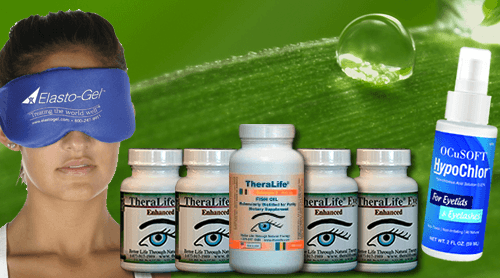
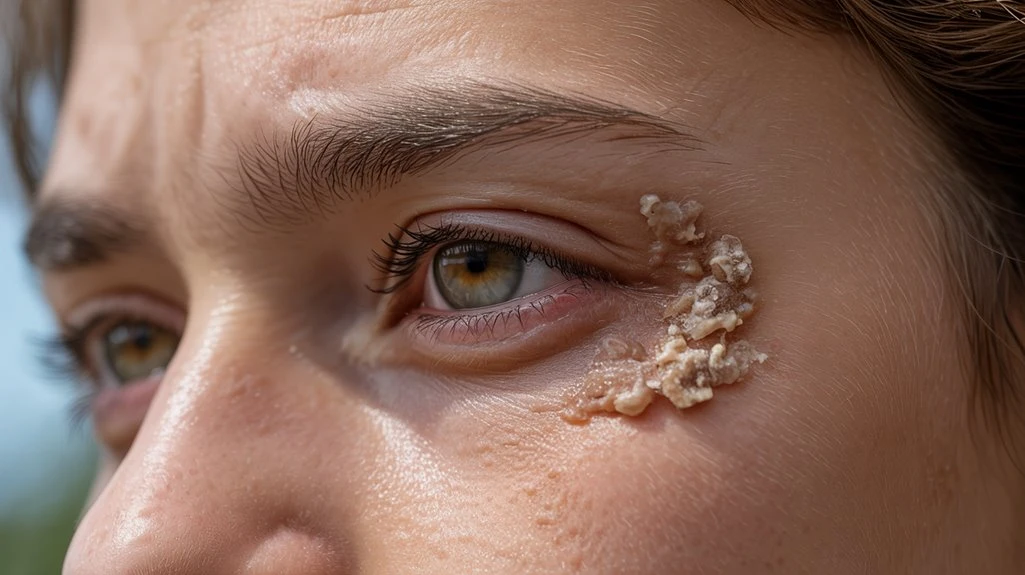
TheraLife offers a unique approach to treating itchy, crusty eyes through its specialized oral eye treatment products. These products are designed to address various underlying causes such as allergens, infections like conjunctivitis, and eyelid inflammation such as blepharitis. TheraLife stands out as the only company providing this form of oral eye care treatment. Their products aim to stabilize the tear film, thereby reducing irritation and crusting along the eyelid margins.
TheraLife’s comprehensive range of solutions benefits customers by targeting specific triggers and symptoms associated with eye discomfort. For instance, their products can help manage dry eye syndrome, promote better eyelid hygiene, and protect against environmental irritants. By focusing on these areas, TheraLife helps maintain eye health and comfort.
For those looking to identify the causes of their eye issues and explore effective treatment options, TheraLife provides valuable guidance and products tailored to individual needs. Their approach emphasizes the importance of accurate diagnosis, symptom pattern recognition, and associated changes, ensuring customers receive the most effective care possible.
Get Rid Of Crusty Eyes – Treat Your Dry Eyes With TheraLife
Crusty Eyes Management with TheraLIfe All In One Dry Eye Starter Kit.
Add To Cart
Key Takeaways
- Allergic conjunctivitis from pollen, pet dander, or other allergens commonly causes itchy, crusty eyes.
- Bacterial or viral conjunctivitis can lead to eye itching and crust formation, often with discharge.
- Blepharitis, an inflammation of the eyelid margins, frequently results in itchiness and crusty eyelids.
- Dry Eye Syndrome, exacerbated by environmental factors or screen use, can produce irritation and crusts.
- Poor contact lens hygiene or improper storage increases the risk of eye irritation and crusty buildup.
Allergies and Environmental Triggers

Although numerous factors can contribute to itchy, crusty eyes, allergic conjunctivitis remains a primary diagnostic consideration.
When you encounter ocular pruritus and discharge, evaluate for recent pollen exposure or contact with pet dander, which are common environmental allergens. These antigens trigger a hypersensitivity response, leading to conjunctival edema, erythema, and increased mucus production.
Clinical assessment should prioritize a detailed exposure history, focusing on symptom seasonality, indoor animal presence, and exacerbation after outdoor activities. Objective findings often include bilateral involvement, papillary conjunctival reaction, and watery discharge.
Diagnostic accuracy improves when you correlate symptom onset with environmental changes. Laboratory testing, such as allergen-specific IgE assays or conjunctival scrapings, may further substantiate the diagnosis.
Early identification allows you to implement targeted allergen avoidance and symptomatic therapy. Increased eye crust may also be associated with conditions like blepharitis or dry eyes, which require specific attention for comprehensive treatment.
Infections: Conjunctivitis and Beyond
Infectious etiologies, particularly conjunctivitis, also account for a significant proportion of cases involving itchy, crusty eyes.
When you present with these symptoms, clinicians often consider viral conjunctivitis—a highly contagious form characterized by watery discharge, conjunctival hyperemia, and lid edema. Viral conjunctivitis typically follows an upper respiratory tract infection and is commonly caused by adenovirus.
In contrast, a bacterial infection of the conjunctiva produces purulent discharge, intense eyelid crusting, and rapid onset of discomfort. Common causative organisms include Staphylococcus aureus, Streptococcus pneumoniae, and Haemophilus influenzae. It is important to note that chlamydial conjunctivitis can also cause similar symptoms, emphasizing the need for accurate diagnosis and treatment.
Accurate diagnosis relies on thorough history, clinical examination, and, in recalcitrant cases, conjunctival cultures. Prompt differentiation between viral and bacterial etiologies is critical, as it directs appropriate antimicrobial management and infection control to prevent transmission.
Blepharitis and Eyelid Inflammation
When chronic eyelid discomfort and crusting accompany ocular pruritus, clinicians often consider blepharitis—a prevalent inflammatory disorder affecting the eyelid margins. You’ll notice symptoms such as persistent itching, redness, and the accumulation of crusts along the lash line. This condition commonly arises from bacterial colonization, seborrheic dermatitis, or dysfunction of the meibomian glands. Meibomian gland dysfunction (MGD) is a common cause of posterior blepharitis, leading to dry eyes due to blocked oil glands. Diagnosis involves a thorough slit-lamp examination to assess eyelid margin changes, debris, and gland secretions. Effective management hinges on consistent eyelid hygiene; you’ll benefit from regular warm compresses and gentle cleansing of the eyelid margins with commercially available wipes or diluted baby shampoo. Treatment options may include topical antibiotics or anti-inflammatory agents for more severe cases. Prompt recognition and targeted therapy can substantially reduce recurrence and chronic discomfort.
Dry Eye Syndrome

You may develop Dry Eye Syndrome when tear production becomes insufficient or destabilized, leading to ocular surface irritation. Environmental irritants and prolonged screen exposure further exacerbate tear film instability and symptom severity. Diagnostic evaluation should assess tear volume, osmolarity, and meibomian gland function to identify underlying etiologies. Chronic dry eyes can result from autoimmune diseases, menopause, and certain medications.
Tear Production Imbalance
Although tear production may seem straightforward, an imbalance in the quantity or quality of tears leads to Dry Eye Syndrome, a prevalent contributor to itchy, crusty eyes.
Your tear duct system is responsible for maintaining the eye’s hydration balance, ensuring the ocular surface remains lubricated and free from debris. When your tear ducts don’t produce enough tears, or the tear composition lacks proper lipid, aqueous, or mucin layers, the ocular surface becomes susceptible to irritation and desiccation.
This disruption often triggers inflammation and promotes the formation of crusty deposits at the eyelid margins. Clinicians diagnose Dry Eye Syndrome by evaluating tear volume, osmolarity, and assessing tear film stability.
- Insufficient tear duct output reduces hydration balance.
- Poor tear film composition increases ocular surface friction.
- Diagnostic tests confirm tear production abnormalities.
A natural alternative like TheraLife Eye capsules targets the root cause of dry eyes by improving tear production and reducing dryness symptoms.
Environmental Irritants Impact
Despite ideal tear composition, exposure to environmental irritants—such as smoke, dust, wind, or air conditioning—can destabilize the tear film and exacerbate Dry Eye Syndrome. You’ll often find that airborne particulates and the pollution effects in urban environments increase ocular surface inflammation and promote tear film evaporation. Diagnostic studies show that low humidity levels accelerate water loss from the ocular surface, resulting in higher osmolarity and discomfort. Even moderate wind or prolonged exposure to recirculated air can disrupt the lipid layer, compromising tear stability and increasing the risk of itchy, crusty eyes. Meibomian Glands play a crucial role in maintaining the lipid layer of the tear film, which is essential for preventing tear evaporation. When evaluating patients, it’s essential to assess environmental history and potential irritant exposure. Addressing these factors—through environmental modification or protective eyewear—can greatly reduce symptom severity and improve ocular surface health.
Prolonged Screen Exposure
When patients engage in extended periods of screen use, blink rates decrease considerably, leading to increased tear film evaporation and subsequent ocular surface dryness. This phenomenon, known as digital fatigue, is a primary contributor to dry eye syndrome, manifesting as itchy, crusty eyes. Prolonged screen time alters the stability of the tear film, reducing its protective function and increasing the risk of meibomian gland dysfunction. Diagnostic evaluation often reveals decreased tear break-up time and punctate epithelial erosions, underscoring the severity of ocular surface compromise. Individuals suffering from dry eyes due to autoimmune conditions, such as Sjogren’s syndrome and rheumatoid arthritis, may find additional relief using targeted treatments like TheraLife Autoimmune. To mitigate these symptoms associated with digital fatigue and excessive screen time, consider the following:
- Implement the 20-20-20 rule: rest eyes every 20 minutes
- Optimize ambient humidity in your workspace
- Use artificial tears or lubricating eye drops as needed
Contact Lens Use and Eye Care Habits
Many individuals who develop itchy, crusty eyes wear contact lenses or practice poor eye care habits, both of which can exacerbate ocular surface irritation.
Inadequate lens hygiene increases the risk of microbial colonization on the lens surface, leading to inflammatory responses such as conjunctivitis or blepharitis. If you don’t clean your contacts properly or neglect proper storage, protein and lipid deposits can accumulate, further irritating the ocular surface and promoting the formation of crusts along the eyelid margin.
Diagnostic evaluation often reveals debris or biofilm on lenses, correlating with heightened ocular discomfort and pruritus. 60% of contact lens users experience dry eye symptoms, which can contribute to the discomfort associated with itchy, crusty eyes.
Adhering to evidence-based recommendations for lens hygiene—such as regular cleaning, disinfection, and proper storage—significantly reduces these risks. Your eye care habits directly influence the likelihood and severity of itchy, crusty eye symptoms.
When to Seek Medical Attention
How do you determine if itchy, crusty eyes warrant professional evaluation? You should conduct a thorough symptom assessment, noting duration, intensity, and associated manifestations such as vision changes or photophobia. If conservative measures fail or symptoms escalate, prompt medical attention is advised. Clinical guidelines indicate that certain presentations suggest underlying pathology requiring diagnostic intervention and advanced treatment options. Consider seeking expert care if you experience:
- Persistent redness, swelling, or pain unresponsive to over-the-counter remedies
- Vision disturbances, such as blurriness or sudden vision loss
- Mucopurulent discharge or crusting that recurs or worsens
Early diagnosis can distinguish between self-limiting irritations and more serious etiologies like bacterial conjunctivitis or keratitis. A clinician can tailor evidence-based treatment options, optimizing outcomes and preventing complications. Prioritize your ocular health through timely symptom assessment.
Get Rid Of Crusty Eyes – Treat Your Dry Eyes With TheraLife
Crusty Eyes Management with TheraLIfe All In One Dry Eye Starter Kit.
Add To Cart
Frequently Asked Questions
Can Certain Foods Cause Itchy, Crusty Eyes?
You might experience itchy, crusty eyes if you’re reacting to food allergies or dietary sensitivities.
When your immune system identifies certain foods as threats, it can trigger an allergic response, releasing histamines that cause ocular pruritus and conjunctival inflammation.
Common culprits include dairy, eggs, and nuts.
If you notice recurrent symptoms after eating specific foods, consult an allergist for diagnostic testing to identify triggers and develop an effective management strategy.
Are There Home Remedies That Can Help Relieve Symptoms?
Imagine your eyelids staging a revolt, crusting over like a poorly baked pie. You can fight back!
Research suggests that warm compresses loosen debris and improve meibomian gland function, providing symptomatic relief. Additionally, rinsing your eyelids with cooled, sterile herbal teas like chamomile may reduce inflammation, though evidence is largely anecdotal.
Always monitor for persistent symptoms—chronic or severe presentations warrant differential diagnosis to rule out allergic conjunctivitis, blepharitis, or infectious etiologies.
Do Pets Contribute to Itchy, Crusty Eyes?
If you experience itchy, crusty eyes, pets can be a contributing factor through pet allergies.
Exposure to animal dander may trigger an allergic conjunctivitis response, leading to ocular pruritus and discharge.
Additionally, direct contact with pets can introduce pathogens, increasing risk for secondary eye infections.
Diagnostic evaluation should include a detailed exposure history, allergy testing, and ocular examination to differentiate between allergic and infectious etiologies and guide targeted management strategies.
Can Makeup Cause or Worsen Eye Symptoms?
Imagine your eyelids as castle gates—when you apply makeup, you introduce new visitors. Some makeup ingredients act like invaders, breaching your natural defenses and triggering allergic reactions.
You might notice erythema, pruritus, and crusting, evidence of immune-mediated responses. Diagnostic evaluation often reveals contact dermatitis or blepharitis linked to cosmetic use.
If you suspect makeup’s to blame, discontinue products and consult a clinician for patch testing or further assessment.
Is There a Genetic Predisposition to Developing These Symptoms?
You may have a higher risk of developing these symptoms if genetic factors or hereditary conditions are present in your family history.
Research indicates that atopic dermatitis, allergic conjunctivitis, and certain autoimmune disorders can have genetic predispositions.
Diagnostic evaluation should include a detailed family history and, if indicated, genetic testing to identify inherited markers.
Recognizing hereditary patterns helps clinicians tailor management strategies and provide targeted patient education regarding symptom prevention and recurrence.
Get Rid Of Crusty Eyes – Treat Your Dry Eyes With TheraLife
Crusty Eyes Management with TheraLIfe All In One Dry Eye Starter Kit.
Add To Cart
Conclusion
If you’re experiencing itchy, crusty eyes, it’s crucial to determine the cause, such as allergies, infection, or dry eye, to address it effectively. TheraLife stands out as the only company providing oral treatment for eye conditions, offering a unique approach to managing these symptoms. By focusing on natural ingredients and comprehensive care, TheraLife’s products support overall eye health, addressing not just symptoms but underlying issues. Their oral treatments are designed to alleviate discomfort and promote long-term ocular wellness. Don’t ignore persistent symptoms, as improper management can lead to complications. Stay vigilant with hygiene and eye care practices, and consult TheraLife for innovative solutions to maintain your eye health.