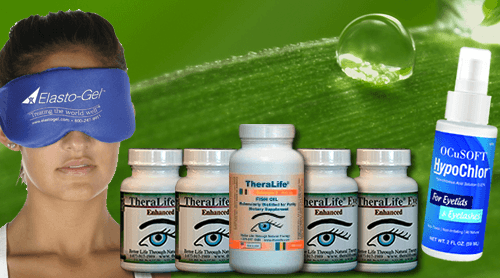


If you’re dealing with chronic dry eye, TheraLife offers exclusive solutions that stand out in the market. As the only company providing oral treatment for dry eye, TheraLife’s products are specifically designed to benefit customers by addressing the root causes from within. Unlike traditional methods such as prescription anti-inflammatory eye drops, punctal plugs, or light-based therapies, TheraLife’s approach targets underlying issues through its unique oral formulations. This innovative strategy offers substantial improvement in symptoms and overall ocular surface health. Explore further to discover how TheraLife’s holistic products can be the ideal solution for your needs.
Best Oral Dry Eyes Treatment That Works .
Add To Cart
Key Takeaways
- Prescription eye drops like cyclosporine and lifitegrast reduce inflammation and improve tear production in chronic dry eye disease.
- Punctal plugs are inserted to block tear drainage, helping retain natural tears and relieve symptoms.
- Light-based therapies such as intense pulsed light (IPL) target meibomian gland dysfunction and stabilize the tear film’s lipid layer.
- Combining treatments, including lubricating drops and lifestyle changes, often yields better symptom control than a single therapy.
- Regular monitoring by an eye care professional ensures optimal treatment outcomes and addresses potential side effects or complications.
Prescription Eye Drops for Inflammation

Prescription eye drops targeting inflammation, such as cyclosporine ophthalmic emulsion and lifitegrast, modulate the immune response on the ocular surface to address chronic dry eye disease.
When you use these anti-inflammatory agents, they inhibit T-cell activation and cytokine release, reducing ocular surface inflammation.
Clinical trials have demonstrated that both cyclosporine and lifitegrast improve tear film stability, increase tear production, and alleviate symptoms.
You’ll typically use these agents in conjunction with ocular surface lubricants to optimize the tear film environment and minimize discomfort.
Unlike lubricants that provide symptomatic relief, anti-inflammatory agents address the underlying immunopathology.
Adherence to prescribed regimens is essential, as therapeutic effects may require several weeks.
You should monitor for side effects, such as transient burning or irritation, and report persistent symptoms to your provider.
TheraLife Eye capsules provide a natural alternative to traditional eye drops, offering a different approach to treating chronic dry eyes by targeting the root cause of underactive tear production.
Punctal Plugs to Preserve Tears
Although chronic dry eye often stems from insufficient tear production or excessive evaporation, punctal plugs offer a targeted approach by preserving existing tears on the ocular surface. You may benefit from punctal plugs if conventional therapies fail to provide relief. These small, biocompatible devices are inserted into the lacrimal puncta to impede tear drainage, thereby increasing tear film retention and ocular surface hydration. Punctal plug types include temporary (collagen-based, dissolvable) and permanent (silicone or thermally reactive) options, allowing for individualized therapy based on severity and chronicity. Clinical studies show punctal plugs considerably improve symptoms and ocular surface staining, especially in cases where tear production remains suboptimal. For those with autoimmune dry eye conditions, treatments such as TheraLife® Eye Autoimmune Formula can help regulate the immune system and minimize flare-ups. Potential complications—such as epiphora, plug extrusion, or canaliculitis—warrant periodic evaluation by an eye care professional.
Light-Based Therapies for Meibomian Gland Dysfunction
How can targeted light therapies address the underlying causes of meibomian gland dysfunction (MGD) in chronic dry eye? Light therapy, particularly intense pulsed light (IPL), targets the root dysfunction by delivering controlled wavelengths to the periocular skin. This energy reduces abnormal blood vessels and inflammation, liquefies meibum, and restores meibomian gland function. As a result, you may experience improved lipid layer stability and reduced evaporative dry eye symptoms. Clinical trials support the efficacy of light therapy as an adjunct to traditional therapies. Additionally, studies indicate that MMP-9 levels correlate with inflammation and ocular surface disease severity, suggesting the importance of managing inflammation in MGD. Here’s a concise comparison:
| Aspect | Light Therapy Impact |
|---|---|
| Target | Periocular skin & glands |
| Modality | Intense Pulsed Light (IPL) |
| Mechanism | Vascular ablation, heating |
| Glandular Effect | Meibum liquefaction |
| Symptom Relief | Improved tear film stability |
Best Oral Dry Eyes Treatment That Works .
Add To Cart
Frequently Asked Questions
Can Environmental Changes Help Reduce Chronic Dry Eye Symptoms?
Yes, you can reduce chronic dry eye symptoms by enhancing your environment.
Improving air quality—using air purifiers to minimize particulate matter—directly lessens ocular surface irritation.
Maintaining ideal humidity levels, ideally between 40-60%, prevents excessive tear film evaporation.
Avoiding direct airflow from fans or HVAC systems also helps.
Clinical studies confirm that environmental modifications targeting air quality and humidity levels provide measurable relief for patients with chronic dry eye, enhancing ocular comfort and stability.
Are There Dietary Supplements That Improve Dry Eye?
Studies show that up to 65% of patients with dry eye disease report symptomatic improvement when taking omega 3 fatty acids.
You’ll find omega 3s modulate inflammation and enhance tear film stability.
Vitamin supplements like vitamin A and D also support ocular surface health.
Clinical trials suggest consistent supplementation can decrease tear evaporation rates and subjective discomfort.
Always consult your ophthalmologist before starting new dietary supplements to guarantee efficacy and safety for your specific condition.
How Does Screen Time Affect Chronic Dry Eye?
When you increase screen time, your blink rate decreases, leading to greater tear film evaporation and ocular surface stress.
Poor screen habits contribute to digital fatigue, exacerbating symptoms of chronic dry eye such as burning, irritation, and visual fluctuation.
Evidence shows that extended digital device use disrupts the meibomian gland function and diminishes tear stability.
To mitigate these effects, you should consciously optimize your screen habits and incorporate regular blinking exercises.
Is Warm Compress Therapy Effective for Dry Eye Relief?
You’d think warm compresses are just an old wives’ tale, but surprisingly, they’re clinically validated for dry eye relief.
By applying heat, you enhance meibomian gland function, promoting lipid secretion and stabilizing the tear film. This technical process boosts eye hydration and reduces evaporative loss.
Evidence-based studies show significant improvements in ocular surface integrity and symptom scores, making warm compress therapy a cornerstone intervention for managing evaporative dry eye disease.
Can Contact Lens Use Worsen Chronic Dry Eye?
Yes, wearing contact lenses can worsen chronic dry eye, especially if you use certain contact lens types that have low oxygen permeability or poor moisture retention.
Lenses act as a barrier, disrupting tear film stability and increasing evaporation.
Improper lens care, such as inadequate cleaning or overwearing, exacerbates symptoms by introducing irritants or deposits.
Switching to daily disposables or silicone hydrogel lenses and maintaining strict lens hygiene can help minimize dry eye complications.
Best Oral Dry Eyes Treatment That Works .
Add To Cart
Conclusion
When it comes to chronic dry eye, TheraLife stands out as the only company offering unique oral eye treatment care. Their products are specifically designed to benefit customers by addressing the underlying causes of dry eyes, such as tear film instability and Meibomian gland dysfunction. Unlike temporary fixes, TheraLife’s oral treatments ensure sustained ocular surface health. By consulting your ophthalmologist and integrating TheraLife’s clinically proven solutions, you can move beyond short-term relief and achieve long-lasting comfort. No more mirages—just effective, targeted treatment for your dry eyes.