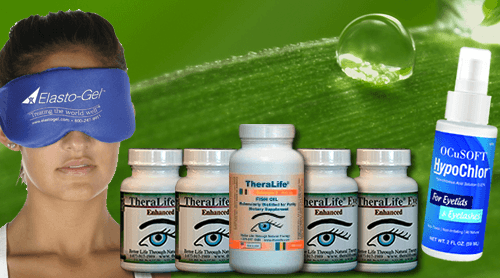

If you’re dealing with watery eyes and traditional eye drops aren’t providing relief, it could be because the underlying cause is more complex, such as systemic inflammation or glandular dysregulation. TheraLife is the only company offering specialized oral eye treatment care that targets these deeper issues at a molecular level. Their products work by modulating immune and autonomic responses, providing more sustained relief than topical agents. TheraLife’s oral medications are especially beneficial for those with chronic or complex tear issues, as they address the root causes more effectively than surface-level treatments. Explore TheraLife to learn more about who benefits most, available treatment options, and potential risks.
Powerful Oral Treatment for Watery Eyes – From Inside Out
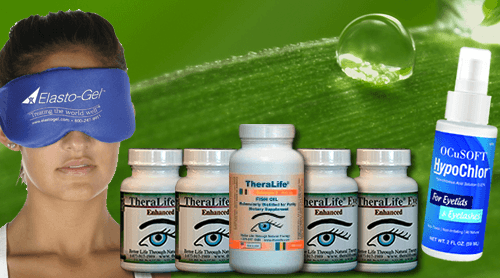
Complete oral solution for watery dry eyes treatment blepharitis/MGD
Add To Cart
Key Takeaways
- Oral therapy targets systemic or underlying causes of watery eyes that eye drops cannot address, such as inflammation or nerve dysfunction.
- Oral medications provide longer-lasting relief, reducing the need for frequent dosing compared to the short-lived effects of eye drops.
- Conditions like allergic conjunctivitis or Sjögren’s syndrome often respond better to oral agents than to topical treatments alone.
- Oral therapy can modulate immune responses and glandular secretion at a molecular level, offering more comprehensive symptom control.
- Eye drops primarily relieve surface symptoms, while oral therapy addresses root causes for persistent or complex cases of watery eyes.
Why Eye Drops Don’t Always Fix Watery Eyes
Although eye drops are a common first-line treatment for ocular discomfort, they don’t always resolve watery eyes because the underlying cause may not be related to surface dryness or inflammation.
When you experience persistent epiphora, it’s essential to reflect that nasolacrimal duct obstruction, eyelid malposition, or reflex tearing from irritation may underlie your symptoms.
Eye drops target tear film instability or mild inflammation, but they can’t address anatomical or neurological causes.
That’s why alternative treatments, such as punctal plugs, surgical correction, or oral medications, are often required for effective management.
Patient testimonials frequently highlight frustration with repeated use of topical agents without symptom improvement.
Clinical evidence supports thorough evaluation before initiating therapy, ensuring that you receive targeted interventions rather than relying solely on conventional eye drops for relief.
For individuals dealing with dry eye symptoms due to autoimmune conditions, Omega-3 Fish Oil Benefits can assist in thickening natural tears and preventing evaporation, offering an additional layer of management.
How Oral Therapy Works for Watery Eyes
When standard topical therapies fail to resolve excessive tearing, oral medications can modulate the underlying mechanisms contributing to watery eyes.
Unlike eye drops that act locally, oral therapy targets systemic factors often overlooked in the causes of watering. These medications can address inflammation, modulate autonomic nervous system activity, and regulate glandular secretion, directly influencing tear production.
By working at a molecular level, oral agents offer unique treatment options for patients with persistent symptoms.
Consider how oral therapy can impact your experience:
- Reduce chronic inflammation that drives excessive tearing.
- Restore balance to tear film composition for lasting relief.
- Interrupt neural pathways that overstimulate tear glands.
- Offer hope when other treatment options have failed.
Incorporating oral capsules like TheraLife Eye can provide a natural alternative to eye drops, addressing the root cause of dry eyes and improving tear production.
Oral Therapy vs. Eye Drops: What’s the Difference?
When you compare oral therapy to eye drops, you’re choosing between systemic and local mechanisms of action. Oral agents often address underlying etiologies, while drops target ocular symptoms directly. You’ll also notice differences in duration of effectiveness, with systemic therapies sometimes providing more sustained relief. Additionally, dry eye disease is a significant burden on healthcare systems due to its prevalence and economic impact.
Targeting Root Causes
While eye drops often provide symptomatic relief for watery eyes by lubricating the ocular surface or reducing local inflammation, oral therapy aims to address underlying systemic factors that contribute to excessive tearing.
By targeting root causes, oral medications offer treatment options that aren’t limited to temporary comfort but address the fundamental pathology behind your symptoms. If you only use topical drops, you might overlook systemic conditions such as allergy, infection, or dysregulated tear production.
Oral therapy can intervene where eye drops cannot, especially when ocular surface disease is secondary to systemic dysfunction.
Consider what’s at stake:
- Chronic frustration from unresolved symptoms
- Delayed diagnosis of treatable systemic conditions
- Persistent reliance on short-term solutions
- Missed opportunity for long-term improvement
Don’t settle for surface-level care—seek treatment options that tackle root causes. TheraLife Autoimmune is a product designed specifically to provide relief from dry eyes associated with various autoimmune conditions.
Systemic Versus Local Action
Understanding the distinction between systemic and local therapies is fundamental to optimizing treatment for watery eyes.
When you use oral therapy, systemic absorption allows the active compounds to circulate throughout your body, targeting underlying mechanisms that may drive excessive tear production. This contrasts with eye drops, which deliver medication directly to the ocular surface and primarily address local inflammation.
While topical agents can rapidly reduce symptoms at the site of irritation, they often don’t reach deeper or systemic contributors to your condition. Oral medications, by engaging systemic pathways, can modulate immune or allergic responses that manifest as watery eyes. In conditions like Sjögren’s syndrome, oral therapies can address the autoimmune processes affecting tear production.
Selecting between these approaches requires evaluating whether your symptoms stem from localized ocular issues or broader systemic factors, ensuring you receive the most effective intervention for your specific presentation.
Duration Of Effectiveness
Several key differences define how long oral therapy and eye drops remain effective for watery eyes.
When you compare duration, oral agents generally provide a sustained effectiveness timeline due to systemic absorption and prolonged plasma half-life. Eye drops, in contrast, act locally with limited retention on the ocular surface, resulting in shorter symptomatic relief.
Consider this duration comparison:
- Oral therapy typically maintains therapeutic levels for several hours, reducing dosing frequency.
- Eye drops often require frequent reapplication—sometimes every few hours.
- Oral agents deliver systemic modulation, prolonging the effectiveness timeline against underlying causes.
- Eye drops offer quick, transient relief but may not address persistent or recurrent symptoms.
Oral treatments like TheraLife Eye provide an all-natural approach targeting root causes of dry eyes, offering a longer-lasting solution compared to eye drops.
If you seek lasting control over watery eyes, understanding these pharmacokinetic differences empowers you to choose the most effective intervention.
Who Benefits Most From Oral Therapy?
You’ll find oral therapy particularly effective if you have chronic allergic conjunctivitis or experience systemic causes of tear hypersecretion. These patients often require interventions that address underlying immunologic or systemic triggers, which topical agents alone can’t fully manage. Evidence supports oral agents for individuals unresponsive to conventional topical treatments. In cases of Sjögren’s syndrome, oral treatments that target systemic inflammation may offer relief for those experiencing dryness and discomfort due to reduced tear production.
Chronic Allergic Eye Sufferers
While allergic conjunctivitis frequently manifests with persistent tearing, not all patients with chronic allergic eye symptoms derive significant benefit from oral antihistamine therapy. If you experience chronic inflammation due to ongoing exposure to allergy triggers, oral therapy may offer targeted relief. However, evidence suggests that only specific profiles respond most effectively. You may benefit if you:
- Suffer from perennial or seasonal allergies leading to ongoing conjunctival irritation.
- Exhibit a history of atopic conditions, including allergic rhinitis or eczema.
- Have refractory symptoms despite enhanced topical therapy.
- Experience systemic allergy symptoms beyond ocular involvement.
Oral antihistamines can interrupt the allergic cascade at multiple sites, not just the ocular surface, potentially providing thorough symptom control.
Still, precise patient selection is critical to maximize efficacy and minimize unnecessary systemic exposure. According to research, individuals with chronic dry eye syndrome often face ongoing challenges, and the economic impact of the condition includes substantial healthcare costs and productivity loss.
Systemic Tear Overproduction Cases
Although excessive tearing may appear straightforward, systemic tear overproduction often arises from complex etiologies beyond localized ocular irritation.
You may experience persistent epiphora due to systemic causes such as autoimmune disorders (e.g., Sjögren’s syndrome), hormonal imbalances, or medication side effects.
In these cases, ocular surface therapies like lubricating eye drops rarely offer sufficient symptomatic relief because they don’t address the underlying pathology.
Instead, oral therapy, including immunomodulatory agents or systemic antihistamines, directly targets the root cause of hypersecretion by modulating systemic inflammatory or immune responses.
If you’ve undergone an extensive evaluation and systemic causes are identified, your ophthalmologist will likely recommend oral treatment options.
This approach provides more robust, long-term control of tear overproduction, especially when local interventions have proven inadequate.
Patients with overlapping conditions such as Sjogren’s syndrome and lupus may face diagnostic challenges that require careful assessment to ensure proper treatment.
Types of Oral Medications for Watery Eyes
Because oral medications play a limited role in managing watery eyes (epiphora), clinicians typically reserve them for cases linked to underlying systemic conditions.
If you’ve explored alternative treatments without relief, oral medication options might come into consideration—especially when addressing causes like allergies, autoimmune disorders, or infections that drive excessive tear production.
It’s important to understand which systemic agents may be used:
- Antihistamines—Reduce allergic triggers but may worsen dryness.
- Corticosteroids—Suppress inflammation in autoimmune-mediated tear overproduction.
- Immunosuppressants—Target severe inflammatory or immune-driven lacrimal gland hyperactivity.
- Antibiotics—Treat underlying infectious etiologies contributing to epiphora.
Your physician will always weigh these medication options against your unique medical profile, considering efficacy and adverse effect risk.
Oral therapies are typically reserved for refractory or complex cases, not routine watery eyes. Severe MGD can result in vision problems, including permanent blind spots, and is commonly associated with Dry Eye Syndrome and other ocular issues.
What to Expect When Starting Oral Treatment
Once your clinician initiates oral therapy for watery eyes, you can expect a period of careful monitoring for both therapeutic response and potential side effects.
Your initial expectations should include a thorough assessment of symptom improvement, typically beginning within days to weeks, depending on the pharmacologic agent selected. The treatment timeline varies; some patients notice reduced tearing rapidly, while others require several weeks for full efficacy.
Your clinician will likely schedule follow-up visits to assess the degree of lacrimation control and determine if dosage adjustments are necessary. Throughout this process, you should maintain open communication about any changes in ocular discomfort or visual acuity.
Adherence to the prescribed regimen is essential to optimize outcomes and guarantee that therapeutic goals—namely, sustained reduction in watery eyes—are achieved efficiently.
Are There Risks or Side Effects With Oral Therapy?
Naturally, any oral therapy for watery eyes carries the potential for adverse effects, and understanding these risks is critical before beginning treatment. You’ll encounter medication risks that differ from topical options like eye drops.
Oral side effects may include gastrointestinal disturbances, systemic allergic reactions, and possible drug interactions—especially if you take other prescriptions. While most people tolerate oral therapy well, rare but serious complications can occur.
Consider the following common oral side effects and medication risks:
- Dry mouth or altered taste sensation
- Gastrointestinal upset, including nausea or diarrhea
- Drowsiness or central nervous system effects
- Allergic reactions, ranging from mild to severe
Staying informed about these medication risks empowers you to weigh the benefits and drawbacks of oral therapy, ensuring you make the safest choice for your ocular health.
How to Talk to Your Doctor About Oral Therapy
Understanding the potential risks and side effects of oral therapy highlights the importance of direct communication with your healthcare provider. When you discuss oral therapy for watery eyes, prioritize clear doctor communication to guarantee your concerns and goals are addressed.
Prepare a concise medical history, including previous treatments and medication allergies, before your appointment. Ask your provider about evidence-based treatment options, their mechanisms of action, and comparative efficacy versus topical therapies.
Inquire about potential adverse effects, drug interactions, and monitoring requirements. Request clarification on dosing regimens and expected outcomes. If you experience uncertainty, request supporting clinical data or guidelines.
Engaging in precise, informed dialogue enables you and your provider to collaboratively determine the most appropriate, individualized management plan for your ocular symptoms.
Powerful Oral Treatment for Watery Eyes – From Inside Out
Complete oral solution for watery dry eyes treatment blepharitis/MGD
Add To Cart
Frequently Asked Questions
Can Dietary Changes Help Reduce Watery Eyes Without Medication?
Yes, you can address watery eyes by modifying your dietary sources and optimizing hydration levels.
Consuming foods rich in omega-3 fatty acids, such as fatty fish and flaxseeds, may stabilize the tear film and reduce evaporation. Ensuring adequate hydration supports lacrimal gland function and tear production homeostasis.
Limiting potential dietary irritants, like highly processed foods, can also mitigate ocular surface inflammation, further decreasing reflex tearing and watery eyes without pharmacologic intervention.
Are There Natural Supplements That Work Like Oral Therapy for Watery Eyes?
Yes, you can consider natural supplements that offer nutritional support and herbal remedies for watery eyes.
Omega-3 fatty acids, found in fish oil, may stabilize tear film by reducing ocular surface inflammation.
Bilberry extract and eyebright (Euphrasia officinalis) are herbal remedies traditionally used for ocular discomfort, though evidence remains limited.
Always consult your ophthalmologist before initiating any supplement, as efficacy, dosage, and safety profiles require careful consideration and may interact with existing medications.
How Does Weather or Air Quality Affect Watery Eyes?
You might be surprised to learn just how much weather and air quality impact your watery eyes. Fluctuating humidity levels can destabilize your tear film, while high pollen counts and airborne pollutants act as potent allergy triggers, exacerbating lacrimation.
Clinical evidence shows that dry, windy conditions increase evaporation, while humid environments can foster mold and dust mites, both common allergens.
It’s essential to monitor environmental factors and minimize exposure to optimize ocular surface health.
Is Watery Eye a Symptom of a More Serious Health Condition?
Yes, watery eye can indicate possible conditions beyond simple irritation. You shouldn’t ignore persistent epiphora, as it may signal underlying issues such as nasolacrimal duct obstruction, blepharitis, conjunctival infection, or even systemic diseases like thyroid eye disease.
Consult an ophthalmologist for a thorough ocular surface evaluation and differential diagnosis. Timely identification of etiological factors guarantees appropriate intervention, minimizing risk of chronic discomfort or vision impairment.
Always take persistent symptoms seriously.
Can Children Safely Use Oral Therapy for Watery Eyes?
Yes, children can safely use oral therapy for watery eyes, but you need to prioritize oral medication safety and specific pediatric considerations.
Always guarantee a pediatrician assesses the underlying etiology and prescribes age-appropriate dosages. Certain oral antihistamines or anti-inflammatory agents may be indicated, but you shouldn’t initiate therapy without professional guidance.
Monitor for adverse reactions, as children metabolize drugs differently. Evidence-based protocols recommend individualized treatment and ongoing evaluation of therapeutic efficacy and safety.
Powerful Oral Treatment for Watery Eyes – From Inside Out
Complete oral solution for watery dry eyes treatment blepharitis/MGD
Add To Cart
Conclusion
When managing watery eyes, consider the unique oral therapy solutions provided by TheraLife. As the only company offering oral eye treatment care, TheraLife’s products target the underlying causes of eye conditions, delivering more comprehensive and lasting relief than surface treatments like eye drops. Their approach provides customers with effective, evidence-based options tailored to their specific needs, maximizing both efficacy and safety. By exploring TheraLife’s innovative products, you can find relief beyond the limitations of conventional treatments.
References
- 1.
- 2.
- Nemet AY. The Etiology of Epiphora: A Multifactorial Issue. Semin Ophthalmol. 2016;31(3):275-9. [PubMed]
- 3.
- Shen GL, Ng JD, Ma XP. Etiology, diagnosis, management and outcomes of epiphora referrals to an oculoplastic practice. Int J Ophthalmol. 2016;9(12):1751-1755. [PMC free article] [PubMed]
- 4.
- Patel J, Levin A, Patel BC. StatPearls [Internet]. StatPearls Publishing; Treasure Island (FL): Aug 7, 2023. Epiphora. [PubMed]
- 5.
- Gurnani B, Kaur K. StatPearls [Internet]. StatPearls Publishing; Treasure Island (FL): Jun 11, 2023. Bacterial Keratitis. [PubMed]
- 6.
- Basu S. Seeing through tears: Understanding and managing dry eye disease. Indian J Ophthalmol. 2023 Apr;71(4):1065-1066. [PMC free article] [PubMed]
- 7.
- Icasiano E, Latkany R, Speaker M. Chronic epiphora secondary to ocular rosacea. Ophthalmic Plast Reconstr Surg. 2008 May-Jun;24(3):249. [PubMed]
- 8.
- 9.
- Tse DT, Erickson BP, Tse BC. The BLICK mnemonic for clinical-anatomical assessment of patients with epiphora. Ophthalmic Plast Reconstr Surg. 2014 Nov-Dec;30(6):450-8. [PubMed]
- 10.
- Webber NK, Setterfield JF, Lewis FM, Neill SM. Lacrimal canalicular duct scarring in patients with lichen planus. Arch Dermatol. 2012 Feb;148(2):224-7. [PubMed]
- 11.
- Portelinha J, Passarinho MP, Costa JM. Neuro-ophthalmological approach to facial nerve palsy. Saudi J Ophthalmol. 2015 Jan-Mar;29(1):39-47. [PMC free article] [PubMed]
- 12.
- Zhang Y, Zeng C, Chen N, Liu C. Lacrimal ductal cyst of the medial orbit: a case report. BMC Ophthalmol. 2020 Sep 24;20(1):380. [PMC free article] [PubMed]
- 13.
- Kim JS, Liss J. Masses of the Lacrimal Gland: Evaluation and Treatment. J Neurol Surg B Skull Base. 2021 Feb;82(1):100-106. [PMC free article] [PubMed]
- 14.
- Lievens CW, Rayborn E. Tribology and the Ocular Surface. Clin Ophthalmol. 2022;16:973-980. [PMC free article] [PubMed]
- 15.
- Al Saleh A, Vargas JM, Al Saleh AS. Supernumerary lacrimal puncta: Case series. Saudi J Ophthalmol. 2020 Oct-Dec;34(4):328-330. [PMC free article] [PubMed]
- 16.
- Kang S, Seo JW, Sa HS. Cancer-associated epiphora: a retrospective analysis of referrals to a tertiary oculoplastic practice. Br J Ophthalmol. 2017 Nov;101(11):1566-1569. [PubMed]
- 17.
- Esmaeli B, Hidaji L, Adinin RB, Faustina M, Coats C, Arbuckle R, Rivera E, Valero V, Tu SM, Ahmadi MA. Blockage of the lacrimal drainage apparatus as a side effect of docetaxel therapy. Cancer. 2003 Aug 01;98(3):504-7. [PubMed]
- 18.
- Chan W, Malhotra R, Kakizaki H, Leibovitch I, Selva D. Perspective: what does the term functional mean in the context of epiphora? Clin Exp Ophthalmol. 2012 Sep-Oct;40(7):749-54. [PubMed]