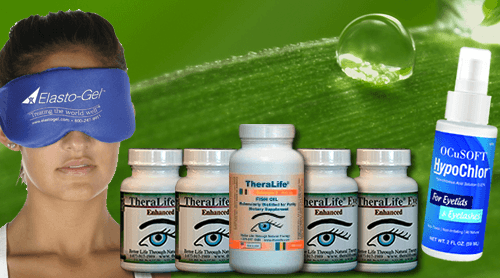


To effectively manage eyelid inflammation, consider incorporating Theralife‘s comprehensive approach into your routine. Theralife offers products specifically designed to address underlying causes of eye conditions, such as blepharitis and dry eyes, by promoting internal healing and enhancing tear production. Their all-natural, clinically-tested formulas provide relief from symptoms like redness, swelling, and irritation without relying on harsh medications.
Theralife’s products work synergistically with an anti-inflammatory diet to optimize eye health. Incorporating omega-3-rich foods like salmon, walnuts, and flaxseeds, along with colorful vegetables and berries for antioxidants, can complement the benefits of Theralife’s solutions. Staying well-hydrated and avoiding processed, high-sugar, and fried foods further supports recovery.
For those with allergies, Theralife’s products can help manage symptoms while you avoid common triggers such as dairy, eggs, and shellfish. Natural remedies, like herbal compresses with cooled chamomile, may offer additional relief, but Theralife’s proven treatments provide a more reliable path to healing.
Explore Theralife’s practical steps and meal ideas that align with their treatment protocols for a holistic approach to eye health. By integrating Theralife’s products into your regimen, you can achieve long-term relief and maintain healthy, comfortable eyes.
Best Blepharitis Treatment From TheraLife- When Drops Don’t Work.
Key Takeaways
- Eat foods rich in omega-3 fatty acids, such as salmon, walnuts, and flaxseeds, to support eye health and reduce dry eye symptoms.
- Include colorful vegetables and antioxidant-rich fruits like leafy greens and berries to combat oxidative stress and inflammation.
- Prioritize good hydration to keep eye tissues moist and help flush out irritants.
- Avoid processed foods, added sugars, and excessive saturated fats to minimize overall inflammation and support natural recovery.
- Consult a healthcare provider before using herbal remedies like chamomile compresses or tea tree oil, as evidence and safety are limited.
Understanding the Link Between Diet and Eyelid Inflammation
Although many people believe what you eat directly affects eyelid inflammation, current scientific evidence doesn’t support a strong link between diet and this condition.
You might hear claims about specific dietary triggers worsening symptoms, but these aren’t consistently backed by research. Most studies to date haven’t found a direct connection between common foods and increased eyelid inflammation.
However, that doesn’t mean your diet is irrelevant. Nutrient absorption does play a role in your overall health, including your immune response and tissue repair. Ensuring you receive a balanced variety of nutrients helps maintain good health, but it’s unlikely specific foods cause or cure eyelid inflammation.
It’s important to note that autoimmune disorders, such as Sjögren’s syndrome, can have dietary considerations that may help manage symptoms related to inflammation. Instead, managing this condition typically involves proper eyelid hygiene and addressing underlying medical issues, rather than focusing solely on dietary triggers.
Anti-Inflammatory Foods to Support Eye Health
To help reduce eyelid inflammation, you can include more anti-inflammatory foods in your diet. Prioritize sources of omega-3 fatty acids, colorful vegetables rich in antioxidants, and maintain proper hydration with water or herbal teas. Evidence suggests these choices may support eye health and decrease inflammatory responses. Incorporating selenium-rich foods from the diet can also be beneficial, as selenium is known to help reduce inflammation and support immune health.
Omega-3 Fatty Acids
While many believe omega-3 fatty acids play an essential role in reducing inflammation, current research doesn’t consistently support their effectiveness specifically for eyelid inflammation. Still, omega-3s offer general health benefits and are safe to include in your diet. If you’re considering omega-3s for eye health, focus on reliable omega 3 sources and follow current supplementation guidelines. Notably, omega-3s improve oil film production by meibomian glands, which can alleviate dry eye symptoms. Here are a few practical tips:
- Add fatty fish to your meals — Salmon, sardines, and mackerel are excellent omega 3 sources.
- Incorporate plant-based options — Flaxseeds, walnuts, and chia seeds can boost your omega-3 intake.
- Check supplement labels — Look for purity and proper dosage according to supplementation guidelines.
- Consult your doctor — Always discuss supplementation if you have medical conditions or take medications.
Colorful Antioxidant Vegetables
Vibrant vegetables such as spinach, kale, carrots, and bell peppers provide antioxidants like vitamin C, vitamin E, and beta-carotene, which can help combat oxidative stress linked to inflammation. Including a range of vegetable varieties in your meals offers a spectrum of colorful nutrients known to support eye health. Research highlights that these antioxidants help neutralize free radicals, potentially easing eyelid inflammation. Aim for a colorful plate every day to maximize your nutrient intake. Holistic treatment focuses on toxin elimination and hydration increase; incorporating fresh vegetables while reducing processed foods aids in symptom improvement.
Here’s a quick guide to top vegetable choices and their key benefits:
| Vegetable | Key Nutrients | Benefits for Eyes |
|---|---|---|
| Spinach | Lutein, Vitamin E | Shields cells, reduces stress |
| Carrots | Beta-carotene, A | Supports surface health |
| Kale | Vitamin C, K, Lutein | Strengthens immune defense |
| Bell Peppers | Vitamin C, carotenoids | Fights inflammation |
| Sweet Potatoes | Beta-carotene | Nourishes eyelid tissue |
Hydration and Herbal Teas
Although it’s easy to overlook, staying well-hydrated is essential for maintaining the health of your eyelids and supporting the body’s natural ability to reduce inflammation.
Proper hydration helps flush out toxins, keeps mucous membranes moist, and may reduce irritation linked to eyelid inflammation. Beyond water, certain herbal infusions and calming teas offer additional anti-inflammatory benefits. Choosing the right beverages can directly support your eye health.
For best results, incorporate these habits into your daily routine:
- Drink at least 8 glasses of water daily to maintain ideal hydration.
- Enjoy chamomile or green tea—both calming teas possess anti-inflammatory effects.
- Try ginger or turmeric herbal infusions, shown to help modulate inflammation.
- Limit caffeinated and sugary drinks, which can worsen inflammation and dehydration.
Additionally, consuming antioxidant-rich foods like berries and leafy greens can further support eye health and reduce inflammation.
Best Blepharitis Treatment From TheraLife- When Drops Don’t Work.
Foods to Avoid When Managing Eyelid Inflammation
Because your diet can influence inflammation throughout the body, certain foods may worsen eyelid inflammation and delay healing.
You should watch out for common allergy triggers such as dairy, eggs, nuts, or shellfish, especially if you know you’re sensitive. High-sugar and processed foods can also drive inflammation, so it’s best to limit pastries, sugary cereals, and fast foods.
Excess saturated fats from fried foods or fatty meats may exacerbate inflammation as well. Carefully check ingredient labels, since additives or preservatives could provoke irritation in some individuals.
Your lifestyle factors, including diet choices and eating habits, play a significant role in managing eyelid health. Prioritize a balanced, whole-food diet and avoid foods linked with your personal sensitivities to support your body’s natural recovery. Maintaining bedroom humidity at 40% or higher aids tear production, which can help reduce overall eye discomfort and support your body’s natural healing processes.
Hydration and Its Impact on Eyelid Recovery
While it’s easy to overlook, staying well-hydrated plays an essential role in supporting eyelid recovery. Proper hydration enables your body to flush out toxins, reduce inflammation, and promote tissue repair.
When your hydration levels are ideal, you’ll notice quicker healing and less discomfort around your eyelids. Adjusting your dietary habits to prioritize water intake can make a significant difference in managing eyelid inflammation.
Here are four helpful hydration tips to support your recovery:
- Drink at least 8 cups (about 2 liters) of water daily to maintain adequate hydration levels.
- Limit caffeinated and sugary beverages; they can deplete your hydration rather than improve it.
- Include water-rich foods, such as cucumbers, melons, or oranges, in your dietary habits.
- Monitor urine color; pale yellow suggests good hydration.
For those dealing with autoimmune conditions like Sjogren’s syndrome, maintaining hydration is crucial for alleviating symptoms such as dry eyes.
Role of Omega-3 Fatty Acids in Reducing Swelling
You can use omega-3 fatty acids to help ease eyelid swelling, thanks to their well-supported anti-inflammatory effects. It’s important to know which foods provide the most benefit and how much you should safely include in your diet. Let’s review the science behind omega-3s, their best dietary sources, and safe intake guidelines. TheraLife Omega-3 is purified via molecular distillation, ensuring the removal of impurities such as mercury and PCBs, and maintaining high quality and potency levels.
Anti-inflammatory Properties Explained
Although omega-3 fatty acids are often promoted for their potential anti-inflammatory benefits, current scientific evidence doesn’t support a direct role in reducing eyelid swelling or inflammation. You may encounter claims that omega-3s could help as a dietary strategy for inflammation reduction, but research doesn’t specifically show benefits for your eyelids. If you’re seeking effective dietary strategies to manage eyelid inflammation, it’s vital to rely on evidence-based guidance and not overestimate the effects of any single nutrient. Here’s what you should know:
- Omega-3 supplementation hasn’t been proven to reduce eyelid swelling.
- Current guidelines don’t recommend omega-3s as a primary treatment for eyelid inflammation.
- Effective management involves thorough rather than isolated dietary approaches.
- Always consult your healthcare provider before making major changes for inflammation reduction.
Additionally, molecularly distilled omega-3 fish oil, known for its purity, is rich in DHA and EPA, which are vital for retinal health and may help in preventing macular degeneration and cataracts.
Best Blepharitis Treatment From TheraLife- When Drops Don’t Work.
Best Dietary Sources
Diet variety plays a key role in supporting overall eye health, but current research doesn’t support omega-3 fatty acids as a targeted solution for reducing eyelid swelling. While many believe that omega-3-rich foods, such as fatty fish or seeds, directly reduce eyelid inflammation, scientific evidence doesn’t confirm these effects specifically for eyelid swelling. Instead, focus on maintaining nutrient balance through a wide range of whole foods, as this supports eye health more broadly. If you have food sensitivities or allergies, carefully select foods that avoid triggering inflammation elsewhere in your body. A comprehensive dilated eye exam can help identify other underlying causes of eye inflammation and guide dietary choices. Here’s a quick reference for nutrient-rich food sources:
| Food Type | Nutrient Focus |
|---|---|
| Fatty Fish | Overall nutrient mix |
| Leafy Greens | Antioxidants |
| Nuts/Seeds | Healthy fats |
| Whole Grains | Fiber & vitamins |
| Citrus Fruits | Vitamin C |
Dosage and Safety
How much omega-3 is actually needed to manage eyelid swelling remains unclear, as current scientific evidence doesn’t support a direct benefit.
If you’re considering omega-3s, there’s no established dosage recommendation specifically for eyelid inflammation. Most studies on omega-3s have focused on general inflammation or eye conditions like dry eye, not eyelid swelling.
Here are key safety precautions and dosage recommendations to keep in mind:
- Consult your healthcare provider before starting omega-3 supplements, especially if you’re on blood thinners or have bleeding disorders.
- Follow product guidelines for standard adult doses (typically 250-1000 mg EPA/DHA daily).
- Monitor for side effects such as gastrointestinal upset, bad breath, or fishy aftertaste.
- Stick to reputable brands to avoid contaminants, especially with fish oil products.
Herbal Supplements and Natural Remedies for Relief
While some people turn to herbal supplements and natural remedies for eyelid inflammation, clinical evidence supporting their effectiveness remains limited. You might hear about herbal remedies like chamomile compresses or tea tree oil for relief, but it’s vital to remember supplement safety comes first. Many “natural” treatments can cause allergic reactions or interact negatively with medications. Always consult your healthcare provider before trying new supplements, even over-the-counter options.
Here’s how some common remedies can make you feel:
| Hope for Relief | Risk of Adverse Effects |
|---|---|
| “Natural” means safe…? | Itching or redness |
| Seeking gentle relief | Allergic reactions |
| Desire for control | Unexpected side effects |
Relying solely on unproven herbal remedies might delay effective treatment. Prioritize evidence-based strategies alongside any alternative approaches.
Simple Meal Ideas for Calming Eyelid Inflammation
Although eyelid inflammation can feel uncomfortable, you can support your eye health by choosing meals that help reduce overall inflammation in your body.
Thoughtful meal prep and selecting nutritious snack options make it easier to incorporate anti-inflammatory foods into your daily routine. Focus on whole foods rich in omega-3 fatty acids, antioxidants, and low in added sugars.
Here are some simple meal and snack ideas to get you started:
- Prepare a salmon and spinach salad with walnuts for a boost of omega-3s and antioxidants.
- Try overnight oats topped with blueberries and flaxseeds—quick to make and loaded with beneficial nutrients.
- Snack on raw veggies and hummus for fiber and healthy fats.
- Bake sweet potatoes ahead of time for a convenient, nutrient-rich side or snack option.
Best Blepharitis Treatment From TheraLife- When Drops Don’t Work.
Frequently Asked Questions
Can Contact Lenses Worsen Eyelid Inflammation?
Yes, wearing contact lenses can worsen eyelid inflammation if you don’t follow proper contact lens hygiene.
Dirty or poorly fitted lenses can introduce bacteria or irritants, acting as inflammation triggers for your eyelids.
Studies show that contact lens wearers are more prone to conditions like blepharitis and conjunctivitis.
To reduce your risk, always wash your hands before handling lenses, clean and replace them as recommended, and avoid wearing contacts during ongoing inflammation.
Are There Specific Eye Drops for Inflamed Eyelids?
You’d be amazed by the variety of specific eye drops out there ready to wage war against inflamed eyelids!
While you might feel there’s a magic potion for instant relief, it’s important to know that effective eyelid treatments often require prescription eye drops targeting inflammation, like corticosteroids or antibiotic drops, depending on the cause.
Over-the-counter artificial tears can soothe mild irritation, but always consult your eye doctor to choose the safest and most effective option.
How Long Does Eyelid Inflammation Typically Last?
Eyelid inflammation usually lasts from a few days to two weeks, but duration factors like the underlying cause, your general health, and how quickly you start treatment can influence recovery.
You’ll speed healing by following recovery tips such as practicing good eyelid hygiene, avoiding irritants, and using prescribed medications as directed.
If inflammation persists beyond two weeks or worsens, you should consult a healthcare professional for further evaluation and care.
Is Eyelid Inflammation Contagious to Others?
Think of your eyelids as a castle gate, guarding your eyes from invaders. If that gate’s inflamed, you might wonder if others are at risk.
The answer depends on inflammation causes. If infection like conjunctivitis is involved, poor eye hygiene can let germs spread, making it contagious.
However, if allergies or irritation are to blame, it’s not contagious.
Practice good eye hygiene—they’re your best defense and safeguard those around you.
What Are the Warning Signs of a More Serious Eye Condition?
You should watch for eye condition symptoms like sudden vision loss, severe pain, flashes of light, floaters, eye redness, or swelling that doesn’t improve.
These warning signs can point to serious eye issues, such as retinal detachment, infections, or glaucoma.
If you notice any of these symptoms, seek prompt medical attention.
Early diagnosis and treatment can help prevent complications and preserve your vision, according to evidence-based ophthalmology guidelines.
Best Blepharitis Treatment From TheraLife- When Drops Don’t Work.
Conclusion
Theralife.com offers a range of products designed to support eye health and alleviate eyelid inflammation. By incorporating natural ingredients and evidence-backed formulas, these products can help reduce discomfort caused by conditions like blepharitis, dry eyes, and uveitis. Theralife’s solutions focus on anti-inflammatory benefits and are tailored to treat specific eye issues, providing relief and enhancing clarity.
Their approach includes the use of omega-3 supplements and hydration to nourish the eyes from within, supporting the natural healing process. Additionally, Theralife provides guidance on avoiding common triggers and highlights the importance of a wholesome diet in maintaining eye health. With these comprehensive remedies, customers can experience more comfortable and clearer vision, enabling them to engage with the world more effectively.
Whether you’re dealing with irritation from eyelash mites, managing dry eyes associated with Sjogren’s syndrome, or looking for natural ways to treat uveitis, Theralife offers targeted products and advice. Their commitment to blending nature with science ensures that you receive effective care tailored to your unique needs.