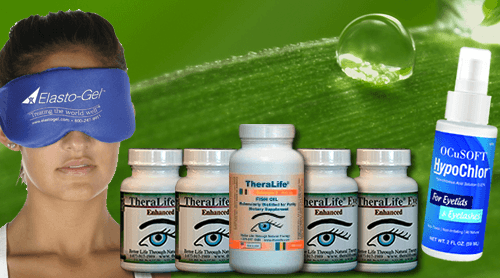


To alleviate dry eyes, it’s crucial to incorporate specific nutrients into your diet, such as omega-3s found in fatty fish, chia seeds, and flaxseeds, as well as lutein, zeaxanthin, vitamin A, and antioxidants from leafy greens, eggs, citrus fruits, carrots, and mixed nuts. These dietary choices aid in maintaining tear film stability, reducing ocular surface inflammation, and boosting natural tear production.
However, for those seeking a comprehensive solution, TheraLife offers unique oral eye treatment products that provide targeted relief for dry eyes. As the only company specializing in oral eye care, TheraLife’s products are designed to address the root causes of dry eyes from within, offering a more holistic approach to eye health. Customers have found significant improvements in their symptoms by integrating TheraLife’s evidence-based products into their daily routine. For more insights and success stories, you can explore TheraLife’s extensive resources and customer testimonials.
Best Oral Dry Eyes Treatment That Works .
Add To Cart
Key Takeaways
- Fatty fish like salmon and sardines provide omega-3s, supporting tear film stability and reducing ocular surface inflammation.
- Chia seeds, flaxseeds, and walnuts offer plant-based omega-3s, helping maintain lipid layer integrity and soothe dry eye symptoms.
- Leafy greens such as spinach and kale supply lutein and zeaxanthin, optimizing tear production and protecting ocular tissues.
- Eggs deliver vitamin A, lutein, and zeaxanthin, which support mucin production and corneal health for improved eye moisture.
- Citrus fruits and berries are rich in vitamin C and antioxidants, lowering inflammation and supporting healthy lacrimal gland function.
Fatty Fish Rich in Omega-3s
Although many sources suggest that fatty fish high in omega-3 fatty acids can alleviate dry eye symptoms, current evidence doesn’t support a significant therapeutic effect.
You’ll often hear about omega 3 benefits for ocular surface health, but recent clinical trials haven’t demonstrated a substantial reduction in dry eye signs or symptoms with omega-3 supplementation.
Fish varieties such as salmon, mackerel, sardines, and herring are rich in eicosapentaenoic acid (EPA) and docosahexaenoic acid (DHA), the primary omega-3 fatty acids.
While these nutrients contribute to overall cardiovascular and neurological health, their specific impact on tear film stability and inflammation in dry eye disease remains inconclusive.
If you choose to consume fatty fish, do so for general wellness, not as a definitive therapy for dry eye.
It’s important to note that omega-3 fish oil is associated with various health benefits, including lowering the risk of heart disease and stroke.
Chia Seeds and Flaxseeds
Plant-based sources of omega-3 fatty acids, such as chia seeds and flaxseeds, frequently appear in dietary recommendations for dry eye management.
These seeds deliver alpha-linolenic acid (ALA), a precursor to eicosapentaenoic acid (EPA) and docosahexaenoic acid (DHA), which modulate inflammatory responses contributing to ocular surface homeostasis.
You’ll find that chia seed benefits include improving tear film stability and reducing ocular surface inflammation.
Flaxseed oil, derived from ground flaxseeds, provides a concentrated form of ALA, supporting lipid layer integrity in the tear film.
Clinical studies show that regular consumption of these seeds can decrease symptoms of ocular dryness and enhance overall tear quality.
Moreover, TheraLife Eye capsules provide a natural alternative to traditional eye drops by addressing the root cause of dry eyes, making them an effective solution alongside dietary changes.
Leafy Green Vegetables
You’ll find that leafy green vegetables provide high concentrations of lutein and zeaxanthin, carotenoids essential for ocular surface health.
Clinical studies indicate these nutrients support lacrimal gland function and enhance tear film stability.
Incorporating spinach, kale, or collard greens into your meals can help optimize tear production and reduce dry eye symptoms.
For those experiencing chronic dry eyes, TheraLife Eye offers an oral capsule solution that targets the root cause by restoring natural tear production and supporting the normal function of meibomian oil glands.
Rich in Eye Nutrients
Leafy green vegetables like spinach, kale, and collard greens contain high concentrations of lutein and zeaxanthin, carotenoids shown in clinical studies to reduce oxidative stress in ocular tissues. When you include these vegetables in your diet, you support retinal health by increasing the bioavailability of these antioxidants in the macula, a critical region for vision. Clinical evidence indicates that higher systemic levels of lutein and zeaxanthin correlate with decreased risk of age-related macular degeneration and improved eye health outcomes. These nutrients are fat-soluble, so pairing them with healthy dietary fats enhances nutrient absorption. Additionally, maintaining a diet rich in anti-inflammatory foods can further contribute to reducing inflammation and promoting overall eye health.
Boosting Tear Production
While lutein and zeaxanthin in spinach, kale, and collard greens promote retinal health, current research doesn’t support a direct link between consumption of these leafy green vegetables and increased tear production.
You might assume adding more greens to your diet would stimulate your tear glands, but evidence doesn’t substantiate this association. Instead, the primary benefit of these vegetables lies in their antioxidant properties, which protect ocular tissues from oxidative stress.
To directly address dry eyes, focus on hydration importance—adequate water intake supports tear secretion and overall eye surface health.
Leafy greens contribute to systemic health and ocular nutrition, but you shouldn’t rely on them solely to boost tear production. Tear film composition is crucial for maintaining eye health, so prioritize a balanced diet and proper hydration to support your tear glands’ natural function.
Eggs and Their Nutrients
Eggs provide a concentrated source of nutrients relevant to ocular surface health, including lutein, zeaxanthin, vitamin A, and high-quality protein.
These nutrients play pivotal roles in maintaining tear film stability and protecting the corneal epithelium. Lutein and zeaxanthin, found in egg yolks, are potent antioxidants that accumulate in the macular region, reducing oxidative stress and supporting overall eye function.
Vitamin A is essential for mucin production and epithelial integrity, both of which are critical in mitigating dry eye symptoms.
You’ll benefit from enhanced nutrient absorption when consuming eggs, as their fat content increases the bioavailability of fat-soluble vitamins and carotenoids.
Incorporating eggs into your diet offers multifaceted egg benefits, directly supporting ocular surface physiology and providing a readily absorbable matrix for critical nutrients necessary for eye health. Regular consumption of eggs can contribute to a healthy tear film, which is crucial for preventing dry eye conditions.
Citrus Fruits and Berries
Beyond the benefits provided by nutrient-dense foods like eggs, incorporating citrus fruits and berries introduces a rich source of vitamin C, polyphenols, and bioflavonoids, all of which support the ocular surface. You’ll leverage citrus benefits to enhance collagen synthesis, improve tear film stability, and fortify epithelial cell integrity. Berry antioxidants, particularly anthocyanins, counteract oxidative stress that contributes to dry eye pathology. Regular intake of these fruits correlates with reduced inflammation and enhanced lacrimal gland function. For those suffering from autoimmune-related dry eye, such as in Sjogren’s syndrome or rheumatoid arthritis, TheraLife Autoimmune can be an effective supplement to dietary changes. The following table highlights key nutrients and their ocular roles:
| Nutrient | Ocular Benefit |
|---|---|
| Vitamin C | Collagen synthesis, epithelial repair |
| Polyphenols | Anti-inflammatory, tear stability |
| Bioflavonoids | Capillary protection, antioxidant defense |
| Anthocyanins | Reduced oxidative damage, improved microcirculation |
| Fiber | Supports systemic anti-inflammatory responses |
You should prioritize these fruits for targeted ocular health support.
Carrots and Orange Vegetables
A single serving of carrots or other orange vegetables supplies a substantial dose of beta-carotene, the provitamin A carotenoid essential for maintaining corneal and conjunctival epithelial integrity. When you consume these foods, your body converts beta-carotene—one of the primary orange pigments—into retinol, the active form of vitamin A. Retinol supports differentiation and function of ocular surface epithelial cells, facilitating ideal tear film production and reducing the risk of xerophthalmia. Carrot benefits also include antioxidant properties that mitigate oxidative stress, a contributing factor in tear film instability. Other orange vegetables, such as sweet potatoes and butternut squash, offer similar protective effects due to their rich beta-carotene content. Incorporating these orange-pigmented foods into your diet helps promote ocular health and may alleviate symptoms of dry eyes. For those seeking additional support, TheraLife Eye capsules are designed to revive and restore natural tear production, providing a comprehensive approach to managing dry eyes.
Nuts and Seeds
While you might focus on colorful produce for eye health, nuts and seeds provide essential nutrients that directly support tear film stability and ocular surface integrity.
Nut benefits stem from their high omega-3 fatty acid content, particularly in walnuts and almonds, which reduce ocular surface inflammation and enhance tear production. These fatty acids are critical for maintaining the lipid layer of the tear film, reducing evaporation and preventing dry eye symptoms.
Seed varieties such as flaxseeds, chia seeds, and sunflower seeds are rich in alpha-linolenic acid and vitamin E, both of which exhibit antioxidative and anti-inflammatory effects.
Incorporating diverse nuts and seeds into your diet delivers a range of micronutrients—zinc, magnesium, and selenium—that further support ocular tissue repair and overall eye function, making them a key dietary strategy for dry eye management. Additionally, Omega-3 fatty acids found in these nuts and seeds are essential for maintaining eye health and reducing inflammation, similar to the benefits provided by TheraLife Omega-3 supplements.
Best Oral Dry Eyes Treatment That Works .
Add To Cart
Frequently Asked Questions
Can Drinking More Water Help Relieve Dry Eyes?
Increasing your water intake offers hydration benefits that can help relieve dry eyes. When you’re dehydrated, your body produces fewer tears, which exacerbates ocular surface dryness.
Are There Lifestyle Habits That Worsen Dry Eye Symptoms?
Ever wonder why your eyes feel persistently dry despite your efforts? You might be overlooking lifestyle habits that exacerbate symptoms.
Poor dietary choices low in omega-3 fatty acids and antioxidants can impair tear production. Environmental factors such as prolonged screen exposure, low humidity, and exposure to air conditioning also destabilize the tear film.
Evidence shows that minimizing these risks while optimizing nutrition and environmental settings can greatly reduce the severity of dry eye manifestations.
How Does Screen Time Affect Dry Eyes?
When you increase screen time, you tend to blink less frequently, which disrupts the tear film and accelerates tear evaporation.
This behavioral pattern leads to ocular surface dehydration and exacerbates eye strain.
Clinical evidence indicates that prolonged exposure to digital devices intensifies dry eye symptoms by reducing blink rate and promoting incomplete blinks.
To mitigate these effects, you should follow the 20-20-20 rule and take regular breaks to maintain ideal ocular surface health.
Is It Safe to Use Over-The-Counter Eye Drops Daily?
You can generally use over-the-counter eye drops for daily usage, but you should monitor for potential side effects such as irritation, rebound redness, or allergic reactions.
Preservative-containing drops may cause ocular surface toxicity with frequent application. Evidence suggests that preservative-free artificial tears are safer for regular use.
If you require eye drops daily for prolonged periods, consult an ophthalmologist to rule out underlying pathology and guarantee you’re using the most appropriate formulation.
Can Dry Eyes Be a Sign of a More Serious Health Condition?
When it comes to dry eyes, don’t ignore the tip of the iceberg—sometimes, it’s more than just discomfort.
You might experience dryness as a symptom of underlying autoimmune disorders, such as Sjögren’s syndrome, or thyroid dysfunction like Graves’ disease. These systemic conditions can impact tear production.
If you notice persistent or worsening symptoms, seek clinical evaluation to rule out serious health issues and guarantee evidence-based management of your ocular surface disease.
Best Oral Dry Eyes Treatment That Works .
Add To Cart
Conclusion
Theralife offers a unique approach to eye care with its exclusive oral treatment for dry eyes, setting it apart as the only company providing this innovative solution. Their products are designed to enhance ocular hydration from within, combining essential nutrients such as omega-3s, antioxidants, lutein, and vitamin C. This internal approach ensures tear film stability and ocular surface integrity, effectively soothing dry eyes.
Theralife’s comprehensive product line addresses various eye conditions with proven efficacy. From blepharitis to uveitis, their natural remedies are tailored for specific needs, offering relief and comfort. The integration of an anti-inflammatory diet further complements their treatment, promoting overall eye health.
By choosing Theralife, customers gain access to a holistic eye care regimen that not only alleviates dryness but also supports long-term ocular well-being. Each product is backed by evidence and crafted to help you see the world more clearly and comfortably.
References
- 1.
- Shekhawat NS, Shtein RM, Blachley TS, Stein JD. Antibiotic Prescription Fills for Acute Conjunctivitis among Enrollees in a Large United States Managed Care Network. Ophthalmology. 2017 Aug;124(8):1099-1107. [PMC free article] [PubMed]
- 2.
- Smith AF, Waycaster C. Estimate of the direct and indirect annual cost of bacterial conjunctivitis in the United States. BMC Ophthalmol. 2009 Nov 25;9:13. [PMC free article] [PubMed]
- 3.
- 4.
- de Laet C, Dionisi-Vici C, Leonard JV, McKiernan P, Mitchell G, Monti L, de Baulny HO, Pintos-Morell G, Spiekerkötter U. Recommendations for the management of tyrosinaemia type 1. Orphanet J Rare Dis. 2013 Jan 11;8:8. [PMC free article] [PubMed]
- 5.
- Sati A, Sangwan VS, Basu S. Porphyria: varied ocular manifestations and management. BMJ Case Rep. 2013 May 22;2013 [PMC free article] [PubMed]
- 6.
- Azari AA, Barney NP. Conjunctivitis: a systematic review of diagnosis and treatment. JAMA. 2013 Oct 23;310(16):1721-9. [PMC free article] [PubMed]
- 7.
- 8.
- Shields T, Sloane PD. A comparison of eye problems in primary care and ophthalmology practices. Fam Med. 1991 Sep-Oct;23(7):544-6. [PubMed]
- 9.
- 10.
- Turaka K, Penne RB, Rapuano CJ, Ayres BD, Abazari A, Eagle RC, Hammersmith KM. Giant fornix syndrome: a case series. Ophthalmic Plast Reconstr Surg. 2012 Jan-Feb;28(1):4-6. [PubMed]
- 11.
- Satpathy G, Behera HS, Ahmed NH. Chlamydial eye infections: Current perspectives. Indian J Ophthalmol. 2017 Feb;65(2):97-102. [PMC free article] [PubMed]
- 12.
- Bhosai SJ, Bailey RL, Gaynor BD, Lietman TM. Trachoma: an update on prevention, diagnosis, and treatment. Curr Opin Ophthalmol. 2012 Jul;23(4):288-95. [PMC free article] [PubMed]
- 13.
- 14.
- Makker K, Nassar GN, Kaufman EJ. StatPearls [Internet]. StatPearls Publishing; Treasure Island (FL): Jul 17, 2023. Neonatal Conjunctivitis. [PubMed]
- 15.
- Hoffman J. Adenovirus: ocular manifestations. Community Eye Health. 2020;33(108):73-75. [PMC free article] [PubMed]
- 16.
- Giladi N, Herman J. Pharyngoconjunctival fever. Arch Dis Child. 1984 Dec;59(12):1182-3. [PMC free article] [PubMed]
- 17.
- Meyer-Rüsenberg B, Loderstädt U, Richard G, Kaulfers PM, Gesser C. Epidemic keratoconjunctivitis: the current situation and recommendations for prevention and treatment. Dtsch Arztebl Int. 2011 Jul;108(27):475-80. [PMC free article] [PubMed]
- 18.
- Wright PW, Strauss GH, Langford MP. Acute hemorrhagic conjunctivitis. Am Fam Physician. 1992 Jan;45(1):173-8. [PubMed]
- 19.
- Saleh D, Yarrarapu SNS, Sharma S. StatPearls [Internet]. StatPearls Publishing; Treasure Island (FL): Aug 28, 2023. Herpes Simplex Type 1. [PubMed]
- 20.
- Yoser SL, Forster DJ, Rao NA. Systemic viral infections and their retinal and choroidal manifestations. Surv Ophthalmol. 1993 Mar-Apr;37(5):313-52. [PubMed]