To effectively treat crusty eyes, consider TheraLife’s innovative approach, which focuses on strict eye hygiene and oral treatment care. TheraLife stands out as the only company offering oral eye treatment solutions, providing a comprehensive approach to eye care. Start with basic eye hygiene—wash hands, cleanse eyelids, and remove makeup daily. Warm compresses for 5–10 minutes help loosen crust and soothe irritation. For additional relief, TheraLife’s products, including oral supplements, target the root causes of eye conditions, from allergies to infections, offering proven results. In severe or persistent cases, consulting a healthcare professional for potential prescription options, like antibiotics or antihistamines, may be necessary. For those curious about how TheraLife’s treatments compare and when professional care is essential, their website offers detailed insights and comparisons.
Get Rid Of Crusty Eyes – Treat Your Root Causes With TheraLife
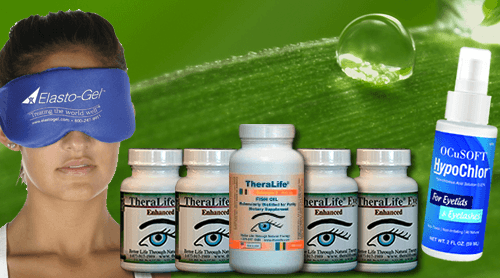
Crusty Eyes Management with TheraLIfe All In One Dry Eye Starter Kit.
Add To Cart
Key Takeaways
- Consistent eyelid hygiene with gentle cleansers and regular handwashing significantly reduces crusty eye symptoms for most people.
- Warm compresses for 5–10 minutes daily loosen debris and improve gland function, aiding in effective symptom relief.
- Over-the-counter lubricating eye drops and hypoallergenic eyelid wipes provide quick, accessible relief for mild crusting and irritation.
- Prescription treatments like antibiotic or steroid drops are necessary for bacterial infections, severe inflammation, or persistent cases.
- Identifying and minimizing exposure to allergens, along with using a humidifier, prevents recurrence and supports long-term eye health.
How to Get Rid of Crusty Eyes Fast
Wondering how quickly you can clear up crusty eyes? Start by focusing on meticulous eye hygiene.
Wash your hands thoroughly before touching your face. Use a sterile saline solution or clean, warm water with a soft cloth to gently remove crusts from your eyelids. Avoid rubbing, as this can worsen irritation.
Evidence supports the effectiveness of natural treatments like warm compresses, which help loosen debris and promote gland function. Apply the compress for 5–10 minutes, then wipe away any remaining residue. Make certain you use a clean cloth each time to prevent reinfection.
Avoid using harsh chemicals or makeup near your eyes during recovery. Rheum affects the tear film, which is crucial for overall eye health and function, so maintaining a healthy tear film is essential. Consistent daily hygiene and natural treatments usually lead to noticeable improvement within 24–48 hours, promoting rapid relief.
Most Common Causes of Crusty Eyes
You’ll often find that crusty eyes result from common conditions such as allergies, blepharitis, or dry eye syndrome. Allergens and irritants can trigger inflammation, while blepharitis and bacterial infection cause eyelid margin debris. Dry eye syndrome leads to insufficient tear production, promoting crust formation overnight. Evaporative Dry Eye may also contribute to crusty eyes as rapid tear evaporation due to low oil content can exacerbate symptoms.
Allergies and Eye Irritation
Although several factors can cause crusty eyes, allergies and eye irritation remain the most common triggers.
When you’re exposed to allergens such as pollen, pet dander, or dust mites, your immune system responds by releasing histamines. This process leads to classic allergy symptoms, including redness, itching, and increased tear production. The excess tears can dry and create a crusty residue along your eyelids and lashes, especially upon waking.
Eye irritation, whether from environmental factors like smoke or chemical exposure, can also disrupt the tear film and prompt similar symptoms.
Clinical studies confirm that both allergic reactions and irritants destabilize the ocular surface, leading to discomfort and visible crusting. Recognizing these triggers is essential for effective management and prevention of recurrence.
A gentle cleaning routine with a warm, damp washcloth is advised to effectively manage morning discharge and prevent irritation and infection.
Blepharitis and Bacterial Infection
Beyond allergies and irritation, blepharitis and bacterial infections frequently underlie persistent crusty eyes.
If you notice redness, swelling, and flaky debris at the eyelid margins, you’re likely experiencing classic blepharitis symptoms. This condition results from inflammation of the eyelid margins, often due to abnormal oil gland function or overgrowth of skin bacteria.
In contrast, bacterial infection causes may stem from pathogens like Staphylococcus aureus, which invade the eyelid or conjunctiva, leading to pus, yellowish crust, and discomfort.
Both conditions disrupt normal tear film and foster debris accumulation overnight.
Accurate recognition of blepharitis symptoms or bacterial infection causes is critical, as each demands targeted therapy.
Left untreated, these issues may escalate, increasing your risk for chronic discomfort, vision changes, or secondary complications.
Proper eyelid hygiene is crucial in managing blepharitis symptoms and minimizing their recurrence.
Dry Eye Syndrome
When tear production or quality diminishes, dry eye syndrome often emerges as a leading cause of crusty eyes. You may notice crusting at the eyelid margins, especially upon waking, due to inadequate eye lubrication and tear film instability.
This condition typically results from decreased tear secretion or increased evaporation, often linked to aging, environmental factors, or underlying systemic diseases. Without sufficient moisture, your eyes can’t flush away debris, causing discharge to accumulate overnight.
Effective dry eye treatments focus on restoring moisture and improving tear quality. Artificial tears and lubricating ointments offer symptomatic relief and prevent further crust formation.
In moderate to severe cases, prescription medications or punctal plugs may be indicated to enhance eye lubrication. Early intervention reduces complications and maintains ocular surface health. Additionally, frequent breaks from screens can encourage blinking and help mitigate symptoms by preventing tear evaporation.
Best Home Remedies for Crusty Eyes
Since crusty eyes often result from minor irritations or temporary conditions, several home remedies can help alleviate discomfort and promote healing.
Relying on natural ingredients and soothing techniques can minimize symptoms without the need for prescription medications. Evidence suggests that addressing eyelid hygiene and using gentle treatments reduces crust formation and promotes ocular surface health.
You can try these clinically supported remedies:
- Warm Compresses: Apply a clean, warm washcloth to closed eyelids for 5–10 minutes to loosen crusts and soothe inflammation.
- Diluted Baby Shampoo Cleansing: Gently cleanse your eyelid margins with diluted baby shampoo on a cotton swab to remove debris while maintaining ocular integrity.
- Artificial Tears: Use preservative-free artificial tears to maintain moisture balance and relieve irritation caused by dryness.
For persistent symptoms, consultation with an eye doctor is recommended to ensure any underlying issues are properly addressed. These approaches utilize accessible, safe interventions for symptom relief.
When Should You See a Doctor for Crusty Eyes?
Occasionally, crusty eyes indicate a more serious underlying condition that warrants prompt medical evaluation. Accurate symptom recognition is vital. If you notice persistent redness, pain, significant swelling, blurred vision, or discharge that’s yellow or green, you should prioritize a doctor consultation. These symptoms may suggest infections like bacterial conjunctivitis or systemic conditions such as blepharitis or dacryocystitis. Additionally, if you experience crusting accompanied by fever or sensitivity to light, immediate evaluation is recommended to rule out ocular emergencies. Chronic or recurrent symptoms that don’t improve with basic hygiene also require professional assessment to identify potential allergies or chronic inflammatory disorders. Early doctor consultation guarantees accurate diagnosis and targeted therapy, reducing the risk of complications and preserving your ocular health.
Over-the-Counter Solutions for Crusty Eyes
Although crusty eyes can stem from various causes, many mild cases respond well to over-the-counter (OTC) interventions.
You’ll find several evidence-based options that can provide relief and promote eye hygiene. When considering OTC solutions, focus on products with proven efficacy and safety profiles. Many incorporate natural ingredients or align with alternative therapies, making them suitable for sensitive eyes.
Here are three main OTC approaches:
- Lubricating eye drops: Artificial tears, often formulated with natural ingredients like hyaluronic acid, help flush debris and soothe irritation.
- Eyelid cleansers: Hypoallergenic wipes or foams, sometimes infused with tea tree oil, remove crust and bacteria without harsh chemicals.
- Warm compress masks: Reusable masks provide gentle heat, encouraging natural oil flow and crust removal, supporting alternative therapies.
For more persistent cases, consider trying TheraLife Eye capsules which are clinically proven to aid in dry eye relief and promote overall eye health.
Always follow product instructions to maximize benefits.
Prescription Treatments for Stubborn Crusty Eyes
When OTC remedies fail to resolve persistent or severe crusty eyes, prescription treatments become necessary. Your eye doctor may prescribe antibiotic or steroid eye drops, depending on the underlying cause. These prescription solutions are formulated to target infections or reduce inflammation, achieving higher treatment effectiveness than non-prescription options. For recurrent blepharitis, topical or oral antibiotics may be indicated, while chronic allergic reactions often require antihistamine or corticosteroid drops. Accurate diagnosis determines the best approach. Meibomian gland dysfunction is a common cause of blepharitis, leading to blocked glands and dry eye symptoms. Here’s a comparison of common prescription treatments:
| Treatment Type | Indication |
|---|---|
| Antibiotic drops | Bacterial conjunctivitis |
| Steroid drops | Severe inflammation |
| Oral antibiotics | Refractory blepharitis |
| Antihistamine drops | Allergic conjunctivitis |
| Antiviral drops | Viral eye infections |
Consult your ophthalmologist to determine the best prescription solution.
Warm Compresses: A Simple Remedy for Eye Crust
You can use warm compresses to soften and loosen crust around your eyes by increasing local blood flow and promoting gland drainage. Select a clean, soft cloth and follow a structured application process to guarantee safety and effectiveness. Normal eye drainage can result in dry or hard crusts, which warm compresses can help manage. Next, you’ll learn how to choose appropriate materials and apply compresses step by step.
How Warm Compresses Work
Since warm compresses are often recommended for relieving eye crust, it’s important to understand how they actually work. When you apply a warm compress to your eyelids, the localized heat offers several warmth benefits. It loosens dried secretions and softens crusts, making them easier to remove.
The heat also encourages increased blood flow to the area, supporting your body’s natural healing processes. Proper compress techniques help open clogged meibomian glands, improving tear film stability and reducing irritation.
Here’s how warm compresses address crusty eyes:
- Increase temperature: The warmth softens hardened debris on the eyelid margins.
- Promote circulation: Enhanced blood flow reduces inflammation and supports tissue repair.
- Improve gland function: Consistent compress techniques unblock glands, aiding in lubrication.
Understanding these mechanisms optimizes your treatment approach.
Choosing the Right Material
Selecting the appropriate material for a warm compress directly impacts its effectiveness in treating eye crust. When choosing materials, prioritize those that retain heat consistently and feel comfortable against delicate eyelid skin.
Evidence supports cotton washcloths or commercially available gel eye masks, as both maintain warmth and minimize skin irritation. Understanding comfort is vital—abrasive or synthetic fabrics can aggravate sensitive tissue or trigger allergic reactions, so opt for hypoallergenic, soft-textured options.
Verify the material is clean and free from detergents or fragrances to prevent further irritation. Studies confirm that materials which conform well to the eye surface provide uniform heat distribution, optimizing therapeutic results.
Step-By-Step Application
Although warm compresses are a cornerstone in managing crusty eyes, their therapeutic effect depends on correct application.
As part of natural treatments and lifestyle changes, you’ll maximize benefits by following evidence-based steps. Here’s how to apply a warm compress effectively:
- Soak and Apply: Immerse a clean, lint-free cloth in warm (not hot) water, wring it out, and place it gently over your closed eyelids for 5–10 minutes.
- Maintain Warmth: Re-wet the cloth as needed to guarantee a consistent temperature, which helps loosen crust and promote secretion drainage.
- Cleanse and Repeat: After removing the compress, use a separate damp cloth to gently wipe away loosened debris. Repeat this process 1–2 times daily, integrating it into your regular eye-care routine.
Consistent application supports symptom relief and complements other natural treatments.
How Allergies and Dry Eye Cause Eye Crusting
When your eyes encounter allergens or become excessively dry, they can respond by producing inflammatory substances that disrupt the normal tear film.
This inflammatory response leads to irritation and increased mucus production, which results in the formation of crusty debris along your eyelid margins or lashes.
Allergy triggers—such as pollen, dust mites, or pet dander—provoke your immune system, causing more histamine release and worsening eye discharge.
In cases of dry eye, inadequate tear production or poor-quality tears fail to keep the ocular surface hydrated, making it easier for debris to accumulate and form crusts.
Recognizing whether your symptoms stem from allergy triggers or tear instability is essential because effective dry eye treatments or targeted allergy management can reduce inflammation and minimize crusting episodes.
Pros and Cons of Each Crusty Eye Treatment
You’ll need to weigh the effectiveness of home remedies against the potential risks of prescription medications and the accessibility of over-the-counter options.
Evidence shows that each approach offers distinct benefits and limitations depending on the underlying cause and severity of your symptoms.
Understanding these factors helps you make informed decisions for your crusty eye treatment plan.
Home Remedies Effectiveness
Several home remedies claim to relieve crusty eyes, such as warm compresses, gentle eyelid cleansing, and over-the-counter artificial tears. Evidence supports the use of these natural solutions for mild symptoms, as they help remove debris and soothe irritation.
However, they’re not always sufficient for more severe or persistent cases. You should consider the following when choosing a home remedy:
- Warm compresses: Increase circulation and loosen crusts, but repeated use is necessary for lasting relief.
- Eyelid cleansing: Removes bacteria and debris, yet improper technique may worsen irritation or introduce infection.
- Artificial tears: Alleviate dryness temporarily, but they don’t address underlying causes.
Home remedies provide safe, accessible first-line care, but their effectiveness depends on the severity and persistence of your symptoms.
Prescription Medications Risks
Although home remedies can manage mild symptoms, prescription medications become necessary when crusty eyes result from bacterial infections, allergies, or chronic inflammatory conditions.
If your healthcare provider prescribes antibiotics, steroid drops, or immunomodulators, you’ll likely notice faster symptom relief and a reduction in complications.
However, you must consider prescription side effects, which can include local irritation, allergic reactions, or even vision changes.
Steroid drops, in particular, may increase intraocular pressure or risk of cataracts with long term use. Antibiotics may foster resistance if not used as directed. Immunomodulators can suppress local immune response, predisposing you to secondary infections.
Always adhere strictly to dosing instructions and monitoring schedules your provider sets. Discuss any concerns about prescription side effects or long term use before starting treatment.
Over-the-Counter Options
When prescription treatments aren’t indicated, over-the-counter (OTC) options offer accessible relief for crusty eyes caused by mild irritation, dryness, or allergies.
You’ll find a range of solutions, each with distinct advantages and drawbacks based on current clinical evidence.
- Artificial Tears: These lubricate the ocular surface, providing prompt symptom relief. Pros include broad availability and minimal side effects. Cons involve frequent dosing and limited efficacy for underlying infection.
- Natural Remedies and Herbal Solutions: Products like preservative-free saline rinses or chamomile compresses appeal to those preferring non-pharmaceutical choices. They’re generally well-tolerated but lack robust clinical trials supporting effectiveness.
- Antihistamine Eye Drops: Effective for allergy-induced crustiness, these reduce itching and discharge. However, potential side effects include transient stinging or dryness.
Choose OTC treatments after consulting your eye care professional.
Tips to Prevent Crusty Eyes Every Day
Consistent hygiene practices greatly reduce the risk of developing crusty eyes each day. Start by washing your hands before touching your face or eyes, as this prevents bacteria transfer.
Incorporate natural eye care by gently cleansing your eyelids with a sterile, non-irritating solution. Remove eye makeup thoroughly every night to minimize debris accumulation.
Consider lifestyle changes such as using a humidifier to maintain ideal indoor air moisture, which prevents eye dryness and crust formation. Limit exposure to allergens and avoid rubbing your eyes to decrease irritation and bacterial introduction.
Replace pillowcases and towels regularly to reduce microbial contamination. If you wear contact lenses, follow strict cleaning protocols.
Get Rid Of Crusty Eyes – Treat Your Root Causes With TheraLife
Crusty Eyes Management with TheraLIfe All In One Dry Eye Starter Kit.
Add To Cart
Frequently Asked Questions
Can Contact Lenses Worsen Crusty Eyes?
Yes, contact lenses can worsen crusty eyes, especially if you neglect proper contact lens hygiene.
Wearing lenses for extended periods or not cleaning them correctly increases eye infection risks, such as bacterial conjunctivitis or blepharitis, which often cause crusting.
You should always follow recommended cleaning protocols and replace lenses as advised.
If you experience persistent crusting, discontinue lens use and consult an eye care professional for evidence-based management and prevention strategies.
Is Crusty Eye Contagious Between Family Members?
Yes, crusty eyes can be contagious if they’re caused by an infectious agent like bacterial or viral conjunctivitis.
You should practice strict eye hygiene, such as not sharing towels and washing your hands frequently, to reduce transmission risk.
Family health can be compromised if one member’s infection spreads, so isolate personal items and clean surfaces regularly.
Evidence shows that prompt treatment and proper hygiene greatly lower the risk of spreading eye infections among family members.
Are Certain Foods Linked to Eye Crusting?
You won’t find strong evidence directly linking specific foods to eye crusting, but your diet does impact overall eye health.
Poor nutrition balance, especially deficiencies in vitamins A, C, and omega-3 fatty acids, can impair tear production and increase irritation, indirectly contributing to symptoms like crusting.
Maintain a balanced diet rich in antioxidants and essential nutrients to optimize tear film stability and minimize inflammation, thereby potentially reducing the occurrence of eye crusting.
Do Pets Contribute to Crusty Eye Symptoms?
Nearly 20% of people with pets experience allergic reactions, including eye symptoms. If you’re exposed to pet allergens, you may notice increased eye discharge and crustiness due to your immune system’s response.
Maintaining strict eye hygiene—such as frequent handwashing, avoiding touching your face, and laundering bedding—can greatly reduce these symptoms.
Research shows that minimizing direct contact with pets and using HEPA filters further decreases allergen-induced eye irritation and prevents recurrent crusty eyes.
Can Makeup Residue Cause Crusty Eyes?
Yes, makeup residue can cause crusty eyes, especially if you don’t thoroughly remove products containing irritating makeup ingredients.
Poor eye hygiene allows particles and oils to accumulate along your eyelid margins, leading to blocked glands and inflammation.
Evidence shows that certain preservatives and pigments exacerbate irritation, increasing the risk of crust formation.
To prevent this, you should use gentle cleansers, remove all traces of makeup nightly, and choose hypoallergenic products to support ocular health.
Get Rid Of Crusty Eyes – Treat Your Root Causes With TheraLife
Crusty Eyes Management with TheraLIfe All In One Dry Eye Starter Kit.
Add To Cart
Conclusion
Discover a revolutionary approach to treating crusty eyes with TheraLife’s unique products. As the only company offering oral eye treatment, TheraLife provides an innovative solution that addresses the root causes of eye discomfort, such as blepharitis, dryness, and inflammation. By focusing on internal healing, their products deliver long-lasting relief and reduce the recurrence of symptoms.
TheraLife’s comprehensive range includes treatments that target specific conditions like blepharitis, uveitis, and dry eyes, using natural and effective ingredients. Their products are designed to work synergistically with your body’s natural processes, promoting optimal eye health.
With TheraLife’s oral treatment, you can achieve clearer, more comfortable eyes without the need for excessive external remedies. Take control of your eye health today and experience the benefits of this groundbreaking approach, ensuring crusty eyes become a rare inconvenience rather than a daily struggle.
References
- 1.
- The definition and classification of dry eye disease: report of the Definition and Classification Subcommittee of the International Dry Eye WorkShop (2007). Ocul Surf. 2007 Apr;5(2):75-92. [PubMed]
- 2.
- Huang R, Su C, Fang L, Lu J, Chen J, Ding Y. Dry eye syndrome: comprehensive etiologies and recent clinical trials. Int Ophthalmol. 2022 Oct;42(10):3253-3272. [PMC free article] [PubMed]
- 3.
- Craig JP, Nichols KK, Akpek EK, Caffery B, Dua HS, Joo CK, Liu Z, Nelson JD, Nichols JJ, Tsubota K, Stapleton F. TFOS DEWS II Definition and Classification Report. Ocul Surf. 2017 Jul;15(3):276-283. [PubMed]
- 4.
- King-Smith PE, Fink BA, Hill RM, Koelling KW, Tiffany JM. The thickness of the tear film. Curr Eye Res. 2004 Oct-Nov;29(4-5):357-68. [PubMed]
- 5.
- King-Smith PE, Fink BA, Fogt N, Nichols KK, Hill RM, Wilson GS. The thickness of the human precorneal tear film: evidence from reflection spectra. Invest Ophthalmol Vis Sci. 2000 Oct;41(11):3348-59. [PubMed]
- 6.
- Chen Q, Wang J, Tao A, Shen M, Jiao S, Lu F. Ultrahigh-resolution measurement by optical coherence tomography of dynamic tear film changes on contact lenses. Invest Ophthalmol Vis Sci. 2010 Apr;51(4):1988-93. [PMC free article] [PubMed]
- 7.
- Willcox MDP, Argüeso P, Georgiev GA, Holopainen JM, Laurie GW, Millar TJ, Papas EB, Rolland JP, Schmidt TA, Stahl U, Suarez T, Subbaraman LN, Uçakhan OÖ, Jones L. TFOS DEWS II Tear Film Report. Ocul Surf. 2017 Jul;15(3):366-403. [PMC free article] [PubMed]
- 8.
- Peng CC, Cerretani C, Braun RJ, Radke CJ. Evaporation-driven instability of the precorneal tear film. Adv Colloid Interface Sci. 2014 Apr;206:250-64. [PubMed]
- 9.
- Zhou L, Beuerman RW. Tear analysis in ocular surface diseases. Prog Retin Eye Res. 2012 Nov;31(6):527-50. [PubMed]
- 10.
- Mantelli F, Mauris J, Argüeso P. The ocular surface epithelial barrier and other mechanisms of mucosal protection: from allergy to infectious diseases. Curr Opin Allergy Clin Immunol. 2013 Oct;13(5):563-8. [PMC free article] [PubMed]
- 11.
- O’Neil EC, Henderson M, Massaro-Giordano M, Bunya VY. Advances in dry eye disease treatment. Curr Opin Ophthalmol. 2019 May;30(3):166-178. [PMC free article] [PubMed]
- 12.
- Fjaervoll K, Fjaervoll H, Magno M, Nøland ST, Dartt DA, Vehof J, Utheim TP. Review on the possible pathophysiological mechanisms underlying visual display terminal-associated dry eye disease. Acta Ophthalmol. 2022 Dec;100(8):861-877. [PMC free article] [PubMed]