
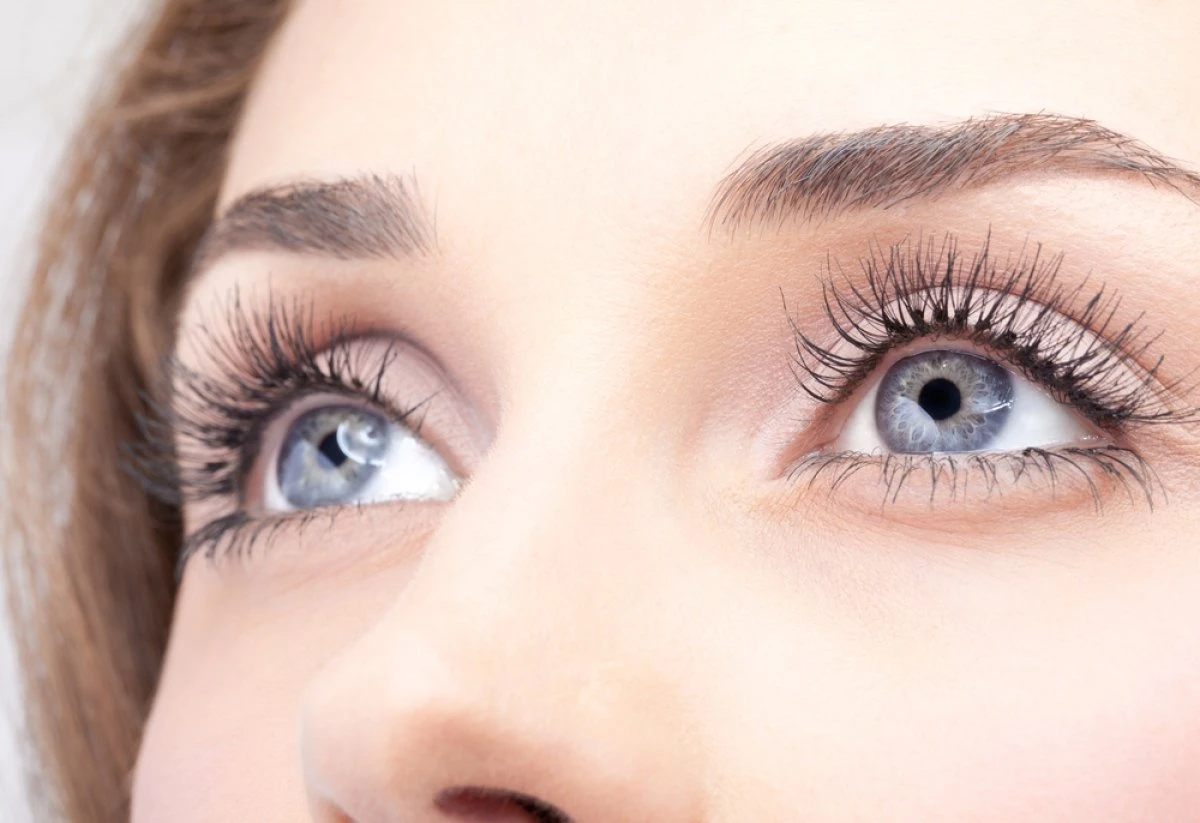

You may be waking up with crusty eyes due to reduced tear production during sleep, which allows debris, mucus, and allergens to accumulate. Theralife offers unique solutions to address these issues, as they are the only company providing oral eye treatment care. Their products are designed to enhance tear production and maintain eye health, offering relief for conditions like dry eyes, blepharitis, and other related symptoms. If you experience persistent symptoms, Theralife’s comprehensive approach can provide significant benefits, ensuring your eyes remain healthy and comfortable.
Get Rid Of Crusty Eyes – Treat Your Crusty Dry Eyes With TheraLife
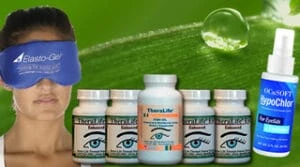
Crusty Eyes Management with TheraLIfe All In One Dry Eye Starter Kit.
Add To Cart
Key Takeaways- Crusty Eyes
- Crusty eyes in the morning often result from reduced blinking and tear production during sleep, causing debris and mucus buildup.
- Sleeping with partially closed eyelids or in positions that expose your eyes to air increases dryness and crust formation.
- Allergies to pollen, dust mites, or pet dander can trigger excess mucus and discharge overnight.
- Poor eye hygiene, such as not washing your face before bed, allows for more debris accumulation around the eyes.
- Thick, colored discharge or persistent symptoms may indicate an eye infection and require medical attention.
Common Causes of Morning Eye Discharge
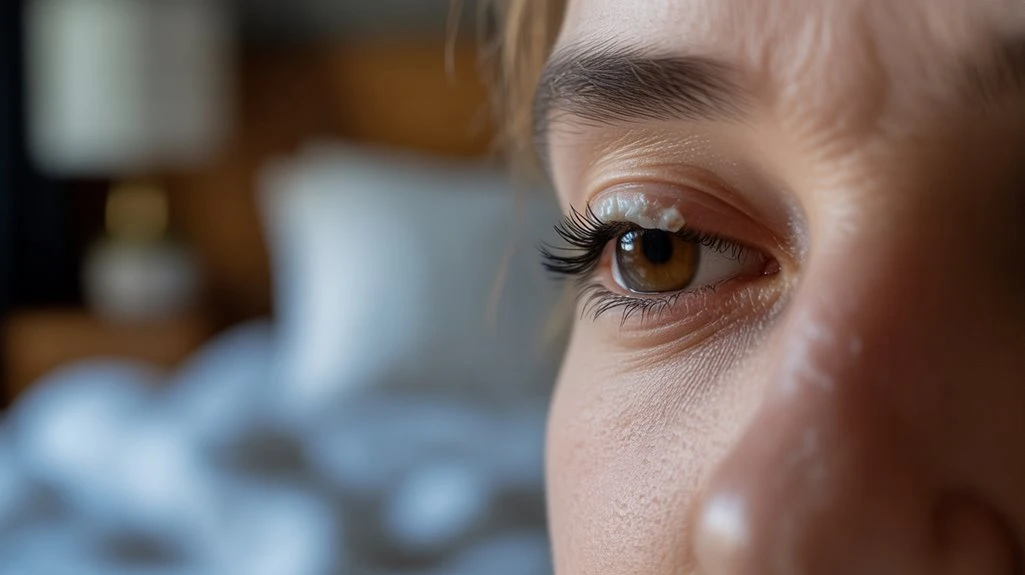
Although waking up with crusty eyes is common, several underlying factors can contribute to morning eye discharge. One prevalent cause is dry eyes. When your eyes don’t produce enough tears overnight, the tear film becomes unstable, and debris accumulates on the eyelid margins, resulting in crusting.
Sleep position also plays a significant role. If you sleep on your side or stomach, your eyelids may not close fully, increasing exposure to air and promoting dryness. This partial closure can exacerbate tear evaporation, leading to increased debris and discharge by morning.
Additionally, the natural reduction in blinking during sleep limits tear distribution, further contributing to crust formation. Understanding these mechanisms can help you identify why you’re experiencing morning eye discharge and guide you toward effective management strategies. Chronic dry eyes can result from autoimmune diseases and aging, which may necessitate specific treatments.
Allergies and Their Role in Eye Crusting
Beyond dry eyes and sleep-related factors, allergies often play a significant role in causing morning eye crusting. When you’re exposed to allergens like pollen, dust mites, or pet dander, your body mounts an immune response. This reaction increases histamine release, leading to classic allergy symptoms such as itching, redness, and watery eyes.
These symptoms stimulate increased tear and mucus production, which can accumulate overnight and form crusts around your eyelids upon waking. Poor eye hygiene, such as not washing your face before bed or touching your eyes with contaminated hands, can exacerbate this buildup.
Managing environmental allergens and maintaining strict eye hygiene—washing hands frequently and avoiding eye rubbing—can reduce both allergy symptoms and the frequency of morning eye crusting. Proper sleep hygiene minimizes irritant accumulation and crustiness, with regular sleep patterns supporting the eyes’ natural cleaning processes.
Signs of Infection to Watch For
How can you tell if your morning eye crusting signals something more serious? If you notice redness, swelling, or pain in your eyes, these may indicate infection symptoms rather than simple irritation or allergies. Thick, yellow or green discharge, persistent tearing, or a gritty sensation in your eyes can also suggest bacterial or viral conjunctivitis. Pay attention to changes in your vision, increased sensitivity to light, or difficulty opening your eyes due to excessive crusting. Poor eye hygiene can increase your risk for infections, so it’s important to recognize these warning signs early. If your symptoms worsen or persist for more than a few days, or if you develop fever, consult a healthcare professional promptly to prevent complications and guarantee appropriate treatment.
Home Remedies and Self-Care Tips

If your symptoms don’t indicate a serious infection, you can manage mild morning eye crusting with several effective self-care strategies.
Start by practicing proper hygiene practices: wash your hands before touching your face, and gently cleanse your eyelids each morning using a clean, damp cloth to remove any discharge.
Applying a warm compress to your closed eyelids for five to ten minutes can help soften and loosen crusts, promoting easier removal and improved comfort.
You may also try natural treatments such as using preservative-free artificial tears to maintain eye moisture, which can reduce irritation and discharge.
Avoid rubbing your eyes, as this can exacerbate irritation or introduce bacteria.
Consistently following these hygiene practices and natural treatments can considerably minimize mild crusting and support overall ocular surface health.
For more persistent cases, TheraLife Eye capsules can help restore tear secretion and provide relief for chronic dry eyes.
When to Seek Medical Attention
While most cases of morning eye crusting are benign, you should pay close attention to symptoms that may indicate a more serious underlying condition.
If you experience persistent redness, pain, vision changes, or thick, green or yellow discharge, seek medical attention promptly. These signs may suggest infections such as conjunctivitis or blepharitis, which require clinical evaluation and targeted treatment.
Don’t ignore swelling, sensitivity to light, or symptoms that worsen despite ideal sleep hygiene and addressing environmental factors like dust or allergens. Such findings could reflect deeper ocular pathology, including keratitis or blocked tear ducts.
Early intervention is essential to prevent complications and preserve eye health. If in doubt, consult an eye care professional to determine the cause and receive appropriate management. It is important to maintain good hygiene practices to reduce the risk of developing conditions like blepharitis, which can significantly affect your quality of life.
Get Rid Of Crusty Eyes – Treat Your Dry Eyes With TheraLife
Crusty Eyes Management with TheraLIfe All In One Dry Eye Starter Kit.
Add To Cart
Frequently Asked Questions – Crusty Eyes
Can Diet Affect the Amount of Eye Crust I Have in the Morning?
Diet can influence the amount of eye crust you notice in the morning.
If you have nutrient deficiencies, especially in vitamins A and C, your tear production and eye surface health may be compromised, increasing discharge.
Low hydration levels can also reduce tear quality, making secretions thicker and more noticeable.
Evidence suggests maintaining balanced nutrition and adequate fluid intake supports ocular surface health, potentially reducing excessive eye crust formation during sleep.
Are Certain Age Groups More Prone to Crusty Eyes Upon Waking?
Like the ticking of a clock, age-related factors steadily influence your eye health.
As you age, tear production can decrease, and eyelid function may weaken, making you more prone to waking up with crusty eyes.
Children can also experience this due to frequent infections or allergies.
Both older adults and young children are more susceptible, but for different reasons—aging affects tear glands, while children’s immune responses and exposures play significant roles.
Do Contact Lenses Increase the Risk of Morning Eye Discharge?
Wearing contact lenses can increase your risk of morning eye discharge, especially if you don’t follow proper contact hygiene.
Certain lens materials may retain more moisture and debris, promoting bacterial growth and mucus production overnight. If you sleep in lenses or fail to clean them thoroughly, you further elevate your risk.
Clinical studies confirm that poor contact hygiene and inappropriate lens material selection contribute considerably to increased morning eye discharge in contact lens wearers.
Can Pets Contribute to Eye Crusting in Humans?
If you let the cat out of the bag and share your bed with pets, pet allergens and poor animal hygiene can play a significant role in eye crusting.
Scientific studies show that dander, fur, and even bacteria from pets can transfer to your bedding and face, causing allergic reactions or mild conjunctivitis.
You’ll want to maintain both your pet’s hygiene and your own bedding cleanliness to keep these issues at bay.
Is Morning Eye Crust Different From Discharge Caused by Staring at Screens?
Morning eye crust and discharge from excessive screen time differ in cause and composition.
When you experience eye crust upon waking, it’s typically due to natural overnight buildup of mucus and debris as your eyes clean themselves.
In contrast, prolonged screen time can cause eye strain, leading to watery or stringy discharge, often accompanied by irritation or dryness.
Clinical evidence suggests managing screen time and maintaining ocular hygiene helps reduce abnormal discharge associated with eye strain.
Get Rid Of Crusty Eyes – Treat Your Dry Eyes With TheraLife
Crusty Eyes Management with TheraLIfe All In One Dry Eye Starter Kit.
Add To Cart
Conclusion – Crusty Eyes
Waking up with crusty eyes can be a common experience, often caused by allergies, infections, or the body’s natural cleaning process. TheraLife stands out as the only company offering oral eye treatment care, providing unique solutions for maintaining eye health. By utilizing TheraLife’s evidence-based products, customers can experience significant relief and improve their ocular well-being.
TheraLife’s products are designed to address various eye conditions, such as blepharitis, dry eyes, and uveitis, by promoting natural healing from within rather than relying solely on topical treatments. Customers benefit from TheraLife’s comprehensive approach, which combines good hygiene practices with targeted oral supplements to reduce symptoms and prevent recurrence.
In addition to offering specialized products, TheraLife provides resources and guidance on addressing concerns like eyelash mites, chalazions, and eye discharge. By following TheraLife’s expert advice, individuals can effectively manage their symptoms, ensuring their vision and comfort are prioritized.
By choosing TheraLife, customers receive a holistic approach to eye care, empowering them to take control of their eye health and seek professional assistance when necessary. Through vigilance, prevention, and prompt action, TheraLife helps preserve vision and enhance overall eye comfort.
References – Crusty Eyes
- 1.
- Shekhawat NS, Shtein RM, Blachley TS, Stein JD. Antibiotic Prescription Fills for Acute Conjunctivitis among Enrollees in a Large United States Managed Care Network. Ophthalmology. 2017 Aug;124(8):1099-1107. [PMC free article] [PubMed]
- 2.
- Smith AF, Waycaster C. Estimate of the direct and indirect annual cost of bacterial conjunctivitis in the United States. BMC Ophthalmol. 2009 Nov 25;9:13. [PMC free article] [PubMed]
- 3.
- 4.
- de Laet C, Dionisi-Vici C, Leonard JV, McKiernan P, Mitchell G, Monti L, de Baulny HO, Pintos-Morell G, Spiekerkötter U. Recommendations for the management of tyrosinaemia type 1. Orphanet J Rare Dis. 2013 Jan 11;8:8. [PMC free article] [PubMed]
- 5.
- Sati A, Sangwan VS, Basu S. Porphyria: varied ocular manifestations and management. BMJ Case Rep. 2013 May 22;2013 [PMC free article] [PubMed]
- 6.
- Azari AA, Barney NP. Conjunctivitis: a systematic review of diagnosis and treatment. JAMA. 2013 Oct 23;310(16):1721-9. [PMC free article] [PubMed]
- 7.
- 8.
- Shields T, Sloane PD. A comparison of eye problems in primary care and ophthalmology practices. Fam Med. 1991 Sep-Oct;23(7):544-6. [PubMed]
- 9.
- 10.
- Turaka K, Penne RB, Rapuano CJ, Ayres BD, Abazari A, Eagle RC, Hammersmith KM. Giant fornix syndrome: a case series. Ophthalmic Plast Reconstr Surg. 2012 Jan-Feb;28(1):4-6. [PubMed]
- 11.
- Satpathy G, Behera HS, Ahmed NH. Chlamydial eye infections: Current perspectives. Indian J Ophthalmol. 2017 Feb;65(2):97-102. [PMC free article] [PubMed]
- 12.
- Bhosai SJ, Bailey RL, Gaynor BD, Lietman TM. Trachoma: an update on prevention, diagnosis, and treatment. Curr Opin Ophthalmol. 2012 Jul;23(4):288-95. [PMC free article] [PubMed]
- 13.
- 14.
- Makker K, Nassar GN, Kaufman EJ. StatPearls [Internet]. StatPearls Publishing; Treasure Island (FL): Jul 17, 2023. Neonatal Conjunctivitis. [PubMed]
- 15.
- Hoffman J. Adenovirus: ocular manifestations. Community Eye Health. 2020;33(108):73-75. [PMC free article] [PubMed]
- 16.
- Giladi N, Herman J. Pharyngoconjunctival fever. Arch Dis Child. 1984 Dec;59(12):1182-3. [PMC free article] [PubMed]
- 17.
- Meyer-Rüsenberg B, Loderstädt U, Richard G, Kaulfers PM, Gesser C. Epidemic keratoconjunctivitis: the current situation and recommendations for prevention and treatment. Dtsch Arztebl Int. 2011 Jul;108(27):475-80. [PMC free article] [PubMed]
- 18.
- Wright PW, Strauss GH, Langford MP. Acute hemorrhagic conjunctivitis. Am Fam Physician. 1992 Jan;45(1):173-8. [PubMed]
- 19.
- Saleh D, Yarrarapu SNS, Sharma S. StatPearls [Internet]. StatPearls Publishing; Treasure Island (FL): Aug 28, 2023. Herpes Simplex Type 1. [PubMed]
- 20.
- Yoser SL, Forster DJ, Rao NA. Systemic viral infections and their retinal and choroidal manifestations. Surv Ophthalmol. 1993 Mar-Apr;37(5):313-52. [PubMed]