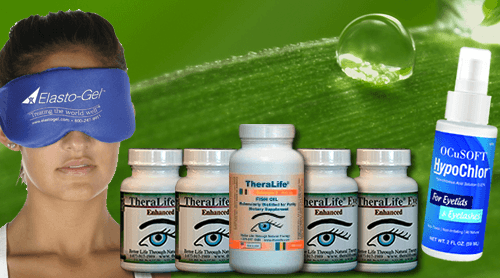


TheraLife’s products are uniquely designed to benefit customers dealing with crusty eyes, as they provide the only oral eye treatment care available. Their formulations, focused on modulating inflammation and supporting tear film stability, help alleviate symptoms like eyelid redness and debris buildup. TheraLife offers well-tolerated solutions that enhance overall eye comfort and health. By opting for TheraLife’s products, you can explore effective intake strategies and important precautions, ensuring comprehensive care for your eye conditions.
Molecularly Distilled 100% Pure Fish Oil from TheraLife
Add To Cart
Key Takeaways
- Omega-3 fatty acids may help reduce ocular surface inflammation associated with crusty eyes from conditions like blepharitis or mild dry eye.
- Clinical studies suggest omega 3s can improve tear film stability and the quality of the eye’s lipid layer.
- Omega-3s support overall eye health, potentially aiding in symptom relief for irritation, redness, and mild eyelid swelling.
- Evidence for omega 3s directly treating crusty eyes is inconclusive, but they may complement other management strategies.
- Omega-3s are generally safe when consumed in recommended doses, but they should not replace standard medical treatments for eye infections or severe symptoms.
Understanding Crusty Eyes and Their Causes
Although “crusty eyes” is a common term, it typically refers to the accumulation of debris or discharge along the eyelid margin or eyelashes, especially upon waking.
You’ll often notice this as a result of increased tear film debris, dried mucus, or epithelial cell shedding. The most frequent crusty eyes causes include blepharitis, bacterial or viral conjunctivitis, and allergic reactions.
These conditions can induce inflammation of the eyelid margins, leading to excessive secretion and adherence of debris. Common symptoms involve eyelid redness, mild swelling, irritation, and the sensation of grittiness or foreign body presence.
Crusting may be yellowish or whitish and can sometimes temporarily seal the eyelids shut.
Accurately identifying underlying etiologies is essential for effective management and prevention of recurrent or persistent symptoms. Various conditions can lead to crusty eyes, such as dry eyes, blepharitis, and blocked tear ducts, and understanding these can inform appropriate treatment strategies.
The Role of Omega 3 Fatty Acids in Eye Health
You’ll find that omega-3 fatty acids modulate ocular surface inflammation and attenuate pro-inflammatory cytokine activity. Clinical studies indicate omega-3 supplementation enhances tear film stability and improves lipid layer quality. These effects directly address underlying mechanisms contributing to crusty eyes. TheraLife Omega-3 is purified via molecular distillation, ensuring the removal of impurities such as mercury and lead.
Reducing Ocular Surface Inflammation
While ocular surface inflammation contributes considerably to symptoms such as crusty eyes, current evidence indicates that omega-3 fatty acid supplementation doesn’t reliably reduce this inflammation. You might expect omega 3s to modulate the inflammatory response and thereby improve ocular health, but randomized controlled trials and systematic reviews show inconsistent outcomes. In clinical studies, omega-3s haven’t consistently demonstrated significant reductions in inflammatory markers on the ocular surface. This suggests that, despite their anti-inflammatory potential in other systemic conditions, omega-3 fatty acids don’t provide predictable anti-inflammatory benefits for the ocular surface. If you’re considering omega-3 supplements specifically to address inflammatory aspects of crusty eyes, it’s important to recognize that the evidence doesn’t currently support a reliable therapeutic effect in reducing ocular surface inflammation. For those dealing with chronic dry eyes, TheraLife Eye capsules offer a natural alternative that addresses underlying issues effectively.
Supporting Tear Film Stability
Despite limited support for omega-3 supplementation in reducing ocular surface inflammation, some research has explored whether these fatty acids can enhance tear film stability—a key factor in alleviating crusty eyes.
The tear film is a multilayered structure essential for maintaining eye hydration, surface integrity, and optical clarity. Omega-3 fatty acids are hypothesized to influence the lipid layer of the tear film, potentially reducing tear evaporation and promoting ocular comfort.
It is hypothesized that DHA and EPA, the essential fatty acids in omega-3s, play a role in improving oil film production by meibomian glands, which can alleviate dry eye symptoms. However, current evidence remains inconclusive regarding their direct efficacy in improving tear film stability. If you’re considering omega-3s for eye hydration, it’s important to consult clinical sources and not rely solely on supplementation.
- May modulate tear film lipid layer
- Potentially reduce tear evaporation
- Could support eye hydration
- Unclear impact on crusty eyes
- Evidence for efficacy remains limited
How Omega-3 Reduces Eye Inflammation
Although omega-3 fatty acids are often promoted for their anti-inflammatory properties, current clinical evidence doesn’t support the claim that they reduce eye inflammation. You might see omega-3 benefits listed in relation to ocular health, but rigorous studies haven’t demonstrated a significant impact on inflammatory markers specific to the ocular surface or eyelids. In clinical trials, supplementation with omega-3 didn’t consistently lower levels of cytokines or other biochemical indicators of eye inflammation. While the anti-inflammatory potential of omega-3s is established in other systemic conditions, its direct effect on eye inflammation remains unproven. Artificial tears provide temporary relief for dry eyes, but may worsen dryness over time. If you’re considering omega-3 for crusty eyes or related symptoms, be aware that current data don’t substantiate its use for reducing localized inflammatory processes in ocular tissues.
Scientific Evidence Linking Omega-3 to Improved Tear Production
Clinical trials haven’t demonstrated a consistent or significant link between omega-3 supplementation and improved tear production. When you examine randomized controlled studies, results often show minimal or no enhancement in tear volume or stability due to omega 3 sources.
While omega-3 fatty acids are widely investigated for potential ophthalmic benefits, current evidence doesn’t support their use specifically for increasing tear production.
- Most large-scale studies report no statistically significant improvement in tear production after omega-3 supplementation.
- Meta-analyses highlight conflicting results, with some trials reporting slight benefits and others showing none.
- Variability in dosage, duration, and omega 3 sources complicates interpretation of results.
- Researchers note a placebo effect in many studies, making efficacy hard to determine.
- Professional guidelines don’t recommend omega-3 specifically for tear production enhancement.
- Dry eye disease affects millions globally, highlighting the need for effective management strategies beyond omega-3 supplementation.
Best Dietary Sources of Omega-3 for Eye Care
While current research doesn’t firmly support omega-3 supplementation for increasing tear production, omega-3 fatty acids remain important for overall eye health due to their anti-inflammatory properties and potential to support retinal function. You can obtain these essential fatty acids from a variety of dietary sources with proven nutritional benefits. Cold-water fatty fish such as salmon, mackerel, sardines, and anchovies are the most concentrated sources of eicosapentaenoic acid (EPA) and docosahexaenoic acid (DHA), the forms most directly associated with ocular health. For plant-based options, flaxseed, chia seeds, and walnuts provide alpha-linolenic acid (ALA), which your body can convert—albeit inefficiently—into EPA and DHA. Dietary supplements, such as fish oil or algal oil capsules, offer standardized omega-3 dosages for individuals with dietary restrictions or limited fish intake. Additionally, omega-3s can help support the normal function of meibomian oil glands, further contributing to eye comfort and health.
Tips for Incorporating Omega-3 Into Your Daily Routine
Curious about practical ways to boost your omega-3 intake for eye health? Integrating omega 3 supplements and following dietary recommendations can effectively support ocular surface integrity and tear film stability.
Clinical evidence suggests consistent intake is essential for ideal benefit. Here are some evidence-based strategies to streamline omega-3 consumption:
- Incorporate fatty fish such as salmon or sardines into meals twice weekly, aligning with dietary recommendations.
- Choose plant-based sources—chia seeds, flaxseed oil, or walnuts—for alpha-linolenic acid (ALA) intake.
- Select high-quality omega 3 supplements, verified for purity and potency, to guarantee consistent dosing.
- Add omega-3 fortified foods (e.g., eggs, dairy) to your grocery list for diverse sources.
- Set daily reminders using a medication tracker to maintain routine supplementation.
Implementing these methods maximizes omega-3’s ocular benefits. Regular omega-3 intake can also alleviate symptoms associated with Meibomian Gland Dysfunction, which is a common cause of dry eye disease.
Potential Side Effects and Precautions When Using Omega-3
As you increase omega-3 intake for eye health, it’s important to recognize potential side effects and precautions. Gastrointestinal symptoms such as diarrhea, nausea, and abdominal discomfort can occur, particularly at higher doses. You may also experience an increased tendency for bleeding, especially if you’re taking anticoagulant medications—this highlights the need to evaluate potential interactions. To minimize risks, adhere to established dosage recommendations, typically 1,000 mg to 3,000 mg of combined EPA and DHA daily, unless otherwise directed by a healthcare professional. Monitor for allergic reactions, particularly if you have fish or shellfish allergies. Pregnant or breastfeeding individuals and those with underlying bleeding disorders should consult their physician before starting omega-3 supplementation. Regularly review your medication list with your provider to identify and manage any potential interactions. Proper balance of all three layers is crucial to prevent dry eye, and omega-3 may support this balance by contributing to the oil layer of the tear film.
Molecularly Distilled 100% Pure Fish Oil from TheraLife
Add To Cart
Frequently Asked Questions
Can Children Take Omega-3 Supplements for Crusty Eyes?
You can give children omega-3 supplements for crusty eyes, but always consult a pediatrician first.
Children’s dosage depends on age, weight, and clinical need. Evidence shows omega 3 sources like fish oil or algal oil may support ocular surface health, but dosing must be precise to avoid adverse effects.
Clinical guidelines recommend choosing high-quality, contaminant-free omega-3 supplements and monitoring response. Don’t exceed recommended amounts without professional supervision.
Are There Vegan Alternatives to Fish-Based Omega-3 for Eye Health?
You can choose vegan alternatives to fish-based omega-3 for eye health, such as flaxseed oil and algae supplements.
Flaxseed oil provides alpha-linolenic acid (ALA), which your body partially converts to EPA and DHA, though conversion rates are low.
Algae supplements directly supply EPA and DHA, the bioactive forms studied for ocular surface health.
Clinical evidence supports algae-derived omega-3 as effective for maintaining tear film stability and reducing ocular surface inflammation.
How Long Does It Take to See Results From Omega-3 Supplementation?
Picture waking up and noticing your eyes feel less gritty and irritated.
With omega-3 supplementation, you’ll typically start seeing effects within the omega 3 timeline of four to twelve weeks.
Clinical studies suggest that consistent intake allows anti-inflammatory benefits to accumulate, improving tear film stability.
While individual responses vary, evidence supports noticeable supplementation effects after one month, with ideal improvements often achieved by three months of regular omega-3 use.
Can Omega-3 Interact With Prescription Eye Medications?
You should be aware that omega-3 supplements can have drug interactions with certain prescription eye medications, particularly those affecting blood clotting or intraocular pressure.
It’s crucial to discuss dosage considerations with your ophthalmologist, as omega-3s may alter the pharmacokinetics of some drugs.
Clinical evidence suggests potential for altered efficacy or increased side effects, so always inform your healthcare provider about all supplements to guarantee safe, evidence-based management of your ocular condition.
Is It Safe to Use Omega-3 During Pregnancy for Eye Issues?
You may consider omega-3 supplementation during pregnancy, as research supports omega 3 benefits for ocular health and fetal development.
Clinical evidence indicates pregnancy safety when consuming recommended dietary levels, especially from food sources like fish. However, avoid high-mercury fish and consult your healthcare provider before initiating supplements.
Omega-3s can help with eye surface inflammation, but precise dosing should align with professional medical advice to guarantee maternal and fetal well-being.
Molecularly Distilled 100% Pure Fish Oil from TheraLife
Add To Cart
Conclusion
TheraLife offers unique oral treatments specifically designed for eye care, making it the only company to provide such comprehensive solutions. If you’re dealing with crusty eyes, TheraLife’s products can help reduce inflammation and enhance tear production, addressing the root causes of discomfort. Customers have reported improved ocular surface health, thanks to TheraLife’s blend of natural ingredients. Before starting any supplementation, it’s crucial to consult with your ophthalmologist to ensure safety and efficacy.
References
- 1.Craig J.P., Nichols K.K., Akpek E.K., Caffery B., Dua H.S., Joo C.K., Liu Z., Nelson J.D., Nichols J.J., Tsubota K., et al. TFOS DEWS II Definition and Classification Report. Ocul. Surf. 2017;15:276–283. doi: 10.1016/j.jtos.2017.05.008. [DOI] [PubMed] [Google Scholar]
- 2.Bhargava R., Kumar P., Kumar M., Mehra N., Mishra A. A randomized controlled trial of omega-3 fatty acids in dry eye syndrome. Int. J. Ophthalmol. 2013;6:811–816. doi: 10.3980/j.issn.2222-3959.2013.06.13. [DOI] [PMC free article] [PubMed] [Google Scholar]
- 3.Stern M.E., Beuerman R.W., Fox R.I., Gao J., Mircheff A.K., Pflugfelder S.C. The pathology of dry eye: The interaction between the ocular surface and lacrimal glands. Cornea. 1998;17:584–589. doi: 10.1097/00003226-199811000-00002. [DOI] [PubMed] [Google Scholar]
- 4.Sacchetti M., Mantelli F., Lambiase A., Mastropasqua A., Merlo D., Bonini S. Systematic review of randomised clinical trials on topical ciclosporin A for the treatment of dry eye disease. Br. J. Ophthalmol. 2014;98:1016–1022. doi: 10.1136/bjophthalmol-2013-304072. [DOI] [PubMed] [Google Scholar]
- 5.Bhargava R., Kumar P. Oral omega-3 fatty acid treatment for dry eye in contact lens wearers. Cornea. 2015;34:413–420. doi: 10.1097/ICO.0000000000000386. [DOI] [PubMed] [Google Scholar]
- 6.Kangari H., Eftekhari M.H., Sardari S., Hashemi H., Salamzadeh J., Ghassemi-Broumand M., Khabazkhoob M. Short-term consumption of oral omega-3 and dry eye syndrome. Ophthalmology. 2013;120:2191–2196. doi: 10.1016/j.ophtha.2013.04.006. [DOI] [PubMed] [Google Scholar]
- 7.Harris W. Omega-6 and omega-3 fatty acids: Partners in prevention. Curr. Opin. Clin. Nutr. Metab. Care. 2010;13:125–129. doi: 10.1097/MCO.0b013e3283357242. [DOI] [PubMed] [Google Scholar]
- 8.Calder P.C. Omega-3 polyunsaturated fatty acids and inflammatory processes: Nutrition or pharmacology? Br. J. Clin. Pharmacol. 2013;75:645–662. doi: 10.1111/j.1365-2125.2012.04374.x. [DOI] [PMC free article] [PubMed] [Google Scholar]
- 9.Asbell P.A., Maguire M.G., Pistilli M., Ying G.S., Szczotka-Flynn L.B., Hardten D.R., Lin M.C., Shtein R.M. n-3 Fatty Acid Supplementation for the Treatment of Dry Eye Disease. N. Engl. J. Med. 2018;378:1681–1690. doi: 10.1056/NEJMoa1709691. [DOI] [PMC free article] [PubMed] [Google Scholar]
- 10.Page M.J., McKenzie J.E., Bossuyt P.M., Boutron I., Hoffmann T.C., Mulrow C.D., Shamseer L., Tetzlaff J.M., Akl E.A., Brennan S.E., et al. The PRISMA 2020 statement: An updated guideline for reporting systematic reviews. BMJ. 2021;372:n71. doi: 10.1136/bmj.n71. [DOI] [PMC free article] [PubMed] [Google Scholar]
- 11.Giannaccare G., Pellegrini M., Sebastiani S., Bernabei F., Roda M., Taroni L., Versura P., Campos E.C. Efficacy of Omega-3 Fatty Acid Supplementation for Treatment of Dry Eye Disease: A Meta-Analysis of Randomized Clinical Trials. Cornea. 2019;38:565–573. doi: 10.1097/ICO.0000000000001884. [DOI] [PubMed] [Google Scholar]
- 12.Chi S.C., Tuan H.I., Kang Y.N. Effects of Polyunsaturated Fatty Acids on Nonspecific Typical Dry Eye Disease: A Systematic Review and Meta-Analysis of Randomized Clinical Trials. Nutrients. 2019;11:942. doi: 10.3390/nu11050942. [DOI] [PMC free article] [PubMed] [Google Scholar]
- 13.Sterne J.A.C., Savović J., Page M.J., Elbers R.G., Blencowe N.S., Boutron I., Cates C.J., Cheng H.Y., Corbett M.S., Eldridge S.M., et al. RoB 2: A revised tool for assessing risk of bias in randomised trials. BMJ. 2019;366:l4898. doi: 10.1136/bmj.l4898. [DOI] [PubMed] [Google Scholar]
- 14.Higgins J., Li T., Deeks J. Cochrane Handbook for Systematic Reviews of Interventions. The Cochrane Collaboration; London, UK: 2021. [(accessed on 16 January 2022)]. Chapter 6: Choosing effect measures and computing estimates of effect. Version 6.2, 2021. Available online: https://training.cochrane.org/handbook/current. [Google Scholar]